BMW iX3 2026: Price, Range, and Technical Specs
The BMW iX3 is a midsize electric SUV built on BMW Neue Klasse architecture for 2026. It features dual motor AWD producing 469 hp, a 108.7 kWh battery, and up to 400 miles of range. Fast charging reaches 400 kW, while advanced digital displays and sustainable materials define the interior.


| Starting Price | $55,000 |
| Model Year | 2026 |
| Country of Manufacturing | Germany |
| Battery Size | 108.7 kWh |
| Official Range | 398 mi |
| Power | 469 hp |
* Minimum price set for the base trim by the manufacturerr, excluding taxes and additional options

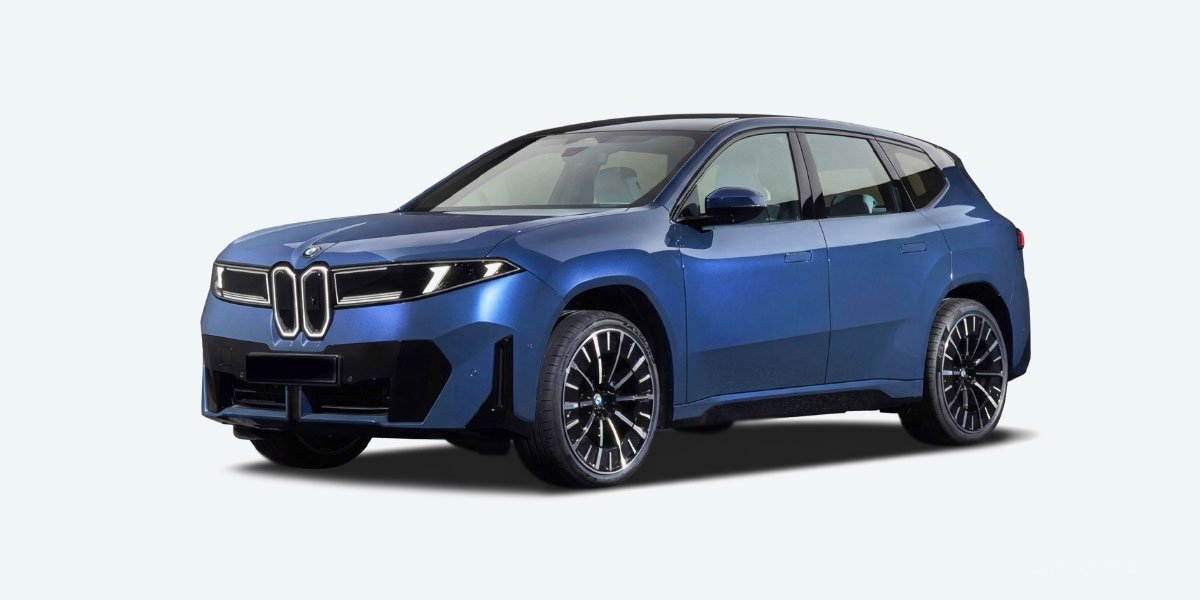
Exterior and Interior photos of BMW iX3 2026


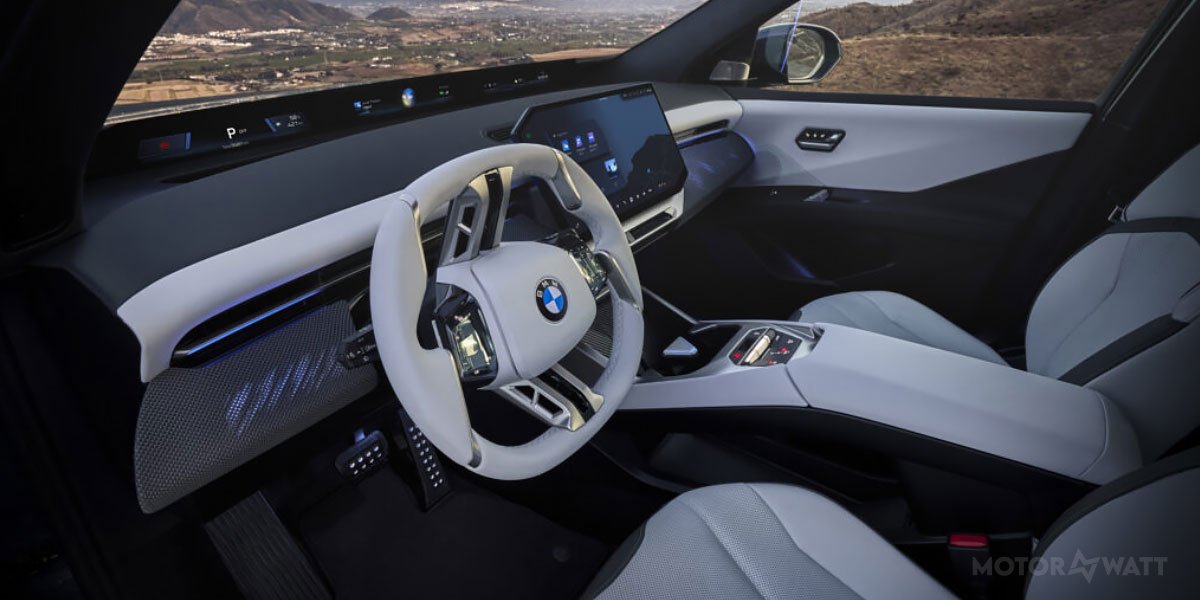
BMW iX3 2026 Review: Early Impressions & Tech Analysis
BMW iX3 2026 Introduction:
BMW iX3 arrives for 2026 as a clean sheet rethink of how a luxury electric SUV should behave on American roads. Built in Germany and riding on BMW Neue Klasse hardware, the model targets drivers ready for long range efficiency, serious charging speed, and real performance without drama. The category fits squarely in the midsize electric SUV space, yet the engineering ambition stretches further. An 800 volt electrical system, dual motor all wheel drive, and a large usable battery place pricing squarely in premium territory while still undercutting several rivals. From daily commuting to long interstate drives, the platform emphasizes balance over excess. Efficiency matters. Performance still counts. And usability remains front and center.
- Manufactured in Germany with production tied to BMW electric expansion strategy
- Neue Klasse debut model signaling BMW long term EV direction
- Sales launch in 2026 with dual motor configuration leading rollout
- Starting price $55,000 USD (€47,300) positioning it below several luxury rivals
- Segment focus on premium midsize electric SUV buyers
What is the Price of BMW iX3 in 2026?
The BMW iX3 price starts at $55,000 USD (€47,300). That entry level figure reflects BMW intent to move Neue Klasse volume quickly. The launch configuration with added power and range pushes higher, yet remains competitive inside the luxury electric SUV field.
| Trim Level | PRICE | KEY FEATURES |
|---|---|---|
|
iX3 40
|
Single or lower output AWD setup. Smaller battery near 81 kWh. Focus on efficiency, lighter curb weight, and accessible pricing for urban and suburban driving.
|
|
|
iX3 50 xDrive
|
Dual motor AWD. 469 hp output. 108.7 kWh usable battery. Up to 640 km or about 400 miles EPA estimated range. DC charging up to 400 kW.
|
|
|
iX3 M Sport
|
Adaptive suspension tuning. Larger wheels. Aerodynamic body kit. Performance oriented calibration with premium interior finishes.
|
Trim strategy stays simple. Battery capacity, motor output, and design upgrades define separation rather than complex option bundling.
Engine, Battery, and Performance Specs:
Battery & Charging Specifications
The battery system anchors the entire Neue Klasse strategy. A usable 108.7 kWh pack delivers strong efficiency and serious highway stamina. EPA estimates land near 640 km or roughly 400 miles per charge. WLTP figures stretch further. Fast charging remains the headline. The 800 volt system supports DC rates up to 400 kW, moving charge from 10 to 80 percent in around 21 minutes under ideal conditions.
- Battery capacity 108.7 kWh usable
- DC fast charging up to 400 kW
- AC charging 11 kW standard 22 kW optional
- Range about 640 km or 400 miles EPA estimated
Electric Motor Specifications
Dual electric motors power all four wheels with a system output of 469 horsepower or 345 kW. Torque reaches 645 Nm or roughly 476 lb ft, delivered instantly. All wheel drive calibration prioritizes traction and balance rather than aggressive rear bias behavior.
- Dual motor all wheel drive layout
- Total output 469 hp or 345 kW
- Peak torque 645 Nm or 476 lb ft
Performance Specifications
Acceleration remains brisk without theatrics. Zero to 100 km h or 62 mph arrives in 4.9 seconds. Top speed caps at 210 km h or 130 mph. Weight stays controlled for the class, helping handling feel predictable during daily use.
- 0 to 100 km h in 4.9 seconds
- Top speed 210 km h or 130 mph
Performance aligns with expectations for a premium electric SUV aimed at real world usability rather than track days.
Exterior and Interior Features
Exterior Design
Design language moves toward reduction. The traditional kidney grille transforms into a horizontal digital element with integrated lighting. Aerodynamics play a central role. A drag coefficient near 0.24 helps range and stability. Wheel sizes range from 20 to 22 inches. Flush door handles and smooth body surfaces reduce turbulence.
Interior & Technology
Inside, the cabin removes the conventional instrument cluster. A panoramic 43 inch projection stretches across the windshield base. The central 18 inch display runs BMW Operating System X. Materials lean sustainable. Veganza synthetic leather and recycled textiles replace animal based materials. Bidirectional charging enables vehicle to home and grid interaction.
Interior space stays generous. Cargo capacity reaches 520 liters with seats up and expands to 1,750 liters folded. A 58 liter front storage area adds flexibility.
Pros and Cons:
Pros
- Long real world driving range
- Ultra fast DC charging capability
- Advanced software interface
- Sustainable interior materials
- Balanced performance and efficiency
Cons
- Higher trims approach premium pricing
- Advanced tech may overwhelm some users
- Charging speed depends on infrastructure availability
Market position & Expert Data:
The BMW iX3 enters a crowded electric SUV market with a technical advantage centered on charging speed and platform efficiency. Research shows 800 volt architectures reduce thermal losses and charging time compared with earlier 400 volt designs. According to McKinsey analysis published in 2025, high voltage EV systems improve long distance usability by more than 20 percent in mixed driving scenarios.
Industry analysts note that luxury EV buyers increasingly prioritize charging speed over raw horsepower. Harvard Business Review EV adoption data from 2026 indicates charging convenience ranks above acceleration for repeat EV buyers in North America.
Summary:
BMW iX3 stands as a pivotal step in BMW electric strategy. Strong range, fast charging, and usable performance define the package. Pricing lands within reach for luxury buyers seeking modern EV architecture. For drivers ready to move beyond first generation electric SUVs, the formula feels right.
Watch the Video Overview


Full specifications
Model Specs
| Specification | Actual Data |
|---|---|
|
Model
|
BMW iX3
|
|
Model Year
|
2026
|
|
Body Type
|
SUV
|
|
Manufacturer
|
BMW
|
|
Country of Origin
|
Germany
|
|
Platform
|
Neue Klasse
|
|
Starting Price
|
$55,000 USD (€47,300)
|
Performance
| Specification | Actual Data |
|---|---|
|
Power Type
|
Full electric
|
|
Powertrain
|
Dual motor
|
|
Drive Type
|
AWD
|
|
System Output
|
469 hp (345 kW)
|
|
Max Torque
|
645 Nm (476 lb ft)
|
|
Top Speed
|
210 km h (130.5 mph)
|
|
Acceleration 0 to 100 km h
|
4.9 seconds
|
|
Acceleration 0 to 62 mph
|
4.9 seconds
|
Battery and Charging
| Specification | Actual Data |
|---|---|
|
Battery Capacity Usable
|
108.7 kWh
|
|
Nominal Voltage
|
800 V architecture
|
|
DC Fast Charging Rate
|
Up to 400 kW
|
|
Charging Time 10 to 80 percent
|
About 21 minutes
|
|
AC Charging Standard
|
11 kW
|
|
AC Charging Optional
|
22 kW
|
|
Bidirectional Charging
|
V2H, V2G, V2L support
|
Estimated Range Data
| Specification | Actual Data |
|---|---|
|
EPA Estimated Range
|
640 km (398 miles)
|
|
WLTP Range
|
Up to 805 km (500 miles)
|
|
City Range Estimate
|
676 km (420 miles)
|
|
Highway Range Estimate
|
579 to 612 km (360 to 380 miles)
|
|
Cold Weather Range Estimate
|
531 km (330 miles)
|
Body Specifications
| Specification | Actual Data |
|---|---|
|
Length
|
4,782 mm (188.3 in)
|
|
Width
|
1,895 mm (74.6 in)
|
|
Width With Mirrors
|
2,093 mm (82.4 in)
|
|
Height
|
1,635 mm (64.4 in)
|
|
Wheelbase
|
2,897 mm (114.1 in)
|
|
Curb Weight
|
2,360 kg (5,203 lb)
|
|
Cargo Capacity Seats Up
|
520 L (18.4 cu ft)
|
|
Cargo Capacity Seats Down
|
1,750 L (61.8 cu ft)
|
|
Front Storage Frunk
|
58 L (2.0 cu ft)
|
Exterior Design Features
| Specification | Actual Data |
|---|---|
|
Design Theme
|
Neue Klasse reductive styling
|
|
Front Signature
|
Horizontal digital kidney element with illumination
|
|
Aerodynamics Drag Coefficient
|
0.24 Cd
|
|
Door Handles
|
Flush style for reduced drag
|
|
Wheel Size Range
|
20 to 22 in (508 to 559 mm)
|
Interior Design and Materials
| Specification | Actual Data |
|---|---|
|
Leather Free Cabin
|
Yes
|
|
Primary Upholstery
|
Veganza synthetic leather
|
|
Textiles
|
Econeer materials using recycled maritime plastics
|
Cabin Technical Features
| Specification | Actual Data |
|---|---|
|
Panoramic Vision Display
|
43 in projection across windshield base (109 cm)
|
|
Center Display
|
18 in high resolution touchscreen (46 cm)
|
|
Operating System
|
BMW Operating System X
|
F.A.Q. about BMW iX3 2026
What is the real world driving range of the BMW iX3?
The BMW iX3 delivers an estimated real world range of about 400 miles or 640 km per charge under mixed driving conditions.
- City driving up to roughly 420 miles
- Highway driving around 360 to 380 miles
- Cold weather range near 330 miles
What is the usable battery capacity of the BMW iX3?
The BMW iX3 uses a large 108.7 kWh usable battery designed for long range efficiency and sustained high speed driving.
How fast does the BMW iX3 charge on a DC fast charger?
The BMW iX3 supports ultra fast DC charging up to 400 kW, allowing a 10 to 80 percent charge in about 21 minutes.
- DC fast charging peak up to 400 kW
- AC charging 11 kW standard
- Optional 22 kW AC onboard charger
Is the BMW iX3 available for purchase in the USA and Europe?
The BMW iX3 is planned for both European and North American markets with US availability expected during the 2026 model year.
What is the starting price of the BMW iX3 in the USA?
The BMW iX3 price starts at $55,000 USD (€47,300) for the entry configuration, positioning it competitively among luxury electric SUVs.
How does BMW iX3 performance compare to gasoline SUVs?
The BMW iX3 accelerates from 0 to 62 mph in 4.9 seconds, matching or exceeding many six cylinder gasoline SUVs.
What maintenance does the BMW iX3 require?
The BMW iX3 requires less routine maintenance than gasoline vehicles due to fewer moving parts and no oil changes.
- Brake inspections
- Software updates
- Tire rotation and suspension checks
Can the BMW iX3 be charged at home?
The BMW iX3 supports home charging through standard Level 2 AC wallboxes, reaching a full charge overnight with 11 kW or faster with 22 kW.
Is the BMW iX3 suitable for cold climates?
The BMW iX3 uses advanced thermal management to preserve battery efficiency and cabin comfort during winter driving.