Dongfeng Xinghai X5: Price, Range, and Technical Specs
The Dongfeng Xinghai X5 is a compact electric SUV with a 64.4-kWh LFP battery and ~530 km (329 mi) CLTC range. A single FWD motor delivers 163 hp (122 kW) and ~8.5 s to 100 km/h. Starting at $21,100 (€18,210 / £15,820), it adds DC fast charging (~60 kW) and a roomy five-seat cabin for daily use.

| Starting Price | $21,100 |
| Model Year | 2026 |
| Country of Manufacturing | China |
| Battery Size | 64.4 kWh |
| Official Range | 329 mi |
| Power | 163 hp |
* Minimum price set for the base trim by the manufacturerr, excluding taxes and additional options

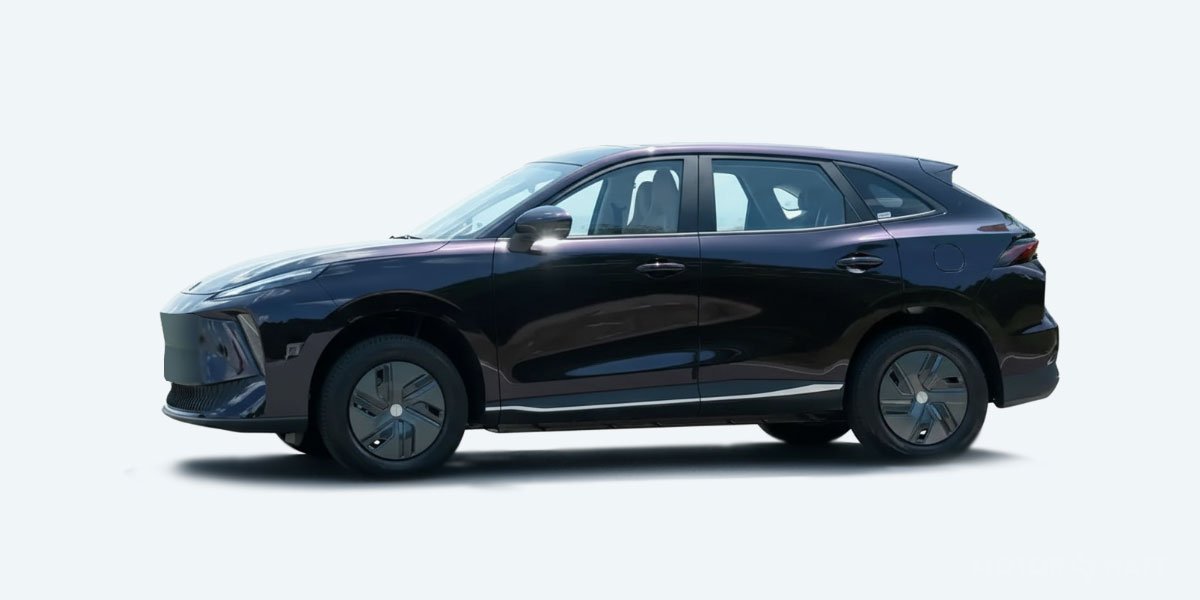
Exterior and Interior photos of Dongfeng Xinghai X5


Dongfeng Xinghai X5 Review: Early Impressions & Tech Analysis
Dongfeng Xinghai X5 for value-driven EV buyers
Dongfeng Xinghai X5 lands in the compact EV arena with a clear pitch: range that comforts, pricing that undercuts, and kit that feels a class up. Built by Dongfeng’s Forthing arm in China, the crossover targets everyday commuters and young families who want quiet miles and low running costs. Launch timing lines up with the 2026 model year, following its September 2025 debut. Starting at $21,100 (€18,210 / £15,820), the package looks sharp for shoppers scanning entry-EV options in California and beyond. And the priorities read like a cheat sheet for practical electrification—usable space, frugal energy use, and straightforward charging.
- Manufacturing & lineage: Developed by Dongfeng’s Forthing sub-brand; descends from the Leiting EV with updated styling.
- Unveiling & availability: Public debut in September 2025; positioned as a 2026 model for broader markets.
- Feature pitch: Focus on front-wheel drive simplicity, LFP battery chemistry, and family-friendly packaging.
- Pricing anchor: Base MSRP $21,100 (€18,210 / £15,820) using today’s rates.
- Market positioning: Budget EV pricing with real-world range that suits urban commuting and weekend hops.
Battery, Range and Performance:
Battery, Charging and Range
The LFP pack lists 64.4 kWh, tuned for durability and predictable charge behavior. Official CLTC range is 530 km (329 miles), with sensible drivers seeing ~400–450 km (249–280 miles) in mixed use. DC fast charging peaks around 60 kW, taking the pack from 30% to 80% in roughly 30 minutes—enough for a coffee and a stretch. Expect 14–16 kWh/100 km (4.4–3.9 mi/kWh) efficiency, which keeps electricity bills tame. Regenerative braking offers multiple levels, easing stop-and-go fatigue while returning a few bonus miles.
- Battery: 64.4 kWh LFP; estimated 8-year/160,000 km warranty coverage on “three-electric” systems
- Range: 530 km CLTC (≈329 mi); real-world ~400–450 km (249–280 mi)
- Charging: DC fast to ~60 kW; 30–80% ≈ 30 minutes; home AC ~7 kW overnight
- Efficiency: 14–16 kWh/100 km (≈4.4–3.9 mi/kWh)
Performance Specifications
Power comes from a single front-mounted motor rated at 163 hp (122 kW) and 240 Nm (177 lb-ft). Acceleration to 100 km/h lands near 8.5 seconds, with a 150 km/h (93 mph) top speed. Ride tuning favors comfort: compliant springs, a torsion-beam rear, and quiet cruising at freeway pace. Steering feels light for city slots, and stability control keeps wet starts tidy. Torque delivery is clean, making errands and school runs drama-free.
- Motor/drive: Single-motor FWD, 163 hp (122 kW), 240 Nm (177 lb-ft)
- Accel/top speed: ~8.5 s to 100 km/h (62 mph); 150 km/h (93 mph)
- Chassis: MacPherson strut front; torsion-beam rear; 215/60 R17 tires
- Energy use: 14–16 kWh/100 km (≈220–260 Wh/mi)
Two trims mirror each other mechanically, with the up-level version adding tech and comfort touches while keeping pricing approachable.
Exterior and Interior Features
Exterior
Angular surfacing, a closed grille, and slim LEDs set a modern tone. Proportions sit in the compact-SUV sweet spot: 4,530 mm long (178.3 in), 1,850 mm wide (72.8 in), 1,670 mm high (65.7 in), on a 2,730 mm wheelbase (107.5 in). Standard 17-inch alloys fill the arches without hurting efficiency. Color choices skew clean and urban, and aero work (Cd ~0.32) helps curb wind noise at 70 mph (113 km/h).
Interior
Cabin packaging favors people and stuff. Five adults fit without elbows sparring, and the flat floor eases rear-row entries. The 13-inch infotainment touchscreen handles navigation, phone mirroring, and voice control; over-the-air updates keep the stack fresh. Cargo space runs 400–1,500 liters (14.1–53.0 cu ft) with seats folded, so Costco runs and strollers both slot in neatly.
Pros and Cons:
Pros
- Efficient energy use keeps charging cost per mile low for California commutes.
- Roomy cabin with cargo space flexibility and intuitive controls.
- DC fast charging speed suits road-trip pit stops.
- Warranty coverage EV terms reassure first-time buyers.
Cons
- Soft suspension tuning trims cornering zeal.
- Hard plastics in lower cabin areas signal budget targets.
- FWD only; wet-weather traction leans on stability aids.
Prices depending on the trim and options:
The lineup targets affordability while protecting key features. The entry configuration stays lean, and the higher trim adds comfort tech (panoramic roof, faux leather, wireless charging).
| Base | $21,100 (€18,210 / £15,820) |
| Upper Trim | $22,400 (€19,330 / £16,780) |
Verdict: confident commuter with family-first priorities
Dongfeng Xinghai X5 targets the daily grind with calm manners, thrifty energy use, and the right cabin tech. Range fits real life; charging cadence suits errand loops and weekend sprints. Pricing undercuts many imports, yet equipment avoids feeling bare. For shoppers eyeing an entry-EV that just works, this crossover makes the short list.
Full specifications
Model Specs
| Specification | Actual Data |
|---|---|
|
Model Name
|
Dongfeng Xinghai X5
|
|
Model Year
|
2025
|
|
Country of Origin
|
China
|
|
Manufacturer
|
Dongfeng Forthing
|
|
Vehicle Type
|
Battery electric compact crossover SUV
|
|
Seats
|
5
|
|
Body Structure
|
5-door, 5-seater SUV
|
Performance
| Specification | Actual Data |
|---|---|
|
Power Type
|
Full-electric
|
|
Powertrain
|
Single-motor
|
|
Drive Type
|
FWD
|
|
Maximum Speed
|
150 km/h - 93 mph
|
|
Acceleration 0-100 km/h (0-62 mph)
|
~8.5 s
|
|
Power Output
|
120 kW - 163 hp
|
|
Torque
|
240 Nm - 177 lb-ft
|
Battery and Charging
| Specification | Actual Data |
|---|---|
|
Battery Capacity
|
64.4 kWh
|
|
Battery Chemistry
|
LFP
|
|
Battery Cell Brand
|
Xinwangda
|
|
Fast Charging Rate
|
~60 kW (DC)
|
|
Charging Time (30% to 80%)
|
~30 minutes
|
|
Home AC Charging
|
~7 kW
|
Estimated Range Data
| Specification | Actual Data |
|---|---|
|
CLTC Range
|
530 km - 329 miles
|
|
Real-world Range
|
400-450 km - 249-280 miles
|
|
Efficiency
|
14-16 kWh/100 km - 4.4-3.9 mi/kWh
|
Body Specifications
| Specification | Actual Data |
|---|---|
|
Wheelbase
|
2730 mm - 107.5 in
|
|
Length
|
4530 mm - 178.3 in
|
|
Width
|
1850 mm - 72.8 in
|
|
Height
|
1670 mm - 65.7 in
|
|
Cargo Volume
|
400-1500 liters - 14.1-53 cu ft
|
|
Tires
|
215/60 R17
|
|
Front Suspension
|
MacPherson independent suspension
|
|
Rear Suspension
|
Multi-link independent suspension
|
Exterior Design Features
| Specification | Actual Data |
|---|---|
|
Available Colors
|
Dragon Gallbladder Purple, Jade Green, Star White, Haoyue Grey, Dragon Roar Grey, Starry Black
|
|
Active Aerodynamics
|
Cd ~0.32
|
|
Rim Material
|
Aluminum alloy
|
|
Daytime Running Lights
|
LED
|
|
High/Low Beam Light Source
|
Halogen
|
|
Exterior Rearview Mirrors
|
Electric adjustment
|
Interior Design and Materials
| Specification | Actual Data |
|---|---|
|
Seating Material
|
Faux leather
|
|
Interior Colors
|
Black, Orange
|
|
Steering Wheel Material
|
Plastic
|
|
Rear Seats
|
Full fold-down
|
Cabin Technical Features
| Specification | Actual Data |
|---|---|
|
Central Control Screen
|
13-inch touchscreen
|
|
Voice Recognition
|
Dual-zone voice control
|
|
Steering Wheel
|
Multi-function
|
|
Sound System
|
2 speakers
|
|
Drive Assistants
|
Reversing camera, tire pressure monitoring, ABS, EBD, brake assist, traction control, stability control, hill-start assist, energy recovery
|
|
Air Conditioning
|
Automatic
|
|
Connectivity
|
Carlink, Carplay, Huawei Hicar, Carlife
|
|
Navigation
|
Built-in AutoNavi Maps
|
F.A.Q. about Dongfeng Xinghai X5
What is the usable battery capacity?
The pack lists 64.4 kWh and uses LFP chemistry for stability and longevity. Expect consistent charge behavior across temperature swings.
How far can it drive on a single charge?
Dongfeng Xinghai X5 posts 530 km (329 mi) CLTC, with ~400–450 km (249–280 mi) realistic in mixed driving. Highway pacing and climate use can shift results.
What are the acceleration and top speed figures?
Expect ~8.5 seconds to 100 km/h (62 mph) and a 150 km/h (93 mph) ceiling. The calibration favors smooth starts and predictable passing.
How fast does the battery charge?
Peak DC fast power sits near 60 kW, moving from 30% to 80% in about 30 minutes. Home AC at ~7 kW restores a full charge overnight.
What is the total power and torque?
The single motor produces 163 hp (122 kW) and 240 Nm (177 lb-ft). Front-wheel drive prioritizes efficiency and packaging.
What are the dimensions and cargo volume?
Length 4,530 mm (178.3 in), width 1,850 mm (72.8 in), height 1,670 mm (65.7 in), wheelbase 2,730 mm (107.5 in). Cargo space spans 400–1,500 L (14.1–53.0 cu ft).
How much does it cost?
Dongfeng Xinghai X5 starts at $21,100, which converts to about €18,210 and £15,820 today. Upper trims add comfort tech while keeping pricing aggressive.