Fang Cheng Bao Bao 8 2026: Price, Range, and Technical Specs
Fang Cheng Bao Bao 8 2026 is a full-size plug-in hybrid SUV using BYD’s DMO platform, a 36.8 kWh Blade LFP pack, and AWD with three electronic diff locks. Electric range hits 100 km (62 mi), 0–100 km/h comes in ~5 s, and top speed is 180 km/h (112 mph). Prices start at $52,500 (€45,260 / £39,320).


| Starting Price | $53,200 |
| Model Year | 2026 |
| Country of Manufacturing | China |
| Battery Size | 36.8 kWh |
| Official Range | 746 mi |
| Power | 738 hp |
* Minimum price set for the base trim by the manufacturerr, excluding taxes and additional options
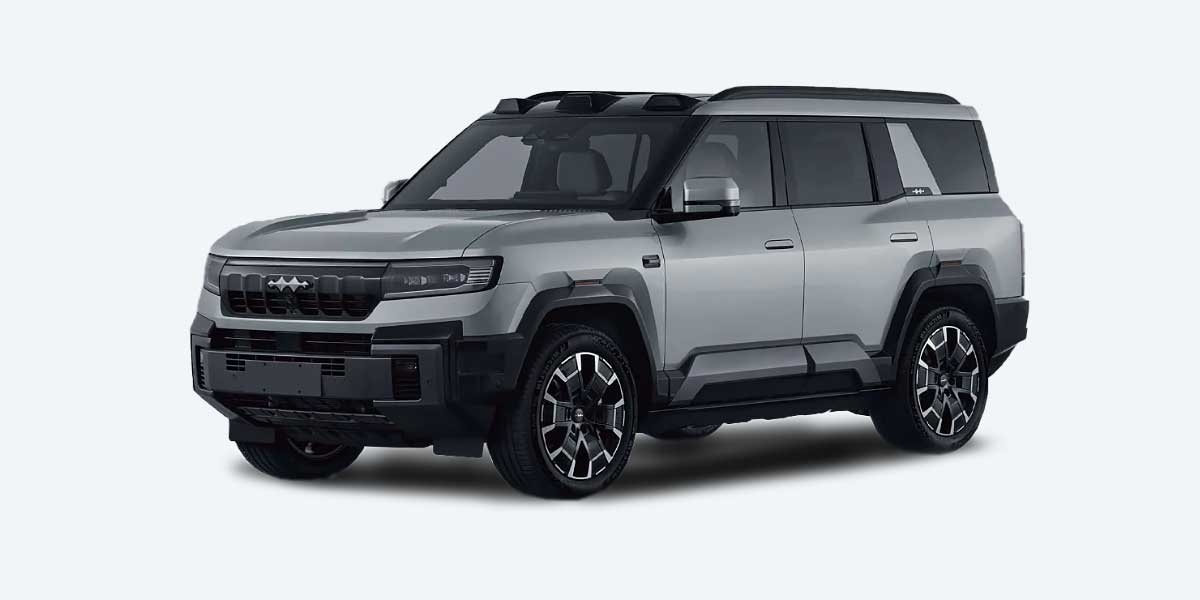
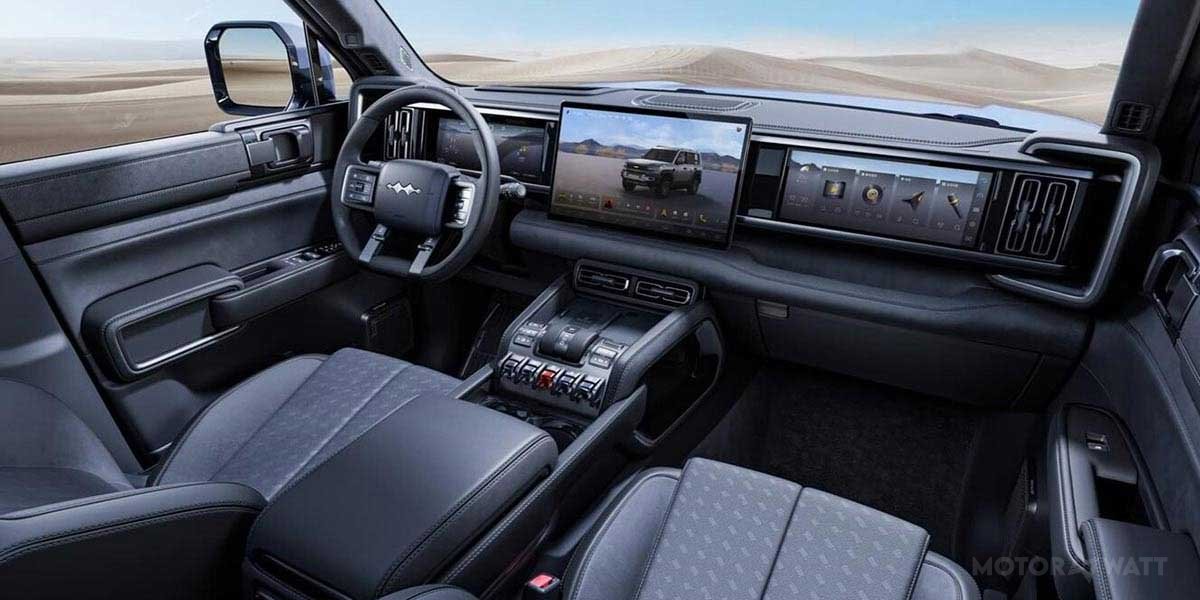
Exterior and Interior photos of Fang Cheng Bao Bao 8 2026


Fang Cheng Bao Bao 8 2026 Review: Early Impressions & Tech Analysis
Fang Cheng Bao Bao 8 2026: Flagship PHEV Off-Roader with Luxury Tech
Fang Cheng Bao Bao 8 arrives as a body-on-frame plug-in hybrid colossus from BYD’s performance sub-brand, engineered for trail grit and boulevard polish. Think premium cabin materials, multi-screen smarts, and an advanced hydraulic suspension that lifts or lowers on command. The DMO Super Hybrid with Blade LFP chemistry provides silent urban miles and muscular highway composure. Starting around $52,500 (€45,260 / £39,320), it targets shoppers who want expedition credentials without giving up daily convenience. And it feels purpose-built for long family hauls and weekend overland plans.
- Manufacturing & positioning: China-built, full-size SUV aimed at high-end off-road buyers seeking premium polish.
- Launch window: Initial rollouts in late 2024/early 2025 with 2026 model-year updates.
- Headline hardware: DMO hybrid powertrain, Blade LFP pack, three electronic diff locks, intelligent hydraulic ride control.
- Cabin focus: multi-screen infotainment, AR-HUD, Huawei HiCar connectivity, fragrance system, cooled storage.
- Ownership hook: genuine off-road differential locks, swift DC fast charging, and an assisted driving suite with night vision.
Battery, Range and Performance:
Battery, Charging and Range
The Blade LFP pack posts 36.8 kWh usable, tailored for frequent top-ups and durability. Electric-only travel reaches about 100 km (62 mi, WLTC), covering city commutes with headroom. A peak DC rate near 120 kW moves 10–80% in roughly 0.27 hours—about 16 minutes—useful on road trips between trailheads. A 7 kW home unit needs about 5.6 hours from empty to full, suiting overnight replenishment. Regenerative braking is tunable, so one-pedal driving in traffic feels natural and efficient.
- Battery capacity: 36.8 kWh (Blade LFP)
- Electric range: 100 km (62 mi, WLTC)
- DC fast charge: ~120 kW; ~16 min (10–80%)
- AC charging: ~7 kW; ~5.6 h (0–100%)
Performance Specifications
The system combines a 2.0-liter turbo with dual e-motors for a quoted 550 kW (≈738 hp) and about 760 Nm (560 lb-ft). Official figures list 0–100 km/h in 5.0 s, capped at 180 km/h (112 mph) for stability and thermal management. All-wheel drive works with electronic locking diffs for consistent traction on sand, snow, or slick rock. The DiSus-P intelligent hydraulics vary ground clearance by up to 140 mm (5.5 in), sharpening approach and departure angles. Steering feel remains measured, while the body-on-frame chassis resists flex when loaded.
- Output: 550 kW (≈738 hp); AWD with front/rear e-motors
- 0–100 km/h: ~5.0 s
- Top speed: 180 km/h (112 mph)
- Platform: DMO Super Hybrid, body-on-frame
Beyond the electric-only figure, combined driving stretches to ≈1,200 km (≈745 mi, CLTC) with a full tank and full charge—useful for cross-province touring where charging gaps appear.
Exterior and Interior Features
Exterior
Styling follows a “Future Starship” motif: upright silhouette, chamfered edges, and squared arches over 20-inch alloys (275/55 R20). Matrix-grade LEDs on upper trims carve precise beams; the DRL signature wraps cleanly into the rear clusters. The hydraulic system’s ride-height range improves aero on highways and clearance off-road. Dimensions advertise presence: 5,195 mm (204.6 in) long, 1,994 mm (78.5 in) wide, 1,905 mm (75.0 in) tall with rack; wheelbase spans 2,920 mm (115.0 in).
Interior
The cockpit doubles as a lounge-grade command center: a 12.3-inch driver cluster, a 17.3-inch main display, and a 12.3-inch passenger screen. An AR-HUD overlays navigation and safety cues, while Huawei HiCar manages seamless phone mirroring. Front seats bring heating, ventilation, and power adjustment; materials skew upscale with tight stitch work. Family logistics feel easy thanks to generous storage, a cooled compartment, fragrance integration, and thoughtful third-row access on seven-seat layouts.
Pros and Cons:
Pros
- High-power hybrid system with swift torque delivery for overtakes and climbs.
- Adaptive hydraulic suspension grants notable comfort and clearance control.
- Multi-screen infotainment with AR-HUD and strong smartphone integration.
- Three electronic diff locks and dedicated off-road modes increase confidence.
- Blade LFP chemistry favors longevity and thermal stability.
Cons
- Curb weight around 3,305 kg (7,286 lb) influences urban agility.
- Electric-only range suits commuting more than extended EV-only travel.
- Body-on-frame feel remains present over sharp city bumps.
- Global availability and service coverage vary by region.
Prices depending on the trim and options:
| Base Trim | $52,500 (€45,260 / £39,320) |
| Base Deluxe (7-Seat) | $53,200 (€45,860 / £39,850) |
| Mid-Trim (7-Seat Flagship) | $56,000 (€48,270 / £41,940) |
| High-Trim (6-Seat Flagship) | $57,100 (€49,220 / £42,770) |
Verdict: Hybrid Muscle, Long-Haul Poise, and Serious Trail Grit
The package marries long combined range, adjustable hydraulics, and a digitized cockpit for families who roam. Cabin tech feels future-forward without sacrificing practicality, and off-road hardware inspires trust when weather turns. Ownership calculus favors efficiency and durability. Fang Cheng Bao Bao 8 stakes a persuasive claim in luxury off-road PHEVs.
Watch the Video Overview


F.A.Q. about Fang Cheng Bao Bao 8 2026
What is the usable battery capacity?
The pack is 36.8 kWh, using LFP chemistry for stability and cycle life. That supports daily commuting with frequent top-ups and predictable degradation.
How far can it drive on electricity only?
Fang Cheng Bao Bao 8 covers about 100 km (62 mi, WLTC) before the engine assists. Real-world outcomes depend on temperature, terrain, tires, and HVAC use.
What is the top speed?
Maximum speed is 180 km/h (112 mph), limited for efficiency and safety. It aligns with full-size SUV stability at motorway pace.
How quick is the acceleration?
Factory figures quote 0–100 km/h in about 5.0 seconds, aided by dual e-motors and instant torque. Launches feel decisive even with a full cabin.
How long does DC fast charging take?
Around 10–80% in ~0.27 hours—about 16 minutes—at roughly 120 kW. Time varies with state of charge, pack temperature, and charger curve.
What are the dimensions and weight?
Length 5,195 mm (204.6 in), width 1,994 mm (78.5 in), height 1,905 mm (75.0 in with rack). Curb weight sits near 3,305 kg (7,286 lb).
How does the suspension help off-road?
The DiSus-P hydraulics adjust ride height by up to 140 mm (5.5 in), improving approach, breakover, and departure. It also calms body motion on paved routes.
What is the combined driving range?
With a full tank and full charge, expect about 1,200 km (≈745 mi, CLTC). That supports long intercity travel with sparse charging infrastructure.
What is the price?
Entry figures begin near $52,500 (€45,260 / £39,320) for Fang Cheng Bao Bao 8. Higher trims climb toward $57,100 (€49,220 / £42,770).