Fang Cheng Bao Tai 7 2025: Price, Range, and Technical Specs
2025 Fang Cheng Bao Tai 7 is a plug-in hybrid SUV from BYD’s premium sub-brand with a 26.6 kWh battery, ~135 km (84 miles) EV range, and ~1,300 km (808 miles) total. It sprints 0–100 km/h in 4.9 s and starts at $34,800 (€29,820 / £25,720). Family-sized, tech-forward, and light-trail capable.


| Starting Price | $34,800 |
| Model Year | 2025 |
| Country of Manufacturing | China |
| Battery Size | 26.6 kWh |
| Official Range | 808 mi |
| Power | 268 hp |
* Minimum price set for the base trim by the manufacturerr, excluding taxes and additional options

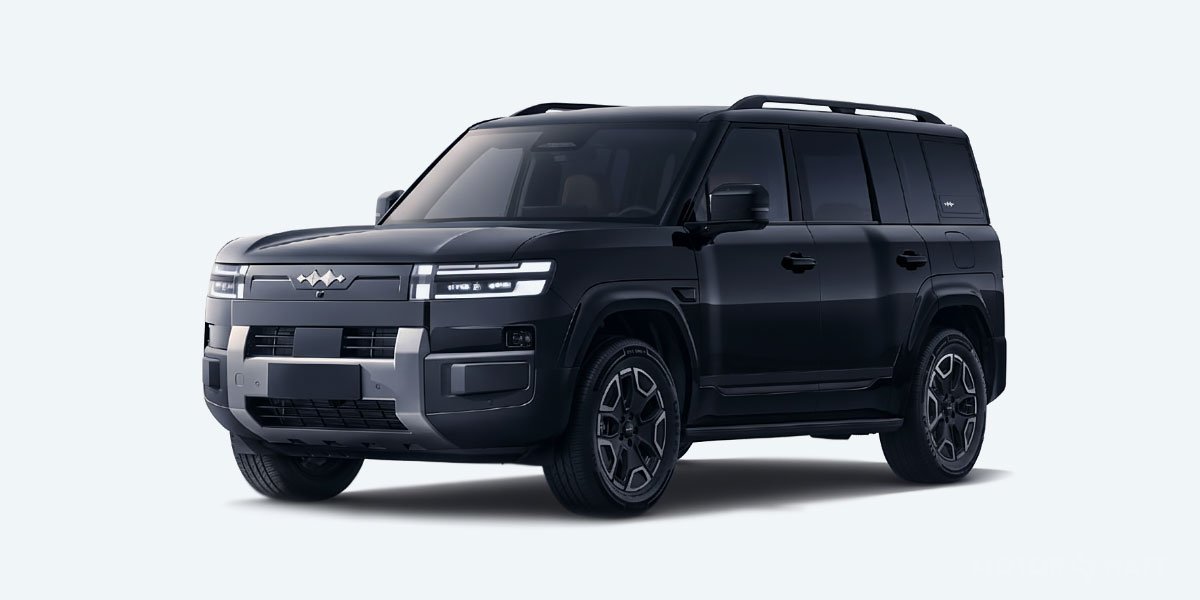
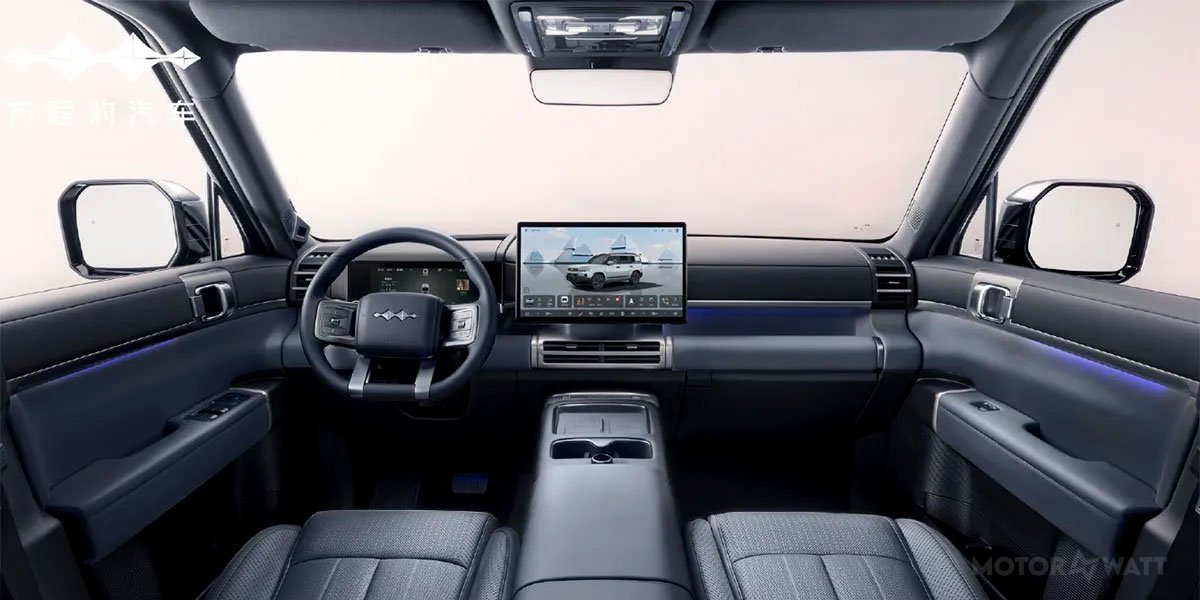
Exterior and Interior photos of Fang Cheng Bao Tai 7 2025


Fang Cheng Bao Tai 7 2025 Review: Early Impressions & Tech Analysis
Fang Cheng Bao Tai 7: Plug-In Hybrid SUV With Tech, Range, and Everyday Grit
The Fang Cheng Bao Tai 7 lands as BYD’s premium-leaning plug-in hybrid for families who split time between city streets and gravel cut-throughs. Big stance, clean surfacing, and clever packaging set the tone, while a sophisticated hybrid system trims fuel stops. Starting price: $34,800 (€29,820 / £25,720). Manufactured in China, model year 2025, it aims squarely at shoppers wanting cutting-edge driver assistance without premium-badge pricing.
- Launch positioning: between Bao 5 and Bao 8 for an urban-first yet trail-ready brief.
- Boxy silhouette with rectangular LEDs, roof rails, and an optional rear “backpack” cargo pod.
- Cabin built around a BYD tablet ecosystem for smooth multi-screen control and quick updates.
- Price window targets value seekers wanting premium tech without imported-brand premiums.
- Available LiDAR on upper trims to enable the God’s Eye B advanced driver assistance suite.
Battery, Range and Performance:
Battery, Charging and Range
A 26.6 kWh pack supports electric commuting before the engine steps in. Expect an EV-only claim near 135 km (≈ 84 miles), then hybrid mode stretches total range to about 1,300 km (≈ 808 miles) under favorable conditions. That mix suits metro errands Monday through Friday with weekend highway flexibility. Efficiency in hybrid operation is rated around 6.4 L/100 km (≈ 36.8 mpg US), aided by smart thermal management and seamless engine-motor coordination.
- Battery: 26.6 kWh (usable)
- Electric range: ~135 km (≈ 84 miles)
- Total range (hybrid): ~1,300 km (≈ 808 miles)
- Hybrid consumption: 6.4 L/100 km (≈ 36.8 mpg US)
Performance Specifications
A rear-drive layout delivers brisk response with about 268 hp (≈ 200 kW). Official figures peg the 0–100 km/h sprint at 4.9 s, while maximum speed reaches 190 km/h (≈ 118 mph). Throttle mapping emphasizes clean step-off in EV mode, then layers on engine torque for sustained climbs. A single-motor RWD tune suits urban agility; dual-motor AWD trims (noted in early previews) target higher traction on loose surfaces.
- Power: 268 hp (≈ 200 kW)
- 0–100 km/h: 4.9 s
- Top speed: 190 km/h (≈ 118 mph)
- Drive: RWD (AWD variants previewed)
Notable geometry cues—24° approach and 25° departure angles—underline light-trail confidence. Ride tuning favors daily comfort over rock-crawl stiffness.
Exterior and Interior Features
Exterior
Muscular, squared-off panels evoke expedition gear, yet aero details keep wind noise tempered. Dimensions: 4,999 mm L × 1,995 mm W × 1,865 mm H (≈ 197.0 × 78.5 × 73.4 in), on a 2,920 mm (≈ 115.0 in) wheelbase. Mixed-terrain tire choices (19–20 in) add stance. Optional roof-mounted LiDAR crowns the tech story; the rear “backpack” pod expands cargo without eating interior space.
Interior
A five-seat cabin leans spacious, with thoughtful bins and flat-floor ease for child seats and bulky strollers. The BYD tablet anchors infotainment: seamless app handoff, smooth animations, and multi-window control. Materials mix soft-touch surfaces with durable panels; colorways skew bold with orange accents. The layout favors everyday practicality over concept-car theatrics, delivering clear sightlines and intuitive storage.
Pros and Cons:
Pros
- Strong EV-first commuting with long hybrid range for road trips
- Advanced assistance (God’s Eye B), LiDAR on high trims
- Roomy five-seat packaging and clever cargo options
- Tablet-centric infotainment with fluid UI and app integration
- Value pricing versus Western plug-in rivals
Cons
- Unibody tune favors comfort over hardcore off-road articulation
- Bold exterior may read aggressive for urban tastes
- Hefty curb weight (≈ 2,230–2,480 kg; 4,916–5,467 lb) tempers agility
- No seven-seat option limits large-family flexibility
Verdict: Tech-Forward PHEV With Real-World Range
For families wanting electric miles without charging anxiety, the Fang Cheng Bao Tai 7 threads the needle—EV daily, hybrid distance, and a tech stack that feels a class up. Ride comfort suits commutes, geometry welcomes light trails, and the price lands well below prestige badges.
Watch the Video Overview


F.A.Q. about Fang Cheng Bao Tai 7 2025
What is the usable battery capacity?
Capacity sits at 26.6 kWh, supporting daily EV commutes before the engine assists. The pack emphasizes urban efficiency with quick thermal stabilization.
How far can it travel on electricity alone?
The Fang Cheng Bao Tai 7 covers about 135 km (≈ 84 miles) on battery power before hybrid mode extends range. That suits weekday city loops with home charging.
What is the total driving range?
Expect roughly 1,300 km (≈ 808 miles) when starting with a full battery and tank. Real-world figures vary with speed, terrain, and temperature.
How quick is it?
Acceleration to 100 km/h (62 mph) takes 4.9 seconds, brisk for a mid-to-large SUV. Throttle response remains linear in mixed power delivery.
What is the top speed?
Maximum speed reaches 190 km/h (≈ 118 mph). The chassis stays composed at typical motorway pace.
How efficient is the hybrid system?
Consumption of around 6.4 L/100 km equates to about 36.8 mpg (US). EV-first operation trims fuel use during short trips.
How spacious is the cabin?
Five seats with generous headroom and a flat floor deliver family comfort. The optional rear cargo “backpack” adds exterior storage flexibility.
What is the price?
The Fang Cheng Bao Tai 7 starts at $34,800 (€29,820 / £25,720) based on today’s rates. Higher-spec models are expected to climb toward $45,000 (€38,570 / £33,250).