Geely Galaxy Starship 7 EV: Price, Range, and Technical Specs
The Geely Galaxy Starship 7 EV is a mid-size electric SUV with an estimated 65 kWh battery, ~480 km (298 mi) range, 160 kW (215 hp) output, and 0–100 km/h in 7.2 s. Top speed is ~175 km/h (109 mph). Prices start near US$ 28,000 (€24,010 / £20,980), targeting value-focused family EV buyers.


| Starting Price | $28,000 |
| Model Year | 2026 |
| Country of Manufacturing | China |
| Battery Size | 65 kWh |
| Official Range | 298 mi |
| Power | 215 hp |
* Minimum price set for the base trim by the manufacturerr, excluding taxes and additional options

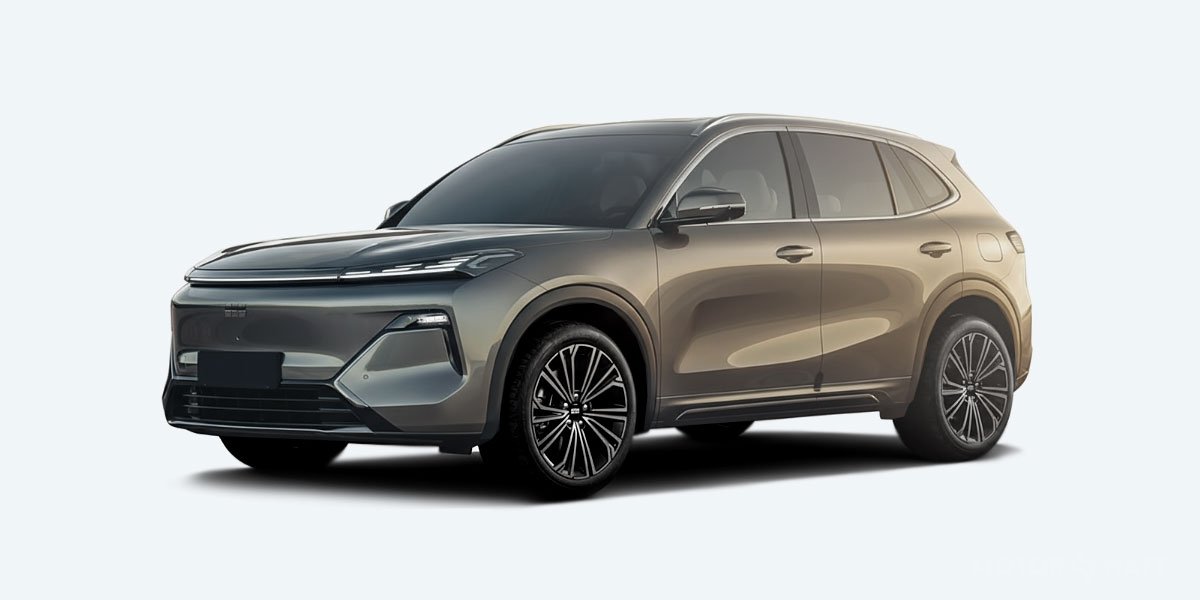
Exterior and Interior photos of Geely Galaxy Starship 7 EV


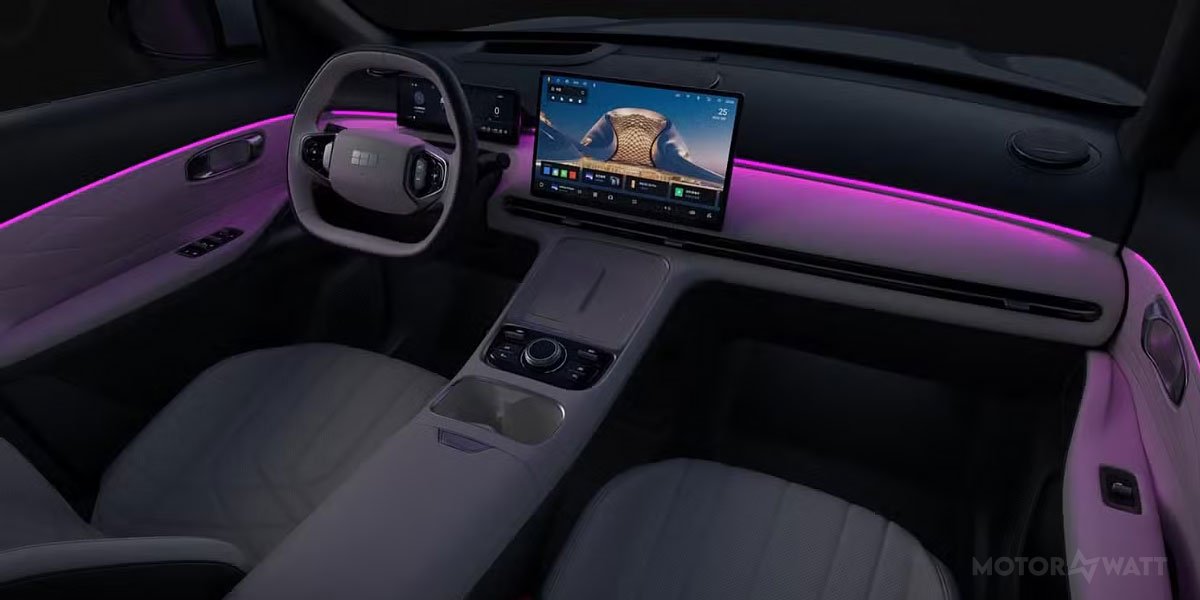
Geely Galaxy Starship 7 EV Review: Early Impressions & Tech Analysis
Geely Galaxy Starship 7 EV Overview & Key Highlights
Geely Galaxy Starship 7 lands where family duty meets clean propulsion, and it lands with intent. A mid-size electric SUV from Geely’s Galaxy sub-brand, it targets buyers who want space, range, and modern software without the premium markups. The cabin leans digital, the styling leans slippery, and efficiency sits at the center. Early specs point to strong value, and shoppers eyeing mainstream electrics will want it on the short list.
- Manufacturing & release: Built in China, full-electric variant announced for the 2025 window alongside the prior PHEV reveal.
- Design direction: Smooth surfacing with a cohesive light signature and aero-first details to trim drag.
- Starting price: Estimated US$ 28,000 (€24,010 / £20,980)—aggressive for the spec sheet.
- Market aim: Value-focused family EV with digital cockpit, strong packaging, and mainstream running costs.
Shoppers hunting for mid-size electric SUV practicality, a digital cockpit, and dependable DC fast charging support will find the pitch familiar—and compelling.
Battery, Range and Performance:
Battery, Charging and Range
The powertrain centers on an estimated 65 kWh pack with careful thermal management, tuned for everyday efficiency. Claimed range lands around 480 km (about 298 miles), aligned with commuter duty and highway stints. Expect multiple regenerative braking levels and a heat-pump strategy to preserve winter range. DC fast charging is pegged at about 30–80 percent in roughly 30 minutes, with AC solutions set up for home overnight replenishment. OTA-enabled energy management tightens efficiency as software matures.
- Battery capacity: approx. 65 kWh
- Estimated range: 480 km (298 mi) WLTP-leaning target
- Fast charging: ~30–80% in ~30 minutes (DC)
- Energy aids: heat pump, adjustable regen, smart route planning
Performance Specifications
Output sits near 160 kW (215 hp), with torque around 320 Nm (236 lb-ft) to the front axle. The 0–100 km/h sprint is forecast at 7.2 seconds, translating to 0–62 mph in the same figure. Top speed hovers near 175 km/h (109 mph), which fits the segment brief. The chassis targets a calm ride and predictable handling, with software-tuned drive modes for throttle and steering. Brakes recoup energy without harsh transitions.
- Drive: FWD single-motor layout
- Power/torque: ~160 kW (215 hp) / ~320 Nm (236 lb-ft)
- Acceleration: 0–100 km/h ~7.2 s (0–62 mph ~7.2 s)
- Top speed: ~175 km/h (109 mph)
Known configurations point to a base pack and likely extended-range versions, each stepping up equipment. Pricing previews: Entry BEV ~US$ 28,000 (€24,010 / £20,980), Mid BEV ~US$ 32,000 (€27,440 / £23,980), Flagship BEV ~US$ 36,000 (€30,870 / £26,970).
Exterior and Interior Features
Exterior
Aerodynamic intent shows up everywhere: a smooth fascia, careful lower-body management, and a full-width LED bar for instant recognition. Dimensions target the mid-size sweet spot—4,750 x 1,905 x 1,680 mm (187.0 x 75.0 x 66.1 in)—balancing cabin room with city practicality. Expect 18-inch aero alloys on entry models and neutral paint tones for a clean, upscale look. Panel gaps and surfacing aim for efficiency before ornament.
Interior
The cabin skews horizontal with a layered dash and a floating center display that anchors infotainment. A fully digital cluster keeps data crisp; a high-resolution HUD appears on upper trims. Synthetic upholstery prioritizes durability, while seat geometry supports long-haul comfort. OTA updates feed the operating system, while a tidy control scheme reduces clutter for daily use.
Pros and Cons:
Pros
- Value-first pricing with family-friendly packaging and cargo convenience (≈450+ L)
- Calm ride, steady highway manners, and efficient powertrain tuning
- Digital cockpit with over-the-air updates and smart assistance features
- Aero-first exterior that aids range on mixed routes
Cons
- FWD grip can limit enthusiastic launches on wet surfaces
- Official DC/AC charge specs pending final certification
- Estimated curb weight ~1,760 kg (3,880 lb) moderates agility
Prices depending on the trim and options:
| Base (estimated) | US$ 28,000 (€24,010 / £20,980) |
| Mid-Range (larger battery / features, est.) | US$ 32,000 (€27,440 / £23,980) |
| Flagship (top equipment, est.) | US$ 36,000 (€30,870 / £26,970) |
Verdict: Buy With Your Head, Enjoy With Your Feet
In a segment crammed with shiny badges, the numbers and packaging do the talking. Room for a family, range near 300 miles (480 km), and pricing that undercuts many rivals. Quiet highway manners help on longer runs, and the software stack sets the table for ongoing improvements. Geely Galaxy Starship 7 EV reads like smart money for buyers who want value without compromise.
F.A.Q. about Geely Galaxy Starship 7 EV
What is the usable battery capacity?
Target capacity is around 65 kWh, sized for daily commuting and weekend trips. That’s ample for longer mixed routes with efficient energy management.
How far can it drive on a full charge?
Geely Galaxy Starship 7 aims for about 480 km (298 mi) on WLTP-type targets. Real-world range varies with speed, temperature, and elevation.
What is the top speed?
Projected maximum is 175 km/h (109 mph). Calibrated to favor efficiency over autobahn heroics.
How quick is acceleration?
Estimated 0–100 km/h in 7.2 seconds (0–62 mph in 7.2 s). The single-motor FWD layout prioritizes smooth step-off and consistent pull.
What are the power and torque figures?
Output sits near 160 kW (215 hp) and ~320 Nm (236 lb-ft). The setup suits everyday driving with confident passing power.
How long does charging take?
DC fast charging from roughly 30–80 percent is about 30 minutes. Home AC charging covers overnight refills with ease.
How much cargo room is available?
Expect more than 450 L (15.9 cu ft) with seats up. The squared-off aperture helps load larger items.
What is the price?
Entry pricing targets Geely Galaxy Starship 7 at about US$ 28,000 (€24,010 / £20,980). Mid and flagship trims rise to US$ 32,000 (€27,440 / £23,980) and US$ 36,000 (€30,870 / £26,970).
What are the dimensions and weight?
Length/width/height are 4,750/1,905/1,680 mm (187.0/75.0/66.1 in), wheelbase 2,755 mm (108.5 in). Curb weight is near 1,760 kg (3,880 lb).