JAC E30X: Price, Range, and Technical Specs
JAC E30X is a compact electric hatchback with a 41 kWh LFP battery, about 405 km (252 mi) of range, FWD, and 0–100 km/h in 7.6 s. Top speed hits 150 km/h (93 mph). Priced from $15,000 (≈ €12,920 / £11,260), it targets urban drivers seeking affordable EV mobility with modern infotainment.


| Starting Price | $15,000 |
| Model Year | 2025 |
| Country of Manufacturing | China |
| Battery Size | 41 kWh |
| Official Range | 252 mi |
| Power | 93.8 hp |
* Minimum price set for the base trim by the manufacturerr, excluding taxes and additional options

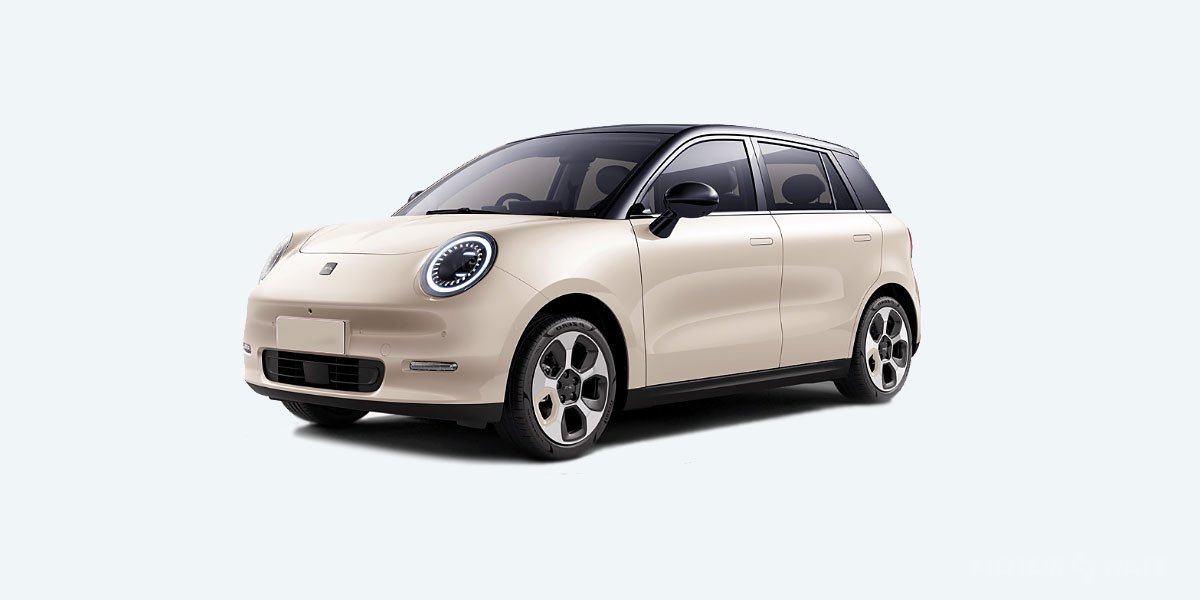
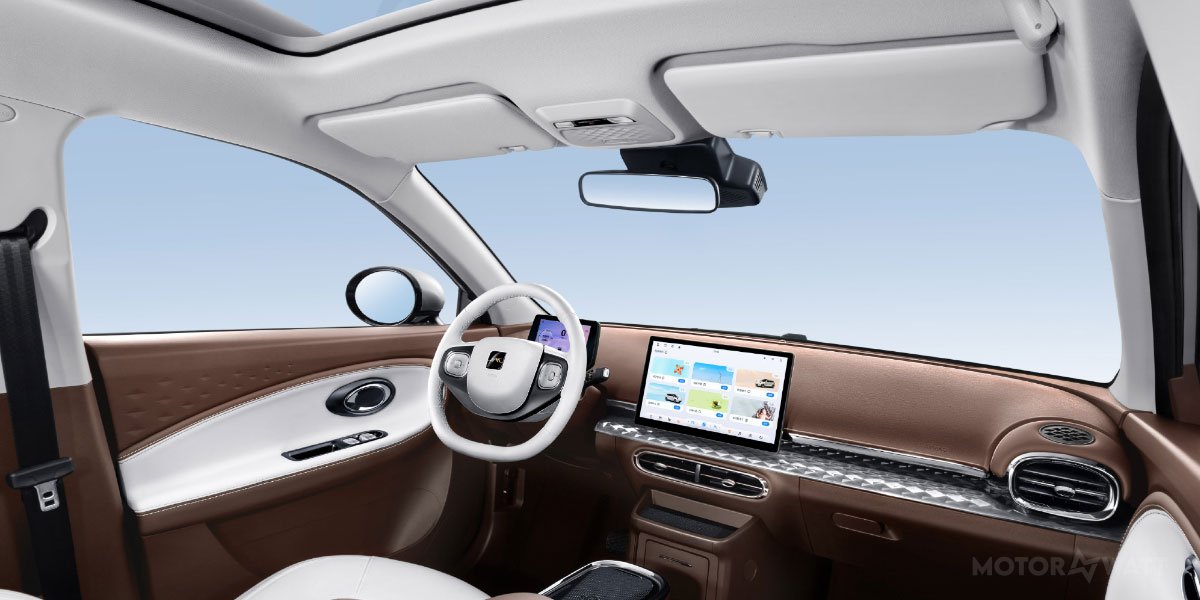
Exterior and Interior photos of JAC E30X


JAC E30X Review: Early Impressions & Tech Analysis
JAC E30X — Intro, Price, and Why It Matters
JAC E30X lands squarely in the value lane, built in China and tuned for dense cities that punish big footprints and thirsty powertrains. The 2025 model year targets shoppers who want range confidence without a wallet sting. Pricing starts at $15,000 (€12,920 / £11,260) using today’s rates. Urban maneuverability meets daily practicality. And the vibe skews youthful, clean, and tech-forward.
- Manufacturing runs under JAC Motors with ongoing global rollouts through 2025, aimed at entry EV buyers.
- Unveiled earlier with updates for 2025, the car slots into the compact electric hatchback class for city duty.
- Starting price: $15,000 (≈ €12,920 / £11,260) converted via current FX; value story sits front and center.
- Market positioning: affordable EV price, strong WLTP-style driving range, youth-focused design and tech.
- Key hooks: LFP battery chemistry, fast charging capability, Apple CarPlay integration, turning radius agility.
The pitch leans on urban EV mobility and front-wheel drive efficiency, with an interior that centers a smart infotainment display and a tidy digital instrument cluster. A lightweight DI platform, regenerative braking modes, and DC rapid charge support bring real-world convenience. For shoppers coming from small gasoline hatchbacks, the value equation feels straightforward and convincing.
Battery, Range and Performance:
Battery, Charging and Range
The pack uses LFP chemistry with a 41 kWh capacity, favoring longevity and predictable charge behavior. Rated driving range is 405 km (about 252 miles), ideal for city loops and suburban hops. AC home charging takes roughly 7.5 hours on a typical 6.6 kW wallbox, while DC quick charge covers 30% to 80% in about 30 minutes. Energy management relies on a 9-in-1 e-motor unit and a 3-in-1 intelligent brake system for smooth regen. Daily usability stays high even in cooler temps, thanks to conservative thermal targets.
- Battery: 41 kWh LFP; optimized for durability and stable charge windows.
- Range: 405 km (≈ 252 mi) per full charge; city-friendly planning.
- AC charge: ~7.5 h via ~6.6 kW home wallbox; DC: 30–80% ≈ 30 min.
- Energy tools: regenerative braking modes, smart thermal logic, efficient power electronics.
Performance Specifications
Front-wheel drive teams a 70 kW motor with 135 Nm of torque—about 94 hp and 100 lb-ft in Imperial units. The sprint to 100 km/h takes 7.6 s (0–62 mph in the same time), enough hustle for on-ramps and lane changes. Top speed is 150 km/h (93 mph), appropriate for the segment. Steering is tuned for short-hop precision, amplified by a 4.95 m turning circle (16.2 ft). Suspension pairs a front MacPherson with a rear torsion beam to keep costs low and packaging tidy.
- Drive: FWD; single-motor layout, urban-centric gearing.
- Output: 70 kW (≈ 94 hp); torque 135 Nm (≈ 100 lb-ft).
- Performance: 0–100 km/h 7.6 s; top speed 150 km/h (93 mph).
- Chassis: MacPherson/Torsion Beam; turning radius 4.95 m (16.2 ft).
Known configurations include a base 41 kWh model and higher-content trims with larger packs. Estimated U.S.-equivalent pricing spans $15,000 (€12,920 / £11,260), $18,500 (€15,930 / £13,890), and $20,500 (€17,650 / £15,390), giving shoppers a clear ladder for range and features.
Exterior and Interior Features
Exterior
Playful curves and “Bubble Aesthetics” create friendly curb appeal without looking cartoonish. The footprint stretches 4025 mm long (158.5 in), 1770 mm wide (69.7 in), and 1560 mm tall (61.4 in), with a 2620 mm wheelbase (103.1 in) for cabin space. Hidden door handles clean the airflow; 16-inch alloys on 205/55 R16 tires keep responses nimble. Angel Eyes LED headlights add distinctive signatures, while the LED tail lamps bookend the look.
Interior
Inside, the layout shuns clutter for a calm, modern atmosphere. A 12.8-inch infotainment screen anchors the dash; a 6.2-inch digital instrument panel delivers core metrics at a glance. Seating for five uses durable fabrics or synthetic leather depending on trim, and the rear bench folds to expand an estimated 300 liters of cargo (10.6 cu-ft) into a useful load bay. Connectivity spans Apple CarPlay, Android Auto, and rear USB-C, with wireless charging on upper trims.
Pros and Cons:
Pros
- Compelling affordable EV price with strong WLTP-style driving range.
- Agile turning radius for tight urban grids and parking structures.
- LFP battery chemistry for cycle life and predictable charging.
- Clean infotainment UX with Apple CarPlay and Android Auto.
- Low running costs and simple single-motor FWD upkeep.
Cons
- Rear torsion beam favors packaging over ride sophistication.
- Highway passing needs planning compared with larger-motor rivals.
- Some advanced driver assists limited to upper trims.
- AC charging speed depends on local wallbox capacity.
Prices depending on the trim and options:
The ladder below reflects estimated U.S.-equivalent pricing with today’s FX conversions in parentheses.
| Base (41 kWh) | $15,000 (≈ €12,920 / £11,260) |
| Mid (≈51.5 kWh) | $18,500 (≈ €15,930 / £13,890) |
| Top (Flagship) | $20,500 (≈ €17,650 / £15,390) |
Verdict:
For commuters who want range security, easy parking, and bills that stay tame, this compact hatch nails the brief. Charging at home overnight pairs nicely with predictable LFP behavior. Cabin tech feels intuitive, and the turning circle takes the stress out of crowded blocks. In short, JAC E30X delivers pragmatic electric mobility with a price that keeps the CFO in your head calm.
Watch the Video Overview


Full specifications
Model Specs
| Specification | Actual Data |
|---|---|
|
Model Name
|
JAC E30X
|
|
Model Year
|
2025
|
|
Country of Origin
|
China
|
|
Manufacturer
|
JAC Motors
|
|
Body Type
|
Hatchback
|
|
Power Type
|
Battery Electric Vehicle (BEV)
|
|
Seating Capacity
|
5 seats
|
Performance
| Specification | Actual Data |
|---|---|
|
Powertrain
|
Front-mounted electric motor
|
|
Drive Type
|
FWD
|
|
Electric Motor Power
|
100 kW - 136 hp
|
|
Torque
|
175 Nm - 129 lb-ft
|
|
Maximum Speed
|
150 km/h - 93 mph
|
|
Acceleration 0-62 mph (0-100 km/h)
|
7.8 seconds
|
Battery and Charging
| Specification | Actual Data |
|---|---|
|
Battery Capacity
|
41 kWh - 51.5 kWh
|
|
Battery Type
|
Lithium iron phosphate (LFP)
|
|
AC Charging Time
|
7.5 hours (SOC 15% to 100%)
|
|
DC Fast Charging Time (30% to 80%)
|
30 minutes - 0.5 hours
|
|
Regenerative Braking
|
Multiple modes
|
Estimated Range Data
| Specification | Actual Data |
|---|---|
|
CLTC Range
|
405 km - 252 miles (41 kWh) - 505 km - 314 miles (51.5 kWh)
|
|
WLTP Range
|
374 km - 232 miles (41 kWh) - 400 km - 249 miles (51.5 kWh)
|
Body Specifications
| Specification | Actual Data |
|---|---|
|
Wheelbase
|
2620 mm - 103.1 inches
|
|
Length
|
4025 mm - 158.5 inches
|
|
Width
|
1770 mm - 69.7 inches
|
|
Height
|
1560 mm - 61.4 inches
|
|
Ground Clearance
|
130 mm - 5.1 inches
|
|
Curb Weight
|
Approximately 1445 kg - 3186 lb to 1520 kg - 3351 lb
|
|
Tire Size
|
205/55 R16 - 205/50 R17
|
Exterior Design Features
| Specification | Actual Data |
|---|---|
|
Design Elements
|
Bubble Aesthetics, playful curves, hidden door handles, Angel Eyes LED headlights, LED tail lamps
|
Interior Design and Materials
| Specification | Actual Data |
|---|---|
|
Materials
|
Durable fabrics or synthetic leather
|
|
Seating
|
5 seats with foldable rear bench
|
Cabin Technical Features
| Specification | Actual Data |
|---|---|
|
Instrument Cluster
|
6.2-inch digital instrument panel
|
|
Center Display
|
12.8-inch infotainment screen
|
|
Infotainment
|
Apple CarPlay, Android Auto, wireless charging (higher trims), USB ports
|
F.A.Q. about JAC E30X
What range can drivers expect on a full charge?
On a full battery, JAC E30X targets about 405 km (252 mi). City-centric routes commonly align with those numbers due to efficient regen and low-speed cruising.
How quick is the sprint to highway pace?
Acceleration to 100 km/h (62 mph) lands near 7.6 seconds. That punch covers on-ramp merges and urban gaps with confidence.
What is the battery capacity and chemistry?
The pack is 41 kWh using LFP cells. That choice favors cycle life, consistent charging behavior, and steady performance in daily use.
How long does charging take at home and on the road?
AC home charging on a ~6.6 kW wallbox takes roughly 7.5 hours. DC rapid charge from 30% to 80% takes about 30 minutes.
What are the power and torque figures?
Output is 70 kW (≈ 94 hp) and 135 Nm (≈ 100 lb-ft). The single-motor FWD layout favors simplicity and low maintenance.
How big is the car and the cargo area?
Length is 4025 mm (158.5 in), width 1770 mm (69.7 in), height 1560 mm (61.4 in), wheelbase 2620 mm (103.1 in). Cargo volume sits near 300 L (10.6 cu-ft) with flexible rear seating.
What is the top speed?
Maximum speed reaches 150 km/h (93 mph). That aligns with its urban and suburban mission.
What is the starting price?
The entry point for JAC E30X is $15,000, which converts to roughly €12,920 and £11,260 at today’s rates. That figure undercuts many rivals in the compact EV class.