Peugeot e-308 2026: Price, Range, and Technical Specs
Peugeot e-308 is a French-built compact electric hatch with an estimated 281-mile (450 km) range, 115 kW (156 hp) motor, and 11 kW AC plus rapid DC charging (~32 min, 20–80%). Prices start at $48,500 (€42,050 / £37,040). Designed for efficient commuting with a premium i-Cockpit cabin.


| Starting Price | $48,500 |
| Model Year | 2026 |
| Country of Manufacturing | France |
| Battery Size | 58.4 kWh |
| Official Range | 280 mi |
| Power | 115 hp |
* Minimum price set for the base trim by the manufacturerr, excluding taxes and additional options

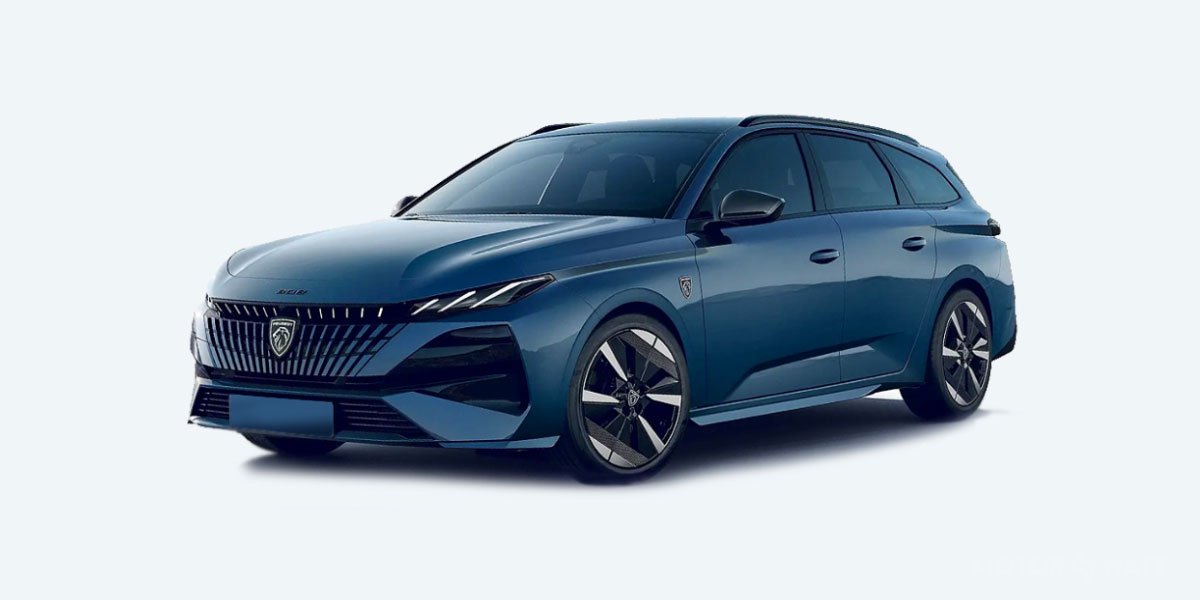
Exterior and Interior photos of Peugeot e-308 2026


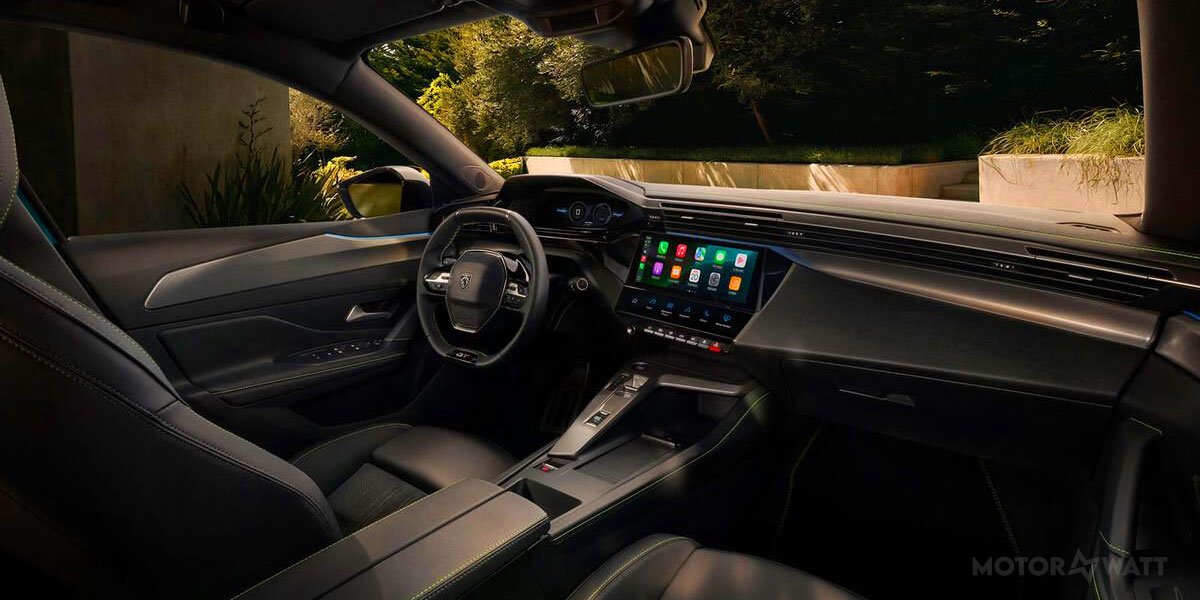
Peugeot e-308 2026 Review: Early Impressions & Tech Analysis
Peugeot e-308 — Price and Positioning
Peugeot e-308 steps into the C-segment with a sharpened look, a highly efficient motor, and a cabin built around the familiar i-Cockpit. Built in France, it targets drivers who want European style with real-world thrift. Orders begin in late 2025 with first arrivals in early 2026. Pricing starts at $48,500 (€42,050 / £37,040) and climbs with equipment. And the hook? A WLTP-aimed range that suits commuting and weekend detours.
- Manufacturing & unveiling: French-built on the EMP2 platform with autumn order books and early-2026 deliveries.
- Design brief: aerodynamic tuning, chrome-free trims, and details that favor efficiency over flash.
- Battery update: improved chemistry and thermal management for stronger efficiency.
- Starting price & market: positioned as a premium compact EV hatch with an upscale cabin at $48,500 (€42,050 / £37,040).
- Audience: daily commuting, family duty, and tech-forward shoppers who prize a premium interior and driver assistance suite.
Battery, Range and Performance:
Battery, Charging and Range
The pack targets low consumption thanks to careful aerodynamic tuning and tight thermal management. Usable capacity sits just under the gross figure, with an 11 kW AC onboard charger for home or workplace top-ups and fast charging capability for road trips. Expect a WLTP estimate around 281 miles (450 km), aided by multi-level regenerative braking. Plug & Charge streamlines payment, while vehicle-to-load lets you power gear up to 3.5 kW.
- Battery type: high-efficiency chemistry tuned for efficient drivetrain operation.
- Charging: 11 kW AC; 20–80% DC in roughly 32 minutes at a capable station.
- Range target: ~281 mi (450 km) WLTP estimate.
- Extras: Plug & Charge, V2L for camping, work sites, and events.
Performance Specifications
Front-axle traction defines the character, with front-wheel drive dynamics providing predictable grip in mixed weather. Output lands at 115 kW (156 hp) and 270 Nm (199 lb-ft), enough for 0–62 mph (0–100 km/h) in 9.8 seconds. Top speed is 106 mph (170 km/h). The steering wheel is compact, linking to the digital cockpit for a racy, high-cowl view. Three brake-regen levels and selectable drive modes tailor response for efficiency or snap.
- Power & torque: 115 kW / 156 hp; 270 Nm (199 lb-ft).
- Acceleration: 0–62 mph in 9.8 s.
- Top speed: 106 mph (170 km/h).
- Drive: FWD with tuned chassis balance.
Trim walk includes Allure, GT, and GT Premium. Pricing spans $48,500 (€42,050 / £37,040), $51,900 (€45,000 / £39,630), and $54,900 (€47,600 / £41,920), respectively, each layering equipment and aesthetics.
Exterior and Interior Features
Exterior
The body wears crisp surfacing with a low nose, clean grille work, and extended sills that visually plant the stance. Matrix-style lamps (on upper trims) add reach and precision, while the three-claw signature runs front and rear. Dimensions: 172.0 in (4,365 mm) length, 72.8 in (1,850 mm) width, and 57.7 in (1,465 mm) height, with a 105.5 in (2,680 mm) wheelbase. Drag-minded wheels and blacked details underscore the efficiency brief.
Interior
Inside, the Peugeot i-Cockpit pairs a raised 10-inch cluster with a compact wheel for a clear sightline. The 10-inch center display runs wireless CarPlay/Android Auto with over-the-air updates baked in. Configurable i-Toggles bring one-press access to climate, nav, and media. Storage remains family-friendly, and the boot swallows 12.7 cu ft (361 L). Upholstery and trim materials scale from durable cloth to Alcantara on higher grades.
Pros and Cons:
Pros
- French design with upscale materials and tidy packaging.
- WLTP efficiency focus that keeps energy draw low in everyday use.
- DC charging curve that moves briskly from 20–80% for road trips.
- Driver assistance suite and ergonomic digital cockpit.
- Useful vehicle-to-load power for tools and recreation.
Cons
- Acceleration that favors smoothness over fireworks.
- Cabin space competitive, though some rivals offer larger rear legroom.
- Fastest charging rates trail the class leaders with 800-V systems.
Prices depending on the trim and options:
| Allure (base) | $48,500 (€42,050 / £37,040) |
| GT | $51,900 (€45,000 / £39,630) |
| GT Premium | $54,900 (€47,600 / £41,920) |
Verdict:
The package lands right where compact EV shoppers live: usable range, quiet ride, and a cockpit that feels special. Highway manners stay settled, and city responses feel crisp thanks to instant torque. Pricing looks fair for the equipment and finish. If you want a tidy hatch that sips electrons, Peugeot e-308 makes a very rational case.
Watch the Video Overview


Full specifications
Model Specs
| Specification | Actual Data |
|---|---|
|
Model Name
|
Peugeot e-308
|
|
Model Year
|
2026
|
|
Country of Origin
|
France
|
|
Manufacturer
|
Peugeot
|
|
Body Type
|
Hatchback
|
|
Power Type
|
Battery Electric Vehicle (BEV)
|
Performance
| Specification | Actual Data |
|---|---|
|
Powertrain
|
Electric motor
|
|
Drive Type
|
FWD
|
|
Electric Motor Power
|
115 kW - 156 hp
|
|
Torque
|
270 Nm - 199 lb-ft
|
|
Maximum Speed
|
170 km/h - 106 mph
|
|
Acceleration 0-62 mph (0-100 km/h)
|
9.3 seconds - 9.8 seconds
|
Battery and Charging
| Specification | Actual Data |
|---|---|
|
Battery Capacity (Gross)
|
58.4 kWh
|
|
Battery Capacity (Usable)
|
55.4 kWh
|
|
Battery Type
|
Lithium-ion NMC
|
|
Battery Voltage
|
400 V
|
|
AC Charging
|
11 kW
|
|
DC Fast Charging
|
100 kW
|
|
Charging Time (20% to 80%)
|
Approximately 32 minutes (DC)
|
|
Vehicle-to-Load (V2L)
|
Up to 3.5 kW
|
|
Regenerative Braking
|
Multiple levels with paddles
|
Estimated Range Data
| Specification | Actual Data |
|---|---|
|
WLTP Range
|
450 km - 279 miles
|
|
Real-World Range Estimate
|
345 km (mixed conditions)
|
Body Specifications
| Specification | Actual Data |
|---|---|
|
Wheelbase
|
2680 mm - 105.5 inches
|
|
Length
|
4365 mm - 172.0 inches
|
|
Width
|
1850 mm - 72.8 inches
|
|
Height
|
1465 mm - 57.7 inches
|
|
Luggage Volume (seats up)
|
361 L - 12.7 cu ft
|
|
Curb Weight
|
Approximately 1680 kg - 3680 lb
|
Exterior Design Features
| Specification | Actual Data |
|---|---|
|
Aerodynamics
|
Aerodynamic front end, extended sills, low nose, drag-minded wheels
|
|
Lighting
|
Matrix-style lamps (upper trims), three-claw signature, illuminated Peugeot badge
|
|
Design Elements
|
Crisp surfacing, clean grille, blacked details, chrome-free trims
|
Interior Design and Materials
| Specification | Actual Data |
|---|---|
|
Seating Capacity
|
5 seats
|
|
Materials
|
Durable cloth to Alcantara on higher grades
|
Cabin Technical Features
| Specification | Actual Data |
|---|---|
|
Instrument Cluster
|
10-inch digital cluster
|
|
Center Display
|
10-inch touchscreen
|
|
Infotainment
|
Wireless Apple CarPlay and Android Auto, configurable i-Toggles, over-the-air updates
|
|
Driver Assistance
|
Lane support, adaptive cruise, parking aids
|
F.A.Q. about Peugeot e-308 2026
What is the usable battery capacity?
The pack sits just below the gross figure, optimized by thermal management for efficiency. It supports strong daily commuting and steady highway use in mild climates.
How far can it drive on a single charge?
Peugeot e-308 targets about 281 miles (450 km) on the WLTP cycle. Real-world results vary with temperature, terrain, and speed.
What is the top speed?
Expect about 106 mph (170 km/h). That ceiling aligns with the class focus on efficiency over autobahn storming.
How quick is the acceleration?
0–62 mph (0–100 km/h) lands near 9.8 seconds. Response feels instant at city speeds thanks to electric torque.
How much power and torque does the motor deliver?
Output is around 115 kW (156 hp) and 270 Nm (199 lb-ft). That balance favors smooth progress and low energy use.
How long does the battery charge?
At DC, plan roughly 20–80% in about 32 minutes under favorable conditions. At home, the 11 kW AC onboard charger pairs well with overnight charging.
What driver aids are included?
A modern driver assistance suite handles lane support, cruise features, and parking tools. It’s tuned for calm intervention rather than drama.
How big is the cargo area?
About 12.7 cu ft (361 L) with the rear seats up. That’s sized for weekly errands, school runs, and short trips.
What is the price?
Base Peugeot e-308 starts at $48,500 (€42,050 / £37,040). Upper trims list at $51,900 (€45,000 / £39,630) and $54,900 (€47,600 / £41,920).
Is there support for powering external devices?
Yes, vehicle-to-load capability can supply up to 3.5 kW. Useful for camping, tools, or emergency backup.