2026 Polestar 3: Price, Range, and Technical Specs
2026 Polestar 3 is a luxury midsize electric performance SUV with a 111 kWh battery, about 563 km (350 miles) of range, rear wheel drive and a 0 to 100 km per hour sprint near 7.5 seconds. Built in China with Scandinavian design, it targets premium EV shoppers seeking long range electric driving and advanced Google based car technology.


| Starting Price | $67,500 |
| Model Year | 2026 |
| Country of Manufacturing | China |
| Battery Size | 111 kWh |
| Official Range | 350 mi |
| Power | 299 hp |
* Minimum price set for the base trim by the manufacturerr, excluding taxes and additional options

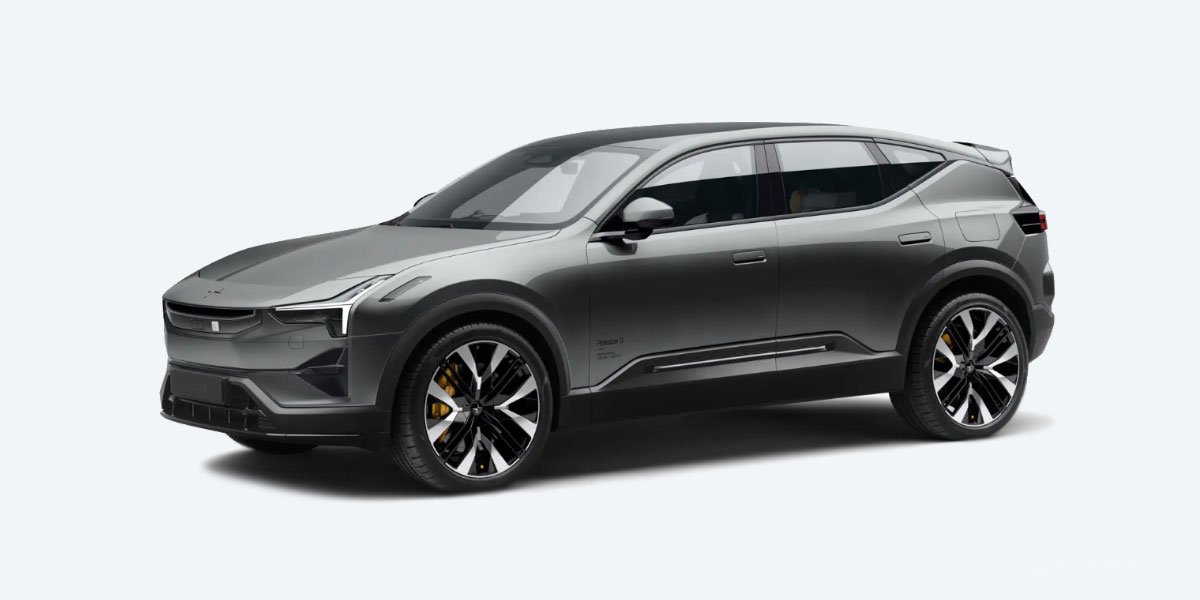
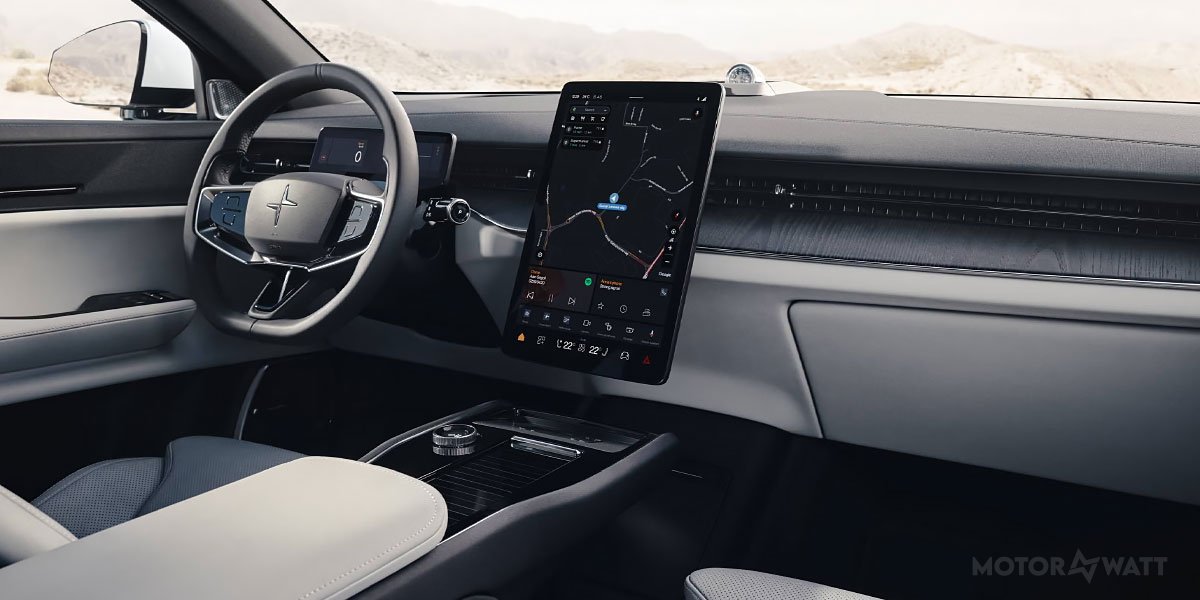
Exterior and Interior photos of 2026 Polestar 3


2026 Polestar 3 Review: Early Impressions & Tech Analysis
Polestar 3 2026 electric performance SUV overview
Polestar 3 2026 arrives in the luxury midsize electric SUV bracket aiming straight at drivers who want Scandinavian flair with real everyday range. The entry Long Range Single Motor setup targets long range electric driving rather than launch control theatrics, which fits the way most people actually drive up and down American freeways. Built in China for global markets with Swedish engineering oversight, it slots into the premium electric crossover crowd alongside German and Korean rivals. The cabin leans into sustainable cabin materials and Google based car technology, while the exterior follows a sharp aerodynamic SUV profile that cuts through the air instead of punching it. For shoppers tired of anonymous family haulers, Polestar 3 reads as a clean lined electric performance SUV that still handles family duty without drama.
- Manufacturing links Sweden, China and eventually the United States, which gives the electric SUV for families a truly global origin story and a clear premium intent.
- Market arrival is targeted for early 2026, so early adopters in the luxury midsize electric SUV space can plan deposits and garage reshuffles well ahead of time.
- Starting price lands at 67500 USD (58720 EUR, 51300 GBP), lining it up against Genesis, Audi and BMW rather than entry level crossovers.
- Design language focuses on Scandinavian minimalist design with a low slung roofline, front aero wing and rear aero blade shaping both appearance and stability.
- The package targets drivers who want premium electric crossover comfort, Android Automotive infotainment with deep Google integration and an efficient long distance cruiser in one garage bay.
Battery, Range and Performance:
Battery, Charging and Range
The Long Range Single Motor pack carries a sizeable 111 kWh gross battery, with an estimated 107 kWh usable window, aimed squarely at long range electric driving. Official range sits around 563 km, which translates to roughly 350 miles, giving West Coast owners confidence for Los Angeles to San Francisco runs without white knuckles. AC charging at 11 kW handles overnight top ups, roughly 11 hours from empty to full when plugged into a home wall box. Hit a high power DC charger rated around 250 kW and the pack can move from about 10 percent to 80 percent in roughly 30 minutes, a coffee and snack stop rather than a half day layover. Heat pump efficiency support helps hold range in colder climates, which matters for mountain commuters and anyone living where winter actually exists.
- Battery capacity around 111 kWh supports genuine long range electric driving without frequent charging interruptions.
- Estimated usable energy of about 107 kWh keeps the rear wheel drive EV efficient on highways and urban routes.
- Range near 563 km (about 350 miles) places the SUV among stronger contenders in its price tier.
- AC charging at 11 kW suits overnight home charging patterns in North America and Europe.
- fast DC charging capability at up to 250 kW trims road trip downtime when drivers hop between interstate fast chargers.
Performance Specifications
Under the floor sits a single rear mounted motor delivering about 220 kW, equal to 299 hp, and 490 Nm of torque, roughly 361 lb ft, to the back axle. That output sends the SUV from zero to 100 km per hour in around 7.5 seconds, translating closely to zero to 62 miles per hour for American spec testers. Top speed reaches 180 km per hour, about 112 miles per hour, which suits unrestricted European stretches and wide open Western highways. Rear wheel drive and a low mounted pack help the chassis feel planted, with steering weight modes that allow Light, Standard or Firm responses depending on driver mood. The regenerative braking system supports a confident one pedal driving mode for city traffic, feeding energy back into the pack whenever the driver eases off the accelerator.
- Power of 220 kW pairs with 490 Nm torque to create smooth yet confident acceleration for a family sized electric performance SUV.
- Zero to 100 km per hour in about 7.5 seconds feels brisk enough for freeway merges without forcing neck snapping launches.
- Top speed around 180 km per hour, roughly 112 miles per hour, covers most real world driving scenarios with ease.
- Rear wheel drive EV layout enhances steering feedback and classic driver focused balance.
- one pedal driving mode and a strong regenerative braking system adapt well to urban stop and go traffic.
Higher trims add extra motors and power for buyers who want more shove, with Long Range Dual Motor and an even sharper Performance Pack variant, each climbing in both power output and price above the entry configuration.
Exterior and Interior Features
Exterior design and presence
The body shape follows an aerodynamic SUV profile, with a relatively low height around 1618 mm, near 63.7 inches, stretched over a 4900 mm length, close to 192.9 inches, and a width just under 1968 mm, about 77.5 inches. A front aero wing molded into the leading edge of the hood and a rear aero blade spoiler work like small air managers, steadying the SUV at higher speeds while keeping efficiency in check. Flush door handles sit level with the bodywork for smoother airflow and a cleaner side view, helping the electric SUV for families stand out in mall parking rows full of chrome heavy rivals. Standard 20 inch Aero alloy wheels underline the electric performance SUV stance without screaming for attention. Color choices lean toward muted metallic and solid shades that match Scandinavian minimalist design rather than high contrast paint jobs.
Interior layout and technology
Inside, the cabin leans into luxury EV interior comfort with Bio attributed WeaveTech upholstery and a panoramic glass roof EV layout that floods the space with light. A 9 inch driver cluster delivers speed and navigation prompts directly ahead, while a 14.5 inch portrait touchscreen runs Android Automotive infotainment with Google based car technology baked in from the start. Native Google Maps routing, Google Assistant voice control and Google Play apps remove the need for phone based mirroring, which tidies the user experience and keeps the cabin focused. Four USB C ports, wireless charging and strong data connectivity create a rolling office or family lounge depending on the day. The rear cargo area offers about 484 liters, roughly 17.1 cubic feet, plus an extra 28 liters in the front compartment, near 1 cubic foot, enough for cables and smaller bags.
Pros and Cons:
Pros
- Long range electric driving range around 563 km, about 350 miles, rivals many luxury midsize electric SUV competitors.
- Scandinavian minimalist design and aerodynamic SUV profile give the bodywork a clean, modern stance in any driveway.
- Android Automotive infotainment and integrated Google based car technology simplify navigation, voice control and media use.
- Advanced driver assistance systems with a pilot assist safety pack strengthen long distance comfort and peace of mind.
- sustainable cabin materials and luxury EV interior comfort align with eco focused buyers who still want premium feel.
Cons
- Single motor layout remains more relaxed than performance tuned dual motor rivals when sprinting from stoplights.
- Pricing from 67500 USD (58720 EUR, 51300 GBP) moves it away from mainstream crossovers into higher tax bracket territory.
- Curb weight above 2400 kg, roughly 5290 pounds, means tight city streets and parking garages require some spatial awareness.
- Some drivers may prefer physical buttons rather than deep menu navigation within a large central touchscreen.
- Availability timing around early 2026 means shoppers wanting immediate delivery may need to wait or pick an in stock rival.
Prices depending on the trim and options:
The pricing ladder shows a clear walk from the Long Range Single Motor up through extra driven axles and sharper suspension kits, each step bringing more power and higher outlay for buyers chasing added performance.
- Long Range Single Motor base configuration, 67500 USD (58720 EUR, 51300 GBP).
- Long Range Dual Motor upgrade, 73400 USD (63860 EUR, 55780 GBP).
- Long Range Dual Motor with Performance Pack, 79400 USD (69080 EUR, 60340 GBP).
Summary: premium electric crossover for real drivers
In short, Polestar 3 steps into the luxury midsize electric SUV world as a confident rear wheel drive EV that favors range, refinement and clean Scandinavian lines over drag race theatrics. The big pack, strong range, and fast DC charging capability make it a confident highway partner from California coast trips to European autobahn stretches. Inside, Android Automotive infotainment, luxury EV interior comfort and sustainable cabin materials create an inviting place to commute or road trip. For buyers mapping out a premium electric crossover short list, the package lands squarely in the Polestar electric SUV lineup sweet spot between high efficiency and genuine driver enjoyment.
Watch the Video Overview


Full specifications
Model Specs
| Specification | Actual Data |
|---|---|
|
Model name
|
Polestar 3
|
|
Model Year
|
2026
|
|
Country of Origin
|
China (with Swedish engineering)
|
|
Manufacturer
|
Polestar
|
|
Body Type
|
SUV
|
|
Power Type
|
Full-electric
|
Performance
| Specification | Actual Data |
|---|---|
|
Powertrain
|
Single or dual electric motors
|
|
Drive Type
|
RWD or AWD
|
|
Peak Power Output
|
220 kW - 299 hp (Long Range Single Motor) or 360 kW - 489 hp (Long Range Dual Motor) or 380 kW - 517 hp (with Performance Pack)
|
|
Peak Torque
|
490 Nm - 361 lb ft (Single) or 620 Nm - 458 lb ft (Dual) or 671 Nm - 495 lb ft (Performance)
|
|
Maximum Speed
|
180 km/h - 112 mph (Single) or 210 km/h - 130 mph (Dual/Performance)
|
|
Acceleration 0-62 mph (0-100 km/h)
|
7.5 seconds (Single Motor) or 4.8 seconds (Dual Motor) or 4.5 seconds (Performance Pack)
|
Battery and Charging
| Specification | Actual Data |
|---|---|
|
Battery Capacity
|
111 kWh (107 kWh usable)
|
|
Battery Type
|
Lithium-ion
|
|
Fast Charging Rate
|
Up to 250 kW (DC)
|
|
Charging Time (10% to 80%)
|
30 minutes (DC)
|
|
AC Charging Power
|
11 kW
|
Estimated Range Data
| Specification | Actual Data |
|---|---|
|
EPA Range
|
Up to 350 miles - 563 km (Long Range Single Motor) or up to 315 miles - 507 km (Dual Motor) or up to 279 miles - 449 km (Performance Pack)
|
|
WLTP Range
|
Up to 563 km - 350 miles
|
Body Specifications
| Specification | Actual Data |
|---|---|
|
Length
|
4900 mm - 192.9 inches
|
|
Width
|
1968 mm - 77.5 inches
|
|
Height
|
1618 mm - 63.7 inches
|
|
Wheelbase
|
2985 mm - 117.5 inches
|
|
Curb Weight
|
Above 2400 kg - Above 5291 lbs
|
Exterior Design Features
| Specification | Actual Data |
|---|---|
|
Active Aerodynamics
|
Front aero wing and rear aero blade spoiler
|
|
Wheels
|
Standard 20 inch Aero alloy wheels
|
|
Other
|
Flush door handles
|
Interior Design and Materials
| Specification | Actual Data |
|---|---|
|
Seating Capacity
|
5
|
|
Materials
|
Bio-attributed WeaveTech upholstery
|
|
Cargo Volume
|
484 liters - 17.1 cubic feet (rear) plus 28 liters - 1 cubic foot (frunk)
|
|
Other
|
Panoramic glass roof
|
Cabin Technical Features
| Specification | Actual Data |
|---|---|
|
Displays
|
9 inch driver display and 14.5 inch portrait central touchscreen
|
|
Infotainment
|
Android Automotive OS with Google Maps, Google Assistant, Google Play apps
|
|
Drive Assistants
|
Regenerative braking with one-pedal driving, steering modes (Light, Standard, Firm)
|
|
Other
|
Four USB-C ports, wireless charging
|
F.A.Q. about 2026 Polestar 3
What kind of battery capacity and range are offered?
The pack carries around 111 kWh with an estimated usable slice near 107 kWh. In real driving, Polestar 3 delivers roughly 563 km of range, about 350 miles, when driven at moderate highway speeds.
How quick is acceleration from a standstill?
The single motor setup reaches zero to 100 km per hour in about 7.5 seconds, which aligns closely with zero to 62 miles per hour. That pace feels energetic enough for highway on ramps and overtakes without feeling frantic in daily traffic.
What is the top speed and how does it translate for American roads?
Top speed reaches about 180 km per hour, around 112 miles per hour. That ceiling sits comfortably above typical freeway limits while leaving a margin for unrestricted European stretches.
How long does home and fast charging usually take?
On an 11 kW AC wall box, a full charge from empty takes roughly 11 hours, ideal for overnight charging. At a 250 kW DC fast charger, drivers can expect roughly 30 minutes for a move from about 10 percent to 80 percent charge.
What are the main performance and handling characteristics?
The rear wheel drive layout and low slung battery pack keep the chassis stable through bends and lane changes. Steering weight modes from Light to Firm, along with strong regenerative braking, make the SUV feel tailored to both urban and highway use.
How spacious is the cabin and cargo area?
Length around 4900 mm, close to 192.9 inches, and a wheelbase near 2985 mm, about 117.5 inches, support generous passenger space. Cargo volume sits near 484 liters, roughly 17.1 cubic feet, in the rear plus a small front compartment for cables and small bags.
What is the approximate price in different currencies?
The base Long Range Single Motor Polestar 3 starts near 67500 USD, which equals about 58720 EUR and 51300 GBP using current rates. Higher trims climb above that figure as power and equipment increase.
How suitable is the range for daily driving and road trips?
With around 563 km of range, roughly 350 miles, Polestar 3 handles weekly commuting and weekend highway trips without frequent charging stops. One pedal driving and efficient energy recovery further help stretch distance between plugs.