Rivian R2 2026: Price, Range, and Technical Specs
The Rivian R2 is a mid-size electric SUV built in the United States for the 2026 model year. It features a 94 kWh battery, delivers up to 483 km or 300 miles of range, produces 303 horsepower, accelerates to 100 km per hour in 6.0 seconds, and starts at $45,000 USD (€38,700). Designed for daily driving and outdoor use, it combines modular interior space with fast charging capability.


| Starting Price | $45,000 |
| Model Year | 2026 |
| Country of Manufacturing | USA |
| Battery Size | 94 kWh |
| Official Range | 300 mi |
| Power | 303 hp |
* Minimum price set for the base trim by the manufacturerr, excluding taxes and additional options

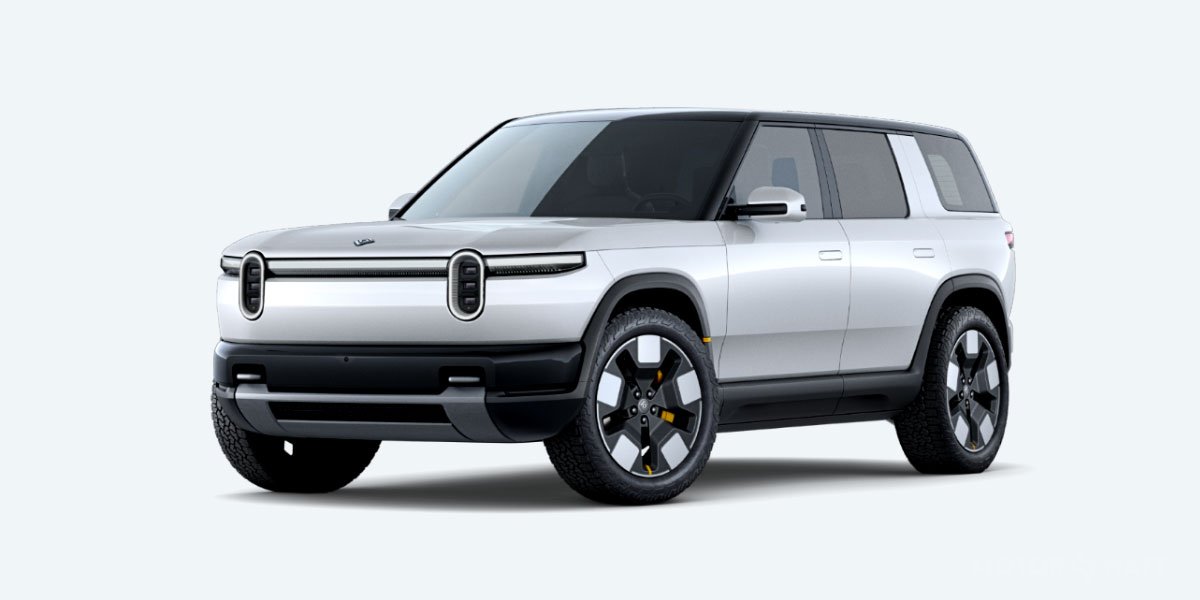
Exterior and Interior photos of Rivian R2 2026


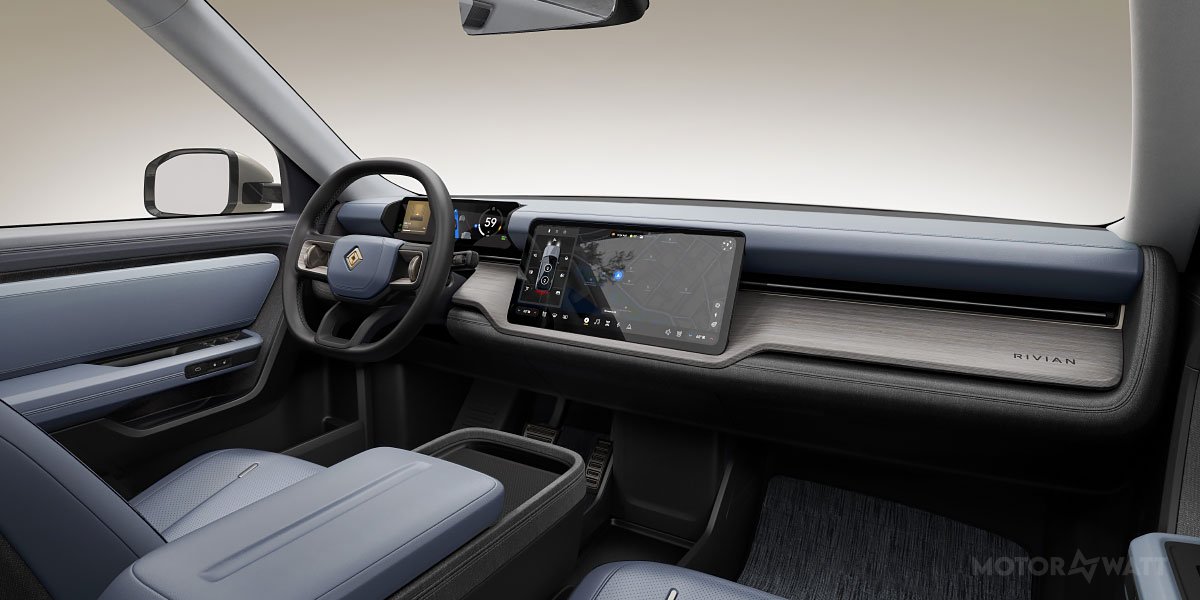
Rivian R2 2026 Review: Early Impressions & Tech Analysis
Rivian R2 2026 Introduction:
Rivian R2 arrives as a calculated move by an American automaker aiming straight at the center of the electric SUV market. Built in the United States and scheduled for showroom floors in early 2026, the vehicle targets drivers who want everyday usability without surrendering outdoor credibility. Think of it as a scaled approach to adventure, wrapped in a cleaner footprint and a friendlier price bracket. The design carries familiar cues, while the engineering pivots toward efficiency, software control, and practical interior packaging. With a starting price of $45,000 USD (€38,700), positioning feels deliberate, competitive, and grounded in real-world budgets.
- Manufacturing roots remain domestic, reinforcing quality control and supply stability.
- Public unveiling aligns with Rivian’s broader shift toward volume-focused electric vehicles.
- Platform strategy introduces a new mid-size architecture optimized for daily driving.
- Market placement sits below flagship models while retaining brand DNA.
- Entry pricing lowers the barrier for first-time electric SUV buyers.
What is the Price of Rivian R2 in 2026?
The Rivian R2 price starts at $45,000 USD (€38,700). That figure places it squarely in the high-volume electric SUV category, aimed at buyers cross-shopping mainstream electric crossovers with a taste for outdoor functionality. Rivian uses value-focused standard equipment to support long-term ownership appeal.
| Trim Level | PRICE | KEY FEATURES |
|---|---|---|
|
Single Motor RWD
|
Rear wheel drive layout, 303 hp output, estimated 300 miles or 483 km of range, 94 kWh battery, fast DC charging up to 80 percent in under half an hour, and a utility focused interior.
|
|
|
Dual Motor AWD
|
All wheel drive traction, added motor for improved acceleration and trail confidence, higher towing capacity, and refined traction management software.
|
|
|
Tri Motor AWD
|
Performance oriented configuration, three motor layout, enhanced power delivery, quicker acceleration, upgraded suspension tuning, and premium interior touches.
|
Each trim follows the same design philosophy, prioritizing usable range, charging efficiency, and modular interior space rather than headline chasing numbers.
Engine, Battery, and Performance Specs:
Battery & Charging Specifications
The battery system anchors the driving experience. A 94 kWh pack delivers an estimated 483 km or about 300 miles of driving range, translating well for mixed highway and urban use. DC fast charging restores 10 to 80 percent in roughly 28 minutes, while AC home charging reaches full capacity in about nine hours. Thermal management supports consistent performance across temperature swings.
- Battery capacity 94 kWh
- WLTP range 483 km or 300 miles
- DC fast charge 10 to 80 percent in 28 minutes
- AC charge full cycle about 9 hours
Electric Motor Specifications
A single rear-mounted electric motor produces 303 horsepower or roughly 226 kW. Torque delivery remains immediate, ideal for city traffic and highway merges. The rear wheel drive layout favors efficiency and predictable handling, especially under steady cruising conditions.
- Single motor configuration
- Power output 303 hp or 226 kW
- Drive type rear wheel drive
- Structural battery integration
Performance Specifications
Acceleration reaches 100 km per hour or 62 mph in about 6.0 seconds. Top speed stands at 201 km per hour or 125 mph. Regenerative braking supports one pedal driving, adjustable through software for driver preference.
- 0 to 100 km per hour in 6.0 seconds
- Top speed 201 km per hour
- Adjustable regenerative braking
For buyers, the balance favors usable speed, steady efficiency, and predictable road manners over theatrical acceleration.
Exterior and Interior Features
Exterior Design
Exterior proportions favor function. A two box SUV silhouette maximizes interior volume while preserving approach angles. Signature vertical lighting elements and a clean front fascia reduce drag. Ground clearance measures about 250 mm or nearly 9.8 inches, supporting trail access. Twenty inch wheels with aerodynamic inserts reduce turbulence and energy loss.
Interior & Technology
Inside, the cabin favors durability and modularity. A 15.6 inch central display manages vehicle systems, paired with a 12.3 inch driver display. Seating surfaces use vegan materials designed for abrasion resistance. Both rows fold flat, creating a full length sleeping platform. Storage solutions focus on depth and accessibility rather than ornamentation.
The overall layout rewards owners who value space efficiency, easy cleaning, and long term wear resistance.
Pros and Cons:
Pros
- Competitive entry pricing for an American electric SUV
- Flat folding seats support camping and cargo use
- Fast charging capability improves road trip planning
- Software updates extend vehicle relevance
Cons
- Rear wheel drive base model limits traction in snow
- Charging network reliance varies by region
- Interior design favors utility over luxury appeal
Market position & Expert Data:
The electric SUV segment continues expanding through 2026, driven by consumer demand for versatile family vehicles. According to McKinsey research, midsize electric SUVs represent over 35 percent of new EV demand in North America during 2025. That trend supports Rivian’s move toward accessible volume models.
Industry analyst Sam Abuelsamid of Guidehouse Insights notes that vehicles combining outdoor capability with mainstream pricing show higher retention rates among first time EV buyers. Data from 2026 surveys indicates range expectations around 300 miles or 483 km align with daily usage patterns for over 80 percent of owners.
Summary:
The Rivian R2 brings a pragmatic take on electric adventure. Pricing stays realistic, range supports everyday travel, and interior flexibility favors active lifestyles. For buyers seeking an American built electric SUV with clear priorities, the package feels thoughtfully engineered and timely.
Watch the Video Overview


Full specifications
Model Specs
| Specification | Actual Data |
|---|---|
|
Model
|
Rivian R2
|
|
Model Year
|
2026
|
|
Body Type
|
SUV, 5 door
|
|
Manufacturer
|
Rivian Automotive
|
|
Country of Origin
|
USA
|
|
Power Type
|
Full electric
|
Performance
| Specification | Actual Data |
|---|---|
|
Powertrain
|
Single motor electric drive
|
|
Drive Type
|
RWD
|
|
Power Output
|
303 hp (226 kW)
|
|
Torque
|
400 Nm (295 lb ft)
|
|
0 to 62 mph (0 to 100 km h)
|
6.0 sec
|
|
Top Speed
|
201 km h (125 mph)
|
Battery and Charging
| Specification | Actual Data |
|---|---|
|
Battery Capacity
|
94 kWh
|
|
Nominal Voltage
|
Not disclosed
|
|
Fast Charging Rate
|
Not disclosed
|
|
Charging Time DC (10 to 80 percent)
|
About 28 minutes
|
|
Charging Time AC (0 to 100 percent)
|
About 9 hours
|
Estimated Range Data
| Specification | Actual Data |
|---|---|
|
WLTP Range
|
483 km (300 miles)
|
|
EPA Range
|
Not announced
|
|
City Range
|
Not announced
|
|
Highway Range
|
Not announced
|
|
Cold Weather Range
|
Not announced
|
Body Specifications
| Specification | Actual Data |
|---|---|
|
Wheelbase
|
2,935 mm (115.6 in)
|
|
Length
|
4,715 mm (185.6 in)
|
|
Width
|
1,905 mm (75.0 in)
|
|
Height
|
1,700 mm (66.9 in)
|
|
Ground Clearance
|
250 mm (9.8 in)
|
|
Curb Weight
|
2,150 kg (4,740 lb)
|
|
Cargo Capacity
|
550 L (19.4 cu ft)
|
Exterior Design Features
| Specification | Actual Data |
|---|---|
|
Signature Lighting
|
Vertical stadium headlights with horizontal light bars
|
|
Front Fascia
|
Closed off grille style for lower drag
|
|
Wheel Size
|
20 in (508 mm) alloys with aero inserts
|
|
Glass Utility
|
Retractable rear liftgate window for long cargo
|
|
Available Colors
|
Forest Green, Limestone, Rivian Blue
|
Interior Design and Materials
| Specification | Actual Data |
|---|---|
|
Seat Upholstery
|
Vegan leather style material, wipe clean focus
|
|
Flooring
|
Recycled material flooring, rugged finish
|
|
Seating Flexibility
|
Front and rear seats fold flat for sleeping platform
|
|
Storage
|
Two gloveboxes, deep door pockets with tensioners
|
Cabin Technical Features
| Specification | Actual Data |
|---|---|
|
Center Display
|
15.6 in (39.6 cm) touchscreen
|
|
Driver Display
|
12.3 in (31.2 cm) digital cluster
|
|
Connectivity
|
Integrated 5G modem, over the air updates
|
|
Driving Modes
|
All Purpose mode, Tow mode, efficiency oriented tuning
|
|
Regenerative Braking
|
Adjustable, supports one pedal driving
|
|
Driver Assistance
|
Sensor suite integrated into front fascia, software managed aids
|
F.A.Q. about Rivian R2 2026
What is the real world driving range of the Rivian R2?
The Rivian R2 delivers an estimated real world range close to 300 miles or 483 km per charge, depending on driving style, weather, and terrain.
- City driving favors higher efficiency
- Highway speeds reduce total range slightly
- Cold weather impacts battery performance
How long does it take to charge the Rivian R2 battery?
Charging time varies by power source and setup.
- DC fast charging reaches 10 to 80 percent in about 28 minutes
- AC home charging completes a full charge in roughly 9 hours
Is the Rivian R2 suitable for long distance travel?
The Rivian R2 supports long trips through fast charging capability, highway range near 300 miles, and built in route planning optimized for charging stops.
How does the Rivian R2 perform in cold climates?
Cold temperatures reduce range, but thermal battery management and preconditioning help maintain consistent winter performance.
Can the Rivian R2 be charged at home?
The Rivian R2 supports standard Level 2 home charging using an installed wallbox, making overnight charging practical for daily driving.
What maintenance does the Rivian R2 require?
Maintenance remains minimal compared to gasoline SUVs, focusing on tire rotation, brake inspection, and software updates delivered over the air.
What environmental benefits does the Rivian R2 offer?
The Rivian R2 produces zero tailpipe emissions, uses recycled interior materials, and supports renewable energy charging at home or public stations.
Is the Rivian R2 available for purchase in the USA and Europe?
The Rivian R2 launches first in the United States in early 2026, with European availability expected to follow as production scales.
How safe is the Rivian R2 for families?
The Rivian R2 uses a rigid battery structure, advanced driver assistance systems, and a low center of gravity to enhance crash safety.