Toyota bZ4X Touring 2026: Price, Range, and Technical Specs
Toyota bZ4X Touring is a mid size electric SUV built in Japan for the 2026 model year. It uses a 57.7 kWh battery delivering about 444 km or 276 miles of range. The front electric motor produces 168 hp and reaches 160 kmh top speed. Fast charging reaches 150 kW, allowing 10 percent to 80 percent recharge in about 28 minutes. Starting price is about $34,900, placing it among affordable electric family SUVs.


| Starting Price | $34,900 |
| Model Year | 2026 |
| Country of Manufacturing | Japan |
| Battery Size | 57.7 kWh |
| Official Range | 276 mi |
| Power | 168 hp |
* Minimum price set for the base trim by the manufacturerr, excluding taxes and additional options

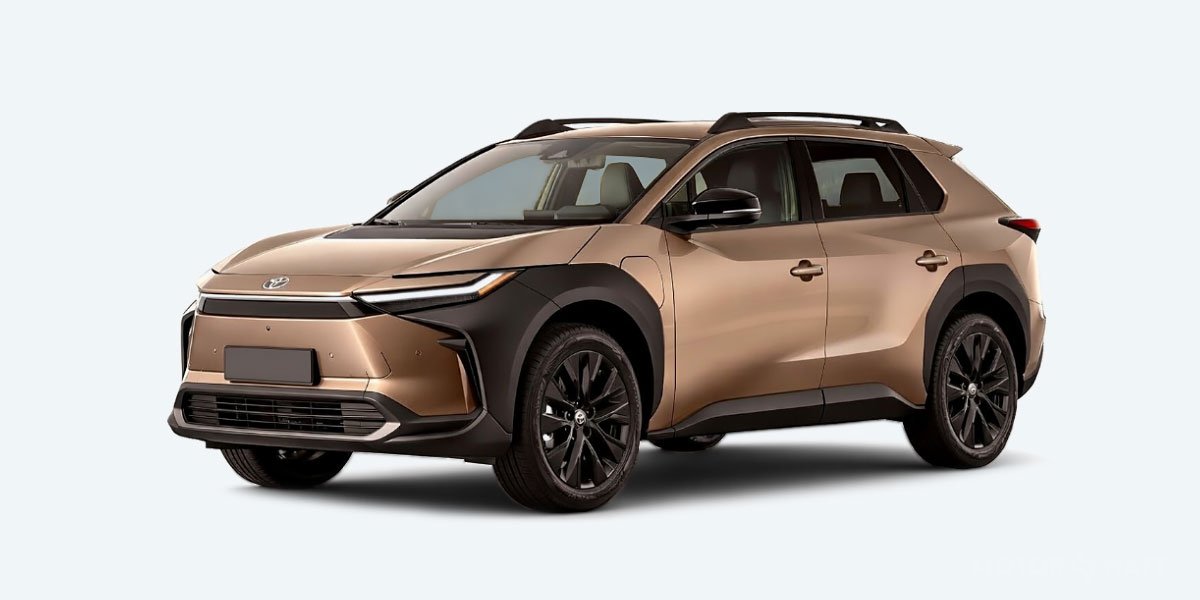
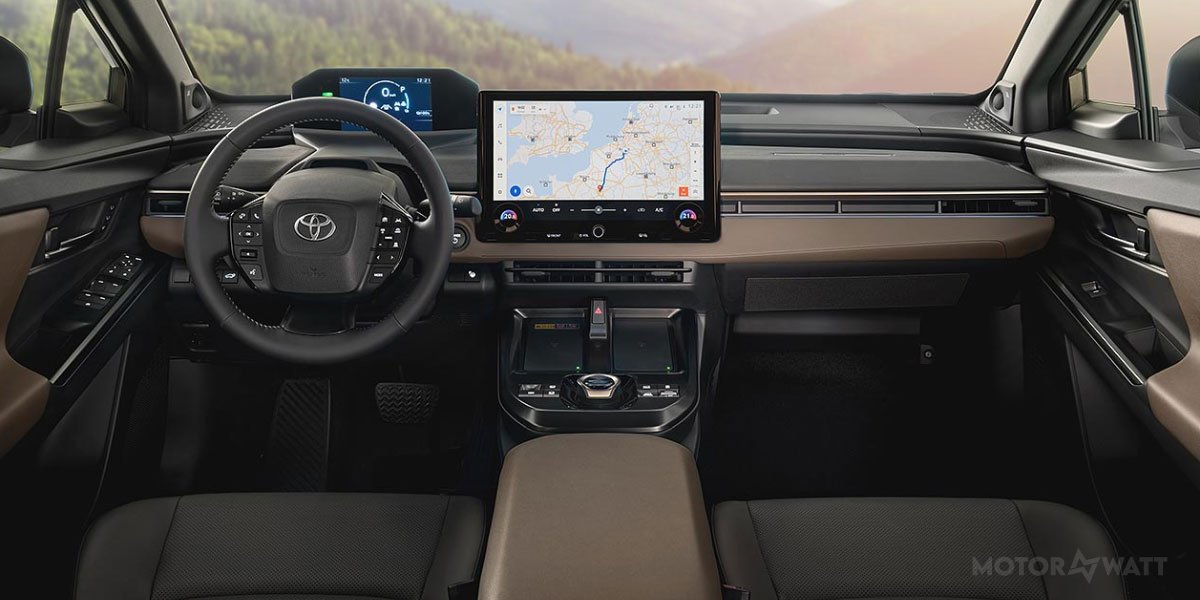
Exterior and Interior photos of Toyota bZ4X Touring 2026


Toyota bZ4X Touring 2026 Review: Early Impressions & Tech Analysis
Toyota bZ4X Touring 2026 Introduction:
Toyota bZ4X Touring arrives as a mid size electric SUV designed for daily usability and long distance comfort. It targets drivers shifting toward electric mid size SUV ownership while seeking predictable operating costs. The model sits inside the Japanese electric crossover segment and focuses on efficiency and stability. Key highlights include a 57.7 kWh battery, 444 km range, and front wheel electric traction. Pricing starts at $34,900 USD ($29,665 EUR), placing it inside the accessible affordable electric SUV 2026 bracket. Buyers gain modern infotainment, strong safety equipment, and practical cargo capacity. The vehicle speaks directly to families and urban commuters entering EV ownership.
- Manufacturing story: Developed in Japan under Toyota global electric transition program using e TNGA architecture.
- Unveiling timeline: Introduced during late 2025 rollout targeting 2026 model year buyers.
- Key update: New 57.7 kWh battery improves entry pricing and charging refinement.
- Starting price: $34,900 USD ($29,665 EUR) positions it as an entry gateway EV SUV.
- Market role: Designed as reliable electric family SUV with balanced range and technology.
What is the Price of Toyota bZ4X Touring in 2026?
The base trim starts at $34,900 USD ($29,665 EUR). Pricing places it inside the mainstream electric crossover category while delivering strong standard equipment and advanced driver safety.
| Trim Level | PRICE | KEY FEATURES |
|---|---|---|
|
XLE FWD 57.7 kWh
|
168 hp front motor. 444 km range. 150 kW DC charging. 14 inch infotainment. Safety Sense 3.0 driver assistance.
|
|
|
XLE FWD Plus 74.7 kWh
|
Larger battery for extended driving distance. Enhanced highway efficiency. Improved long trip practicality.
|
|
|
XLE AWD 74.7 kWh
|
Dual motor traction. Stronger winter traction. Improved launch acceleration and stability.
|
|
|
Limited AWD
|
Premium interior materials. Advanced digital display options. Larger wheel choices and styling upgrades.
|
Trim strategy focuses on battery size and drivetrain layout. Entry versions prioritize efficiency and price accessibility. Higher trims target cold weather traction and premium cabin refinement. Battery size upgrades extend highway usability. AWD versions improve torque delivery and corner stability. Equipment increases gradually across trims while maintaining strong standard safety coverage.
Engine, Battery, and Performance Specs:
Battery & Charging Specifications
The battery stores 57.7 kWh of usable energy and supports daily commuting plus weekend travel. WLTP testing indicates 444 km or about 276 miles per charge. Real world driving usually delivers 240 to 260 miles depending on weather and driving style. AC charging runs at 11 kW and completes full recharge in roughly 6 hours. DC fast charging peaks at 150 kW and reaches 10 percent to 80 percent in about 28 minutes. Heat pump technology maintains winter efficiency and preserves usable range during cold operation.
- Battery capacity: 57.7 kWh
- Range: 444 km (276 miles)
- AC charging: 11 kW about 6 hours full charge
- DC charging: 150 kW about 28 minutes 10 to 80 percent
Electric Motor Specifications
A single front mounted motor produces 168 horsepower or 125 kW. Torque reaches 268 Nm or 198 lb ft. Front wheel drive configuration improves efficiency and reduces mechanical complexity. Instant torque delivery provides quick city acceleration and confident highway merging. Motor control software balances traction and energy efficiency. Regenerative braking paddles allow drivers to tune energy recovery intensity during deceleration.
- Motor power: 168 hp (125 kW)
- Torque: 268 Nm (198 lb ft)
- Drive system: Front wheel electric drive
Performance Specifications
Acceleration from 0 to 100 kmh requires about 7.5 seconds. That equals about 0 to 62 mph in 7.5 seconds. Top speed reaches 160 kmh or about 99 mph. Suspension tuning focuses on ride comfort and highway stability. Low center of gravity from battery placement improves corner balance and highway confidence. Snow drive mode improves traction during slippery winter driving.
- 0 to 100 kmh: 7.5 seconds
- Top speed: 160 kmh (99 mph)
- Platform: e TNGA electric architecture
Drivers gain predictable handling and efficient energy use. City driving feels smooth and quiet. Highway cruising stays stable and composed. Maintenance requirements remain low compared with combustion SUVs. Daily usability stays strong for family driving.
Exterior and Interior Features
Exterior Design
The exterior uses a hammerhead front styling theme that improves airflow and visual width. The grille less nose improves aerodynamic drag efficiency. Bi LED headlights integrate daytime running lights and turn signals. The body measures 4690 mm length or 184.6 inches. Width reaches 1860 mm or 73.2 inches. Height measures 1650 mm or 65 inches. Wheelbase extends to 2850 mm or 112.2 inches, improving cabin space. Standard wheels measure 18 inches with aerodynamic covers designed to improve range. Color choices include Wind Chill Pearl and Supersonic Red plus metallic tones.
Interior & Technology
The cabin centers around a 14 inch infotainment display with wireless smartphone integration. Driver information appears on a 7 inch digital display positioned above the steering wheel line. Seating materials combine fabric and SofTex synthetic surfaces. Heated front seats improve cold weather comfort. Driver seat includes power adjustment and lumbar support. Cargo capacity reaches 784 liters or 27.7 cubic feet. Safety suite includes collision prevention, lane assist, and adaptive cruise control. Dual wireless charging pads and USB C ports support modern device charging needs.
Interior layout supports daily usability and long road trips. Cargo area supports family luggage and outdoor gear. Seating remains comfortable during long highway drives. Technology interface feels intuitive for new EV drivers.
Pros and Cons:
Pros
- Competitive entry EV SUV pricing
- Strong safety system included standard
- Efficient heat pump climate system
- Large infotainment display standard
- Comfort focused suspension tuning
Cons
- Lower peak power versus some rivals
- FWD layout limits performance driving feel
- Range lower than long range battery versions
Market position & Expert Data:
Market research during 2025 shows electric SUVs dominate global EV demand. According to Reuters, electric SUV demand reached nearly 52 percent of global EV sales. Research shows mid priced EV crossovers attract first time electric buyers in North America and Europe. Data reveals price segments between $30,000 and $45,000 show fastest adoption growth.
According to McKinsey, reliability reputation and service network influence about 41 percent of EV purchase decisions. Reports from Harvard Business Review show brand trust strongly impacts technology adoption across automotive sectors. Electric crossovers continue expanding faster than electric sedans in U.S. markets during 2025 and 2026.
Summary:
The 2026 model provides a balanced entry into electric SUV ownership. Buyers gain strong safety technology, predictable range, and practical cargo utility. Pricing stays competitive against mainstream electric crossovers. Efficiency and comfort support daily commuting and family travel. Technology integration supports modern connected lifestyles.
Watch the Video Overview


Full specifications
Model Specs
| Specification | Actual Data |
|---|---|
|
Model Name
|
bZ4X Touring
|
|
Model Year
|
2026
|
|
Manufacturer
|
Toyota Motor Corporation
|
|
Country of Origin
|
Japan
|
|
Vehicle Class
|
Mid size electric SUV
|
Performance Specifications
| Specification | Actual Data |
|---|---|
|
Power Type
|
Full Electric
|
|
Drive Type
|
Front Wheel Drive
|
|
Power Output
|
168 hp (125 kW)
|
|
Torque
|
268 Nm (198 lb ft)
|
|
Acceleration 0 to 62 mph
|
7.5 sec (0 to 100 kmh)
|
|
Top Speed
|
99 mph (160 kmh)
|
Battery and Charging
| Specification | Actual Data |
|---|---|
|
Battery Capacity
|
57.7 kWh
|
|
AC Charging Rate
|
11 kW
|
|
AC Charging Time
|
About 6 hours (0 to 100 percent)
|
|
DC Fast Charging
|
150 kW peak
|
|
DC Charging Time
|
About 28 minutes (10 to 80 percent)
|
Estimated Range Data
| Specification | Actual Data |
|---|---|
|
WLTP Range
|
276 miles (444 km)
|
|
Real World Mixed Range
|
240 to 260 miles (386 to 418 km)
|
Body Specifications
| Specification | Actual Data |
|---|---|
|
Length
|
184.6 in (4690 mm)
|
|
Width
|
73.2 in (1860 mm)
|
|
Height
|
65 in (1650 mm)
|
|
Wheelbase
|
112.2 in (2850 mm)
|
|
Curb Weight
|
4056 lb (1840 kg)
|
|
Cargo Capacity
|
27.7 cu ft (784 L)
|
Exterior Design Features
| Specification | Actual Data |
|---|---|
|
Headlights
|
Bi LED projector headlights with LED DRL
|
|
Wheel Size
|
18 inch alloy wheels with aero covers
|
|
Exterior Colors
|
Wind Chill Pearl, Elemental Silver Metallic, Heavy Metal, Supersonic Red
|
Interior Design and Materials
| Specification | Actual Data |
|---|---|
|
Seat Materials
|
Fabric and SofTex synthetic leather
|
|
Seat Functions
|
Heated front seats, power driver seat with lumbar
|
|
Climate System
|
Dual zone automatic climate control with heat pump
|
Cabin Technical Features
| Specification | Actual Data |
|---|---|
|
Main Display
|
14 inch infotainment touchscreen
|
|
Driver Display
|
7 inch multi information display
|
|
Connectivity
|
Wireless smartphone integration, dual wireless charging, USB C ports
|
|
Safety Systems
|
Toyota Safety Sense 3.0 driver assistance suite
|
F.A.Q. about Toyota bZ4X Touring 2026
What is the real driving distance for an electric mid size SUV in daily mixed conditions?
Toyota bZ4X Touring typically delivers about 240 to 260 miles (386 to 418 km) in mixed real world driving, while WLTP rating reaches 276 miles (444 km).
- WLTP range: 276 miles (444 km)
- Mixed real world: 240 to 260 miles (386 to 418 km)
- Cold weather: Expect lower distance, heat pump helps
What battery capacity supports daily commuting and weekend trips?
Toyota bZ4X Touring uses a 57.7 kWh battery pack, sized for efficient commuting plus practical weekend driving without constant charging stops.
- Battery capacity: 57.7 kWh
- Efficiency aid: Heat pump climate system
How long does charging take at home and on DC fast charging?
Home AC charging at 11 kW takes about 6 hours for a full charge, while DC fast charging at up to 150 kW reaches 10 to 80 percent in about 28 minutes.
- AC home charging: 11 kW about 6 hours (0 to 100 percent)
- DC fast charging: 150 kW about 28 minutes (10 to 80 percent)
What is the starting price in the USA for the entry electric SUV trim?
Toyota bZ4X Touring starts at $34,900 in the USA, placing it among accessible electric SUV options for buyers entering the EV market.
Is this electric crossover available for purchase in the USA, Germany, and the UK?
bZ4X Touring status varies by region, with Germany showing retail availability while the USA and UK align to announced rollout timing.
- Germany: Available for purchase
- USA: Announced but not yet on sale
- UK: Announced but not yet on sale
How quick is acceleration and what is the top speed?
Acceleration reaches 0 to 62 mph in about 7.5 seconds, and top speed hits 99 mph (160 km/h), which suits highway travel and daily merging.
- 0 to 62 mph: 7.5 sec (0 to 100 km/h)
- Top speed: 99 mph (160 km/h)
What power and torque does the front motor produce?
The front motor produces 168 hp (125 kW) and 268 Nm (198 lb ft) of torque, delivering smooth city response and confident highway passing.
- Power: 168 hp (125 kW)
- Torque: 268 Nm (198 lb ft)
How much cargo space and overall size does a practical electric crossover offer?
Cargo capacity reaches 27.7 cu ft (784 L), while exterior dimensions measure 184.6 in long (4,690 mm) with a 112.2 in wheelbase (2,850 mm) for stable family SUV packaging.
- Cargo volume: 27.7 cu ft (784 L)
- Length: 184.6 in (4,690 mm)
- Wheelbase: 112.2 in (2,850 mm)
Are electric SUVs suitable for cold climates in the Midwest and Northern Europe?
Cold weather reduces range, yet heat pump climate control and traction focused drive modes help maintain predictable winter usability for daily commuting.
- Efficiency tool: Heat pump climate system
- Traction support: Snow drive mode
- Practical tip: Precondition cabin while plugged in