Toyota Mirai 2024: Price, Range, and Technical Specs
Toyota Mirai 2024 combines hydrogen and oxygen to generate power, offering 402 miles on a single charge. This sleek sedan stands out with 182 hp and a luxurious cabin. With refueling in just five minutes, it’s an eco-friendly marvel exclusive to California.


| Starting Price | $50,190 |
| Model Year | 2024 |
| Country of Manufacturing | Japan |
| Battery Size | 1.24 kWh |
| Official Range | 402 mi |
| Power | 182 hp |
* Minimum price set for the base trim by the manufacturerr, excluding taxes and additional options

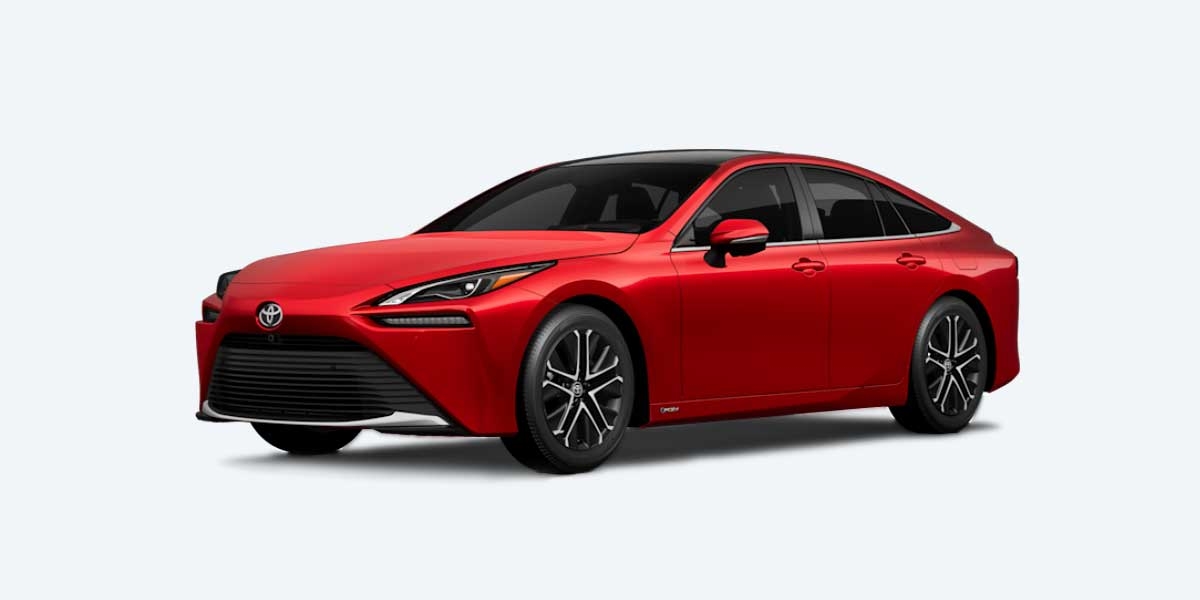
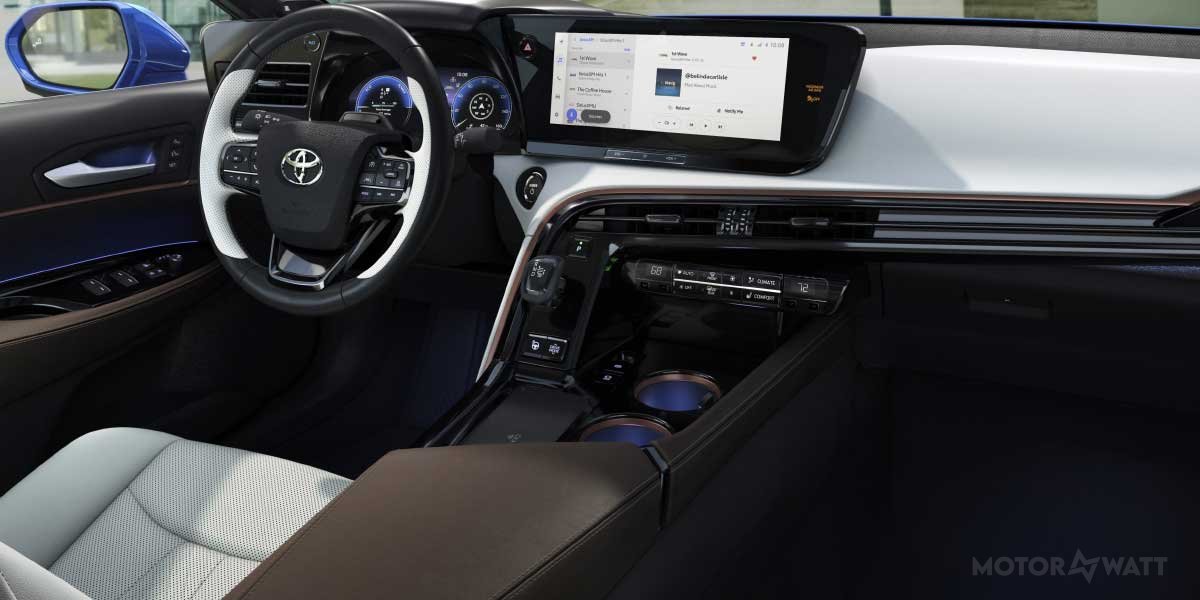
Exterior and Interior photos of Toyota Mirai 2024


Toyota Mirai 2024 Review: Early Impressions & Tech Analysis
Toyota Mirai 2024: A Masterpiece of Hydrogen Power
The Toyota Mirai 2024 represents a significant leap in hydrogen fuel-cell technology. As one of the few vehicles to surpass 400 miles per charge, it sets a high bar for sustainable driving. Competing against the likes of the Hyundai Nexo, the Mirai offers exclusivity as it is only available in southern California where hydrogen refueling stations are located.
Mirai Price and Models
The Toyota Mirai 2024 comes in two trim levels: the XLE, starting at $50,455 (€47,800 / £41,500), and the Limited, at $66,955 (€63,500 / £55,100). While the price may seem steep, the Mirai includes up to $15,000 worth of free hydrogen, making it a competitively priced luxury hydrogen vehicle.
Top Electric Range
One of the Mirai's standout features is its range. The XLE model can travel up to 402 miles (647 kilometers) on a full hydrogen tank. For the Limited model, this decreases slightly to 357 miles (575 kilometers). This impressive range ensures that the Mirai holds its own among top-tier electric vehicles despite the nascent hydrogen infrastructure.
Driving Performance
Powered by a synchronous AC motor, the Toyota Mirai 2024 delivers 182 horsepower and 221 lb-ft (300 Nm) of torque. The rear-wheel-drive sedan takes about 9.1 seconds to accelerate from 0 to 60 mph (0 to 100 km/h). While these figures might not scream performance, the instant torque from the electric motor makes city driving brisk and enjoyable. Moreover, its top speed clocks in at 106 mph (170 km/h).
Fuel Efficiency
Fuel economy is another feather in the Mirai's cap. The XLE model achieves up to 76 MPGe in the city and 71 MPGe on the highway. The Limited model returns slightly lower figures, chalking up 67 MPGe in the city and 64 MPGe on the highway. Such efficiency positions the Mirai as an environmentally conscious choice without compromising practicality.
Luxury Inside and Out
The interior of the Mirai is as striking as its innovative powertrain. Copper-colored accents adorn the curvilinear dashboard, which is dominated by a nearly all-digital interface and a 12.3-inch infotainment display. The exterior is equally refined, featuring new paint colors and distinctive badges that proudly declare its hydrogen-driven nature.
Safety and Technology
The Mirai is not just about luxury and performance; it also prioritizes safety. It comes equipped with Toyota Safety Sense, which now includes Traffic Jam Assist and Proactive Drive Assist, thanks to the upgrade to version 3.0. Additionally, the Mirai boasts the Teammate hands-free driving system, unmatched among non-Lexus Toyota vehicles. A 10-year data subscription is included.
Comprehensive Warranty and Incentives
Toyota offers a robust warranty for the Mirai, including a 3-year/36,000-mile limited warranty and an 8-year/100,000-mile powertrain warranty. Additionally, the purchase incentive of free hydrogen worth up to $15,000 (around €14,100 / £12,400) significantly adds to its allure, making it a more accessible entry into the hydrogen EV segment.
Verdict: Stylish, Sustainable, and Practical
The Toyota Mirai 2024 is an embodiment of future-forward automotive technology. It’s more than just a car; it’s a statement of intent. While limited by geography, those in southern California have a unique opportunity to drive one of the most advanced, eco-friendly cars available. Its range, luxury, and tech make it a serious contender in the EV market.
Watch the Video Overview


F.A.Q. about Toyota Mirai 2024
What is the range of an electric vehicle on a single charge?
The Toyota Mirai 2024 offers an impressive range with the XLE model capable of 402 miles (647 kilometers) per full tank of hydrogen. The Limited trims out at around 357 miles (575 kilometers).
How long does it take to fully charge an electric vehicle?
Unlike traditional EVs, the Toyota Mirai 2024 can refuel hydrogen from zero to full in just five minutes, making it highly convenient compared to battery electric vehicles.
Are electric vehicles more expensive than gasoline cars?
The Toyota Mirai 2024 starts around $50,455 (€47,800 / £41,500) for the XLE model and rises to $66,955 (€63,500 / £55,100) for the Limited. While the upfront cost is higher, incentives such as up to $15,000 in free hydrogen make it a compelling choice.
What is the price of a car?
The price for the Toyota Mirai 2024 XLE starts at approximately $50,455 (€47,800 / £41,500), whereas the Limited trim starts at $66,955 (€63,500 / £55,100).
What is a battery capacity?
The Toyota Mirai 2024 features a 1.24 kWh lithium-ion battery pack that stores energy generated from hydrogen fuel cells to power the electric motor.
What is top speed?
The top speed of the Toyota Mirai 2024 is capped at around 106 mph (170 km/h), making it a well-balanced choice for both city and highway driving.
Can electric vehicles be charged at any charging station?
While the Toyota Mirai 2024 uses hydrogen and doesn't rely on traditional EV charging stations, it is limited to regions with hydrogen refueling infrastructure, primarily in southern California.