Volvo EX60 2026: Price, Range, and Technical Specs
Volvo EX60 is a premium midsize electric SUV scheduled for 2026. Built in Sweden, it features an 82 kWh battery, up to 348 miles (560 km) WLTP range, rear wheel drive with 272 hp, and fast charging up to 175 kW. Starting at $52,000, the EX60 focuses on safety, comfort, and Scandinavian design.

| Starting Price | $52,000 |
| Model Year | 2026 |
| Country of Manufacturing | Sweden |
| Battery Size | 82 kWh |
| Official Range | 348 mi |
| Power | 272 hp |
* Minimum price set for the base trim by the manufacturerr, excluding taxes and additional options

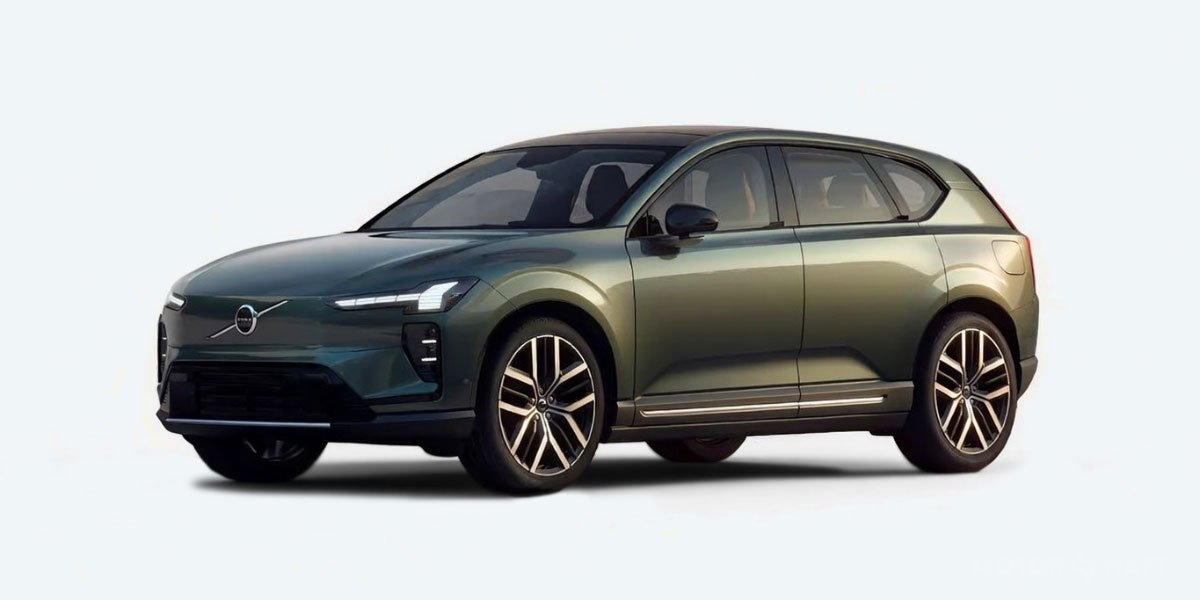
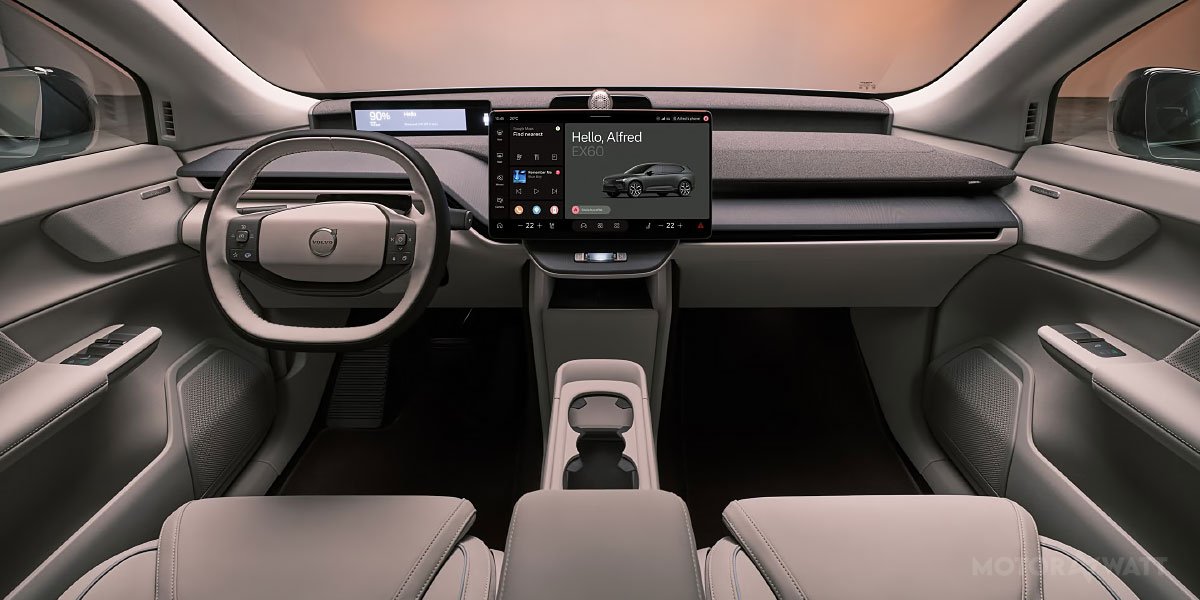
Exterior and Interior photos of Volvo EX60 2026


Volvo EX60 2026 Review: Early Impressions & Tech Analysis
Volvo EX60 2026 Introduction:
Volvo EX60 arrives as a pivotal model for the Swedish brand, marking a clean break from combustion toward a fully electric future. Built in Sweden and scheduled for global sales in early 2026, the midsize SUV targets buyers who value safety, calm design, and real-world usability. Positioned between compact and flagship offerings, the vehicle focuses on balance rather than extremes. Range, charging speed, and interior tech aim at daily driving comfort, not headline chasing. Pricing starts at $52,000 USD (€43,179), placing the model squarely in the premium electric SUV bracket while undercutting several German rivals. Power delivery favors smoothness over drama, with a single-motor rear-wheel-drive setup tuned for efficiency and control. And yes, family duty sits front and center.
- Manufacturing origin: Sweden, with shared EV architecture across the global group.
- Market debut: Planned global rollout in early 2026.
- Segment role: Electric successor to the long-running XC60.
- Starting price: $52,000 USD (€43,179), aimed at premium buyers.
- Core focus: Safety technology, sustainable materials, balanced range.
What Is the Price of the Volvo EX60 in 2026?
The EX60 price starts at $52,000 USD (€43,179). That figure includes a long list of standard safety systems, a large battery, and advanced software integration. In the premium midsize electric SUV space, the pricing strategy keeps the model competitive without drifting into luxury excess.
| Trim Level | Price | Key Features |
|---|---|---|
|
Single Motor Core
|
Rear wheel drive layout with 272 hp (200 kW). 82 kWh battery delivers up to 348 miles (560 km) WLTP range. Standard Pilot Assist, lidar sensor, 19 inch aero wheels, Android Automotive infotainment.
|
|
|
Single Motor Plus
|
Expanded comfort package with upgraded interior materials, panoramic roof, power tailgate, enhanced driver assistance features, and optional head up display.
|
|
|
Twin Motor Ultra
|
Dual motor AWD configuration, quicker acceleration, adaptive suspension, larger wheels, premium audio system, and expanded safety automation.
|
|
|
Twin Motor Performance
|
Performance tuned motors, sport suspension calibration, unique exterior accents, upgraded brakes, and maximum software enabled features.
|
Across trims, the pricing ladder reflects added power, comfort, and driver assistance rather than cosmetic fluff. Even the entry model stays well equipped.
Engine, Battery, and Performance Specs:
Battery & Charging Specifications
The battery pack carries a usable capacity of 82 kWh, sized for long daily drives and weekend travel. WLTP range reaches 348 miles (560 km), translating to roughly 300 miles (483 km) in mixed real-world use. AC charging supports 11 kW, filling the battery from zero to full in about eight hours. DC fast charging peaks at 175 kW, pushing the state of charge from 10 to 80 percent in around 28 minutes.
- Battery capacity: 82 kWh
- WLTP range: 348 miles (560 km)
- AC charging: 11 kW, about 8 hours
- DC charging: up to 175 kW
Electric Motor Specifications
The base configuration uses a single rear mounted electric motor delivering 272 horsepower (200 kW) and 253 lb ft (343 Nm) of torque. Rear wheel drive improves steering feel and efficiency while reducing drivetrain complexity. Power delivery stays smooth and predictable, fitting the vehicle mission as a family focused electric SUV.
- Motor output: 272 hp (200 kW)
- Torque: 253 lb ft (343 Nm)
- Drive type: Rear wheel drive
Performance Specifications
Acceleration from 0 to 62 mph takes 6.7 seconds, quick enough for confident highway merging. Top speed caps at 112 mph (180 km/h), prioritizing efficiency and range stability. Regenerative braking supports one pedal driving, reducing brake wear and boosting energy recovery in urban traffic.
- 0 to 62 mph: 6.7 seconds
- Top speed: 112 mph (180 km/h)
For daily use, the balance of range, charge speed, and calm acceleration works in the driver’s favor.
Exterior and Interior Features
Exterior Design
Exterior proportions favor aerodynamics over boxy utility. Length measures 185.4 inches (4710 mm), width 74.8 inches (1900 mm), and height 65 inches (1650 mm). Flush door handles, a sealed front panel, and optimized underbody airflow improve efficiency. Thor’s Hammer LED lighting with pixel technology sharpens night visibility. Wheel options span 19 to 21 inches, tuned for range or style.
Interior & Technology
Inside, the cabin leans on clean surfaces and sustainable materials. A 14.5 inch vertical touchscreen runs Android Automotive with native navigation and voice control. Digital instruments sit directly ahead, while an optional augmented display projects data into the driver’s view. Cargo space reaches 17.3 cubic feet (490 liters), enough for family errands and weekend trips.
The cabin favors calm usability, with technology supporting rather than overwhelming.
Pros and Cons:
Pros
- Long electric range for daily and regional travel
- Strong safety technology as standard
- Comfort focused ride quality
- Clean Scandinavian interior design
Cons
- Base trim focuses on comfort over sportiness
- Rear wheel drive may limit traction for some climates
Market position & Expert Data:
In 2026, the Volvo EX60 occupies a strategic middle ground in the premium electric SUV market. Research shows midsize electric SUVs represent over 35 percent of EV sales in Europe and nearly 30 percent in the United States. According to Reuters, buyers increasingly prioritize safety systems and software integration over raw acceleration numbers.
According to McKinsey, vehicles equipped with advanced driver assistance features influence purchase decisions for more than 60 percent of EV buyers in premium segments. The standard lidar sensor and Pilot Assist system place the model ahead of several competitors where similar hardware remains optional.
Summary:
The EX60 presents a calm, well judged entry into the electric midsize SUV segment. With solid range, thoughtful pricing, and an unwavering focus on safety, the vehicle suits families and professionals ready for electric driving. Smooth performance, practical charging speeds, and clean interior execution support everyday usability. For buyers valuing composure over flash, the EX60 fits naturally.
Watch the Video Overview


Full specifications
Model Specs
| Specification | Actual Data |
|---|---|
|
Model Name
|
Volvo EX60
|
|
Vehicle Class
|
Premium midsize electric SUV
|
|
Body Type
|
SUV
|
|
Model Year
|
2026
|
|
Manufacturer
|
Volvo Cars
|
|
Country of Origin
|
Sweden
|
|
Planned Release Window
|
Early 2026
|
Performance
| Specification | Actual Data |
|---|---|
|
Power Type
|
Full electric
|
|
Powertrain Layout
|
Single motor electric drive
|
|
Drive Type
|
RWD rear wheel drive
|
|
Peak Power
|
272 hp (200 kW)
|
|
Peak Torque
|
343 Nm (253 lb ft)
|
|
Acceleration 0 to 62 mph (0 to 100 km/h)
|
6.7 seconds
|
|
Top Speed
|
180 km/h (112 mph)
|
|
Regenerative Braking
|
Adjustable, supports one pedal driving
|
Battery and Charging
| Specification | Actual Data |
|---|---|
|
Battery Capacity
|
82 kWh
|
|
Nominal Voltage
|
TBD
|
|
AC Charging Power
|
11 kW AC
|
|
AC Charging Time
|
0 to 100 percent in about 8 hours
|
|
DC Fast Charging Peak
|
175 kW DC
|
|
DC Charging Time
|
10 to 80 percent in about 28 minutes
|
Estimated Range Data
| Specification | Actual Data |
|---|---|
|
WLTP Range
|
560 km (348 miles)
|
|
Estimated Real World Mixed Range
|
483 km (300 miles)
|
|
Estimated City Range
|
531 km (330 miles)
|
|
Estimated Highway Range
|
451 km (280 miles)
|
|
Estimated Cold Weather Impact
|
10 to 20 percent range reduction
|
|
EPA Range
|
TBD
|
Body Specifications
| Specification | Actual Data |
|---|---|
|
Length
|
4710 mm (185.4 in)
|
|
Width
|
1900 mm (74.8 in)
|
|
Height
|
1650 mm (65.0 in)
|
|
Wheelbase
|
2875 mm (113.2 in)
|
|
Ground Clearance
|
TBD
|
|
Curb Weight
|
2150 kg (4741 lb)
|
|
Cargo Capacity
|
490 liters (17.3 cu ft)
|
Exterior Design Features
| Specification | Actual Data |
|---|---|
|
Front Design
|
Closed grille style panel with Iron Mark branding
|
|
Headlights
|
Thor’s Hammer LED with pixel tech and active high beam shading
|
|
Aerodynamics
|
Flush door handles, streamlined underbody
|
|
Wheel Options
|
19 in aero alloys standard, 21 in available
|
|
Body Materials
|
High strength boron steel structure, recycled aluminum and plastics for exterior panels
|
|
Available Color Themes
|
Cloud Blue, Moss Yellow, Crystal White
|
Interior Design and Materials
| Specification | Actual Data |
|---|---|
|
Cabin Theme
|
Scandinavian minimalism with sustainable luxury focus
|
|
Upholstery Material
|
Nordico bio attributed material using recycled PET and pine oil inputs
|
|
Seating Comfort
|
Heated and ventilated seats with lumbar support standard on entry trim
|
|
Noise Control
|
Acoustic glass and extensive wheel arch and floor insulation
|
Cabin Technical Features
| Specification | Actual Data |
|---|---|
|
Center Display
|
14.5 in vertical touchscreen
|
|
Infotainment System
|
Android Automotive with native Google Maps and Google Assistant
|
|
Driver Display
|
Digital cluster with navigation and vehicle telemetry
|
|
Head Up Display
|
Optional augmented reality HUD
|
|
Driver Assistance Hardware
|
Standard roofline lidar sensor above windshield
|
|
Driver Assistance Features
|
Pilot Assist with lane centering, adaptive cruise, collision avoidance
|
|
Software Updates
|
Over the air update capability
|
F.A.Q. about Volvo EX60 2026
What is the real world driving range on a single charge?
The Volvo EX60 delivers a balanced real world range suitable for daily and regional driving.
- Mixed driving: around 300 miles or 483 km
- Urban conditions: up to 330 miles or 531 km
- Highway driving: about 280 miles or 451 km
What battery capacity does the electric SUV use?
The EX60 SUV uses an 82 kWh battery designed for long range efficiency and stable performance across varied climates.
How long does it take to charge the battery?
The EX60 supports both home and public charging solutions for flexible daily use.
- DC fast charging: 10 to 80 percent in about 28 minutes at 175 kW
- AC home charging: full charge in roughly 8 hours at 11 kW
What is the starting price in the United States and Europe?
The Volvo EX60 starts at $52,000 USD (€43,179), positioning it competitively within the premium midsize electric SUV segment.
Is the electric SUV available for purchase in the USA and Europe?
Sales begin in early 2026 with availability planned for the United States and major European markets.
How does electric performance compare to gasoline SUVs?
Electric drive provides instant torque and smooth acceleration, reaching 0 to 62 mph in 6.7 seconds with quieter operation than comparable gasoline SUVs.
What maintenance requirements apply to electric SUVs?
Electric SUVs require less routine service due to fewer moving parts, with maintenance focused on tires, brakes, and software updates.
Are electric SUVs suitable for cold climates?
Cold weather operation remains reliable, though winter range may decrease by 10 to 20 percent depending on temperature and driving style.
Can electric SUVs handle long distance travel?
Long distance travel works well thanks to fast charging support, stable highway range, and growing public charging infrastructure across the USA and Europe.