

Overview
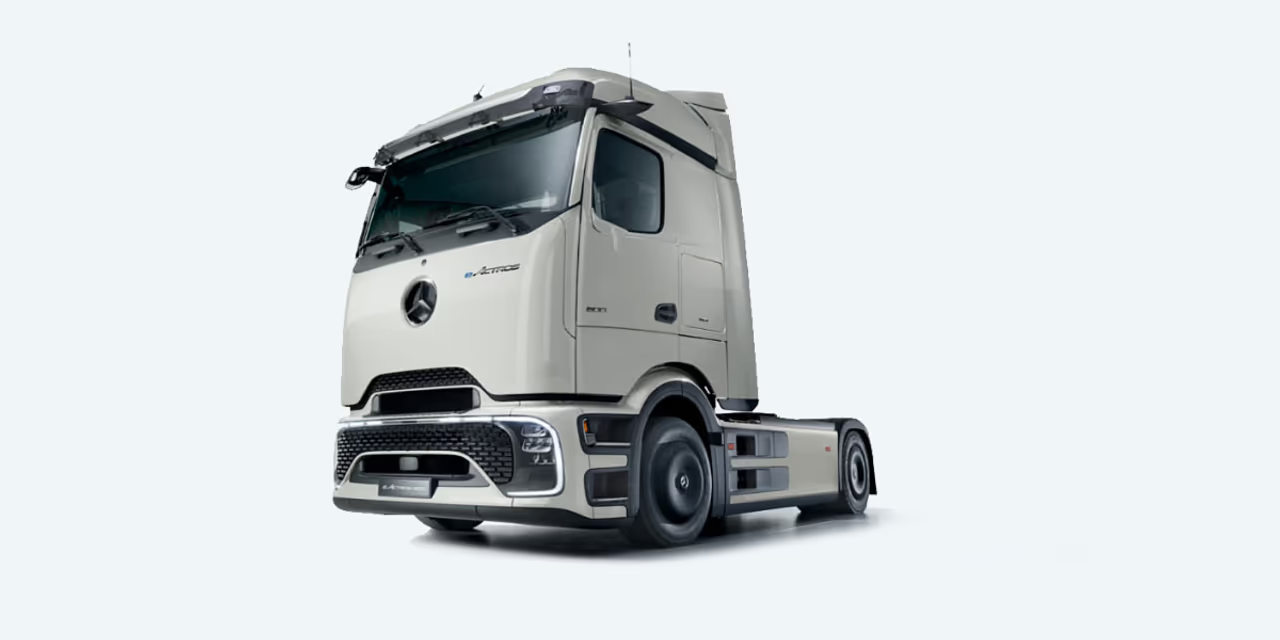
MAN eTGX makes heavy freight electric
The 2025 MAN eTGX is an electric truck for fleet operators moving substantial loads between logistics hubs. Man Truck & Bus gives it a modular battery system, strong payload capability and a familiar cab. Its main appeal is a practical transition from diesel operations, with quieter running and rapid charging support.
Range and charging for planned routes
The MAN eTGX offers substantial electric range for scheduled freight work. Its battery layout can suit different operational demands, while CCS and MCS charging support shorter stops. Route planning remains important for longer work, particularly where suitable truck charging access varies.
Heavy-duty strength with calm responses
Rear-wheel drive, regenerative braking and a central electric motor suit loaded transport. Power arrives smoothly, which matters more here than dramatic acceleration. Regional variants with smaller battery packages can suit shorter routes, giving operators another way to match the truck with daily duty cycles.
A familiar cab with useful electric upgrades
The cab carries familiar TGX design cues, helping drivers and fleet managers settle into electric operation. A digital display presents driving and navigation information, while sound insulation and air-sprung seats support long shifts. Some controls retain an older commercial-vehicle feel, however.
Who should put the MAN eTGX 2025 on their short list?
Fleet managers should shortlist the 2025 MAN eTGX when predictable freight routes, substantial payload needs and charging planning align. Man Truck & Bus offers a credible bridge for fleets seeking electric heavy transport. Smaller operators or buyers needing highly flexible routes may prefer another approach.
Pros and Cons
- Modular battery planning suits varied freight routes
- Rapid charging supports scheduled long-distance operations
- Familiar cab eases fleet transition
- Quiet electric operation suits extended driving shifts
- Longer routes require careful charging preparation
- Smaller operators may prefer a lighter-duty vehicle
- Some cab controls retain dated design cues