Tesla Semi 2025: Price, Range, and Technical Specs
The Tesla Semi is a U.S.-built electric truck delivering 800 km (497 mi) of range, 1,020 hp, and rapid 30-minute charging to 70% via Tesla’s Megacharger. Starting at $180,000, it’s designed for high-efficiency freight and fleet electrification.


| Starting Price | $180,000 |
| Model Year | 2024 |
| Country of Manufacturing | USA |
| Battery Size | 850 kWh |
| Official Range | 497 mi |
| Power | 1020 hp |
* Minimum price set for the base trim by the manufacturerr, excluding taxes and additional options

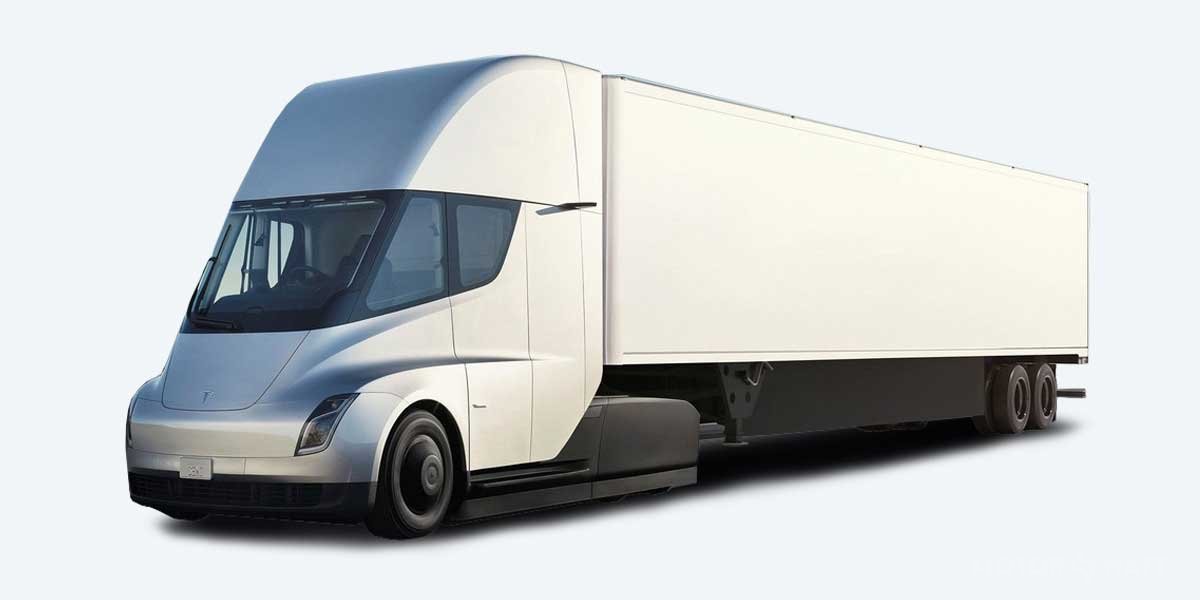
Exterior and Interior photos of Tesla Semi 2025


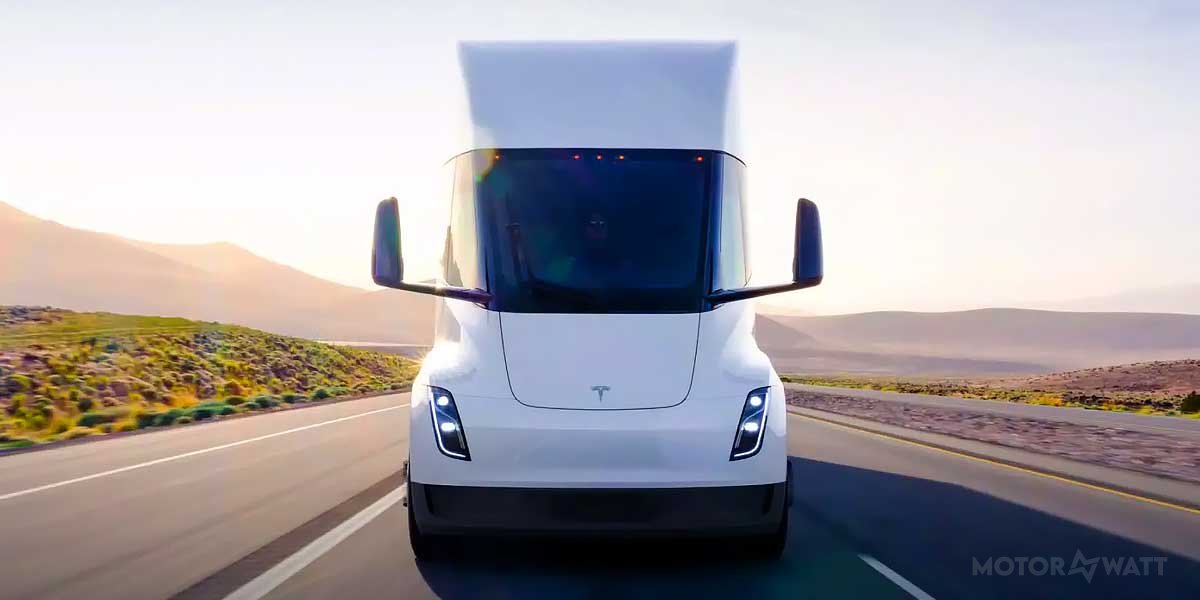
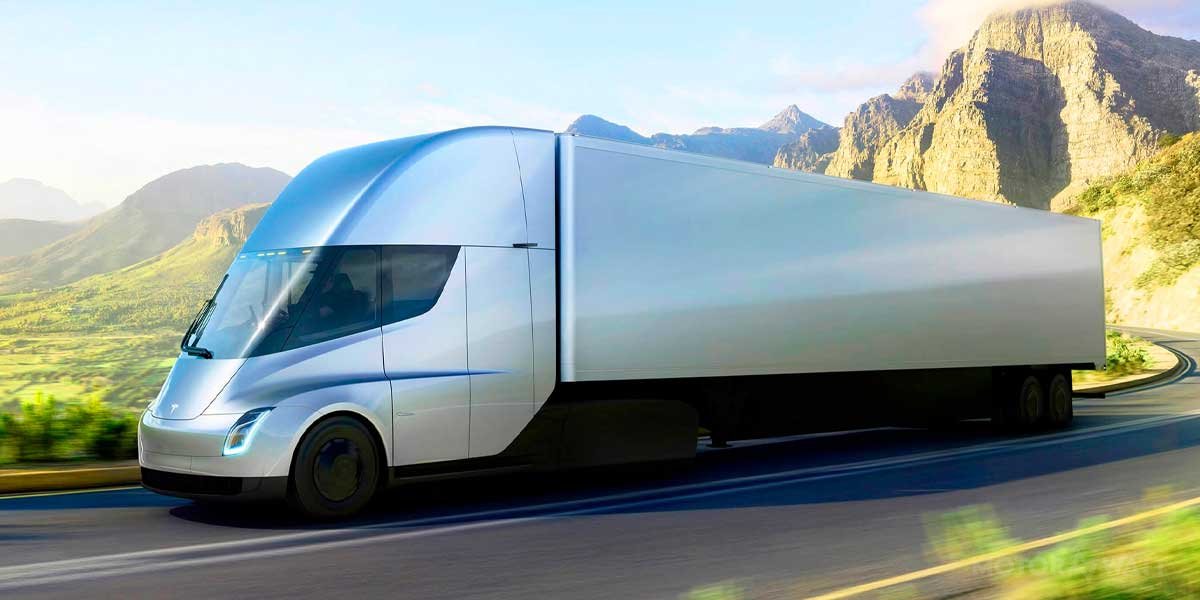


Tesla Semi 2025 Review: Early Impressions & Tech Analysis
Tesla Semi: America’s Electric Freight Rocket on Wheels
Tesla Semi engineered in the USA and officially rolling into the commercial fleet world by 2025, it’s Tesla’s long-awaited swing at electrifying heavy-duty hauling. With a starting tag of $180,000 (about £139,750 / €165,250), it’s no lightweight in either price or performance. Designed for regional and short-haul power moves, the Semi is sculpted for speed, efficiency, and a maintenance cost that makes diesel rigs sweat.
- Built in Nevada, USA, by Tesla Motors
- First deliveries to PepsiCo in 2022, full release in 2025
- Starting price: $180,000 (approx. £139,750 / €165,250)
- Aimed at fleet electrification and emission-free regional hauls
Tesla Semi Specs: Battery, Charging, and Drive Technology
Battery and Charging
Here’s the shocker—literally. The Tesla Semi packs an 850 kWh lithium-ion battery that delivers a whopping 800 kilometers (497 miles) on one charge. With access to Tesla’s own Megacharger network, the truck can hit 70% charge in just 30 minutes—roughly 560 km (347 miles) worth. That’s fast enough to keep freight flowing without long layovers. Rated at just 2 kWh per mile, it’s lean on juice and tough on emissions.
- Battery: 850 kWh lithium-ion pack
- Range: 800 km (497 miles)
- Charging: 30 mins to 70% on Tesla Megacharger
- Efficiency: ~2 kWh per mile (1.24 kWh/km)
Performance and Power
Now we’re talking torque. With 1,020 horsepower (761 kW) cranked out through three rear-mounted electric motors, the Semi zips from 0 to 60 mph in 20 seconds—while fully loaded. One motor handles the pull, while the others disengage for economy on flat stretches. Top speed hits 113 km/h (70 mph), and the whole setup moves 37,000 kg (81,571 lbs) of gross cargo like it’s nothing more than a loaded pickup.
- Horsepower: 1,020 hp (761 kW)
- Top Speed: 113 km/h (70 mph)
- Drive: RWD tri-motor system
- Cargo Capacity: 37,000 kg (81,571 lbs)
As of 2025, Tesla’s promoting the 500-mile (800 km) variant hard. No word yet on smaller batteries or sleeper cabs, but Tesla’s always got surprises cooking.
Tesla Semi Exterior and Interior Highlights
Exterior
The bodywork screams spaceship more than big rig. The Semi’s sleek nose, flush handles, and blackout LED light strips reduce drag and boost mileage. Forget shiny chrome—it’s matte, modern, and aerodynamic by design. And yeah, it’ll turn heads at the loading dock.
Interior
Inside, the Semi swaps diesel-era clutter for a center-mounted command chair with dual landscape touchscreens. Think minimalist cockpit, not old-school haul cab. It’s a day hauler through and through—no sleeper bunks here—but the digital dashboard makes up for it with clean visuals and intuitive controls.
Tesla Semi Pros and Cons
Pros
- 0–60 mph in 20 seconds while loaded
- Impressive 800 km (497 mi) range per charge
- Ultra-fast 30-min Megacharging
- Lower operating cost than diesel rigs
- Zero tailpipe emissions
Cons
- No sleeper cab—limits long-haul routes
- Price tag steep for smaller operators
- Charging limited to Tesla’s Megacharger network
- Battery size reduces available payload slightly
Conclusion: Tesla Semi’s Place in the Electric Freight Game
For fleet operators chasing performance and emissions goals, Tesla Semi hits both nails clean. It’s a battery-powered bulldozer with brains—fast, efficient, and purpose-built. Sure, it’s not for everyone yet, but those ready to switch from diesel will find its charging speed, range, and power hard to top.
Watch the Video Overview


Full specifications
Model Specs
| Specification | Actual Data |
|---|---|
|
Model
|
Tesla Semi
|
|
Model Year
|
2024
|
|
Manufacturer
|
Tesla
|
|
Manufactured In
|
USA
|
|
Vehicle Class
|
Class 8 Electric Semi Truck
|
Performance
| Specification | Actual Data |
|---|---|
|
Power Type
|
Full Electric
|
|
Powertrain
|
Tri Motor Electric Drivetrain
|
|
Drive Type
|
6x4
|
|
Peak Power Output
|
1,000 hp - 746 kW
|
|
Acceleration 0 to 60 mph (0 to 97 km/h)
|
20 seconds with full load
|
|
Maximum Speed
|
105 km/h - 65 mph
|
Battery and Charging
| Specification | Actual Data |
|---|---|
|
Battery Type
|
Lithium Ion
|
|
Estimated Battery Capacity
|
900 kWh
|
|
Nominal Voltage
|
1,000 V
|
|
DC Fast Charging Power
|
1,000 kW
|
|
Charging Time
|
30 minutes for 70 percent recharge
|
Estimated Range Data
| Specification | Actual Data |
|---|---|
|
Estimated Range
|
800 km - 500 miles
|
Body Specifications
| Specification | Actual Data |
|---|---|
|
Length
|
7,000 mm - 275.6 in
|
|
Width
|
2,550 mm - 100.4 in
|
|
Height
|
3,950 mm - 155.5 in
|
|
Gross Combined Weight Rating
|
36,000 kg - 79,366 lb
|
Exterior Design Features
| Specification | Actual Data |
|---|---|
|
Cab Design
|
Central driving position
|
|
Aerodynamics
|
Low drag aerodynamic cab
|
|
Lighting
|
Full LED exterior lighting
|
Interior Design and Materials
| Specification | Actual Data |
|---|---|
|
Seating Configuration
|
1 driver seat
|
|
Upholstery
|
Durable commercial grade materials
|
|
Cabin Focus
|
Long haul efficiency and safety
|
Cabin Technical Features
| Specification | Actual Data |
|---|---|
|
Driver Displays
|
Dual side mounted digital displays
|
|
Autopilot Hardware
|
Advanced driver assistance hardware
|
|
Regenerative Braking
|
High capacity regenerative braking
|
|
Connectivity
|
Fleet and route optimization systems
|
F.A.Q. about Tesla Semi 2025
What is the range of the TESLA Semi on a full charge?
The TESLA Semi offers a maximum range of up to 800 km (497 miles) on a single charge, depending on terrain and payload.
What is the starting price of the TESLA Semi?
The starting price is $180,000 USD (approx. £139,750, €165,250) for the 500-mile variant.
How long does it take to charge the battery?
Using Tesla's Megacharger, the battery charges to 70% (approx. 560 km / 347 miles) in 30 minutes.
What is the total horsepower output?
The TESLA Semi delivers 1,020 hp (approx. 761 kW) via a tri-motor RWD system.
What is the top speed?
The top speed is limited to 113 km/h (70 mph), suitable for highway use under full load.
How much cargo can it carry?
The truck supports a gross combined weight rating of up to 37,000 kg (81,571 lbs), including cargo.
Is there a sleeper cab version?
No, the Semi is configured as a day cab, without a sleeping area or passenger seat.
Where is the electric truck manufactured?
The truck is assembled in the USA, with battery packs likely produced in Tesla’s Nevada Gigafactory.
When did sales officially begin?
Initial deliveries began in late 2022, with broader commercial availability in 2025.
What kind of incentives are available?
Fleet operators may qualify for federal and state-level incentives, including grants and carbon credits.