Volvo FH Aero Electric 2026: Price, Range, and Technical Specs
Volvo FH Aero Electric is a long‑haul heavy‑duty truck launching in 2026 with a 540 kWh battery, delivering up to 600 km (≈373 mi) range and a fast 20‑80 % Megawatt charge in ~40 minutes. It generates 666 hp (≈497 kW) and supports up to 48 tonnes gross payload with rear‑wheel drive.


| Starting Price | $276,525 |
| Model Year | 2026 |
| Country of Manufacturing | Sweden |
| Battery Size | 540 kWh |
| Official Range | 373 mi |
| Power | 666 hp |
* Minimum price set for the base trim by the manufacturerr, excluding taxes and additional options

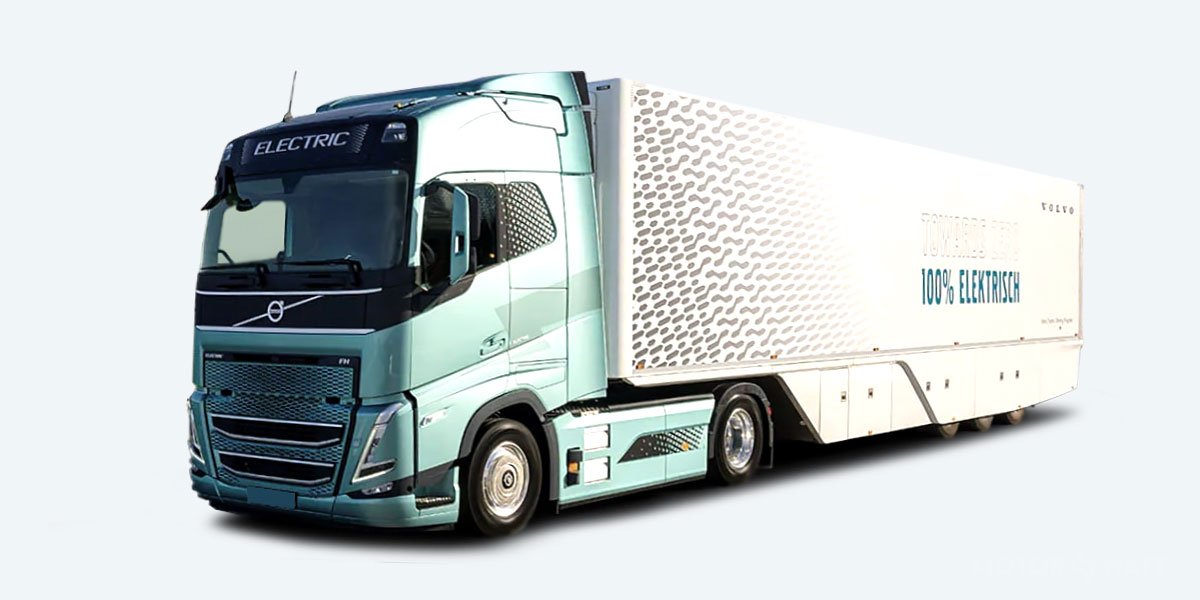
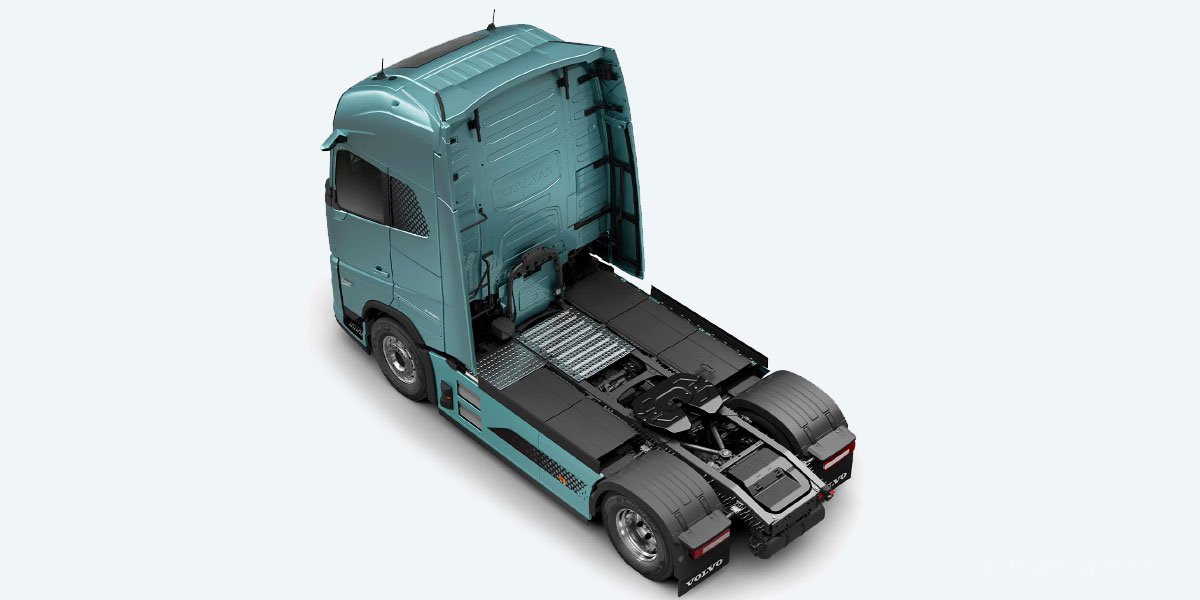
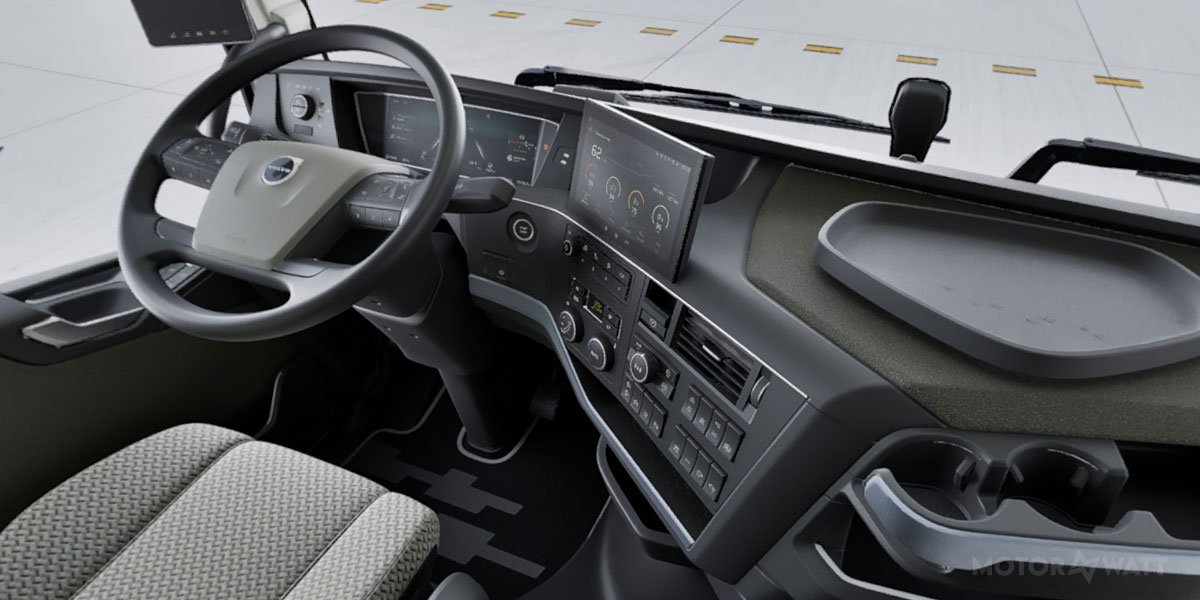
Exterior and Interior photos of Volvo FH Aero Electric 2026


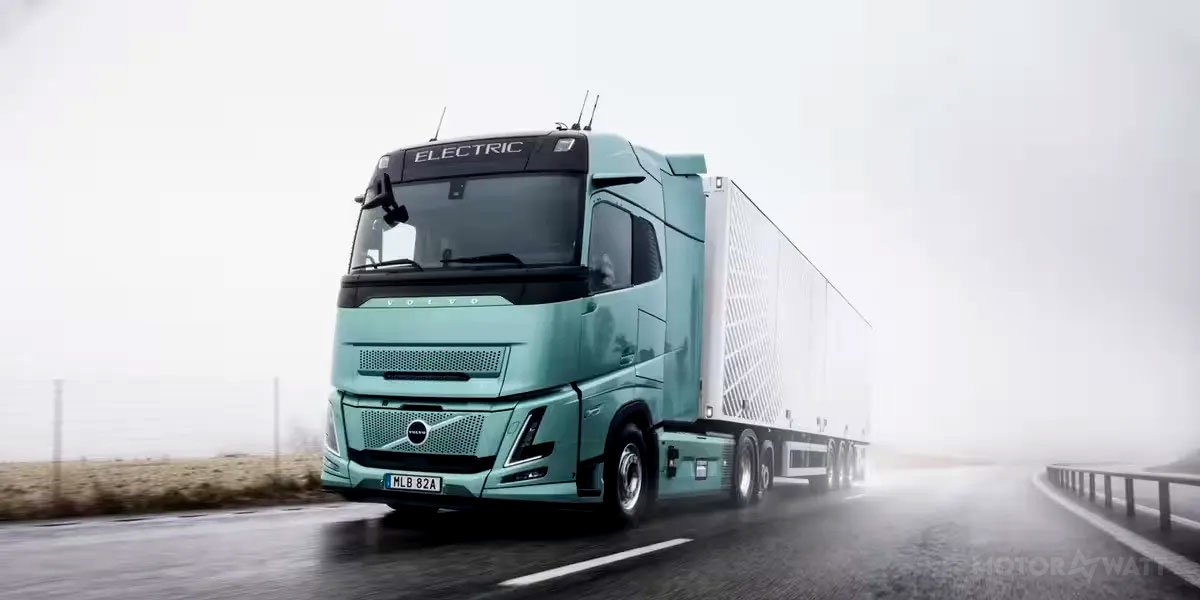
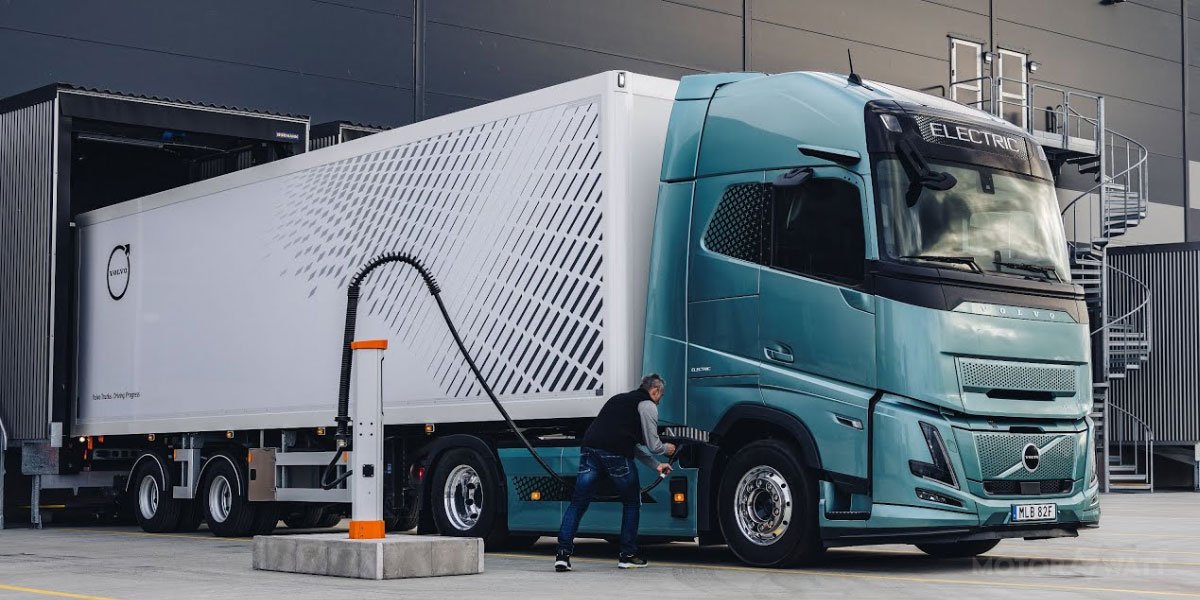
Volvo FH Aero Electric 2026 Review: Early Impressions & Tech Analysis
VOLVO FH Aero Electric Review – Introduction
Meet the FH Aero Electric, Volvo’s upcoming electric beast born in Sweden and set to launch in 2026. It brings long‑haul aspirations to life with a staggering 600 km (≈373 mi) single‑charge range, backed by a 540 kWh battery pack. It arrives with an Expected Starting price around US$ 276,525 (£221,000 / €255,000). And it’s outfitted with fast megawatt charging that recharges from 20 % to 80 % in about 40 minutes—perfect for driver rest window efficiency.
- Manufactured in Sweden and engineered to decarbonize heavy transport.
- Unveiled for sale in 2026 with letters of intent available now.
- Expected Starting price US$ 276,525 (~£221,000 / €255,000), positioned for premium long‑haul applications.
- Aimed at sustainable haulage markets needing fast charging, high payload, and long‑distance reach.
Specs Breakdown
Battery
Volvo harnesses a robust 540 kWh battery system, delivering about 600 km (≈373 mi) of hauling range on highway runs. Drivers hit 20‑80 % charge in roughly 40 minutes using the Megawatt Charging System. And Volvo’s I‑See route optimization and aerodynamic tweaks help stretch that range further.
- Battery capacity: 540 kWh (~540,000 Wh)
- Estimated range: 600 km (≈373 mi)
- Fast charging window: 20 % → 80 % in ~40 minutes
- Route optimization via I‑See cloud maps
Performance
Under the hood, expect two or three electric motors pushing up to 666 hp (~497 kW), routed through Volvo’s refined I‑Shift gearbox. Top speed reaches 105 km/h (≈65 mph), and torque delivery is smooth and consistent for hauling up to 44,000 kg (≈48 tonnes gross). Rear‑wheel drive ensures a solid footprint and efficiency under load.
- Power: 666 hp (~497 kW)
- Top speed: 105 km/h (~65 mph)
- Cargo capacity: 44,000 kg (~48 tons total weight)
- Drive type: RWD (rear‑wheel drive)
Volvo plans heavier variants with up to 780 kWh battery and tag‑axle layout that can support up to 48 tonnes gross weight. Pricing for those configurations may rise accordingly.
Exterior and Interior Features
Exterior
Sleek cabin styling extends 24 cm beyond the standard FH to cut aerodynamic drag. Volvo’s Camera Monitor System replaces side mirrors—it slices air resistance and boosts visibility in tunnels, rain, or low light. Ride‑height auto adjustment above 60 km/h further trims drag. Soft contours, integrated fairings and Volvo’s Iron Mark give the rig a polished, efficiency‑lean profile.
Interior
Inside, choice of cab sizes including Globetrotter XXL brings comfort with premium trim, smart infotainment, and six‑speaker audio with amp and subwoofer. I‑See optimizes cruise control behavior for reduced fatigue. Driver‑tailored navigation auto‑updates maps and supports haul‑specific routing. Everything built around efficiency and wellbeing.
Pros and Cons
Pros
- Strong 600 km (~373 mi) range per charge
- Fast MCS charging: 20–80 % in ~40 minutes
- High payload capacity matching diesel trucks
- Aerodynamic cab with camera system and auto ride‑height
- Driver comfort and smart route optimization tools
Cons
- Expected Starting price (~US$ 276,525 / £221,000 / €255,000)
- MCS infrastructure still limited in some regions
- Heavier battery variants increase cost and weight
Conclusion
The FH Aero Electric hits the spot for long‑haul fleets chasing zero‑emission efficiency and minimal downtime. With 600 km estimated range, lightning‑quick charging and driver‑centered tech, it stands out as a sustainable heavy‑duty contender. Price is hefty—but the green ROI and performance pay off. Ready to haul into the electric era? This one pulls hard.
Watch the Video Overview


Full specifications
Model Specs
| Specification | Actual Data |
|---|---|
|
Model
|
Volvo FH Aero Electric
|
|
Model Year
|
2025
|
|
Manufacturer
|
Volvo Trucks
|
|
Manufactured In
|
Sweden
|
|
Vehicle Class
|
Heavy Duty Electric Truck
|
Performance
| Specification | Actual Data |
|---|---|
|
Power Type
|
Full Electric
|
|
Powertrain
|
Triple Motor Electric Drivetrain
|
|
Drive Type
|
6x2 or 6x4
|
|
Maximum Power Output
|
666 hp - 490 kW
|
|
Maximum Torque
|
2,400 Nm - 1,770 lb-ft
|
|
Maximum Speed
|
90 km/h - 56 mph
|
Battery and Charging
| Specification | Actual Data |
|---|---|
|
Battery Type
|
Lithium Ion
|
|
Battery Capacity
|
540 kWh
|
|
Nominal Voltage
|
600 V
|
|
DC Fast Charging Power
|
250 kW
|
|
Charging Time 20 to 80 percent
|
90 minutes
|
Estimated Range Data
| Specification | Actual Data |
|---|---|
|
Estimated Range
|
600 km - 373 miles
|
Body Specifications
| Specification | Actual Data |
|---|---|
|
Length
|
7,500 mm - 295.3 in
|
|
Width
|
2,550 mm - 100.4 in
|
|
Height
|
4,000 mm - 157.5 in
|
|
Gross Vehicle Weight Rating
|
44,000 kg - 97,003 lb
|
Exterior Design Features
| Specification | Actual Data |
|---|---|
|
Cab Design
|
Aero optimized high roof cab
|
|
Aerodynamics
|
Extended cab with aerodynamic camera mirrors
|
|
Lighting
|
Full LED exterior lighting
|
Interior Design and Materials
| Specification | Actual Data |
|---|---|
|
Seating Configuration
|
2 seats with sleeper berth
|
|
Upholstery
|
Premium commercial grade materials
|
|
Cabin Focus
|
Long haul comfort and efficiency
|
Cabin Technical Features
| Specification | Actual Data |
|---|---|
|
Driver Displays
|
Digital instrument cluster with secondary display
|
|
Connectivity
|
Volvo Connect fleet management system
|
|
Driver Assistance
|
Advanced safety and driver assistance systems
|
|
Regenerative Braking
|
Adaptive regenerative braking system
|
F.A.Q. about Volvo FH Aero Electric 2026
What is the range on a single charge of the VOLVO FH Aero Electric?
The FH Aero Electric delivers up to 600 km range (≈373 mi) on a single charge thanks to its 540 kWh battery. It leverages Volvo’s I‑See energy optimization to extend that range further.
What is the top speed of the FH Aero Electric?
The truck achieves a top speed of 105 km/h (≈65 mph), ideal for highway long‑haul operations.
How much power does the FH Aero Electric produce?
It produces 666 hp (≈497 kW) via two or three electric motors paired with Volvo’s I‑Shift gearbox for smooth acceleration under full load.
What is the battery capacity of the FH Aero Electric?
The battery capacity is 540 kWh, supporting 600 km of range and fast charging from 20 % to 80 % in approximately 40 minutes via Megawatt Charging System.
How long does the FH Aero Electric take to charge?
Using MCS fast charging, it reaches 80 % in about 40 minutes when charging from a 20 % state of charge.
What is the cargo capacity of the FH Aero Electric?
It offers a cargo capacity of 44,000 kg (≈48 tonnes gross), comparable with diesel equivalents thanks to tag‑axle design and high payload allowance.
What is the price of the VOLVO FH Aero Electric?
The expected starting price is around US$ 276,525 (£221,000 / €255,000), with heavier battery variants likely costing more based on spec.