Blink Charging EQ 200 Charger: Price, Range, and Technical Specs
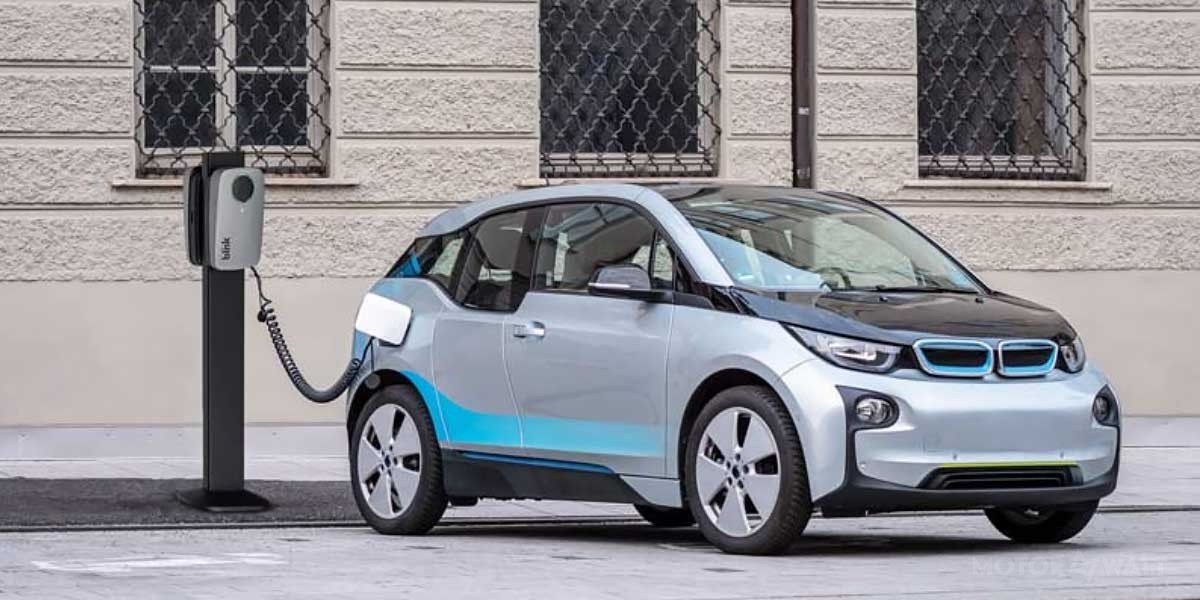
Blink Charging EQ 200 Charger delivers rapid electric vehicle charging with an output of 200 kW. This charger offers dual-port capabilities, user-friendly interface, and real-time data insights. Ideal for commercial settings, it ensures quick, efficient energy supply for modern EVs.


| Starting Price | $780 |
| Model Year | TBD |
| Country of Manufacturing | USA |
| Charging Power | 22 kW |
| Connector Type | AC-Type 2 plug |
| Voltage | 380 |
* Minimum price set for the base trim by the manufacturerr, excluding taxes and additional options



Blink Charging EQ 200 Charger Review: Early Impressions & Tech Analysis
Blink Charging EQ 200 Charger: Illuminating the Future of EV Charging
In the electrifying surge of the electric vehicle (EV) surge, the hunt for efficient, user-oriented, and nimble charging solutions becomes crucial. Entering the fray is the Blink Charging EQ 200 Charger International Type 2 EV Charging Station, a creation of Yankee ingenuity, setting new benchmarks in the charging sphere.
Peering into the Charger's Capabilities
Versatility & Design: Catering to Diverse Demands
At the essence of the Blink Charging EQ 200 Charger lies its inborn ability to adapt. Its design, both compact and streamlined, ensures it melds with various environments, answering to a broad spectrum of needs. Whether it finds a place in the throbbing heart of a city or a quiet suburban domicile, its adjustable design guarantees it stays an essential yet inconspicuous element.
Performance & Compatibility: Merging Strength with Adaptability
But the EQ 200 Charger isn't merely a feast for the eyes; its performance speaks louder than words. Armed with a potent three-phase charging method, it proffers up to 32 amps of power, ensuring electric vehicles are juiced up swiftly and efficiently. Moreover, the charger accords users the choice between a socket or a direct cable model. Its universal design means it aligns with local installation and regulatory directives, making it a formidable competitor on the global stage.
Connectivity & Integration: Envisioning the Apex of Intelligent Charging
Reimagining the pillars of EV charging, the EQ 200 Charger melds effortlessly with varied Home Energy Management Systems through standard industry protocols. Moreover, it champions advanced standards like ISO-15118 and OCPP 2.0, and ventures into pioneering territory with bi-directional charging capabilities (V2G). For both users and administrators, the charger enables prompt remote interaction for activities such as support, upkeep, and customization, spotlighting a user-first philosophy.
Customization & Quality: Bespoke Solutions with Guaranteed Excellence
Attuned to the varied branding necessities of enterprises, the EQ 200 Charger presents customization opportunities, allowing entities to inject their distinct flair. Furthermore, its MID certification bestows assurance of a product meeting exacting quality norms.
The Blink Charging EQ 200 Charger transcends being merely a technological apparatus; it symbolizes the apex of EV charging solutions. By amalgamating power, flexibility, and futuristic functionalities, it anticipates delivering an unmatched charging experience to all EV patrons.
In essence, as our globe gravitates towards greener transportation modalities, the Blink Charging EQ 200 Charger emerges as a luminary, guiding the way forward, envisioning a future where charging transitions from merely efficient to also smart, integrated, and fundamentally focused on the users' needs.
Watch the Video Overview

Full specifications
| Charging Speed and Power Output | 30-60 miles per hour (48-97 kilometers per hour) |
| Connector Types and Compatibility | SAE J1772, CCS, CHAdeMO |
| Availability and Accessibility | 24/7 accessible, Mobile App integration |
| Power | 12,000 Watts (12 kW) |
| Cost and Pricing Models | Pay-per-use, subscription |
| Charging Station Features | LED display, App control, RFID reader |
| Price | $780, €724, £635 |
F.A.Q. about Blink Charging EQ 200 Charger
What is the power of this charging station?
The Blink Charging EQ 200 Charger has a power output of up to 19.2 kW, which is sufficient for fast home or commercial charging.
What is the cost per kWh or per minute of charging?
The cost per kWh or per minute of charging can vary based on your location and electricity provider. Generally, it ranges from $0.10 to $0.30 per kWh.
What connectors does this charging station have?
The Blink Charging EQ 200 Charger supports Type 2 connectors, compatible with most electric vehicles in Europe and North America.
Is this charging station for home?
Yes, the Blink Charging EQ 200 Charger can be installed at home as well as in commercial settings.
Does this charging station use a lot of electricity?
The Blink Charging EQ 200 Charger uses up to 19.2 kW of power, which is equivalent to 25.7 horsepower. However, the usage will depend on the duration and frequency of your charging sessions.
What similar charging stations are there on the market?
Similar charging stations on the market include the Tesla Wall Connector and the ChargePoint Home Flex. Both offer high power output and broad compatibility with electric vehicles.
Is this charging station safe?
Yes, the Blink Charging EQ 200 Charger is designed to meet high safety standards, including features such as overcurrent protection and automatic shutoff.
How long does it take to charge an electric vehicle?
The charging time will vary based on the EV model and battery capacity. On average, it takes about 4-10 hours to fully charge an electric vehicle with the EQ 200 Charger.
Are there any incentives or grants for installing EV chargers?
Yes, many regions offer incentives or grants to encourage the installation of EV chargers. These can range from tax credits to rebates covering a portion of the installation costs.
What is the total cost of ownership for an EV charger?
The total cost of ownership for the Blink Charging EQ 200 Charger includes the initial purchase price of $780, installation costs, and ongoing electricity costs. Maintaining the charger is typically minimal.