VoloCity: Price, Range, and Technical Specs
VoloCity is a German-built electric vertical takeoff and landing air taxi designed for short urban flights. The 2026 model uses an 18 rotor configuration powered by a 75 kWh battery, offering a 35 km range, 20 minute flight time, and 110 km/h top speed. Built for professional fleet operators, it emphasizes low noise, high redundancy, and rapid battery swapping for city transport.

| Starting Price | $1,200,000 |
| Model Year | 2026 |
| Country of Manufacturing | Germany |
| Flying Range | 22 mi |
| Flying Time | 20 min |
| Battery Size | 75 kWh |
* Minimum price set for the base trim by the manufacturerr, excluding taxes and additional options

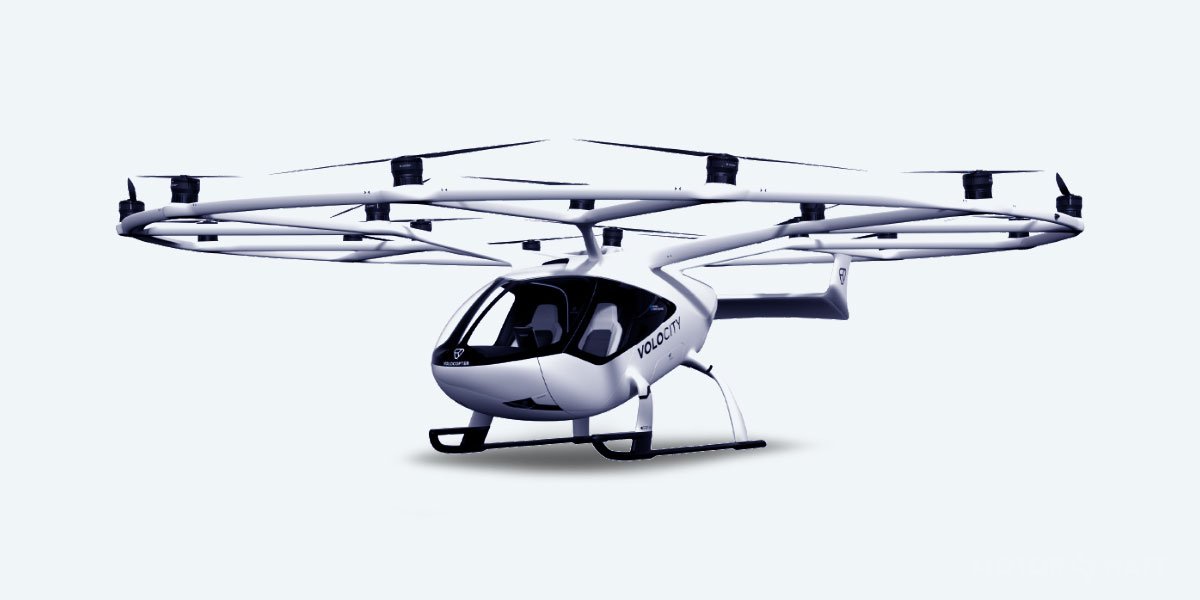
Exterior and Interior photos of VoloCity


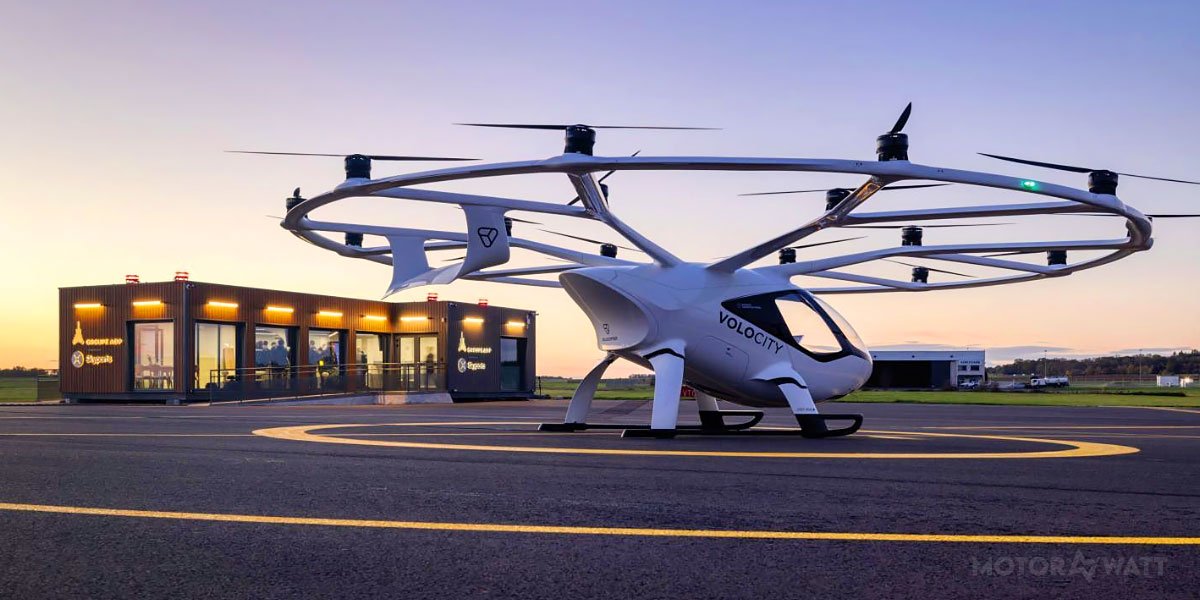
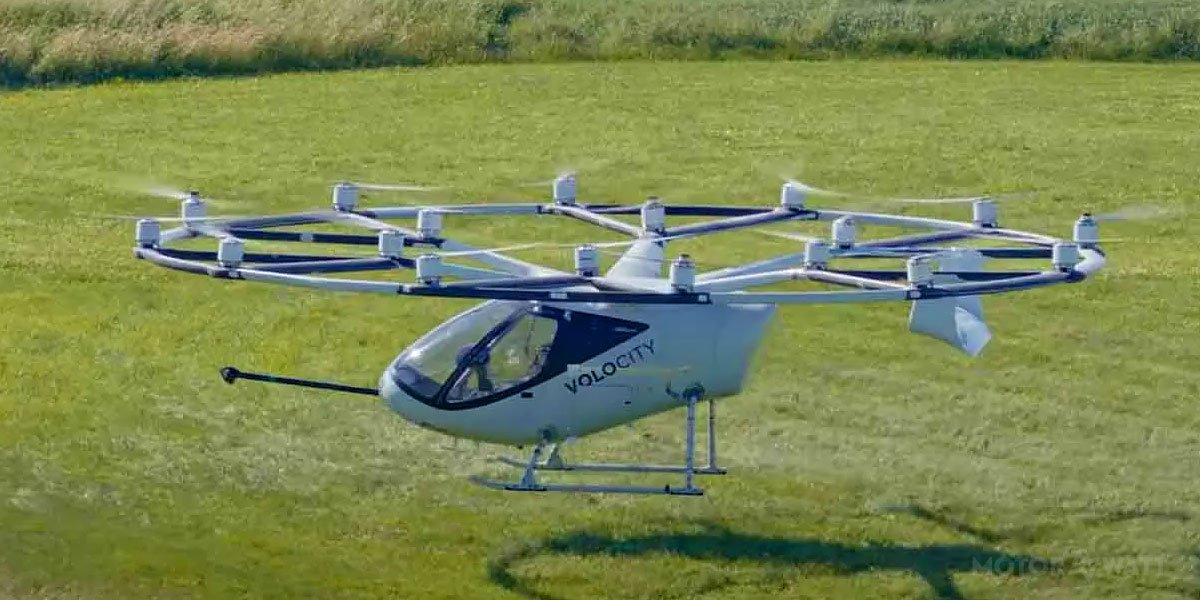
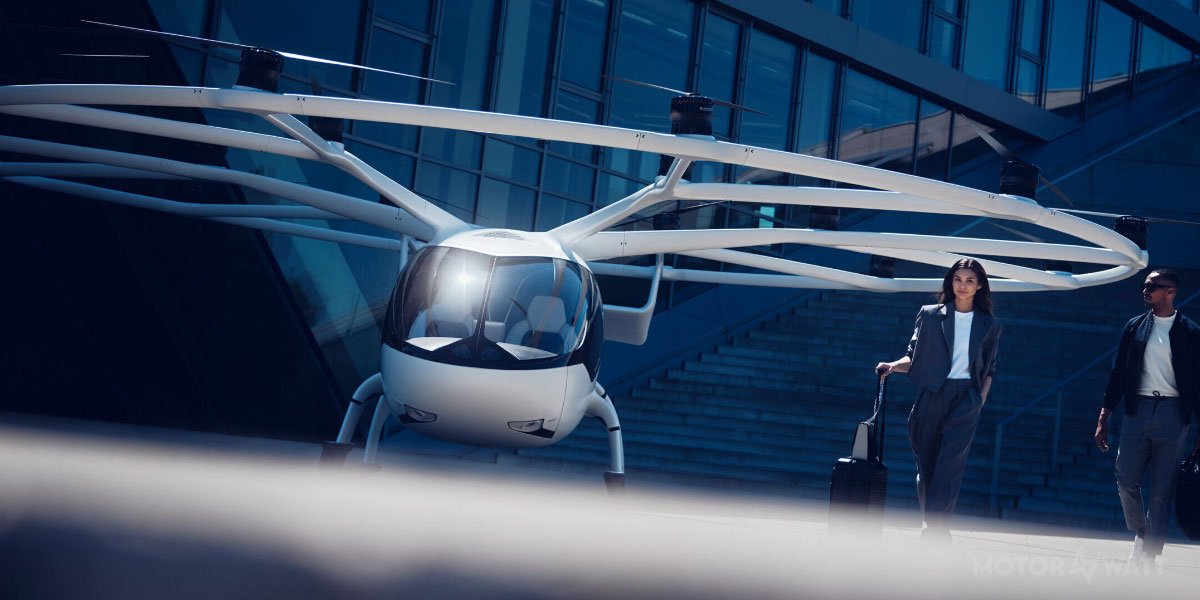
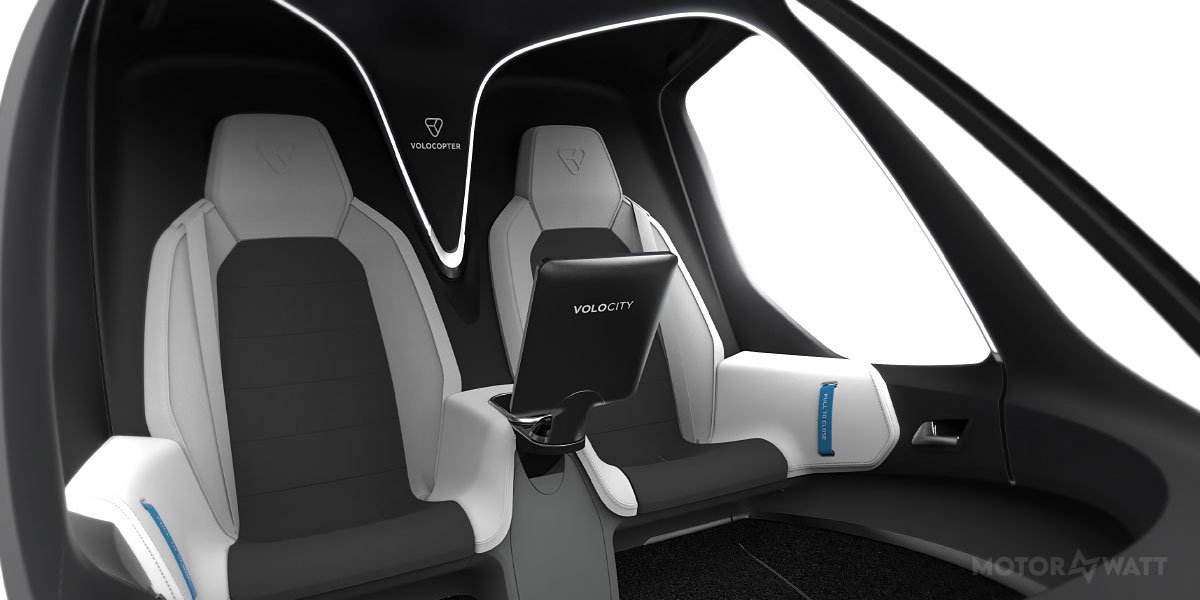
VoloCity Review: Early Impressions & Tech Analysis
VoloCity Introduction:
VoloCity arrives as a focused answer to gridlocked cities, built by German aerospace specialists with deep roots in certification culture. Designed for dense urban corridors, the aircraft targets short hops where speed and silence matter more than distance. Certification alignment with EASA SC-VTOL enhanced standards places safety at the center of its identity. A compact multicopter layout favors stability and predictability over raw velocity. Price positioning reflects fleet-first ambitions aimed at professional operators. Urban air mobility finally gains a machine shaped for real cities.
- Manufactured in Germany with serial production readiness anchored in Bruchsal facilities.
- Unveiled as a fourth generation platform tailored for commercial deployment in 2026 and 2027.
- Certified urban air taxi focus built around EASA enhanced category safety logic.
- Starting price $1,200,000 USD (€1,008,200) positioning it as a premium fleet asset.
- Market role centered on short range, high frequency city flights.
How Much Does the VoloCity Cost in 2026?
The VoloCity price starts at $1,200,000 USD (€1,008,200). That figure places it firmly inside the professional urban air taxi segment, where safety certification and uptime outweigh personal ownership appeal.
| Trim Level | PRICE | KEY FEATURES |
|---|---|---|
|
Base Air Taxi
|
75 kWh battery system, 18 rotor configuration, 35 km range (21.7 miles), 110 km/h top speed (68 mph), two seat cabin, battery swap charging.
|
|
|
Med Rescue
|
Emergency configuration with reinforced payload systems, medical equipment integration, priority dispatch avionics.
|
|
|
Fleet Edition
|
Bulk operator pricing, standardized interiors, optimized maintenance cycles for vertiport networks.
|
Each configuration shares the same airframe philosophy while tailoring payload and mission profiles to operator needs. Pricing logic favors scalability, with fleet buyers gaining efficiency through volume and standardized hardware.
Engine, Battery, and Performance Specs:
Battery & Charging Specifications
The aircraft carries a 75 kWh battery system designed around rapid turnaround. Operational range reaches 35 km, roughly 21.7 miles, ideal for city core connections. Battery swapping replaces traditional charging, cutting ground time to five to eight minutes. Energy delivery focuses on vertical efficiency rather than cruise endurance.
- Battery capacity 75 kWh
- Operational range 35 km (21.7 miles)
- Battery swap time 5 to 8 minutes
Electric Motor Specifications
Eighteen fixed pitch electric rotors distribute thrust evenly across the airframe. Total peak output reaches 160 kW, enabling precise control during hover. Distributed propulsion allows continued flight control even after multiple unit failures. Drive architecture emphasizes redundancy and smooth torque delivery.
- Total motors 18
- Peak power 160 kW
- Distributed electric propulsion layout
Performance Specifications
Maximum airspeed reaches 110 km/h, about 68 mph. Flight altitude extends to 2,000 meters or 6,561 feet, well above urban obstacles. Typical flight duration stands at 20 minutes, balancing payload and efficiency. Handling remains steady even in turbulent urban air.
- Top speed 110 km/h (68 mph)
- Max altitude 2,000 m (6,561 ft)
- Flight time 20 minutes
For operators, these figures translate into predictable scheduling, rapid redeployment, and consistent ride quality across busy city networks.
Exterior and Interior Features
Exterior Design
The exterior centers on a circular rotor ring housing eighteen propulsion units. Carbon fiber composites keep weight at 700 kg, about 1,543 lb. Fixed skid landing gear supports repeated vertiport cycles. Acoustic tuning reduces noise to a fraction of traditional helicopters. Integrated LED lighting supports urban night operations.
Interior & Technology
The cabin uses a two seat side by side layout. A digital glass cockpit consolidates flight data into intuitive displays. Sustainable materials line the interior surfaces. Connectivity relies on 5G and satellite links tied to the VoloIQ system. Safety systems include triple redundant fly by wire controls.
Together, exterior efficiency and interior clarity support a calm, professional passenger experience designed for repeat daily use.
Pros and Cons:
Pros
- Ultra quiet urban operation
- High redundancy propulsion design
- Rapid battery swap turnaround
- EASA enhanced category certification path
Cons
- Short operational range
- Fleet focused ownership model
- Limited payload flexibility
Market position & Expert Data:
The aircraft occupies a narrow but valuable niche within urban air mobility. According to Reuters, European regulators continue favoring piloted eVTOL platforms during early deployment phases Reuters. That regulatory climate strengthens its early commercial prospects.
Research from McKinsey indicates urban air taxi routes under 40 km generate the highest utilization rates in dense cities McKinsey. The aircraft fits squarely inside that operational window. Industry analyst Paul Stein, former CTO of Rolls Royce, notes that redundancy driven designs accelerate public acceptance.
Summary:
VoloCity targets urban air travel with surgical precision. Short range efficiency, rapid turnaround, and certification discipline define its appeal. Fleet operators gain a predictable platform shaped for real cities. Safety systems dominate design priorities. Urban skies gain a quieter, orderly option.
Watch the Video Overview


Full specifications
Model Specs
| Specification | Actual Data |
|---|---|
|
Model Name
|
VoloCity
|
|
Model Year
|
2026
|
|
Manufacturer
|
Volocopter GmbH
|
|
Country of Origin
|
Germany
|
|
Vehicle Class
|
Urban air mobility electric air taxi eVTOL
|
|
Seating Capacity
|
2 passengers
|
|
Starting Price
|
$1,200,000 USD (€1,008,200)
|
Performance
| Specification | Actual Data |
|---|---|
|
Power Type
|
All electric distributed propulsion
|
|
Peak Propulsion Power
|
160 kW (215 hp)
|
|
Maximum Speed
|
110 km/h (68 mph)
|
|
Flight Altitude
|
2,000 m (6,561 ft)
|
|
Flight Time
|
20 minutes
|
|
Rotor Count
|
18 independent fixed pitch rotors
|
Battery and Charging
| Specification | Actual Data |
|---|---|
|
Battery Capacity
|
75 kWh
|
|
Energy Replenishment Method
|
Battery swap system
|
|
Turnaround Time
|
5 to 8 minutes
|
Estimated Range Data
| Specification | Actual Data |
|---|---|
|
Operational Flying Range
|
35 km (21.7 miles)
|
|
Primary Use Case
|
Short hop intra city routes
|
Body Specifications
| Specification | Actual Data |
|---|---|
|
Height
|
2.5 m (8.2 ft)
|
|
Diameter
|
11.3 m (37.1 ft)
|
|
Empty Weight
|
700 kg (1,543 lb)
|
|
Cargo Capacity
|
200 kg (441 lb)
|
Exterior Design Features
| Specification | Actual Data |
|---|---|
|
Airframe Material
|
Carbon fiber composites
|
|
Landing Gear
|
Fixed skid gear for vertiport pads
|
|
Lighting
|
Integrated LED strobes and landing lights
|
|
Rotor Architecture
|
Circular overhead rim with 18 rotors
|
Interior Design and Materials
| Specification | Actual Data |
|---|---|
|
Seating Layout
|
Two seat side by side cabin
|
|
Interior Materials
|
Sustainable synthetic leathers and recycled composites
|
|
Cabin Theme
|
Premium ride sharing oriented cabin
|
Cabin Technical Features
| Specification | Actual Data |
|---|---|
|
Cockpit Type
|
Fully digital glass cockpit
|
|
Flight Management System
|
Automated assistance systems for balance and altitude
|
|
Connectivity
|
5G and satellite mesh network to VoloIQ backbone
|
|
Control System
|
Triple redundant fly by wire
|
F.A.Q. about VoloCity
What is the real world flying range on a single charge?
VoloCity delivers an operational flying range of about 35 km or roughly 21.7 miles, optimized for short urban routes between transport hubs.
- Urban hop efficiency remains consistent
- Payload influences usable distance
- Weather conditions affect endurance slightly
What is the battery capacity and usable energy?
VoloCity uses a 75 kWh battery system designed around rapid energy exchange rather than long duration storage.
- Total system capacity 75 kWh
- Energy optimized for vertical lift
How long does battery replenishment take?
VoloCity relies on a battery swap process that restores full operational readiness within five to eight minutes.
- Swap based energy system
- Minimal ground downtime
Is it suitable for long distance or regional travel?
The aircraft targets short intra city flights rather than regional routes, focusing on frequent hops instead of extended journeys.
Is it available for commercial use in the USA and Europe?
Availability focuses on Europe first, followed by controlled commercial deployment in the USA pending local certification alignment.
How quiet is urban operation compared to helicopters?
Acoustic output remains significantly lower than conventional helicopters due to distributed electric propulsion and lower rotor tip speeds.
- Reduced urban noise footprint
- Improved public acceptance
How safe is multi rotor electric aviation?
Safety relies on eighteen independent rotors and triple redundant control systems, allowing controlled flight even after multiple unit failures.
How many passengers and how much payload can it carry?
The cabin supports two occupants with a maximum payload of 200 kg or about 441 lb, suitable for passengers or mission equipment.
What is the price for fleet operators?
VoloCity pricing starts at $1,200,000 USD (€1,008,200), with fleet editions reducing per unit cost to $1,050,000 USD (€882,200).