About MITSUBISHI Manufacturing Company
MITSUBISHI Motors and the Push Toward Clean Mobility
MITSUBISHI Motors stands as one of the long-running names in the automotive world, and lately the company has leaned harder than ever into cleaner transport. And the shift feels natural, given the brand's long trail of engineering projects and quiet persistence in electrified driving. The automaker’s push into Mitsubishi electric vehicles comes from a desire to shrink fuel use and give everyday drivers smoother, lighter travel experiences without constant stops at the pump.
Actually, the journey began decades ago. Early concepts from the 1970s planted the seeds for an electrified lineup that would later mature into real production models. By 2009, the compact i-MiEV rolled out, giving the public a first taste of a fully electric commuter from Japan. And that move set the pace for more practical, family-focused models that arrived later.
Mitsubishi Outlander PHEV and the Expanding Model Range
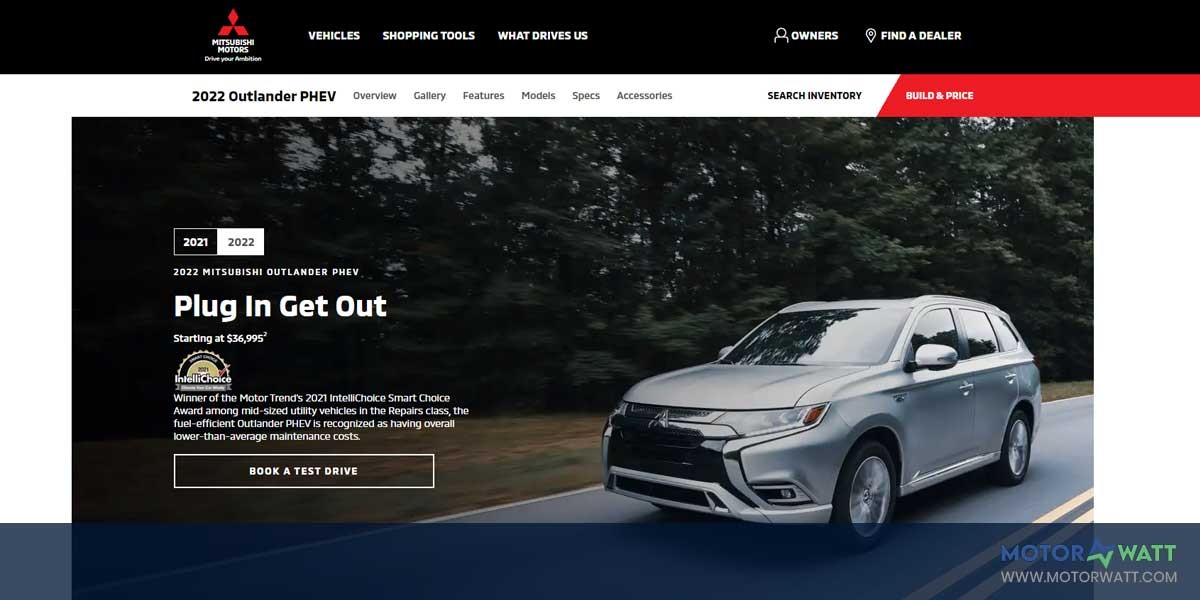
Drivers often know MITSUBISHI Motors for the Outlander PHEV, which has become one of the company’s most recognizable electrified SUVs. It carries a friendly electric-first drive for short city loops while keeping a gasoline engine available for bigger hauls. And the formula works well for families who want savings without range concerns.
Right behind it is the Eclipse Cross PHEV, built for those who prefer smaller footprints with similar tech. Meanwhile, the Airtrek EV steps in for markets ready for a fully electric compact crossover. For urban errands, the Minicab MiEV and the original i-MiEV offer light steering, quiet motors, and easy operation for tight neighborhoods.
- Outlander PHEV: popular midsize electrified SUV
- Eclipse Cross PHEV: compact alternative for daily commutes
- Airtrek EV: battery-electric crossover for select regions
MITSUBISHI Motors and Its Technology Roadmap
Technology forms the backbone of the brand’s electrified catalog. Engineers have refined battery systems for better range, smoother output, and consistent performance in hot or cold weather. The vehicles also rely on regenerative braking that recaptures energy during slowdowns. And the tuning gives drivers a more natural slowdown feel—like easing off the throttle while gliding downhill.
The company’s power electronics work behind the scenes to manage motor torque, energy flow, and cabin systems. And while much of this tech stays invisible to casual drivers, the quick response and muted drivetrain feel show how carefully the systems are designed.
Mitsubishi sustainability strategy and Clean Manufacturing Goals
MITSUBISHI Motors speaks often about its environmental commitments, and the message extends beyond the vehicles themselves. The brand aims to reduce emissions tied to production, shipping, and end-of-life processing. Many components follow recycling guidelines, and factories pursue energy-saving targets. And that means the company tries to cut environmental impact across the entire life cycle.
The brand’s electrified fleet helps communities breathe easier by lowering tailpipe output, particularly in dense cities where congestion is heavy. And with more plug-in hybrids and battery-electric options on the calendar, the company keeps its momentum pointed toward cleaner air.
Strong Global Reach for Mitsubishi electric vehicles
With a footprint across Asia, Europe, and other key markets, MITSUBISHI Motors has grown its electrified presence steadily. The Outlander PHEV, in particular, gained traction in regions where charging networks grew quickly. And because the vehicles deliver steady durability, they’ve built trust among repeat buyers.
Dealer networks help keep maintenance simple, and the brand partners with regional suppliers to adapt vehicles for local conditions. That flexibility has helped the company reach more customers who want dependable electrified choices without complicated ownership experiences.
Mitsubishi EV Charging and Energy Solutions
To support electrified owners, the automaker contributes to charging projects across public and private sectors. Some regions already feature wider placement of fast chargers, and partnerships aim to deepen those networks further. Home charging units remain straightforward, with clear guidance for installation and setup.
And as more plug-in models join the catalogue, charging access expands alongside them, giving owners easier ways to drive farther with less planning.
Looking Ahead: MITSUBISHI Motors Expands Its Electrified Roadmap
Future plans include more plug-in hybrid SUVs and an extended battery-electric range. Engineers continue improving battery density, charging times, and energy-saving features. And global strategies focus on adding new territories while updating existing models to suit driver expectations in each region.
MITSUBISHI Motors remains focused on giving drivers practical, dependable electric options that lighten fuel use and support cleaner cities. The direction feels steady and confident—the kind of long-term thinking that keeps a major automaker relevant as the world shifts toward electric driving.