ZERO S 2025: Price, Range, and Technical Specs
The ZERO S 2025 is a city-focused electric motorcycle offering 67 hp, a 14.4 kWh battery, 248 km (154 mi) range, and 0–100 km/h in 4 seconds. Lightweight, fast, and efficient, it starts at $14,995 (€13,900), manufactured in the USA.


| Starting Price | $14,995 |
| Model Year | 2025 |
| Country of Manufacturing | USA |
| Battery Size | 14.4 kWh |
| Official Range | 154 mi |
| Power | 67 hp |
* Minimum price set for the base trim by the manufacturerr, excluding taxes and additional options
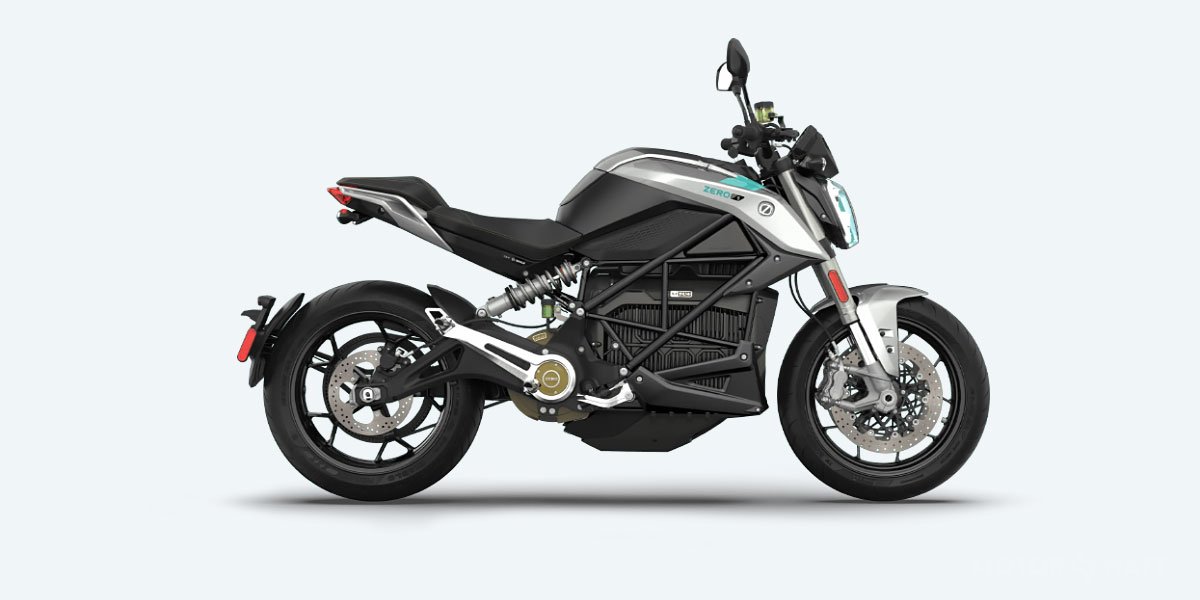


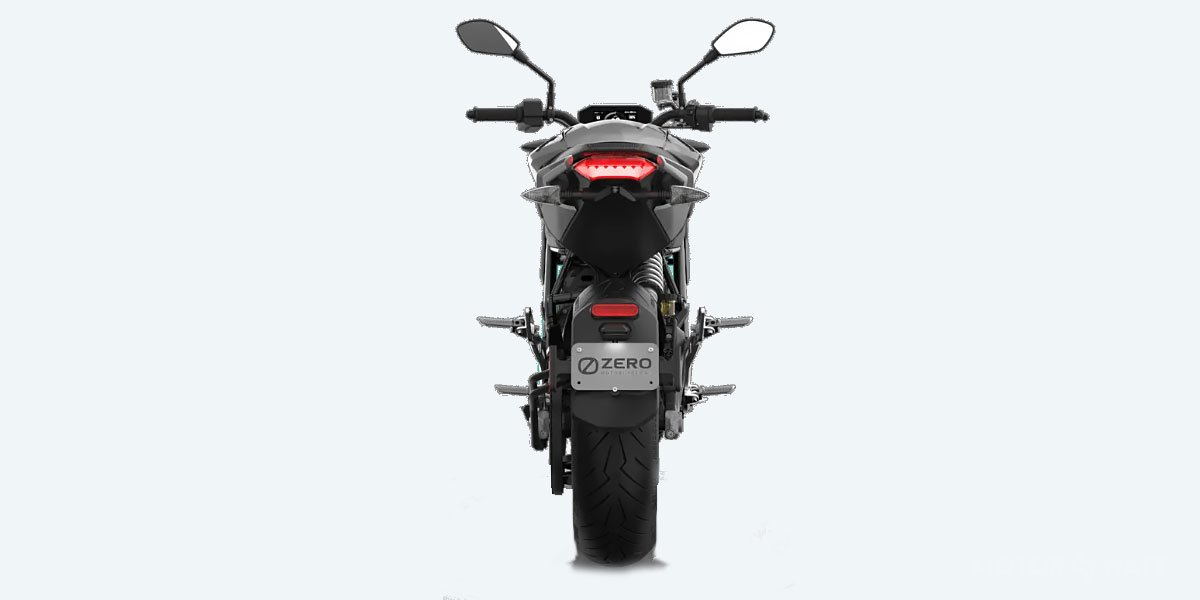
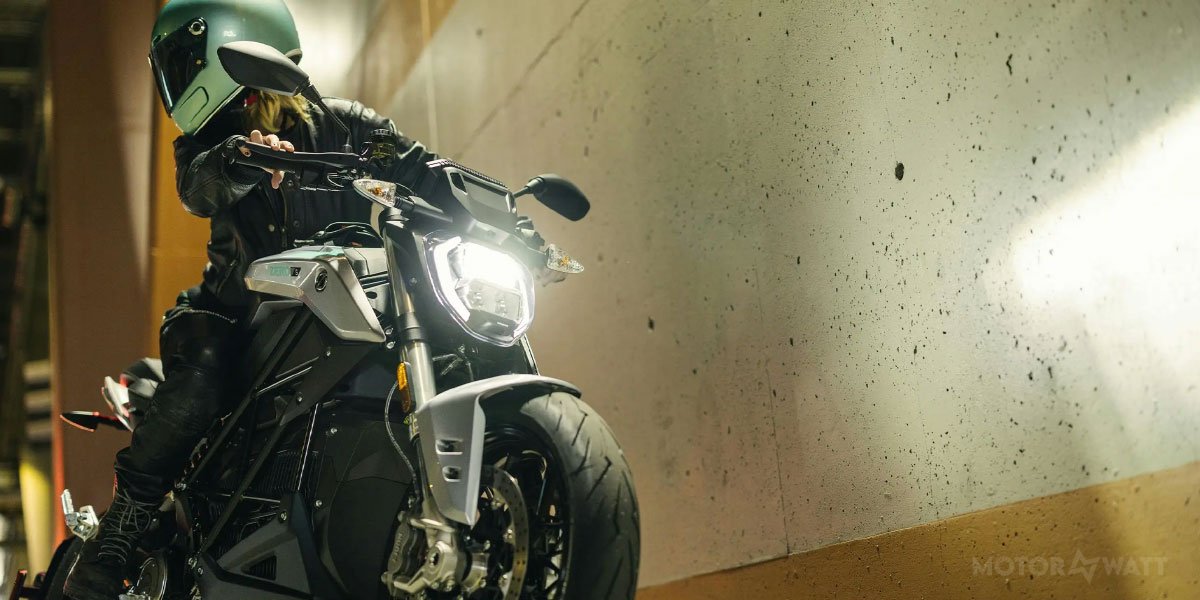
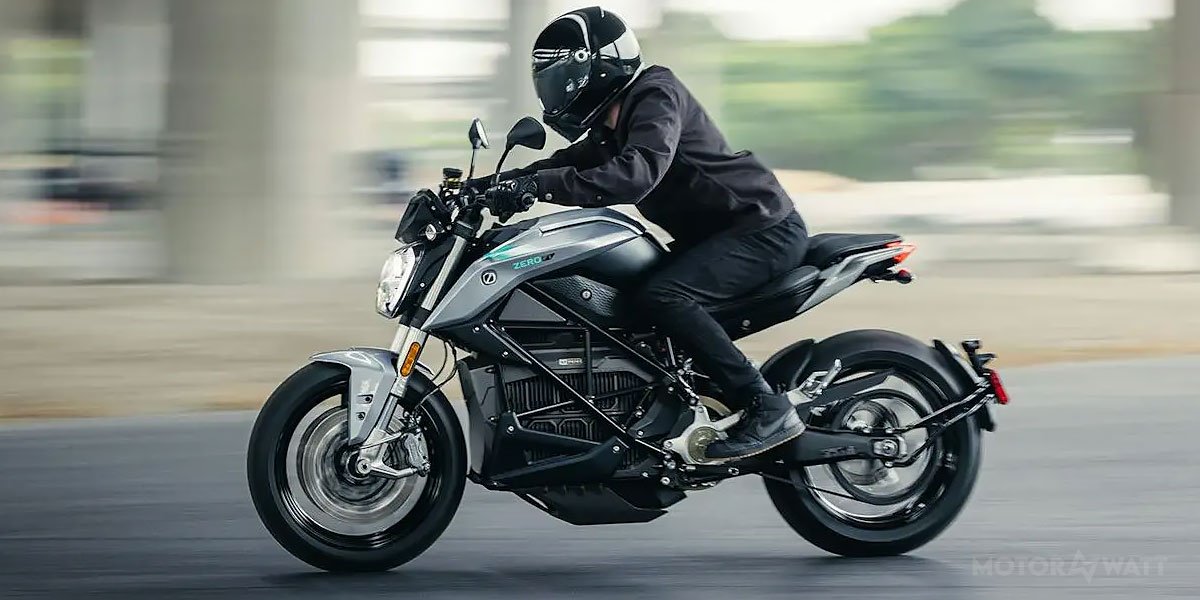
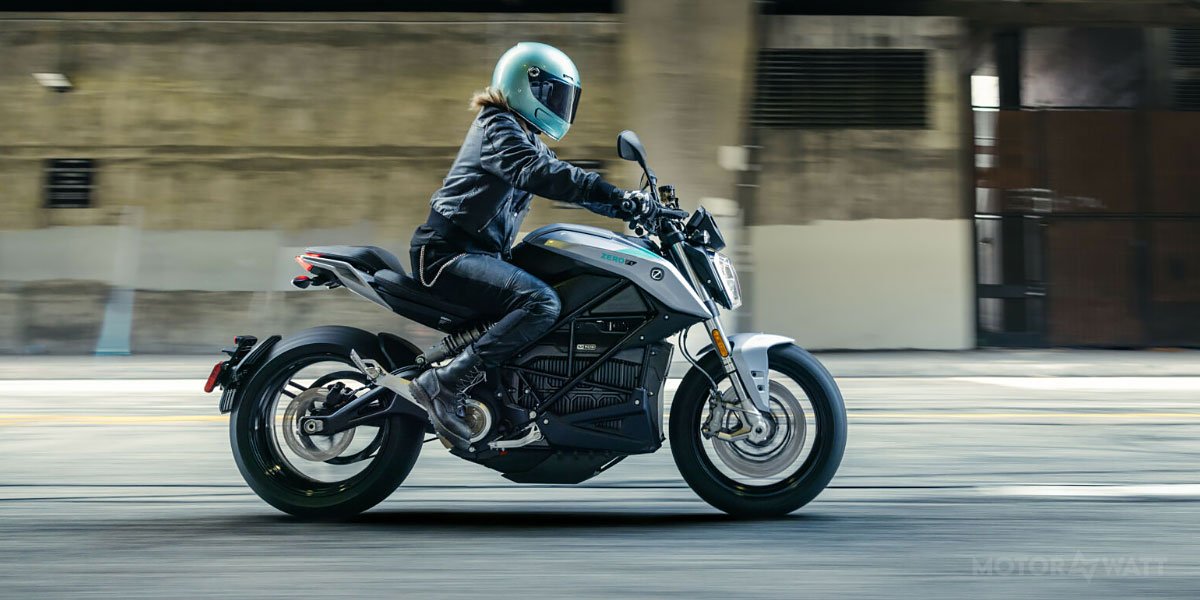
ZERO S 2025 Review: Early Impressions & Tech Analysis
ZERO S 2025 Review: The New Urban Electric Champion
Priced at $14,995 (€13,900) and rolling out of USA factories in 2025, the ZERO S 2025 hits the sweet spot for city riders seeking speed, range, and sustainability. With sharp looks, smart tech, and zippy performance, this lightweight electric bike is perfect for modern commuting without sacrificing thrills or comfort.
Performance and Speed: Agile, Fast, and Ready
Packing 67 hp (50 kW) from its Z-Force 75-5 electric motor, the ZERO S 2025 rips from 0 to 100 km/h (62 mph) in just 4 seconds. With a top speed of 139 km/h (86 mph), it keeps pace with urban traffic while delivering silky smooth, near-silent acceleration thanks to its clutchless belt drive system.
- Power: 67 hp (50 kW)
- Acceleration: 0–100 km/h in 4 seconds
- Top Speed: 139 km/h (86 mph)
- Drive Type: Belt drive (Clutchless direct)
Battery and Range: Built for the City and Beyond
The heart of the ZERO S 2025 is a 14.4 kWh battery, delivering up to 248 km (154 miles) of city range. Even highway cruising won't deplete it too fast, giving about 145 km (90 miles) at steady speeds. Optional quick chargers and the Charge Tank mod slash downtime, with a near-full recharge achievable in just a few hours.
- Battery Capacity: 14.4 kWh
- City Range: 248 km (154 miles)
- Highway Range: 145 km (90 miles)
- Charge Time (standard): 9–12 hours
Handling and Comfort: Lightweight Confidence
With a curb weight of just 142 kg (313 lbs) and a Showa adjustable suspension setup, the ZERO S 2025 handles nimbly through crowded city streets. A low seat height of 807 mm (31.8 inches) ensures most riders find a comfortable perch, while finely tuned front and rear travel smooth out potholes and speed bumps alike.
- Seat Height: 807 mm (31.8 inches)
- Front Suspension Travel: 159 mm
- Rear Suspension Travel: 161 mm
- Chassis: Lightweight aluminum frame
Braking and Safety: Bosch Technology to the Rescue
Safety doesn't take a backseat. Dual disc brakes—320 mm up front and 240 mm rear—paired with Bosch Gen 9 ABS ensure stable, confident stops even under heavy loads or slick conditions. The intelligent system dynamically adapts to road surfaces, providing peace of mind at every squeeze of the lever.
- Front Brake: 320 mm disc with ABS
- Rear Brake: 240 mm disc with ABS
- ABS System: Bosch Gen 9
Technology and Customization: Smart at Every Turn
The Cypher III+ operating system gives you smartphone control over performance settings, ride modes (Eco, Sport, Custom), and even regenerative braking levels. OTA updates keep the ZERO S 2025 fresh, meaning it only gets smarter and more capable with time, just like your favorite gadgets.
- Operating System: Cypher III+
- Riding Modes: Eco, Sport, Custom
- Connectivity: Smartphone app and OTA updates
Value and Market Position: Big Performance, Smart Money
At $14,995 (€13,900), the ZERO S 2025 offers an incredibly competitive package for urban commuters and weekend warriors alike. Lightweight, quick-charging, and cheaper to run than any gas-powered rival, it redefines what city motorcycling can be without hammering your wallet.
- Price: $14,995 (€13,900)
- Manufactured: USA
- Sales Start: 2025
Conclusion
Pros and Cons of the ZERO S 2025
Pros:
- Agile, lightweight build perfect for cities
- Up to 248 km (154 mi) range on a single charge
- Quick 0–100 km/h in 4 seconds
- Smartphone-connected customization via Cypher III+
- Affordable entry price for a premium electric motorcycle
Cons:
- Limited high-speed range compared to larger EVs
- Standard charging slower without upgrade options
- No Level 3 DC fast charging
- Not ideal for two-up touring over long distances
- Sportier riders might want even sharper cornering dynamics
Final thoughts
The ZERO S 2025 turns city commuting into an electric thrill ride with smart tech, strong range, and nimble handling. It’s the future of two-wheeled urban mobility—affordable, efficient, and downright fun to ride.
Watch the Video Overview

