BYD J6 2026: Price, Range, and Technical Specs
BYD J6 is a compact electric minibus built in China for urban transit and community routes. It uses a 105.6 kWh LFP battery delivering up to 200 km or 124 miles of range, supports DC fast charging, carries up to 31 passengers, and reaches 100 kmh. Designed for accessibility and fleet efficiency, it targets municipalities and shuttle operators.


| Starting Price | $175,000 |
| Model Year | 2025 |
| Country of Manufacturing | China |
| Battery Size | 105.6 kWh |
| Official Range | 124 mi |
| Passengers | 31 |
* Minimum price set for the base trim by the manufacturerr, excluding taxes and additional options

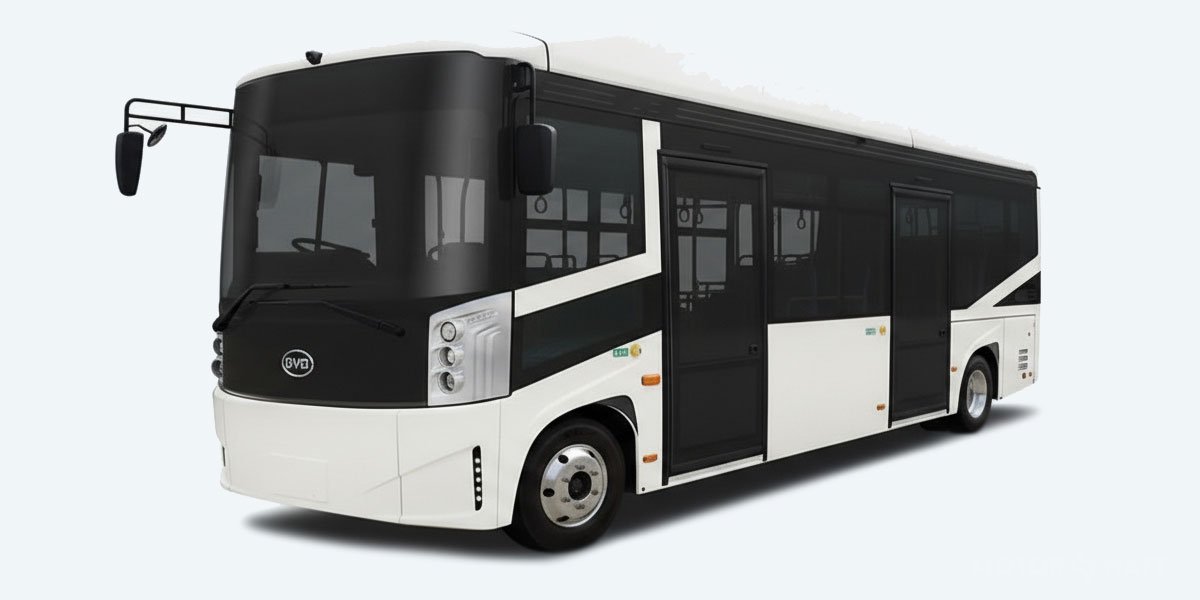
Exterior and Interior photos of BYD J6 2026


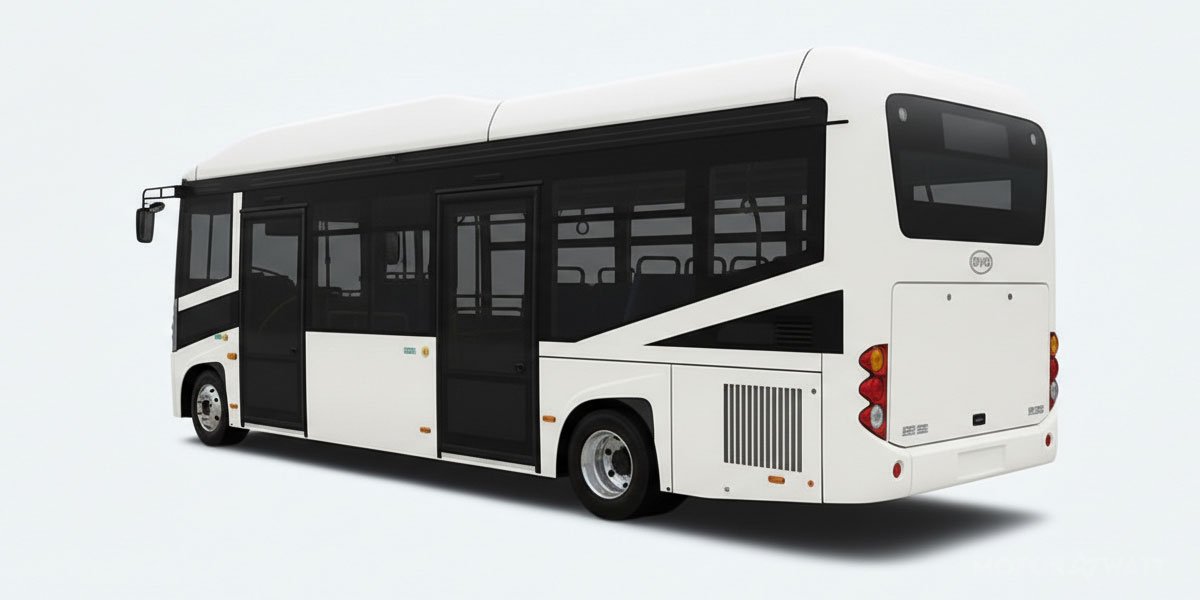
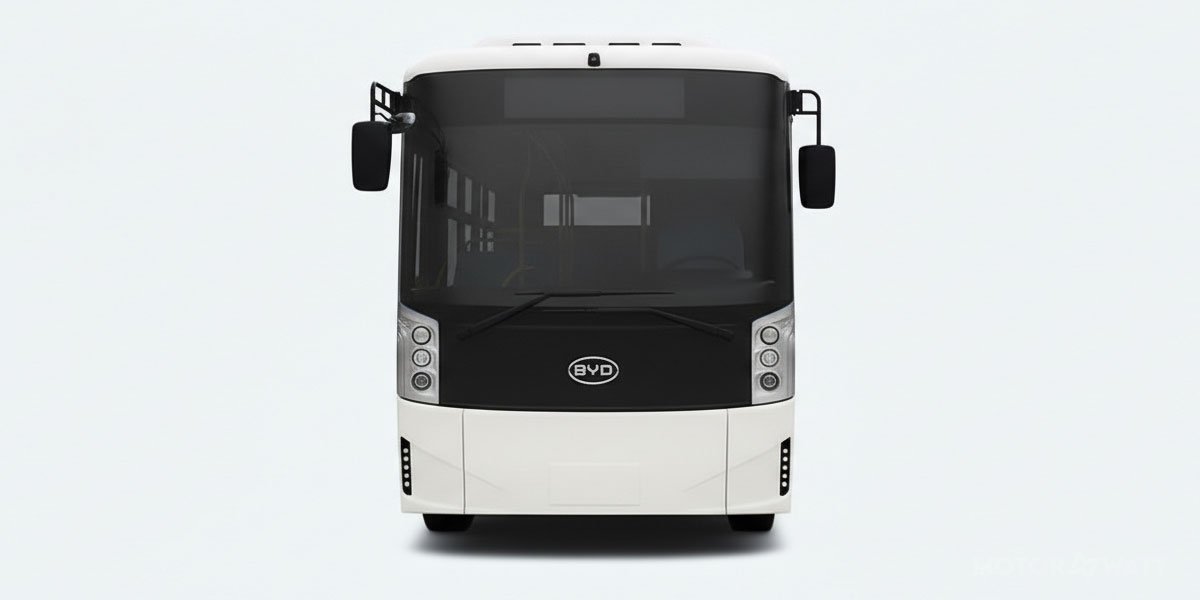
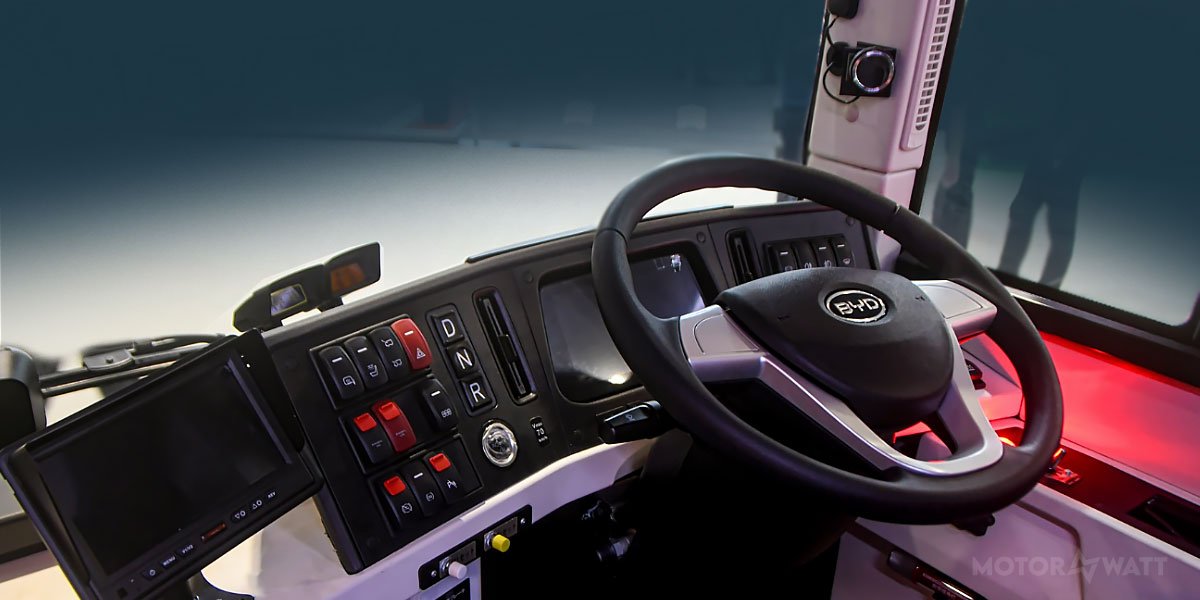
BYD J6 2026 Review: Early Impressions & Tech Analysis
BYD J6 2026 Introduction:
BYD J6 enters the compact electric bus category as a purpose driven solution for dense urban routes and community transport networks. Built in China and shaped by BYD deep commercial EV experience, the J6 focuses on accessibility, operational efficiency, and predictable running costs. The minibus format targets municipalities, airports, and private fleet operators working with short loops and frequent stops. A low floor layout, rear wheel drive configuration, and durable electric drivetrain define the platform. Power comes from a lithium iron phosphate battery designed for daily cycling and long service life. Pricing places the J6 squarely in the professional fleet segment, positioned as a capital asset rather than a consumer purchase.
- Manufacturing origin centers on BYD commercial facilities in China with export focused quality standards.
- Market debut aligns with the 2025 model year rollout into Asian and global urban transit programs.
- Design emphasis favors a compact footprint and low floor accessibility for elderly riders.
- Starting price begins at $175,000 USD (€147,875 EUR) reflecting fleet grade hardware.
- Positioning targets narrow streets, community loops, and short distance shuttle routes.
What is the Price of BYD J6 in 2026?
The BYD J6 price starts at $175,000 USD (€147,875 EUR). That entry figure places it among specialized electric minibuses designed for municipal duty cycles rather than mass transit corridors. Fleet buyers gain predictable ownership costs, long battery life, and simplified maintenance.
| Trim Level | PRICE | KEY FEATURES |
|---|---|---|
|
Base
|
105.6 kWh LFP battery, rear wheel drive, 150 kW motor, up to 25 passengers, AC and DC charging support.
|
|
|
Type I
|
Expanded seating up to 31 passengers, reinforced suspension, fleet telematics, optimized interior flow.
|
|
|
Type II
|
29 passenger configuration, upgraded climate system, enhanced driver monitoring, extended duty components.
|
|
|
Long Range
|
Optional 125 kWh battery, extended operational window, higher curb tolerance, ideal for longer shuttle routes.
|
Each configuration builds around the same compact body while adjusting passenger capacity, battery size, and operational focus. Fleet managers can tailor seating layouts, range expectations, and daily utilization without changing platform fundamentals.
Engine, Battery, and Performance Specs:
Battery & Charging Specifications
Energy storage relies on a 105.6 kWh lithium iron phosphate battery designed for frequent charging cycles. Estimated range reaches 200 km or about 124 miles per charge under urban duty conditions. DC fast charging restores 10 to 80 percent in roughly two hours, while AC charging completes in about seven hours. Battery thermal management supports consistent output in varied climates.
- Battery capacity: 105.6 kWh LFP
- Estimated range: 200 km or 124 miles
- DC charging time: 2 hours 10 to 80 percent
- AC charging time: about 7 hours
Electric Motor Specifications
Propulsion comes from a rear mounted electric motor delivering 150 kW or roughly 201 horsepower. Torque output measures 350 Nm or 258 lb ft, delivered instantly for smooth pull away from stops. Rear wheel drive improves load balance and turning behavior in tight urban environments.
- Motor output: 150 kW or 201 hp
- Torque: 350 Nm or 258 lb ft
- Drive layout: rear wheel drive
- Single motor configuration
Performance Specifications
Acceleration from 0 to 100 kmh takes about 12.5 seconds, tuned for smoothness rather than urgency. Top speed caps at 100 kmh or 62 mph, appropriate for city routes and controlled zones. Regenerative braking recovers energy during frequent stops, extending daily range.
- 0 to 100 kmh: 12.5 seconds
- Top speed: 100 kmh or 62 mph
- Urban optimized acceleration curve
For operators, the advantage lies in quiet operation, predictable response, and low fatigue driving behavior during long shifts.
Exterior and Interior Features
Exterior Design
The exterior follows a functional, box oriented profile measuring 6,990 mm or 22.9 feet in length. Large glass panels improve visibility and passenger comfort. LED lighting front and rear enhances urban safety. Lightweight aluminum body panels support efficiency while withstanding daily service wear. Wheel options center on 17.5 inch steel or alloy designs suited for heavy stop cycles.
Interior & Technology
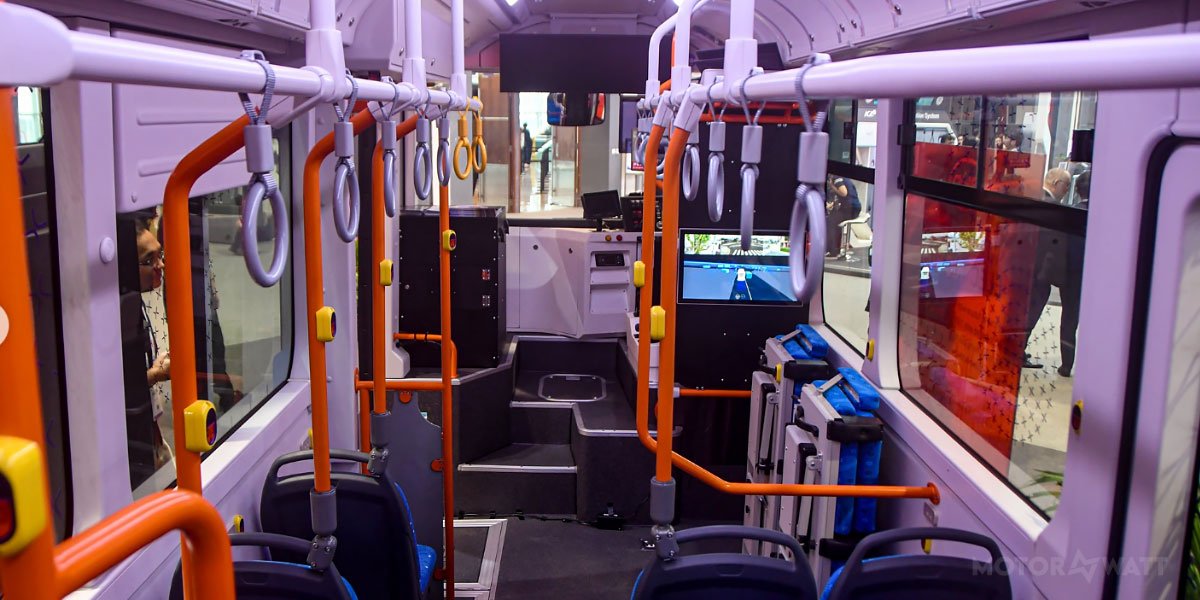
Inside, the cabin uses a low floor layout with wide doors for fast boarding. Seating ranges from 25 to 31 passengers depending on configuration. Digital driver displays track energy use, battery health, and route efficiency. Telematics integration supports GPS tracking and fleet diagnostics. Materials favor durability, easy cleaning, and long term service.
Combined, the interior and exterior prioritize accessibility, uptime, and rider comfort without unnecessary complexity.
Pros and Cons:
Pros
- Compact size suits narrow city streets
- Low floor improves accessibility
- Durable LFP battery chemistry
- Quiet electric operation
- Strong fleet telematics support
Cons
- Range optimized for short routes
- Top speed limited for highway use
- Pricing targets institutional buyers
Market position & Expert Data:
The J6 occupies a focused niche among compact electric community buses. According to Reuters, global electric bus adoption in urban fleets rose over 25 percent year over year entering 2025 as cities prioritize zero emission transit. Data reveals compact platforms gain traction in historic districts where full size buses struggle.
McKinsey research shows total cost of ownership for electric minibuses drops by roughly 30 percent over seven years compared with diesel equivalents. According to McKinsey, battery longevity and simplified drivetrains drive most savings. An MIT Energy Initiative study notes low floor designs improve boarding efficiency by up to 20 percent on community routes.
Conclusion:
BYD J6 serves operators seeking a compact electric bus tailored for urban circulation and community transport. The platform emphasizes accessibility, predictable costs, and daily reliability. For cities balancing narrow streets and aging populations, the package fits real world needs. Fleet buyers gain a focused tool built around efficiency and comfort.
Watch the Video Overview


Full specifications
Model Specs
| Specification | Actual Data |
|---|---|
|
Model Name
|
J6
|
|
Model Year
|
2025
|
|
Manufacturer
|
BYD
|
|
Country of Origin
|
China
|
|
Vehicle Class
|
Compact Electric Bus
|
|
Bus Type
|
Minibus
|
|
Passenger Capacity
|
25 to 31 passengers
|
|
Seats
|
25 seats
|
Performance
| Specification | Actual Data |
|---|---|
|
Powertrain Type
|
Full Electric
|
|
Drive Type
|
RWD
|
|
Maximum Power
|
150 kW (201 hp)
|
|
Maximum Torque
|
350 Nm (258 lb ft)
|
|
Top Speed
|
100 km/h (62 mph)
|
|
Acceleration 0 to 100 km/h (0 to 62 mph)
|
12.5 seconds
|
Battery and Charging
| Specification | Actual Data |
|---|---|
|
Battery Chemistry
|
Lithium Iron Phosphate (LFP)
|
|
Battery Capacity
|
105.6 kWh
|
|
AC Charging Time
|
About 7 hours (full charge)
|
|
DC Charging Time (10 to 80 percent)
|
About 2 hours
|
Estimated Range Data
| Specification | Actual Data |
|---|---|
|
Estimated Range
|
200 km (124 miles)
|
|
Duty Cycle Notes
|
Urban stop and go routes with regenerative braking support daily usability
|
Body Specifications
| Specification | Actual Data |
|---|---|
|
Length
|
6,990 mm (22.93 ft)
|
|
Width
|
2,060 mm (6.76 ft)
|
|
Height
|
3,100 mm (10.17 ft)
|
|
Wheelbase
|
3,650 mm (11.97 ft)
|
|
Curb Weight
|
4,600 kg (10,141 lb)
|
Exterior Design Features
| Specification | Actual Data |
|---|---|
|
Lighting
|
High intensity LED front and rear lighting
|
|
Body Panels
|
Lightweight aluminum body panels
|
|
Wheel Size
|
17.5 inch wheels (steel or alloy)
|
|
Available Colors
|
Municipal liveries, including white and silver
|
Interior Design and Materials
| Specification | Actual Data |
|---|---|
|
Floor Layout
|
Low floor layout for accessibility
|
|
Door Opening
|
Wide doors for wheelchairs and strollers
|
|
Seat Upholstery
|
Durable synthetic materials for transit duty
|
Cabin Technical Features
| Specification | Actual Data |
|---|---|
|
Driver Displays
|
Digital instrument cluster and centralized management display
|
|
Fleet Telematics
|
Commercial vehicle telematics with GPS tracking
|
|
Safety Systems
|
Electronic Stability Control, Hill Start Assist, 360 degree camera monitoring
|
|
Ride and Efficiency Systems
|
Air suspension, regenerative braking, Eco and Power driving modes
|
F.A.Q. about BYD J6 2026
What is the real world driving range on a single charge?
BYD J6 delivers an estimated real world range close to its rated figure when operating on urban routes with frequent stops and regenerative braking.
- Urban duty cycle range about 200 km or 124 miles
- Stop and go routes improve efficiency
- Cold weather may slightly reduce daily range
What battery capacity does this electric minibus use?
J6 uses a 105.6 kWh lithium iron phosphate battery engineered for daily fleet charging and long service life.
How long does it take to charge using AC or DC power?
Charging times support overnight depot charging and quick daytime top ups.
- DC fast charging reaches 10 to 80 percent in about 2 hours
- AC charging completes in roughly 7 hours
How many passengers can the bus carry?
Passenger capacity varies by configuration, supporting community transport and shuttle services.
- Standard layouts seat 25 passengers
- High density layouts support up to 31 passengers
Is this electric bus suitable for highway driving?
Top speed reaches 100 kmh or 62 mph, which suits controlled roads and short highway links rather than extended freeway operation.
What maintenance advantages does an electric minibus offer?
Electric drivetrains reduce routine service needs due to fewer moving parts and simplified power delivery.
- No engine oil changes
- Reduced brake wear from regenerative braking
- Lower long term servicing costs for fleets
Is this vehicle available for purchase in the USA and Europe?
Availability depends on regional fleet programs and distributor agreements, with primary deployments focused on Asia and selected export markets.
What is the purchase price for fleet buyers?
BYD J6 pricing starts at $175,000 USD (€147,875 EUR) for the base configuration, with higher trims priced based on passenger capacity and battery options.
How does an electric community bus reduce environmental impact?
Zero tailpipe emissions improve local air quality while electric operation lowers noise levels in residential and historic city areas.