BYD SEAL Comfort: Price, Range, and Technical Specs
BYD SEAL Comfort electric sedan debuts 2025, boasting a 460 km range and sleek ocean-inspired design. With 231 hp and a top speed of 220 km/h, it combines performance with a luxurious interior and advanced tech features. Discover modern EV elegance.


| Starting Price | $42,530 |
| Model Year | 2025 |
| Country of Manufacturing | China |
| Battery Size | 63 kWh |
| Official Range | 286 mi |
| Power | 231 hp |
* Minimum price set for the base trim by the manufacturerr, excluding taxes and additional options

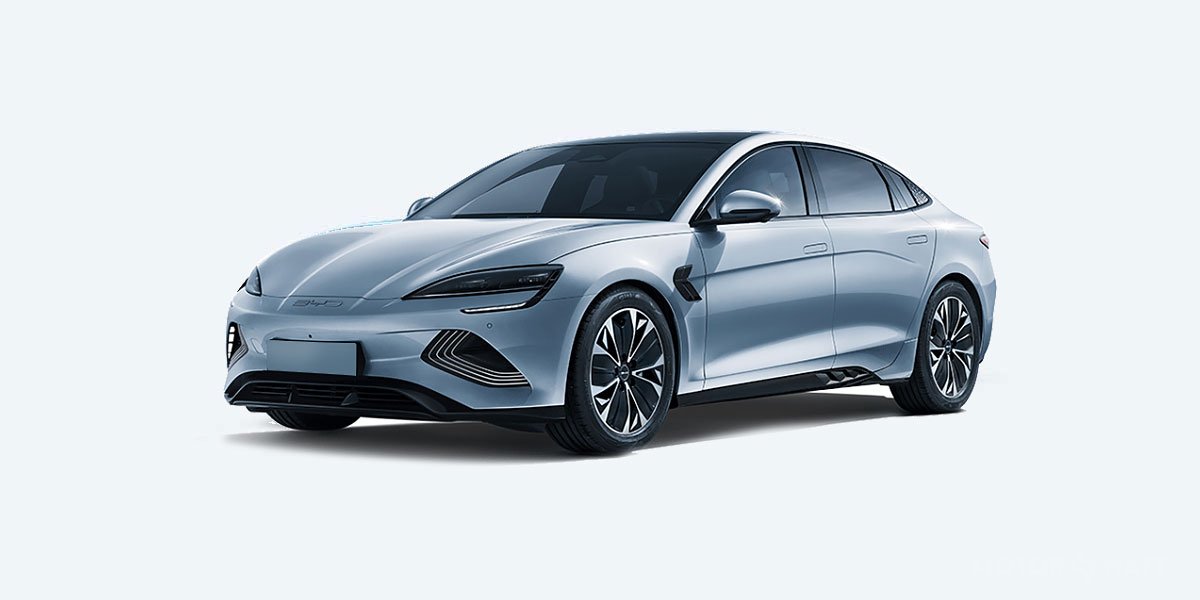
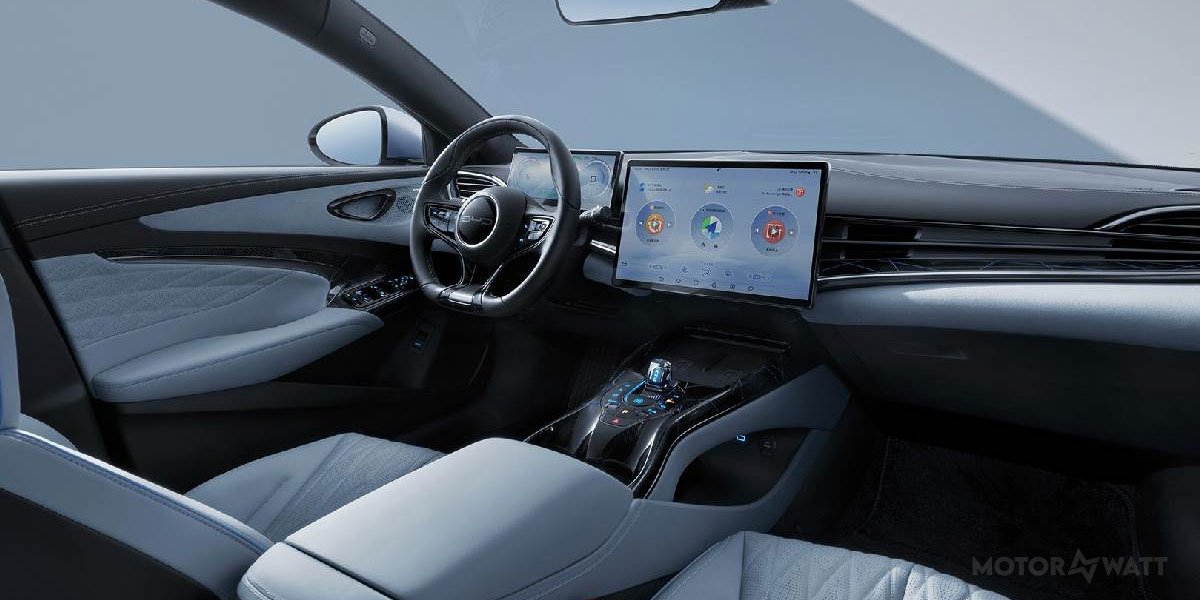
Exterior and Interior photos of BYD SEAL Comfort


BYD SEAL Comfort Review: Early Impressions & Tech Analysis
The BYD SEAL (61.4 kWh RWD), originating from China, is ready to shake up the electric sedan market in 2025 with its audacious design and impressive specs. Positioned as a rival to established electric contenders from Europe and the USA, the SEAL Comfort stands out with its fusion of aesthetics and performance at a price tag of approximately £36,000 or €40,000. But what makes this electric vehicle a worthy contender? Let's dive into the elegant nuances of this upscale offering.
Striking Aesthetic and Dynamic Design
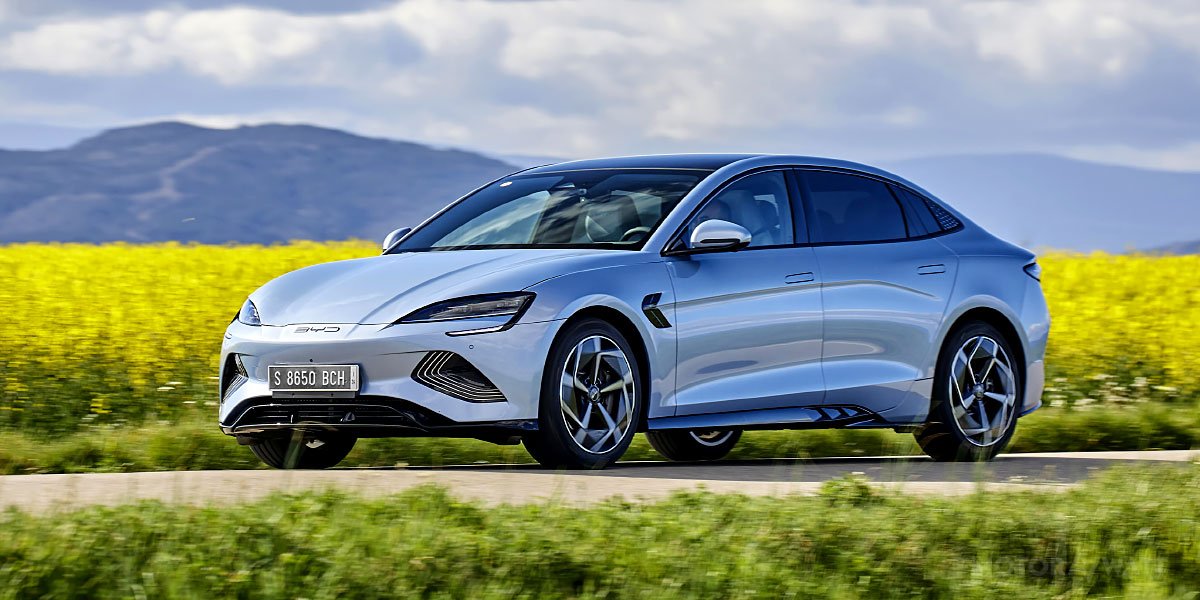
Wrapped in inspiration drawn from ocean waves, the BYD SEAL Comfort showcases a sleek profile, with a body that sits low to the ground, marrying style with aerodynamics. The X-shaped front end coupled with LED illumination crafts a look that's both distinctive and reminiscent of certain European peers. While its similarity might not be universally adored, the coherent design leaves an unmistakable impression.
Interior Sophistication and Spacious Comfort
Step inside, and you'll find a realm of comfort and quality. The SEAL Comfort's cabin is spacious, especially at the front. The ventilated front seats are perfect allies during unpredictable weather changes. Though it can boast high-quality materials and a thoughtful layout, there remains a smidge of less luxurious finishes in the hidden corners. The panoramic sunroof opens the cabin to sky views, though towering passengers in the rear might find headroom a bit pinched.
Performance and Driving Experience
Armed with a 63 kWh battery propelling 231 equine power to the rear wheels, the BYD SEAL Comfort strikes a harmony between pep and economy. It's designed for serene cruising rather than vigorous sprints, achieving a brisk 0 to 100 km/h in 7.5 seconds. While the ride leans toward comfort, the demands of those craving nimble handling may remain unsatisfied. The claimed 460 km range is respectable but not earth-shattering, particularly when the mercury plummets.
Technological Ensemble and Features
The SEAL Comfort is an ode to tech enthusiasts. Dominating the cabin is a 15.6-inch screen capable of rotating between portrait and landscape modes—a clever feature, albeit not the most ergonomic during drives. From digital dashes to climate zones, the gadgetry extends its arms. Yet, interface snappiness and calibration for Western terrains could benefit from a fine-tune.
Charging Performance and Battery Efficiency
Charging isn't where the SEAL Comfort flexes its muscles. The peak DC fast-charging tops out at 150 kW speed, which might leave impatient travelers tapping toes during breaks. The battery employs BYD's novel blade tech, which champions safety over energy density, subtly affecting both reach and recharge speed.
Practicality: Storage and Usability
With a trunk capable of holding 400 liters, the SEAL Comfort's sedan shape has limits against alternatives like hatchbacks. The bonus frunk is a practical touch for stowing charging paraphernalia, yet families might yearn for the flexibility seen in other EV archetypes.
Sales Forecast and Market Positioning
As sales set for 2025 approach, the SEAL Comfort is poised to cater to those who seek a combination of innovation and elegance in their vehicular ventures. BYD Auto has crafted a piece that is both a statement and a practical choice for urban and suburban jaunts alike.
Competitive Edge: Why Choose the SEAL Comfort?
For individuals aligning with environmental consciousness without sacrificing style and modernity, the SEAL Comfort offers an attractive proposition. It's an electric sedan that promises a blend of comfort, gadgetry, and a touch of avant-garde sophistication.
Final Thought: An Electric Contender by BYD
The BYD SEAL Comfort emerges as a compelling alternative in the electric sedan market. With its combination of style, innovation, and comfort, it's poised to appeal to those who are not just looking for a ride, but an experience. Whether it's the harmonious design, tech-fueled cabin, or just the joy of driving an EV with a distinct flair, the SEAL Comfort stands ready to meet the desires of the discerning driver.
Watch the Video Overview

F.A.Q. about BYD SEAL Comfort
What is the range of BYD SEAL Comfort on a single charge?
The BYD SEAL Comfort can achieve a range of approximately 460 kilometers (286 miles) on a single charge, making it suitable for both urban commuting and longer journeys.
How long does it take to fully charge BYD SEAL 61.4 kWh?
Although specific charging times can vary, the BYD SEAL Comfort features a maximum DC fast-charging speed of 150 kW, which is slower than some competitors. This impacts the time needed for a full charge during long trips.
What is the price of a car?
The BYD SEAL Comfort is priced at approximately US$ 42,530. For a rough conversion, this equates to about €38,700 or £33,900, depending on the current exchange rates.
What is battery capacity?
The BYD SEAL Comfort is equipped with a 63 kWh battery, which balances performance and range effectively for urban and highway driving.
What is top speed?
The BYD SEAL Comfort has a top speed of 220 km/h (137 mph), providing ample capability for highway maneuvering and overtaking.
What is total power?
The BYD SEAL Comfort delivers a total power output of 231 horsepower (or approximately 172 kilowatts), offering brisk acceleration for a comfortable driving experience.
What is the acceleration compared to other EVs?
The BYD SEAL Comfort accelerates from 0 to 100 km/h in 7.5 seconds, which is competitive within its class for sedans and provides enjoyable driving dynamics.