Dacia Spring Electric 2026: Price, Range, and Technical Specs
Dacia Spring Electric is a compact front wheel drive electric crossover designed for city use. For 2026, it delivers 70 hp, a 24.3 kWh lithium iron phosphate battery, and a WLTP range of 225 km or 140 miles. Charging supports AC and DC fast options. With pricing starting at $18,500 USD, it targets affordable electric mobility for urban drivers.


| Starting Price | $18,500 |
| Model Year | 2026 |
| Country of Manufacturing | China |
| Battery Size | 24.3 kWh |
| Official Range | 140 mi |
| Power | 70 hp |
* Minimum price set for the base trim by the manufacturerr, excluding taxes and additional options

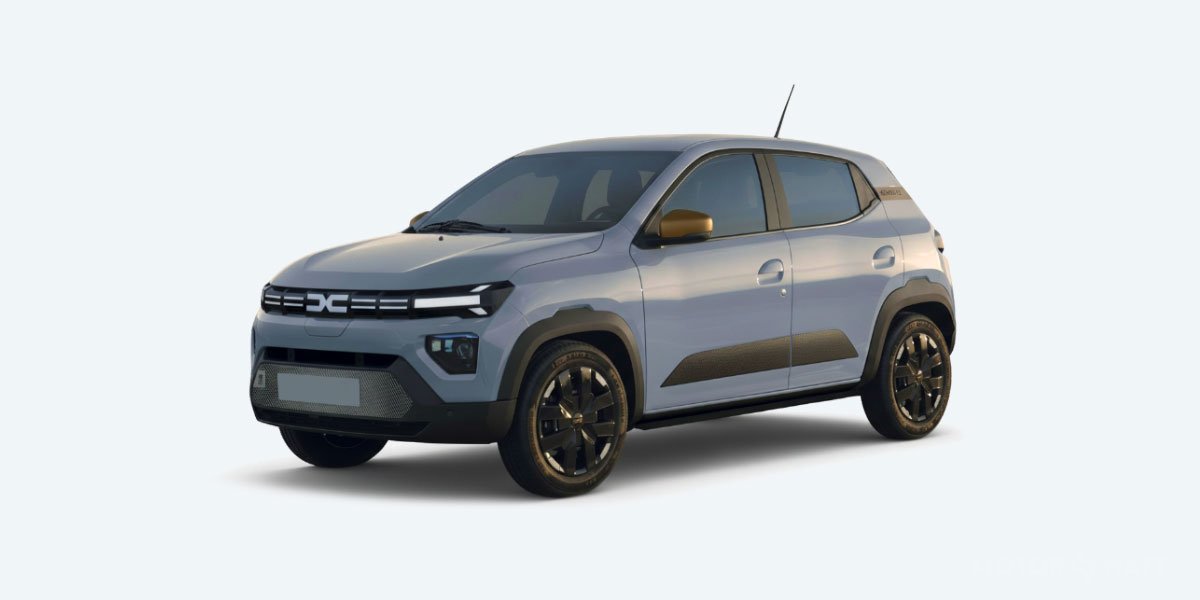
Exterior and Interior photos of Dacia Spring Electric 2026


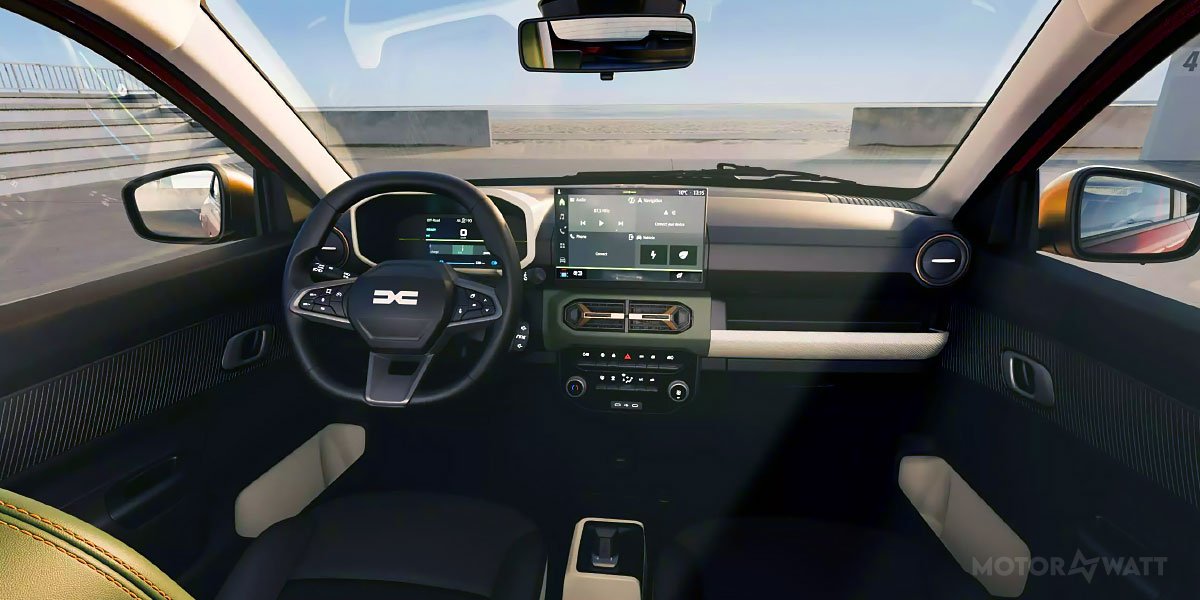
Dacia Spring Electric 2026 Review: Early Impressions & Tech Analysis
Dacia Spring Electric 2026 Introduction:
Dacia Spring Electric arrives for the 2026 model year with a sharper attitude and the same no frills mission. Built under the Renault Group umbrella and assembled in China, the smallest electric SUV shaped city car keeps its focus on affordability, efficiency, and urban practicality. The category sits squarely in the A segment electric crossover space, yet the stance leans tougher than before. Key highlights include a lightweight structure, a compact lithium iron phosphate battery, and front wheel drive tuning aimed at dense city traffic. Pricing stays aggressive, placing electric ownership within reach of first time buyers, students, and urban households seeking a second vehicle.
- Manufacturing story traces back to Renault Group cost engineering with production centralized in China for scale efficiency.
- 2026 unveiling introduces a rugged visual update inspired by the Duster family look.
- Powertrain update adds a stronger 70 hp motor paired with an LFP battery.
- Starting price set at $18,500 USD (€15,910), undercutting most electric rivals.
- Market positioning targets urban mobility over highway touring.
What is the Price of Dacia Spring Electric in 2026?
The Dacia Spring Electric price starts at $18,500 USD (€15,910). That figure anchors the model as one of the lowest cost full electric vehicles available. The price positioning focuses on accessibility rather than luxury, keeping ownership costs predictable for city focused drivers.
| Trim Level | PRICE | KEY FEATURES |
|---|---|---|
|
Essential 70
|
Front wheel drive layout, 70 hp electric motor, 24.3 kWh LFP battery, WLTP range of 225 km or about 140 miles. Standard digital cluster and Media Control system support smartphone integration.
|
|
|
Expression 70
|
Adds upgraded interior trim, alloy style wheels, enhanced infotainment support, and expanded color options while retaining the same battery and motor setup.
|
|
|
Extreme 100
|
Top configuration with rugged exterior accents, larger wheels, unique trim detailing, and a higher output motor option for buyers wanting stronger urban acceleration.
|
Across trims, the formula stays simple. Battery size and city range remain consistent, while equipment levels and visual details separate each version. That strategy keeps production costs in check.
Engine, Battery, and Performance Specs:
Battery & Charging Specifications
The compact lithium iron phosphate battery measures 24.3 kWh usable capacity. WLTP range reaches 225 km, equal to about 140 miles, while urban driving often stretches efficiency further. AC charging at 7 kW restores a full charge in roughly 4.5 hours. DC fast charging supports up to 40 kW, moving from 20 to 80 percent in about 29 minutes.
- Battery capacity 24.3 kWh usable
- WLTP range 225 km or 140 miles
- AC charge time 4 hours 30 minutes at 7 kW
- DC fast charge 20 to 80 percent in 29 minutes
Electric Motor Specifications
A single front mounted electric motor delivers 52 kW or 70 hp with torque output rated at 137 Nm, about 101 lb ft. Power feeds the front wheels through a simple reduction gear, prioritizing smooth delivery and efficiency over outright speed.
- Single motor configuration
- Power output 70 hp or 52 kW
- Torque 137 Nm or 101 lb ft
- Front wheel drive layout
Performance Specifications
Acceleration from 0 to 100 kmh takes 12.3 seconds, equivalent to 0 to 62 mph. Top speed caps at 125 kmh or 78 mph. Numbers favor city streets and suburban roads rather than expressways.
- 0 to 100 kmh in 12.3 seconds
- Top speed 125 kmh or 78 mph
Light curb weight under 1,000 kg or 2,205 pounds sharpens response and limits energy use. That advantage shows daily.
Exterior and Interior Features
Exterior Design
The exterior adopts a tougher crossover posture. Plastic cladding, Y shaped LED running lights, and scratch resistant accents handle urban wear. Length measures 3,701 mm or 145.7 inches, while width sits at 1,583 mm or 62.3 inches. Steel wheels start at 14 inches, dressed to resemble alloys.
Interior & Technology
Inside, a 7 inch digital instrument display comes standard. Media Control relies on smartphone integration, keeping costs down. The YouClip system allows modular storage solutions throughout the cabin. Cargo volume reaches 308 liters or 10.9 cubic feet, expanding to 1,004 liters with seats folded.
Design choices emphasize durability and clarity. Materials favor longevity over luxury, fitting daily commuting needs.
Pros and Cons:
Pros
- Very low entry price for a full electric vehicle
- Excellent efficiency in city driving
- Compact size simplifies parking
- Simple mechanical layout improves reliability
Cons
- Limited highway comfort
- Modest acceleration
- Basic infotainment approach
Market position & Expert Data:
The Spring Electric occupies a rare space as a sub $20,000 electric vehicle. According to McKinsey research, cost parity with combustion cars drives first time EV adoption in urban Europe. Data reveals entry level EV demand rising by over 30 percent in 2025 across dense cities.
Analysts from Harvard Business Review highlight lightweight platforms as key to efficiency gains, noting up to 20 percent lower energy consumption per mile versus heavier crossovers. That trend supports the Spring approach.
Conclusion:
The Dacia Spring Electric serves urban drivers who value cost control, simplicity, and electric access. City agility, low charging costs, and compact dimensions define its appeal. For daily errands and commuting, few options deliver similar value.
Watch the Video Overview


Full specifications
Model Specs
| Specification | Actual Data |
|---|---|
|
Model
|
Dacia Spring Electric
|
|
Model Year
|
2026
|
|
Manufacturer Group
|
Renault Group
|
|
Country of Manufacture
|
China
|
|
Vehicle Class
|
A segment city electric crossover
|
|
Body Type
|
5 door hatchback crossover, small SUV profile
|
Performance
| Specification | Actual Data |
|---|---|
|
Power Type
|
Full electric
|
|
Drive Type
|
FWD, front wheel drive
|
|
Motor Output
|
70 hp (52 kW)
|
|
Torque
|
137 Nm (101 lb ft)
|
|
0 to 62 mph (0 to 100 kmh)
|
12.3 seconds
|
|
Top Speed
|
125 kmh (78 mph)
|
Battery and Charging
| Specification | Actual Data |
|---|---|
|
Battery Chemistry
|
Lithium Iron Phosphate, LFP
|
|
Battery Capacity Usable
|
24.3 kWh
|
|
Nominal Voltage
|
Not specified
|
|
AC Charging Rate
|
7 kW
|
|
Charging Time AC 0 to 100 percent
|
4 hours 30 minutes
|
|
DC Fast Charging Peak Rate
|
40 kW
|
|
Charging Time DC 20 to 80 percent
|
29 minutes
|
Estimated Range Data
| Specification | Actual Data |
|---|---|
|
WLTP Combined Range
|
225 km (140 miles)
|
|
EPA Range
|
Not rated
|
|
Real World Use Case
|
Urban focused driving, best efficiency below 100 kmh (62 mph)
|
Body Specifications
| Specification | Actual Data |
|---|---|
|
Length
|
3,701 mm (145.7 in)
|
|
Width
|
1,583 mm (62.3 in)
|
|
Height
|
1,489 mm (58.6 in)
|
|
Wheelbase
|
2,423 mm (95.4 in)
|
|
Curb Weight
|
984 kg (2,169 lb)
|
|
Turning Circle
|
9.6 m (31.5 ft)
|
|
Cargo Capacity
|
308 L (10.9 cu ft)
|
|
Cargo With Seats Folded
|
1,004 L (35.5 cu ft)
|
Exterior Design Features
| Specification | Actual Data |
|---|---|
|
Lighting Signature
|
Y shaped LED daytime running lights
|
|
Front Design Identity
|
Dacia Link grille with interlocking logo
|
|
Wheel Size
|
14 in steel wheels with stylized covers
|
|
Body Protection
|
Plastic cladding and scuff resistant accents
|
|
Aerodynamic Detail
|
Streamlined hood and subtle rear spoiler
|
|
Available Colors
|
Safari Beige, Brick Red, metallic greys
|
Interior Design and Materials
| Specification | Actual Data |
|---|---|
|
Seating Capacity
|
4 seats
|
|
Upholstery
|
Durable fabric, daily use focused
|
|
Cabin Accents
|
White interior accents for brightness
|
|
Accessory System
|
YouClip modular mounting points
|
|
Child Seat Anchors
|
Isofix points on rear bench
|
Cabin Technical Features
| Specification | Actual Data |
|---|---|
|
Instrument Display
|
7 in digital instrument cluster
|
|
Infotainment Approach
|
Media Control smartphone based interface
|
|
Regenerative Braking
|
B mode for stronger regeneration in traffic
|
|
Driver Assistance Suite
|
Autonomous emergency braking, lane keep assist, traffic sign recognition
|
|
Chassis Stability Detail
|
Revised suspension with anti roll bar for improved stability
|
F.A.Q. about Dacia Spring Electric 2026
What is the usable battery capacity of the Dacia Spring Electric?
The usable battery capacity measures 24.3 kWh, using lithium iron phosphate chemistry focused on durability and daily city efficiency.
What is the real world driving range of the Dacia Spring Electric?
Real world range varies by conditions and driving style.
- City driving up to 260 km or 162 miles
- Mixed use around 200 km or 124 miles
- Cold weather closer to 170 km or 106 miles
How long does it take to charge the Dacia Spring Electric?
The charging time depends on the power source used.
- AC home charging takes about 4.5 hours at 7 kW
- DC fast charging reaches 20 to 80 percent in 29 minutes
Is the Dacia Spring Electric available in the USA?
The model focuses on Europe and selected global markets. It currently lacks US certification and dealer availability.
Is the Dacia Spring Electric suitable for highway driving?
The vehicle performs best in urban environments. Highway use remains possible but limited by a top speed of 125 kmh or 78 mph.
What maintenance does the Dacia Spring Electric require?
Maintenance needs stay minimal due to fewer moving parts, no engine oil, and simplified drivetrain components.
How does the Dacia Spring Electric perform in cold climates?
Cold temperatures reduce range moderately. The LFP battery chemistry improves thermal stability compared to older designs.
What is the expected battery lifespan of the Dacia Spring Electric?
LFP batteries typically retain strong capacity beyond 2,500 charge cycles, supporting many years of daily urban use.
What environmental benefits does the Dacia Spring Electric offer?
Zero tailpipe emissions, low energy consumption, and reduced material usage lower the overall environmental footprint.