Honda 0 SUV 2026: Price, Range, and Technical Specs
The Honda 0 SUV is a mid size electric SUV launching for the 2026 model year. Built in the USA, it uses a dedicated EV platform with a 78 kWh battery targeting 300 miles or 482 km of range. Power reaches 241 hp in rear wheel drive form, with fast 800V charging and advanced AI driven technology.


| Starting Price | $48,500 |
| Model Year | 2026 |
| Country of Manufacturing | USA |
| Battery Size | 78 kWh |
| Official Range | 300 mi |
| Power | 241 hp |
* Minimum price set for the base trim by the manufacturerr, excluding taxes and additional options

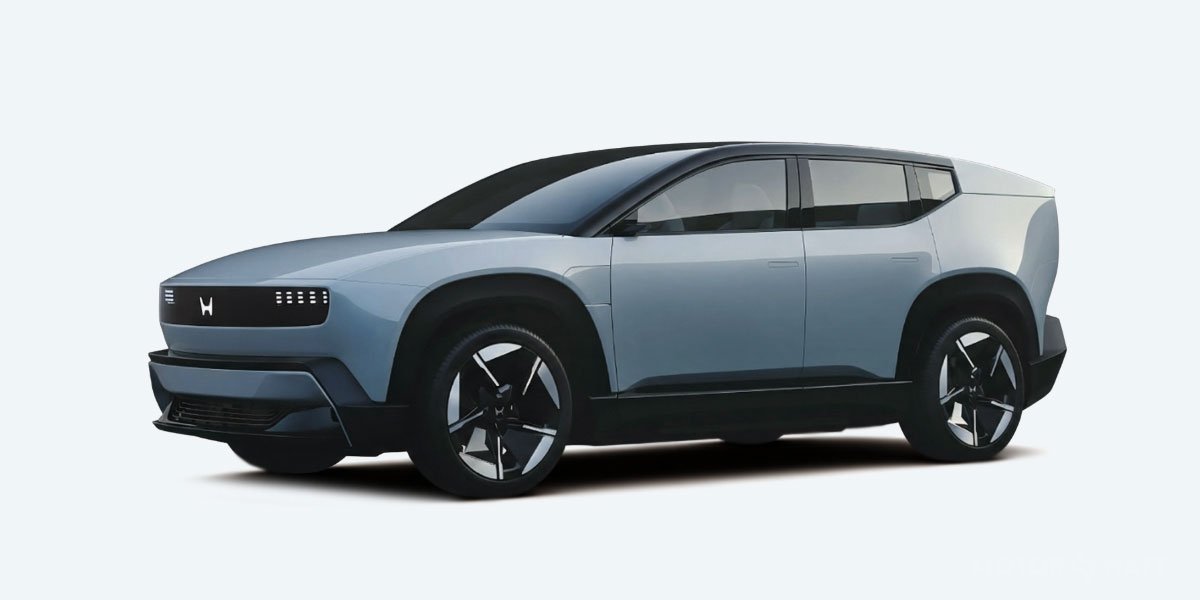
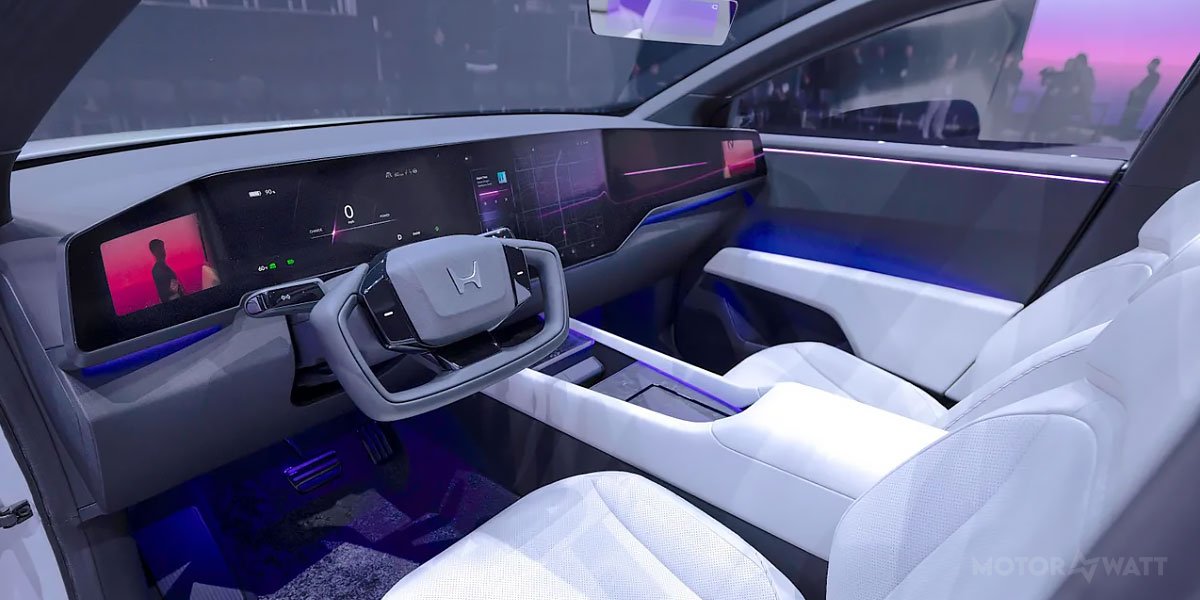
Exterior and Interior photos of Honda 0 SUV 2026


Honda 0 SUV 2026 Review: Early Impressions & Tech Analysis
Honda 0 SUV 2026 Introduction:
Honda 0 SUV arrives as a clean-sheet electric SUV aimed straight at the heart of the mid size crossover market. Built in the United States and launched for the 2026 model year, the vehicle anchors Honda’s 0 Series strategy and previews how the brand plans to scale electric mobility globally. The platform focuses on efficiency first, pairing a low floor layout with a wide cabin footprint and balanced rear wheel drive dynamics. A 78 kWh battery targets about 300 miles or 482 kilometers of range, while output lands at 241 horsepower, enough to keep daily driving relaxed yet responsive. Starting price positioning places the SUV squarely against established electric crossovers while leaning heavily on technology, software, and usability.
- Manufacturing story: Produced at the Honda EV Hub in Ohio using advanced megacasting methods to reduce mass and complexity.
- Unveiling timeline: Public debut aligned with early 2026 global rollout plans.
- Platform highlights: Thin, light, and software driven architecture designed exclusively for electric use.
- Starting price: $48,500 USD (€41,710) for the base Select trim.
- Market position: Mid size electric SUV aimed at families and tech focused drivers.
What is the Price of Honda 0 SUV in 2026?
The Honda 0 SUV price starts at $48,500 USD (€41,710). That entry point positions it competitively within the mid size electric SUV category while offering advanced software, a dedicated EV platform, and rear wheel drive balance. Pricing steps upward with added power, features, and automated driving hardware.
| Trim Level | PRICE | KEY FEATURES |
|---|---|---|
|
Select RWD
|
Single motor rear wheel drive layout producing 241 hp. 78 kWh battery targets 300 miles or 482 km of range. ASIMO OS manages infotainment, driver assistance, and energy flow. Focused on efficiency and interior space.
|
|
|
Sport AWD
|
Dual motor all wheel drive producing up to 469 hp. Faster acceleration, 20 inch wheels, sport tuned suspension, and upgraded interior finishes aimed at drivers seeking stronger performance.
|
|
|
Elite Touring
|
Flagship trim adds Level 3 highway automation hardware, air suspension, premium audio, panoramic glass roof, and expanded driver personalization through AI software.
|
Trim differentiation centers on power output, automated driving capability, and comfort upgrades. Battery capacity remains consistent, while software and hardware layers scale with price.
Engine, Battery, and Performance Specs:
Battery & Charging Specifications
The battery system uses a 78.0 kWh usable pack integrated into a low floor structure. Targeted EPA range lands near 300 miles or 482 kilometers, balancing energy density and mass. An 800 volt electrical architecture supports rapid DC charging, moving from 15 percent to 80 percent in roughly 12 minutes under optimal conditions. That charging speed fits modern highway travel patterns and reduces downtime during longer trips.
- Battery capacity 78.0 kWh usable
- Targeted range 300 miles 482 km
- 800V fast charging capability
- 15 to 80 percent in about 12 minutes
Electric Motor Specifications
The base configuration uses a single rear mounted motor delivering 241 horsepower and 350 Nm or 258 lb ft of torque. Rear wheel drive enhances steering feel and efficiency, especially during steady highway cruising. Dual motor variants add traction and power for drivers prioritizing acceleration and all weather grip.
- Single motor rear wheel drive
- 241 hp 180 kW output
- 350 Nm 258 lb ft torque
- Optional dual motor all wheel drive
Performance Specifications
Acceleration from 0 to 100 km h takes about 6.8 seconds, translating to a brisk yet controlled launch feel. Top speed reaches 180 km h or 112 mph, aligned with efficiency focused tuning. The low center of gravity improves corner stability while keeping ride comfort intact.
- 0 to 100 km h in 6.8 seconds
- Top speed 180 km h 112 mph
- Rear biased weight distribution
For daily use, the setup favors smooth power delivery and predictable handling rather than aggressive tuning.
Exterior and Interior Features
Exterior Design
Exterior proportions follow a boxy, upright profile that maximizes cabin volume. A short hood and long wheelbase highlight the electric layout, while a glass to roof greenhouse improves outward visibility. LED lighting forms a U shaped rear signature, and flush surfaces help manage aerodynamic drag. Overall length measures about 4,725 mm or 186 inches, placing the vehicle firmly in the mid size SUV class.
Interior & Technology
Inside, the cabin focuses on digital interaction and material efficiency. A panoramic display spans the dashboard, adapting layout and content through AI learning. Steer by wire technology enables a compact steering yoke and flexible cockpit packaging. Seating uses recycled and bio based materials, supporting a leather free approach. Cargo capacity reaches 550 liters with seats up and 1,650 liters with seats folded, translating to about 19.4 and 58.3 cubic feet.
Interior design emphasizes openness, software personalization, and practical storage for families and commuters alike.
Pros and Cons:
Pros
- Dedicated EV platform improves space and efficiency
- Fast 800V charging capability
- Advanced AI driven software and driver assistance
- Competitive pricing within mid size EV segment
Cons
- Base trim uses rear wheel drive only
- Advanced autonomy reserved for top trims
- Performance oriented buyers may prefer AWD versions
Market position & Expert Data:
Within the mid size electric SUV category, the model targets buyers seeking software driven features without luxury brand pricing. Production in Ohio supports domestic supply chains and pricing stability. According to McKinsey research, EV platforms using 800 volt systems improve charging efficiency and thermal performance, supporting shorter stop times during long trips.
Research from Harvard Business Review notes that buyers increasingly value software personalization and automated driving readiness. The inclusion of Level 3 capability on upper trims aligns with that trend and positions the SUV competitively through 2026.
Summary:
The Honda 0 SUV brings a measured, technology focused approach to the electric SUV space. Balanced range, fast charging, and software depth define its appeal. Pricing remains grounded while features scale logically across trims. For buyers seeking a practical electric crossover with forward looking tech, the package lands squarely on target.
Watch the Video Overview


Full specifications
Model Specs
| Specification | Actual Data |
|---|---|
|
Model Name
|
Honda 0 SUV
|
|
Model Year
|
2026
|
|
Vehicle Class
|
Mid size electric SUV
|
|
Manufacturer
|
Honda
|
|
Manufacturing Location
|
USA, Ohio EV Hub
|
|
Country of Origin
|
Japan and USA
|
|
Launch Timing
|
Early 2026 rollout, first half of 2026 primary launch
|
Performance
| Specification | Actual Data |
|---|---|
|
Power Type
|
Full electric
|
|
Powertrain
|
Single motor electric drive, base configuration
|
|
Drive Type
|
RWD
|
|
Peak Power
|
241 hp (180 kW)
|
|
Peak Torque
|
350 Nm (258 lb ft)
|
|
0 to 62 mph Acceleration
|
6.8 seconds (0 to 100 km h in 6.8 seconds)
|
|
Top Speed
|
112 mph (180 km h)
|
Battery and Charging
| Specification | Actual Data |
|---|---|
|
Battery Capacity, Net Usable
|
78.0 kWh
|
|
Nominal Voltage
|
800V architecture
|
|
Fast Charging Type
|
DC fast charging, high voltage system
|
|
Fast Charging Rate
|
Not specified
|
|
Charging Time, 15% to 80%
|
About 12 minutes
|
|
Charging Time, 10% to 80%
|
Not specified
|
Estimated Range Data
| Specification | Actual Data |
|---|---|
|
Targeted Range, EPA
|
300 miles (482 km)
|
|
WLTP Range
|
Not specified
|
|
City Range
|
Not specified
|
|
Highway Range
|
Not specified
|
|
Cold Weather Range
|
Not specified
|
Body Specifications
| Specification | Actual Data |
|---|---|
|
Body Type
|
SUV
|
|
Length
|
186.0 in (4,725 mm)
|
|
Width
|
75.2 in (1,910 mm)
|
|
Height
|
64.8 in (1,645 mm)
|
|
Wheelbase
|
Not specified
|
|
Ground Clearance
|
Not specified
|
|
Curb Weight
|
4,365 lb (1,980 kg)
|
|
Cargo Capacity, Seats Up
|
19.4 cu ft (550 L)
|
|
Cargo Capacity, Seats Down
|
58.3 cu ft (1,650 L)
|
Exterior Design Features
| Specification | Actual Data |
|---|---|
|
Design Theme
|
Futuristic boxy silhouette with upright front fascia
|
|
Greenhouse
|
Glass to roof visibility focused layout
|
|
Rear Lighting
|
U shaped LED light signature
|
|
Available Colors
|
Not specified
|
|
Wheel Design
|
Sport AWD includes 20 inch wheels
|
|
Panoramic Roof
|
Elite Touring includes panoramic glass roof
|
|
Active Aerodynamics
|
Not specified
|
Interior Design and Materials
| Specification | Actual Data |
|---|---|
|
Interior Theme
|
Ever advancing space focused on digital user experience
|
|
Material Strategy
|
100 percent leather free, recycled and bio based materials
|
|
Seating and Comfort Upgrades
|
Elite Touring adds premium equipment, air suspension noted for comfort tuning
|
|
Cabin Space Benefit
|
Low floor packaging increases interior volume and improves step in access
|
Cabin Technical Features
| Specification | Actual Data |
|---|---|
|
Operating System
|
ASIMO OS with AI personalization
|
|
Display Layout
|
Panoramic dashboard spanning display
|
|
Steering Technology
|
Steer by wire with retractable yoke concept
|
|
Driver Assistance
|
Next generation AD and ADAS suite
|
|
Automated Driving
|
Level 3 highway capability on Elite Touring
|
|
Audio System
|
Premium audio on Elite Touring
|
F.A.Q. about Honda 0 SUV 2026
What is the real world driving range of the Honda 0 SUV?
The Honda 0 SUV targets about 300 miles or 482 km per charge, with real world range varying by driving style, speed, and climate.
- City driving favors higher efficiency and longer range
- Highway speeds reduce range slightly due to aerodynamic load
- Cold weather may lower range by 10 to 15 percent
How long does it take to charge the Honda 0 SUV?
Thanks to its 800V architecture, the battery charges from 15 to 80 percent in about 12 minutes using high power DC fast charging.
- DC fast charging supports road trip use
- Home AC charging suits overnight replenishment
Is the Honda 0 SUV available for purchase in the United States?
Sales begin in the United States in early 2026, with production based in Ohio to support domestic availability.
What type of drivetrain does the Honda 0 SUV use?
The base configuration uses rear wheel drive, while higher trims add dual motor all wheel drive for added traction and power.
How practical is the Honda 0 SUV for family use?
Interior space benefits from a flat floor layout, offering 550 liters of cargo space with seats up and 1,650 liters with seats folded.
Does the Honda 0 SUV support autonomous driving features?
Upper trims include hardware for Level 3 automated driving on highways, while all models feature advanced driver assistance systems.
How does the Honda 0 SUV perform compared to gasoline SUVs?
Electric torque delivery enables smooth acceleration, reaching 0 to 100 km h in about 6.8 seconds, quicker than many gasoline rivals.
Is the Honda 0 SUV suitable for long distance travel?
Fast charging capability and a 300 mile range make highway travel practical with short, efficient charging stops.
What is the expected battery lifespan of the Honda 0 SUV?
The lithium battery is engineered for long term use, typically supporting many years of driving with gradual capacity reduction.