Huawei Aito M7 2026: Price, Range, and Technical Specs
Huawei Aito M7 is a mid to large luxury SUV from China that pairs a 37 kWh LFP battery and 1.5 liter range extender for about 175 km electric range and 1510 km combined range, with dual motor AWD output of 392 kW 533 hp, 0 to 100 km h in 5.2 seconds and pricing from around US$ 39490 (34040 EUR, 29973 GBP).

| Starting Price | $39,490 |
| Model Year | 2026 |
| Country of Manufacturing | China |
| Battery Size | 37 kWh |
| Official Range | 109 mi |
| Power | 533 hp |
* Minimum price set for the base trim by the manufacturerr, excluding taxes and additional options

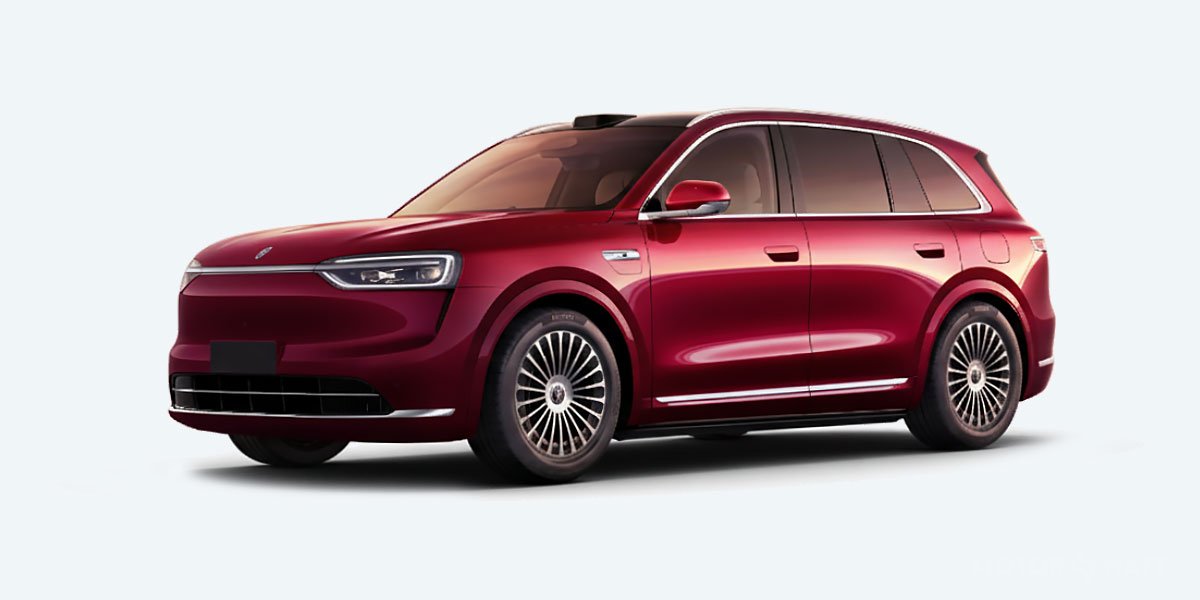
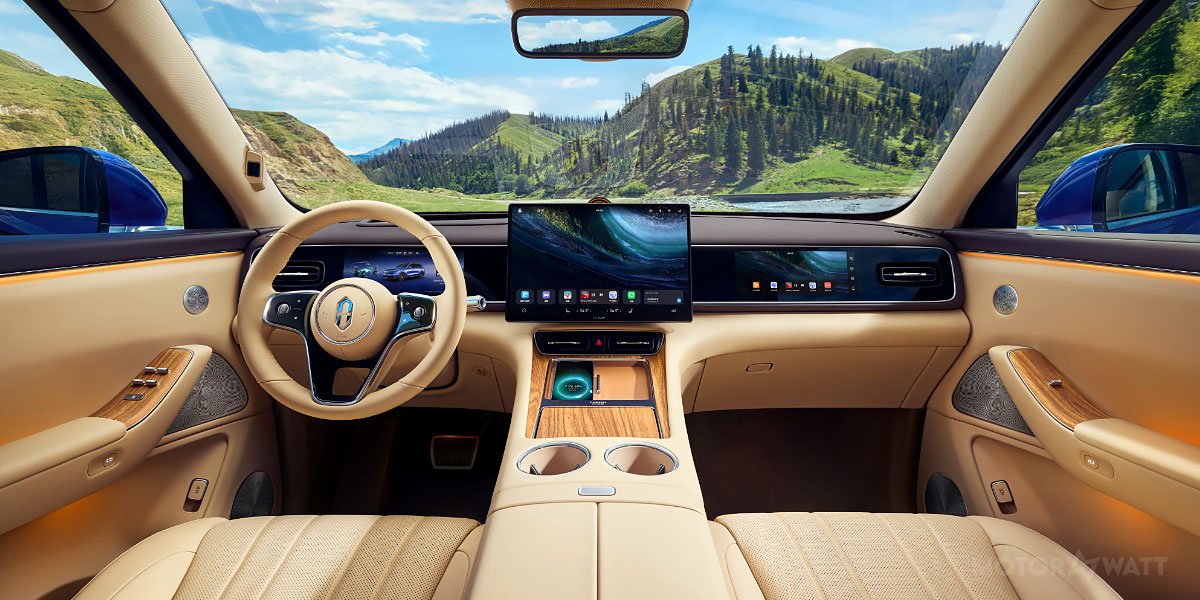
Exterior and Interior photos of Huawei Aito M7 2026


Huawei Aito M7 2026 Review: Early Impressions & Tech Analysis
Huawei Aito M7 luxury tech SUV overview
The Huawei Aito M7 arrives as a Chinese luxury plug in hybrid that leans hard into software, sensors and sheer cabin comfort rather than badge snobbery. Sized as a mid size family crossover but stretching toward full luxury territory, it gives tech focused family buyers a new extended range electric SUV option that feels more like a rolling living room than a simple people mover. Built as a premium new energy vehicle, it mixes electric only driving range with an intelligent range extender system so long distance family travel feels easy even where chargers thin out. Onboard, the HarmonyOS smart cockpit turns the cabin into a giant tablet, while Huawei ADS intelligent driving helps with the grind of traffic and highway slog. For shoppers who care more about how their SUV thinks than how it rumbles, this one lands squarely in the Chinese market premium SUV sweet spot.
- Second generation model for the 2026 year, targeting tech savvy families stepping up from smaller crossovers into a spacious five seat interior or optional six seat layout.
- Co developed by Huawei and Seres as an extended range electric SUV with both EREV and pure BEV choices to suit different charging realities.
- Base EREV Pro plus 5 seat 4WD trim launches with a starting tag near US$ 39490 (34040 EUR, 29973 GBP), carving out an attainable path into the premium new energy vehicle tier.
- Positioned for long distance family travel with a quoted 1510 km combined range, roughly 939 miles, easing range anxiety for early adopters.
- Blends big SUV footprint with a panoramic digital dashboard and 5G connected infotainment to keep kids, clients and parents equally entertained.
Battery, Range and Performance:
Battery, Charging and Range
At the core of the EREV setup sits a 37 kilowatt hour LFP traction battery that powers the wheels directly in most situations, backed by a small petrol generator that only wakes up to feed electrons when needed. Electric only driving range is rated at about 175 kilometers on the CLTC cycle, roughly 109 miles, which covers a full day of errands or a typical urban commute without burning a drop of fuel. When the tank and pack work together the combined range stretches to about 1510 kilometers or around 939 miles, so Beijing to Shanghai or LA to Seattle falls into a single fuel stop territory. Fast DC charging capability lets owners jump from roughly 30 to 80 percent in about 0 point 25 hours, near 15 minutes, for quick top ups on highway runs. For daily life, most owners simply plug in overnight on AC and treat the petrol engine as a quiet, rarely seen backup.
- Battery capacity of 37 kWh using an LFP traction battery chemistry focused on durability and safety.
- Electric only driving range of about 175 km, roughly 109 miles, ideal for zero tailpipe emission city loops.
- Combined range around 1510 km, close to 939 miles, thanks to the intelligent range extender system.
- Fast DC charging capability estimated at roughly 30 to 80 percent in a quarter hour when conditions align.
Performance Specifications
Total system output climbs to a stout 392 kilowatts, about 533 horsepower, delivered through dual motor all wheel drive that can launch the big SUV from zero to 100 kilometers per hour in an estimated 5 point 2 seconds. That figure translates to roughly zero to 62 miles per hour in the same time, putting it in the neighborhood of many performance oriented electric crossovers. Top speed is electronically limited to 200 kilometers per hour, around 124 miles per hour, which more than covers German autobahn and American interstate duties. Torque lands near 563 newton meters, roughly 415 pound feet, giving strong mid range surge for overtakes even with a full load of passengers and luggage. Underneath, a front double wishbone and rear multi link suspension setup keep the mid size family crossover planted over broken pavement while still filtering out the sharp stuff.
- Total system power around 392 kW or 533 hp, feeding a dual motor all wheel drive layout.
- Acceleration from 0 to 100 km h in about 5 point 2 seconds, comparable to many premium battery SUVs.
- Top speed electronically capped near 200 km h, about 124 mph, balancing pace and efficiency.
- Estimated torque in the 563 Nm range, roughly 415 lb ft, supporting confident towing and highway passing.
On the move, the powertrain logic favors electric drive first, only calling on the range extender when the pack drops or when sustained high output is requested. Regenerative braking harvests energy aggressively yet smoothly, offering modes that range from gentle coast to near one pedal feel depending on driver preference. Multiple driving profiles adjust throttle mapping, steering weight and power handoff, so the SUV can feel relaxed in Comfort or sharper in a Sport style setting. The result is a premium new energy vehicle that glides through city streets in near silence, yet stays ready for long distance family travel without constant charger hunting.
Exterior and Interior Features
Exterior design and presence
Outside, the shape follows the brand’s Kunpeng design language with a smooth, almost coupe like roof line laid over classic SUV proportions. At 5080 millimeters long roughly 200 inches or about 16 point 7 feet and 1999 millimeters wide around 78 point 7 inches, the body carries real driveway presence without tipping into unwieldy bus territory. Height stands near 1780 millimeters, about 70 point 1 inches, with a 3030 millimeter wheelbase close to 119 point 3 inches, carving out generous interior space between the axles. A slim air intake on the EREV models differentiates it from the fully closed nose of the BEV variants, while a full width LED light bar stretches across the nose and tail for a distinctive night signature. Clean surfacing, flush or semi hidden door handles and carefully managed shut lines all contribute to aerodynamic efficiency and the sense of a Chinese market premium SUV that earns its status.
Cabin, displays and comfort tech
Step inside and the HarmonyOS smart cockpit takes center stage, creating a panoramic digital dashboard that feels more laptop lounge than old school truck. A full LCD cluster sits ahead of the driver, joined by a large floating central display and, on upper trims, a passenger entertainment panel plus an AR head up display projecting navigation and safety cues directly onto the windshield. The 5G connected infotainment backbone keeps all screens in sync, with ultra fast app launches, voice control that understands natural phrases and a Huawei Sound audio system tuned for cinema like immersion. Seating in the spacious five seat interior is trimmed in supple materials, and higher trims add zero gravity rear seats that recline deeply to cut fatigue on long hauls. Multi zone climate control, refined noise isolation and a flat floor make the cabin feel more lounge than cabin, ideal for tech focused family buyers who spend hours on the road.
Pros and Cons:
Pros
- Extended range electric SUV layout combines a usable electric only driving range with petrol backed security for road trips.
- HarmonyOS smart cockpit and panoramic digital dashboard deliver one of the most advanced interfaces in the segment.
- Huawei ADS intelligent driving with adaptive cruise and lane assist reduces fatigue in traffic and on long highway stretches.
- Spacious five seat interior with available zero gravity rear seats turns long distance family travel into a rolling lounge experience.
- Fast DC charging capability and LFP traction battery chemistry support both quick top ups and long term durability.
Cons
- Complex technology stack and dense menus require a short learning curve for drivers unfamiliar with Huawei ecosystems.
- EREV layout adds mechanical complexity compared with simpler pure BEVs in the same price neighborhood.
- At around 2600 kg curb mass, close to 5732 lb, the SUV feels substantial in tight city maneuvers and parking garages.
- Global availability and support networks outside China may lag behind established legacy luxury brands in the early years.
Prices depending on the trim and options:
Pricing for the core trims keeps the SUV solidly in upper mid tier territory, especially considering the tech loadout and performance on tap. All values below are approximate Chinese market conversions into United States currency with direct projections into Euro and Pound terms using current rates of about 0 point 862 EUR and 0 point 759 GBP for each dollar. For buyers stalking search results with phrases like Huawei Aito M7 review or Huawei Aito M7 price, this is the snapshot that helps frame budget decisions before stepping into a showroom.
| Extended Range Pro+ 5-Seat 4WD | US$ 39490 (34040 EUR, 29973 GBP) |
| Extended Range Pro+ 6-Seat 4WD | US$ 42310 (36471 EUR, 32113 GBP) |
| Pure Electric Max 5-Seat Long Range Edition (RWD) | US$ 45130 (38902 EUR, 34254 GBP) |
| Extended Range Max 5-Seat 4WD | US$ 45130 (38902 EUR, 34254 GBP) |
| Pure Electric Max 5-Seat 4WD | US$ 47950 (41333 EUR, 36394 GBP) |
| Extended Range Ultra 6-Seat 4WD | US$ 50780 (43772 EUR, 38542 GBP) |
| Pure Electric Ultra 6-Seat 4WD | US$ 53600 (46203 EUR, 40682 GBP) |
Shoppers cross shopping Huawei Aito M7 range, Huawei Aito M7 battery and Huawei Aito M7 Extended Range trims will likely gravitate to the Max and Ultra packages, where equipment lists grow thicker and both EREV and pure electric layouts appear. Those more interested in all electric operation will be drawn to Huawei Aito M7 Pure Electric versions, while families needing maximum seating flexibility will zoom in on Huawei Aito M7 6 seat variants in Ultra guise. Search queries around Huawei Aito M7 speed and Huawei Aito M7 2026 also lead directly into these higher trims, where the performance envelope and cabin tech reach their peak.
Summary: tech heavy long range family machine
For families that treat their SUV like a second living room and mobile office, the Huawei Aito M7 serves up extended range electric SUV practicality with genuine luxury high tech flavor. It mixes a comfortable, spacious five seat interior with dual motor all wheel drive punch, a HarmonyOS smart cockpit and Huawei ADS intelligent driving that smooth traffic and highway grind alike. With electric only driving range for daily errands, a huge combined figure for cross country work and pricing that undercuts many traditional luxury rivals, it stands out as a premium new energy vehicle tuned for long distance family travel in the connected era.
Watch the Video Overview


F.A.Q. about Huawei Aito M7 2026
What is the pure electric driving range on a single charge
The plug in hybrid layout provides an estimated 175 kilometers of pure electric range on CLTC, roughly 109 miles. In real mixed city and suburban driving Huawei Aito M7 owners can usually stay in electric mode for most daily trips before the range extender is needed.
How far can the SUV travel on a full battery and tank together
Combined range is quoted around 1510 kilometers which equates to about 939 miles when the battery and fuel tank work as a team. That allows Huawei Aito M7 drivers to handle cross country journeys with far fewer refueling or charging stops than a typical pure BEV.
How quick is the vehicle from a standstill to highway speed
Factory data points to a 0 to 100 km h sprint in about 5 point 2 seconds, close to 0 to 62 mph. That level of punch places the SUV comfortably among performance oriented electric crossovers while still keeping ride comfort and refinement in focus.
What is the top speed and is it sufficient for motorways
Top speed is electronically limited to 200 km h, which equals roughly 124 mph. That ceiling easily covers legal limits on European motorways and American freeways with room in reserve for passing maneuvers.
How large is the battery and what chemistry is used
The EREV setup uses a 37 kWh pack based on LFP cells chosen for stability and long cycle life. That capacity supports the quoted pure electric range while keeping weight in check for better efficiency and handling balance.
What are the key dimensions and interior space highlights
Overall length of 5080 mm about 200 inches, width of 1999 mm around 78 point 7 inches and height of 1780 mm roughly 70 point 1 inches create generous cabin volume. A 3030 mm wheelbase near 119 point 3 inches and at least 686 liters about 24 point 2 cubic feet of cargo room support comfortable family travel.
How much does the base model cost in major currencies
The base extended range Pro plus 5 seat 4WD version of Huawei Aito M7 carries an estimated starting price of US$ 39490, which converts to about 34040 EUR and 29973 GBP. Higher trims with pure electric or Ultra equipment packages climb toward the low to mid fifty thousand dollar band before options.
What charging times should owners expect on AC and DC
On AC power at home, a full recharge from empty typically aligns with an overnight window depending on wall box output, covering daily needs comfortably. On DC fast chargers, the system targets roughly 30 to 80 percent in around 15 minutes for quick energy boosts during long highway stretches.