Hyundai IONIQ 6 2026: Price, Range, and Technical Specs
Hyundai IONIQ 6 is a mid size electric sedan produced in South Korea for the 2026 model year. It uses a 63 kWh battery with a WLTP range of 442 km, rear wheel drive layout, and 149 hp motor. An 800V charging system allows a 10 to 80 percent recharge in about 18 minutes, positioning the sedan as an efficiency focused alternative to electric crossovers.

| Starting Price | $38,500 |
| Model Year | 2026 |
| Country of Manufacturing | South Korea |
| Battery Size | 63 kWh |
| Official Range | 275 mi |
| Power | 149 hp |
* Minimum price set for the base trim by the manufacturerr, excluding taxes and additional options

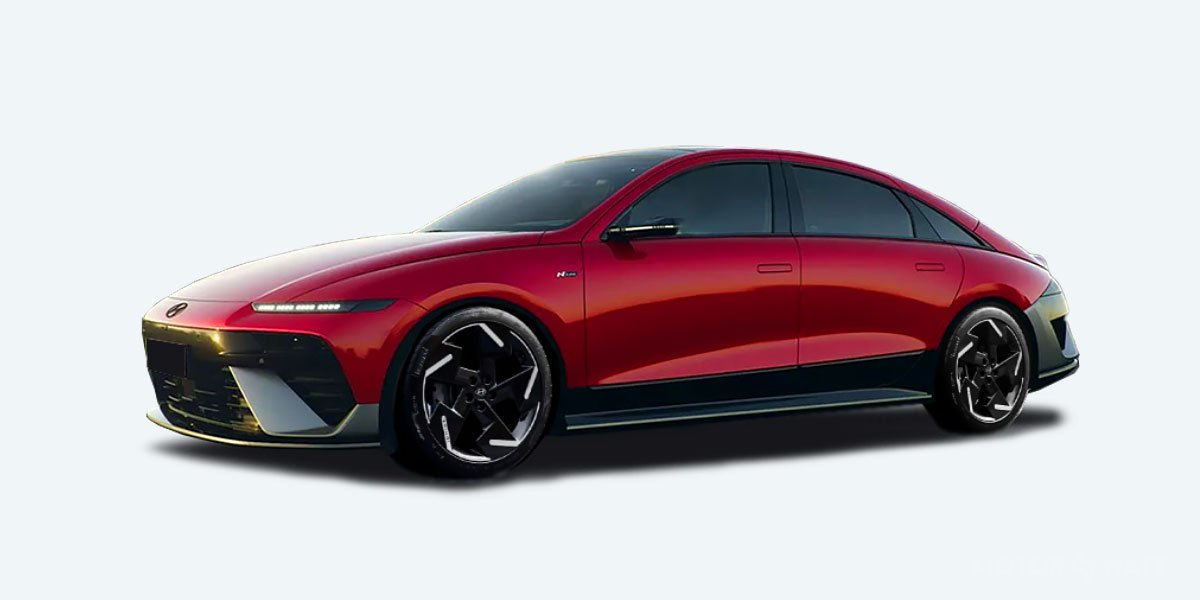
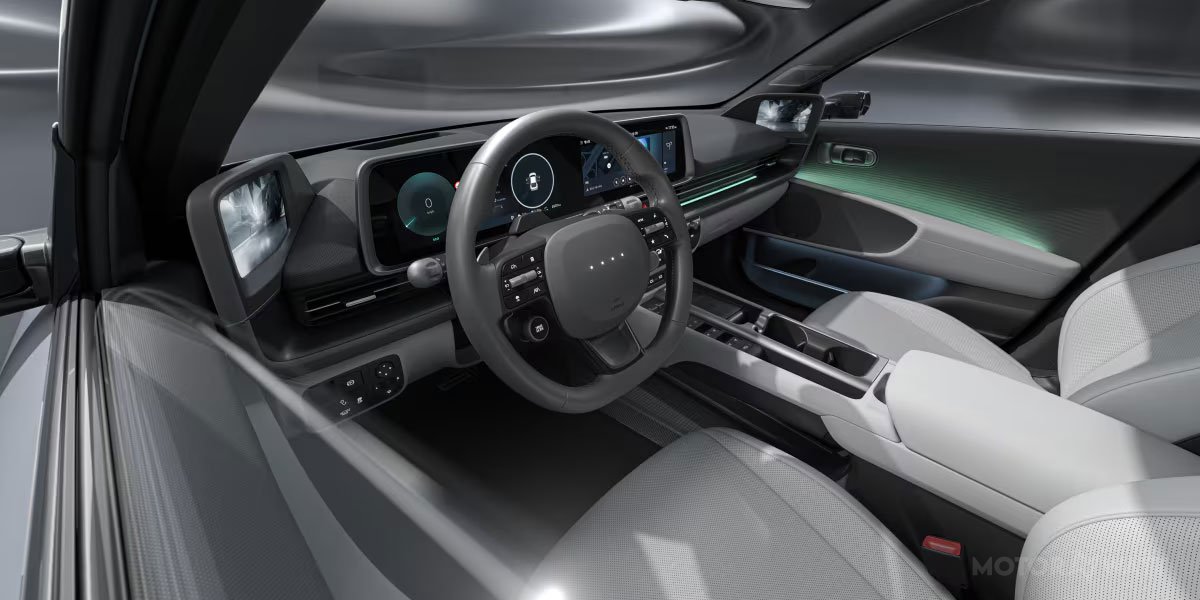
Exterior and Interior photos of Hyundai IONIQ 6 2026


Hyundai IONIQ 6 2026 Review: Early Impressions & Tech Analysis
Hyundai IONIQ 6 2026 Introduction:
Hyundai IONIQ 6 arrives for the 2026 model year as a sleek electric sedan built around efficiency, fast charging, and everyday usability. Developed in South Korea by Hyundai Motor Company, the sedan targets drivers who want long range and quick recharge times without shifting into SUV territory. Aerodynamics lead the story here, shaping both performance and real world driving confidence. Pricing places the sedan within reach of mainstream buyers while preserving advanced electric hardware. Market focus stays on commuters and long distance travelers who value smooth power delivery and quiet cruising.
- Manufacturing takes place in South Korea using the dedicated E GMP electric platform.
- Unveiling follows a mid cycle refresh aimed at efficiency and design clarity.
- New features include updated exterior lighting and refined charging software.
- Starting price begins at $38,500 USD (€32,470).
- Market role centers on range focused electric sedan buyers.
What is the Price of Hyundai IONIQ 6 in 2026?
The base model price starts at $38,500 USD (€32,470). That figure positions the sedan as an efficiency focused alternative within the mid size electric market, balancing accessible pricing with advanced charging capability.
| Trim Level | PRICE | KEY FEATURES |
|---|---|---|
|
SE Standard Range
|
Rear wheel drive layout. 149 hp motor. 63 kWh battery. WLTP range of 442 km or 275 miles. Fast DC charging up to 350 kW. Clean interior layout with dual 12.3 inch displays.
|
|
|
SE Long Range
|
Larger battery option. Extended driving range. Enhanced efficiency tuning. Ideal for highway commuters and frequent travelers.
|
|
|
SEL
|
Added comfort features. Upgraded driver assistance. Expanded interior materials and connectivity upgrades.
|
|
|
Limited
|
Premium interior finish. Advanced lighting. Larger wheels. Enhanced safety technology.
|
|
|
IONIQ 6 N
|
Performance tuned setup. Higher output motors. Sport suspension. Driver focused calibration.
|
Each trim targets a different driving profile. Base versions focus on efficiency and charging speed. Upper trims add comfort and performance oriented hardware.
Engine, Battery, and Performance Specs:
Battery & Charging Specifications
The sedan uses a 63 kWh battery pack engineered for consistent output and thermal stability. WLTP range reaches 442 km or 275 miles under standardized testing. Real world use favors steady highway speeds and urban stop and go driving. Fast charging stands out thanks to 800V architecture. A 10 to 80 percent recharge takes about 18 minutes on a 350 kW DC charger.
- Battery capacity 63 kWh
- WLTP range 442 km 275 miles
- DC fast charging 10 to 80 percent in 18 minutes
Electric Motor Specifications
Power comes from a single rear mounted electric motor delivering 149 hp or 111 kW. Torque output reaches 350 Nm or 258 lb ft. Rear wheel drive supports balanced handling and predictable traction. Power delivery stays smooth and linear for daily driving.
- Power output 149 hp 111 kW
- Torque 350 Nm 258 lb ft
- Drive type rear wheel drive
Performance Specifications
Acceleration from 0 to 100 km h takes 8.8 seconds. Top speed reaches 185 km h or 115 mph. Numbers favor efficiency rather than outright speed. Low center of gravity enhances road stability.
- 0 to 100 km h 8.8 seconds
- Top speed 185 km h 115 mph
For owners, strengths come from predictable performance, quick charging, and relaxed long distance comfort.
Exterior and Interior Features
Exterior Design
The exterior follows a streamlined sedan profile shaped by aerodynamics. Lighting adopts a split lamp layout with slim LED elements. Active air flaps manage cooling flow. Drag coefficient remains among the lowest in the segment. Wheel options start at 18 inches with aero focused designs. Color choices include metallic and matte finishes.
Interior & Technology
Inside, the cabin focuses on space and visibility. A flat floor improves legroom. Dual 12.3 inch screens handle driving data and infotainment. Updated software improves response time. Wireless smartphone integration comes standard. Eco friendly materials appear throughout seating and trim.
Exterior efficiency pairs well with a calm and functional interior aimed at long drives and daily commuting.
Pros and Cons:
Pros
- Strong charging speed for the price class
- Excellent aerodynamic efficiency
- Comfortable ride quality
- Spacious cabin for a sedan
Cons
- Base power output favors efficiency over sportiness
- Sedan body style limits cargo flexibility
Market position & Expert Data:
The sedan holds a distinct position as an efficiency leader within electric sedans. According to Reuters, demand for non SUV electric cars grows steadily in urban markets during 2025 and 2026. Research shows charging speed ranks among top purchase factors for EV buyers.
Industry analyst insights from McKinsey indicate vehicles using 800V systems reduce ownership downtime by over 30 percent compared with 400V platforms. That advantage supports long distance travel and fleet usage.
Summary:
The 2026 model stands as an efficiency driven electric sedan built for modern commuting and extended travel. Fast charging, aerodynamic design, and practical pricing create strong appeal for drivers seeking electric simplicity with advanced hardware.
Watch the Video Overview


Full specifications
Model Specs
| Specification | Actual Data |
|---|---|
|
Model Name
|
IONIQ 6
|
|
Model Year
|
2026
|
|
Body Type
|
Sedan
|
|
Manufacturer
|
Hyundai Motor Company
|
|
Country of Origin
|
South Korea
|
|
Platform
|
E GMP
|
|
Starting Price
|
$38,500 USD
|
Performance
| Specification | Actual Data |
|---|---|
|
Power Type
|
Full electric
|
|
Drive Type
|
RWD rear wheel drive
|
|
Power Output
|
149 hp (111 kW)
|
|
Torque
|
350 Nm (258 lb ft)
|
|
Acceleration 0 to 62 mph
|
8.8 seconds (0 to 100 km h)
|
|
Top Speed
|
115 mph (185 km h)
|
Battery and Charging
| Specification | Actual Data |
|---|---|
|
Battery Capacity
|
63 kWh
|
|
Nominal Voltage
|
800 V architecture
|
|
Fast Charging Rate
|
Up to 350 kW DC
|
|
Charging Time 10 to 80 percent
|
About 18 minutes DC
|
|
Range Added in 5 Minutes
|
About 62 miles (100 km)
|
Estimated Range Data
| Specification | Actual Data |
|---|---|
|
WLTP Range
|
275 miles (442 km)
|
|
Electric EPA Range
|
Not specified
|
|
City Range
|
Not specified
|
|
Highway Range
|
Not specified
|
|
Cold Weather Range
|
Not specified
|
Body Specifications
| Specification | Actual Data |
|---|---|
|
Length
|
191.1 in (4,855 mm)
|
|
Width
|
74.0 in (1,880 mm)
|
|
Height
|
58.9 in (1,495 mm)
|
|
Wheelbase
|
116.1 in (2,950 mm)
|
|
Curb Weight
|
3,913 lb (1,775 kg)
|
|
Cargo Capacity Rear
|
14.2 cu ft (401 L)
|
|
Cargo Capacity Front
|
1.6 cu ft (45 L)
|
Exterior Design Features
| Specification | Actual Data |
|---|---|
|
Drag Coefficient
|
0.21
|
|
Front Lighting
|
Split lamp layout with slim LED daytime running lights
|
|
Active Aerodynamics
|
Active air flap system
|
|
Rear Aero Detail
|
Ducktail spoiler
|
|
Wheel Size
|
18 in (457 mm) aero optimized alloy wheels
|
|
Available Colors Mentioned
|
Serenity White Pearl, Ultimate Red Metallic
|
Interior Design and Materials
| Specification | Actual Data |
|---|---|
|
Interior Layout Theme
|
Mindful Cocoon layout with flat floor
|
|
Center Console
|
Bridge style console
|
|
Materials
|
Bio PET headliner fabric, recycled fishing net carpets, eco processed leather
|
|
Climate Control Interface
|
Physical buttons with refined tactile feedback
|
Cabin Technical Features
| Specification | Actual Data |
|---|---|
|
Instrument Cluster Display
|
12.3 in (312 mm) digital cluster
|
|
Infotainment Display
|
12.3 in (312 mm) touchscreen
|
|
Display Housing
|
Single curved glass panel
|
|
Navigation and Interface
|
Connected Car Navigation Cockpit ccNC
|
|
Smartphone Integration
|
Wireless Apple CarPlay and Android Auto
|
|
Driver Assistance Suite
|
SmartSense with Forward Collision Avoidance Assist 2.0, Blind Spot View Monitor, Highway Driving Assist
|
|
Regenerative Braking
|
i Pedal 3.0 one pedal driving
|
|
Steering Wheel Feature
|
Interactive pixel lights for status prompts
|
F.A.Q. about Hyundai IONIQ 6 2026
What is the usable battery capacity and real driving range?
Hyundai IONIQ 6 uses a 63 kWh battery and delivers up to 442 km or about 275 miles of WLTP range, with efficiency focused tuning for daily driving.
- Urban driving favors maximum range
- Highway range remains stable thanks to low drag design
How long does fast charging take on public DC chargers?
Using its 800V electrical system, charging from 10 to 80 percent takes about 18 minutes on a 350 kW DC fast charger.
Is this electric sedan available for purchase in the USA and Europe?
Hyundai IONIQ 6 is offered in both the United States and major European markets, with sales expected to begin in early 2026.
How does performance compare with gasoline powered sedans?
Instant torque delivery provides smooth acceleration to 100 km h in 8.8 seconds, offering quicker response than many traditional sedans.
Is long distance travel practical with an electric sedan?
Long range capability combined with ultra fast charging supports extended highway travel with shorter and fewer charging stops.
What maintenance requirements should owners expect?
Routine maintenance stays minimal since electric vehicles avoid oil changes and reduce brake wear through regenerative braking.
Are electric vehicles suitable for cold climate driving?
Cold temperatures can lower range slightly, yet advanced battery management and cabin preconditioning help maintain usability.
What is the starting price in the United States?
Hyundai IONIQ 6 starts at $38,500 USD with an approximate converted price of €32,470, positioning it competitively among electric sedans.
What is the expected lifespan of the battery pack?
Hyundai IONIQ 6 battery systems are engineered for long term durability, commonly delivering reliable performance for 8 to 10 years or more.