Hyundai Kona Electric 2026: Price, Range, and Technical Specs
Hyundai Kona Electric 2026 is an electric subcompact SUV built in South Korea with a 48.4 kWh battery and 377 km 234 mile WLTP range. It produces 154 hp, accelerates 0–100 km/h in 8.8 seconds, and reaches 162 km/h top speed. Priced from $33,500 (€28,462), it offers dual 12.3-inch displays, SmartSense safety, and fast DC charging in 41 minutes.

| Starting Price | $33,500 |
| Model Year | 2026 |
| Country of Manufacturing | South Korea |
| Battery Size | 48.4 kWh |
| Official Range | 234 mi |
| Power | 154 hp |
* Minimum price set for the base trim by the manufacturerr, excluding taxes and additional options

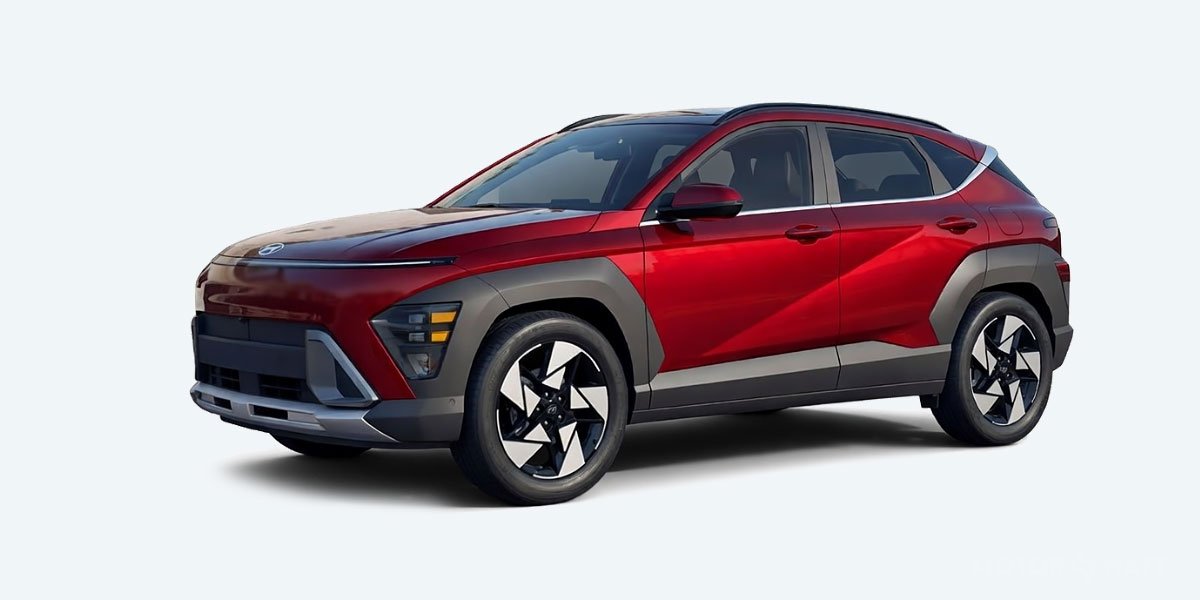
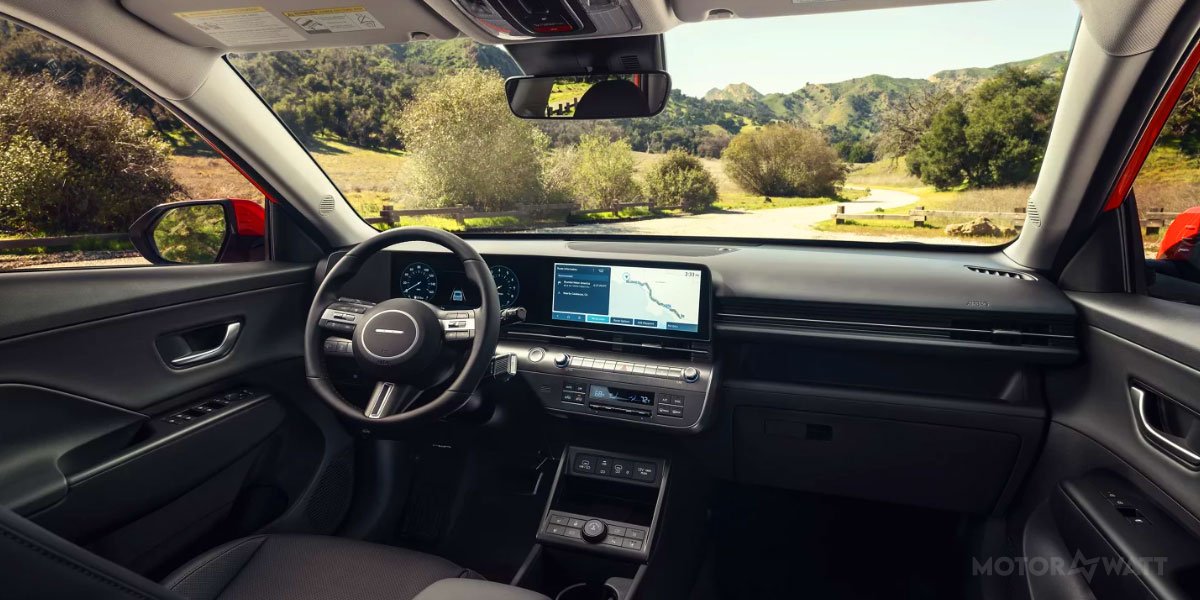
Exterior and Interior photos of Hyundai Kona Electric 2026


Hyundai Kona Electric 2026 Review: Early Impressions & Tech Analysis
Hyundai Kona Electric 2026 Introduction:
Hyundai Kona Electric enters 2026 as a sharp-edged, tech-forward electric subcompact SUV built in South Korea for drivers who crave efficiency without surrendering everyday practicality. This compact EV SUV anchors Hyundai electrification strategy and targets young professionals and small families who value urban maneuverability. It rides on a dedicated electric platform philosophy, highlighted by a 48.4 kWh battery and a WLTP range of 377 km, equal to 234 miles. With 154 horsepower driving the front wheels, it balances brisk city response with energy discipline. The starting price sits at $33,500 USD (€28,462), placing it firmly in the affordable electric crossover segment. Think of it as a smart step into battery power without financial vertigo. And yes, it carries the digital flair buyers now expect from a modern EV.
- Manufactured in South Korea by Hyundai Motor Company as part of its expanding EV portfolio.
- Model year 2026, third year of the second-generation design.
- Base price $33,500 USD (€28,462), positioned as an accessible entry into electric SUV ownership.
- Key highlights include 48.4 kWh battery, 377 km WLTP range, and SmartSense safety suite.
- Primary differentiator: EV-first design with futuristic Seamless Horizon Lamp styling.
What is the Price of Hyundai Kona Electric in 2026?
The Hyundai Kona Electric price starts at $33,500 USD (€28,462). That figure positions it among the most attainable electric subcompact SUVs in North America and Europe, appealing to budget-focused EV adopters seeking modern range and technology.
| Trim Level | PRICE | KEY FEATURES |
|---|---|---|
|
SE (Standard Range)
|
48.4 kWh battery, 154 hp front-wheel drive, 377 km (234 miles) WLTP range, 0–100 km/h in 8.8 seconds, 17-inch aero wheels, SmartSense safety, dual 12.3-inch curved displays, 466 L cargo capacity.
|
|
|
SEL (Long Range)
|
Extended battery option, enhanced range, upgraded interior materials, advanced driver assistance calibration, additional connectivity features.
|
|
|
N Line (Long Range)
|
Sport-styled exterior, unique wheels, performance tuning adjustments, sport interior accents, advanced digital interface.
|
|
|
Limited (Long Range)
|
Premium materials, expanded tech suite, enhanced driver assistance, panoramic display refinements, upscale cabin appointments.
|
Across trims, buyers select between value-focused efficiency and upgraded range plus luxury features. Even the base SE provides strong electric SUV specs for daily commuting. Higher trims elevate comfort and connectivity while maintaining the compact footprint ideal for city life.
Engine, Battery, and Performance Specs:
Battery & Charging Specifications
The 48.4 kWh usable battery underpins the Hyundai Kona Electric range rating of 377 km or 234 miles WLTP. Real-world urban commuting typically delivers close to that estimate thanks to regenerative braking. AC charging at 11 kW replenishes from 10 to 100 percent in 4 hours 45 minutes. DC fast charging at 100 kW fills 10 to 80 percent in about 41 minutes. And the i-PEDAL mode maximizes energy recapture during stop-and-go driving.
- Battery capacity: 48.4 kWh
- Range: 377 km 234 miles WLTP
- AC 11 kW charge 10–100%: 4h 45m
- DC 100 kW charge 10–80%: 41m
Electric Motor Specifications
A single front-mounted motor produces 115 kW or 154 hp and 255 Nm of torque, equivalent to 188 lb-ft. Power delivery feels immediate, particularly in urban merging. Front-wheel drive supports stable traction in normal climates. Drive modes include Eco, Normal, Sport, and Snow for varied throttle calibration.
- Power: 154 hp 115 kW
- Torque: 255 Nm 188 lb-ft
- Drive type: FWD
- Single electric motor layout
Performance Specifications
Acceleration from 0–100 km/h takes 8.8 seconds, equal to 0–62 mph in about 8.6 seconds. Top speed reaches 162 km/h or 101 mph. The low-mounted battery lowers the center of gravity. Multi-link rear suspension enhances ride composure over uneven pavement.
- 0–100 km/h: 8.8 seconds
- Top speed: 162 km/h 101 mph
- Curb weight: 1615 kg 3,560 lbs
For everyday drivers, those specs translate to calm confidence. You gain quiet propulsion, predictable steering, and balanced efficiency. City commuting feels smooth, almost gliding. And highway travel remains composed at legal speeds.
Exterior and Interior Features
Exterior Design
The exterior centers on the Seamless Horizon Lamp, a thin LED strip stretching across the fascia. Pixelated graphics on the bumpers reinforce the EV-first identity. Active air flaps refine aerodynamics, contributing to a 0.27 drag coefficient. Dimensions measure 4,355 mm long, 1,825 mm wide, and 1,575 mm tall, equal to 171.5 by 71.8 by 62 inches. Wheelbase spans 2,660 mm or 104.7 inches. Seventeen-inch aero alloy wheels reduce turbulence. Color options include Meta Blue Pearl, Abyss Black Pearl, and Atlas White, plus two-tone variations with a black roof.
Interior & Technology
Inside, the cabin showcases dual 12.3-inch displays beneath one curved glass panel. Wireless Apple CarPlay and Android Auto integrate seamlessly. An EV route planner calculates charging stops using live battery data. Cargo capacity reaches 466 liters or 16.4 cubic feet, expanding to 1,300 liters with seats folded. Recycled PET fabrics and bio-based paints underscore sustainability. Hyundai SmartSense adds Forward Collision-Avoidance Assist and Highway Driving Assist for layered safety.
Design and usability intersect elegantly. You gain digital sophistication without clutter. Storage areas feel thoughtful. And the compact footprint suits urban parking garages with ease.
Pros and Cons:
Pros
- Competitive base price at $33,500 (€28,462)
- Strong WLTP range for battery size
- Advanced dual-screen interior layout
- Comprehensive SmartSense safety suite
- Compact size ideal for city driving
Cons
- Front-wheel drive only configuration
- Base battery smaller than some rivals
- Performance oriented toward efficiency
Market position & Expert Data:
The electric subcompact SUV segment expands rapidly in 2026. According to Reuters, global EV sales grew over 20 percent in 2025, driven by affordable crossover models. Research shows compact electric SUVs attract first-time EV buyers seeking practicality and price stability. Data reveals models under $35,000 capture a large share of new registrations.
McKinsey 2025 mobility research highlights that nearly 45 percent of urban buyers prioritize charging speed and digital connectivity, as cited by McKinsey. Hyundai strategy aligns with that trend through fast 100 kW DC capability and integrated navigation planning. Analysts note the Kona electric SUV segment bridges entry hatchbacks and midsize crossovers, offering value without excessive scale.
Conclusion:
The Hyundai Kona Electric 2026 delivers accessible pricing, modern electric SUV specs, and credible range in a compact footprint. It balances 377 km of WLTP range with a practical cabin and strong safety equipment. Urban commuters gain efficiency and digital comfort in equal measure. For buyers entering the EV space, it presents a clear, rational choice backed by proven engineering.
Watch the Video Overview


Full specifications
Model Specs
| Specification | Actual Data |
|---|---|
|
Model Name
|
Kona Electric
|
|
Model Year
|
2026
|
|
Vehicle Class
|
Subcompact SUV B Segment
|
|
Body Style
|
5 door SUV
|
|
Manufacturer
|
Hyundai Motor Company
|
|
Country of Origin
|
South Korea
|
Performance
| Specification | Actual Data |
|---|---|
|
Powertrain Type
|
Full Electric BEV
|
|
Drive Type
|
Front Wheel Drive FWD
|
|
Maximum Speed
|
162 km per hour 101 mph
|
|
Acceleration 0 to 100 km per hour
|
8.8 seconds 0 to 62 mph in about 8.6 seconds
|
|
Power Output
|
154 hp 115 kW
|
|
Torque
|
255 Nm 188 lb ft
|
Battery and Charging
| Specification | Actual Data |
|---|---|
|
Battery Capacity
|
48.4 kWh lithium ion battery
|
|
AC Charging
|
11 kW onboard charger 10 to 100 percent in 4 hours 45 minutes
|
|
DC Fast Charging
|
100 kW DC charging 10 to 80 percent in 41 minutes
|
Estimated Range Data
| Specification | Actual Data |
|---|---|
|
WLTP Range
|
377 km 234 miles
|
|
Driving Focus
|
Optimized for urban and mixed city highway travel
|
Body Specifications
| Specification | Actual Data |
|---|---|
|
Length
|
4355 mm 171.5 in
|
|
Width
|
1825 mm 71.8 in
|
|
Height
|
1575 mm 62.0 in
|
|
Wheelbase
|
2660 mm 104.7 in
|
|
Curb Weight
|
1615 kg 3560 lb
|
Exterior Design Features
| Specification | Actual Data |
|---|---|
|
Available Colors
|
Meta Blue Pearl, Abyss Black Pearl, Atlas White, two tone black roof options
|
|
Aerodynamics
|
Active air flaps drag coefficient 0.27
|
Interior Design and Materials
| Specification | Actual Data |
|---|---|
|
Seating Materials
|
Recycled PET fabrics and bio based paints
|
|
Cargo Capacity
|
466 liters 16.4 cubic feet seats up 1300 liters 45.9 cubic feet seats folded
|
Cabin Technical Features
| Specification | Actual Data |
|---|---|
|
Displays
|
Dual 12.3 inch panoramic curved screens
|
|
Infotainment
|
Wireless Apple CarPlay and Android Auto with EV route planner
|
|
Driver Assistance
|
Hyundai SmartSense Forward Collision Avoidance Assist Blind Spot Collision Warning Lane Keeping Assist Highway Driving Assist
|
F.A.Q. about Hyundai Kona Electric 2026
What is the real-world electric range for this subcompact electric SUV?
The Hyundai Kona Electric 2026 delivers a WLTP-rated range of 377 km or 234 miles, with real-world figures close to that in mixed urban driving.
- City driving often reaches near 234 miles
- Highway speeds reduce efficiency slightly
- Cold weather lowers usable range
What is the usable battery capacity and charging time?
The Kona Electric uses a 48.4 kWh battery and charges from 10 to 100 percent in about 4 hours 45 minutes on an 11 kW AC charger.
- DC fast charge 10 to 80 percent in 41 minutes
- 100 kW peak DC capability
- Regenerative braking supports energy recovery
What is the price in the USA and Europe?
The Kona Electric starts at $33,500 USD or about €28,462, positioning it as an affordable electric crossover in both American and European markets.
- Higher trims range up to $41,800 USD
- Pricing varies by region and incentives
Can this affordable electric crossover use public charging stations in the USA and Europe?
Yes, it supports common AC and DC standards widely available across North America and Europe, including 11 kW home or public AC units and 100 kW DC fast chargers.
- Compatible with most urban fast chargers
- Ideal for daily commuting and regional trips
What are the maintenance requirements for a front-wheel-drive electric SUV?
This electric subcompact SUV requires fewer routine service items than gasoline vehicles because it lacks oil changes and complex exhaust systems.
- Periodic brake inspection
- Battery and software diagnostics
- Tire rotation and cabin filter replacement
Is this compact EV SUV suitable for cold climates?
Yes, the battery management system regulates temperature, and drive modes such as Snow adjust traction for winter roads in northern US states and Europe.
- Range decreases in freezing temperatures
- Low center of gravity supports stability
How does electric performance compare to gasoline subcompact SUVs?
Instant torque of 255 Nm or 188 lb-ft provides smooth acceleration to 100 km/h in 8.8 seconds, delivering responsive urban performance without gear shifts.
- Linear power delivery
- Quiet operation at city speeds
- Top speed of 162 km/h or 101 mph
Is this small family electric car practical for cargo and daily errands?
The compact EV SUV offers 466 liters or 16.4 cubic feet of cargo space, expanding to 1,300 liters with seats folded, supporting groceries, strollers, and travel gear.
- Flat load floor design
- Flexible rear seat configuration
What environmental benefits come with driving a battery-electric SUV?
As a full-electric BEV, it produces zero tailpipe emissions and supports renewable energy charging at home or public stations, reducing urban air pollution.
- Lower operating emissions
- Recycled interior materials
- Efficient regenerative braking system