Polestar 5 2025: Price, Range, and Technical Specs
The 2025 Polestar 5 is a luxury electric GT sedan with a 112 kWh battery, 670 km (416 mi) range, and 748 hp dual-motor AWD. Starting at $135,000 (€115,300 / £101,300), it sprints 0–100 km/h in 3.9 seconds and recharges 10–80% in 10 minutes with 350 kW DC fast charging.


| Starting Price | $135,000 |
| Model Year | 2025 |
| Country of Manufacturing | China |
| Battery Size | 112 kWh |
| Official Range | 416 mi |
| Power | 748 hp |
* Minimum price set for the base trim by the manufacturerr, excluding taxes and additional options

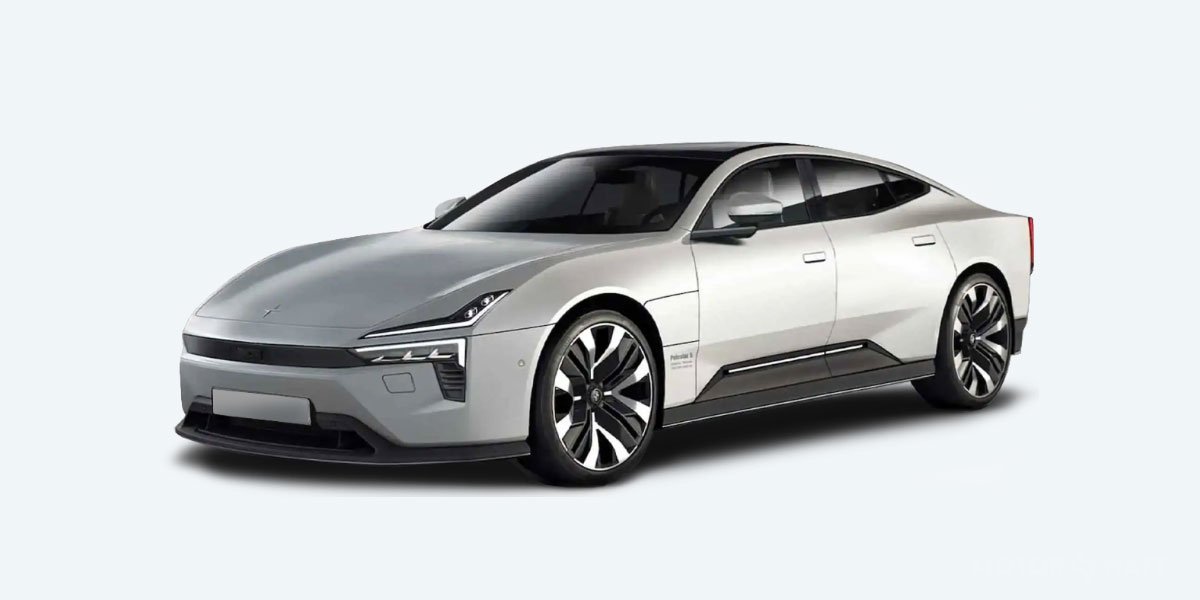
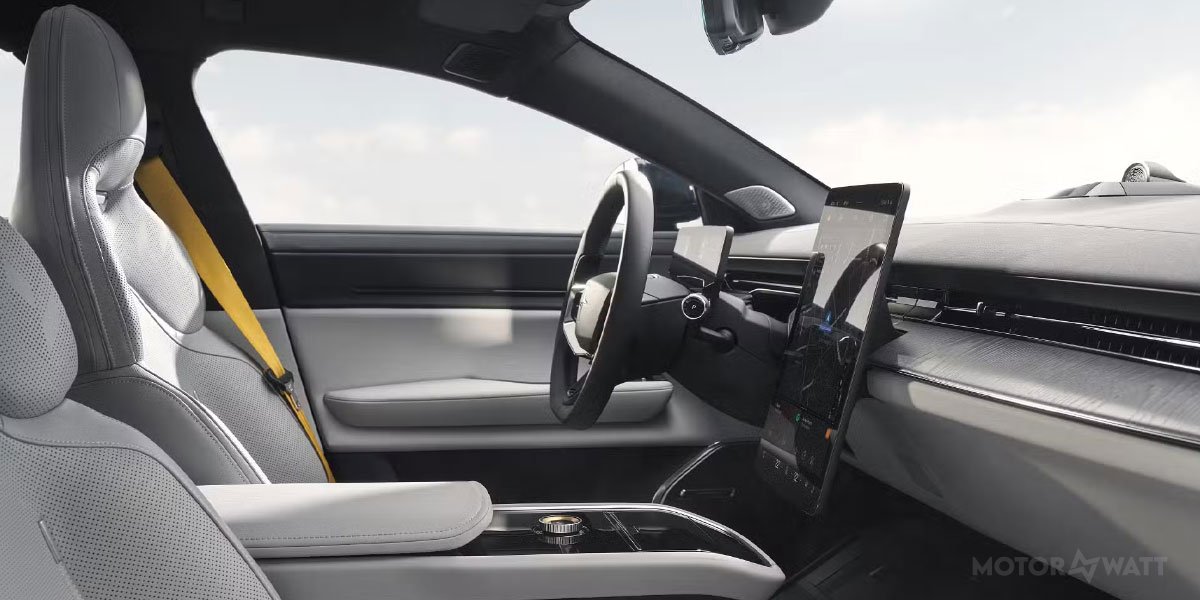
Exterior and Interior photos of Polestar 5 2025


Polestar 5 2025 Review: Early Impressions & Tech Analysis
Polestar 5: The Flagship GT for 2025
The Polestar 5 enters the EV scene with all the subtlety of a thunderclap. Engineered in China but designed with Scandinavian restraint, it arrives in 2025 as the brand’s all-electric flagship sedan, meant to square up against the likes of Porsche and Tesla. With pricing starting at $135,000 (€115,300 / £101,300), it’s no budget commuter, but rather a premium electric grand tourer designed for those who crave both range and raw speed. Built on an all-new bonded aluminum platform, it pairs performance with minimalism, wrapped in a four-door body that looks as sharp as it drives.
- Unveiled in Munich at IAA 2025, Polestar’s flagship GT bridges the Precept concept with production reality.
- Manufactured in Chengdu, China, with U.S. models assembled in South Carolina.
- Starting price: $135,000 (€115,300 / £101,300) with premium positioning above Polestar’s SUV lineup.
- Market launch begins late 2025 in Europe, with U.S. deliveries slated for early 2026.
- Flagship architecture built from bonded aluminum ensures stiffness beyond conventional sedans.
Battery, Range and Performance:
Battery, Charging and Range
The 112 kWh battery pack is no half-measure, promising up to 670 kilometers (416 miles) on WLTP testing, or around 373 miles by EPA estimates. Charging? An 800V system feeds at up to 350 kW, which translates into a 10–80% charge in about ten minutes. That’s nearly 300 kilometers (186 miles) added while you sip a coffee. AC charging is capped at 22 kW, more than enough to refill overnight. With efficiency baked into its slippery 0.23 drag coefficient, highway cruising remains the sweet spot.
- Battery capacity: 112 kWh lithium-ion pack.
- WLTP range: 670 km (416 mi), EPA: ~600 km (373 mi).
- DC charging: 350 kW, adds 300 km (186 mi) in 10 minutes.
- AC charging: 22 kW, ~6 hours full charge.
Performance Specifications
Press the throttle and the dual-motor AWD setup unleashes 748 horsepower (557 kW) with torque measured at 900 Nm (664 lb-ft). That translates into a 0–100 km/h (0–62 mph) sprint in 3.9 seconds, though independent tests put it even closer to 2.8 seconds. Top speed is capped at 250 km/h (155 mph), keeping it in supercar company. Rear-axle steering, adaptive suspension, and torque vectoring add finesse, shrinking this 197-inch (5-meter) sedan into something that handles more like a coupe.
- Power output: 748 hp (557 kW).
- Acceleration: 0–100 km/h in 3.9 s.
- Top speed: 250 km/h (155 mph).
- Drive type: AWD dual-motor system.
For 2026, a rear-wheel drive single-motor variant is expected, promising slightly lower output but improved efficiency with reduced cost.
Exterior and Interior Features
Exterior
The bodywork sticks close to the Precept concept: aerodynamic and purposeful, with flush door handles, slim Thor’s Hammer LED headlights, and a full-width rear light bar. Proportions remain GT-focused—long wheelbase, short overhangs—giving it presence without visual clutter. At 197.2 inches long and 79.1 inches wide (5,010 x 2,010 mm), it commands road space with elegance rather than excess.
Interior
Inside, sustainability leads the show. Vegan-friendly textiles made from recycled plastics and fishing nets sit beside cork-derived trims. Seating is strictly 2+2, prioritizing front passengers with Recaro sports seats, while rear seating feels snug for long hauls. Tech comes courtesy of Android Automotive OS with a 14.5-inch vertical touchscreen paired to a 9.5-inch driver display and optional head-up display. It’s minimalist, yes, but brimming with digital integration.
Pros and Cons:
Pros
- 874 hp potential powertrain rivals hypercars while remaining road usable.
- Up to 670 km (416 mi) WLTP range with rapid 350 kW charging.
- Bonded aluminum chassis offers rigidity uncommon in four-doors.
- Sustainable interior crafted with recycled, vegan materials.
- Advanced tech via Android Automotive OS and OTA updates.
Cons
- Starting price $135,000 (€115,300 / £101,300) limits accessibility.
- Rear passenger comfort compromised by 2+2 layout.
- No front trunk, reducing practicality compared to rivals.
- Market availability staggered, U.S. buyers wait until 2026.
- Portrait screen may divide user preference.
Prices depending on the trim and options:
| Base Dual Motor | $135,000 (€115,300 / £101,300) |
| Performance Package | $145,000 (€123,700 / £108,700) |
| Single Motor (2026) | ~$110,000 (€93,800 / £82,400) |
Verdict: Why It Matters
The Polestar 5 delivers the kind of grand touring presence and performance enthusiasts crave. With 670 kilometers (416 miles) of range, sub-four-second acceleration, and a cabin that’s equal parts luxury and sustainability, it feels like a private jet on wheels. High entry pricing and delayed U.S. availability will sting, but for buyers who want a clean-sheet Scandinavian GT with serious firepower, it’s worth the wait.
Watch the Video Overview


F.A.Q. about Polestar 5 2025
What is the usable battery capacity?
The model comes with a 112 kWh lithium-ion pack, supporting 350 kW DC charging. It delivers around 670 km (416 mi) WLTP range or 373 miles EPA.
How far can it drive on a single charge?
The Polestar 5 achieves 670 km (416 mi) WLTP range, equal to about 373 miles under EPA estimates, thanks to efficient aerodynamics and its 112 kWh pack.
What is the acceleration from 0–100 km/h?
It accelerates from 0–100 km/h (0–62 mph) in just 3.9 seconds, with independent tests showing as quick as 2.8 seconds in performance mode.
What is the top speed?
The car reaches a maximum speed of 250 km/h (155 mph), electronically limited for safety and efficiency balance.
What is the horsepower output?
Total system output is rated at 748 hp (557 kW), supported by dual electric motors driving all four wheels with 900 Nm (664 lb-ft) torque.
How long does it take to recharge?
A 350 kW DC fast charger replenishes 10–80% in about 10 minutes. Using 22 kW AC home charging, a full refill takes around six hours.
What is the price?
Starting price is $135,000 (€115,300 / £101,300), with higher trims pushing up to $145,000 (€123,700 / £108,700).
Where is it manufactured?
Vehicles are built in Chengdu, China for global markets, with additional production in South Carolina for U.S. deliveries starting 2026.