Roewe i6 MAX EV: Price, Range, and Technical Specs
The Roewe i6 MAX EV stands tall with a blend of style and performance. This Chinese-manufactured sedan, priced at US$ 36,100, features a 502 km range, 61 kWh battery, and max speed of 185 km/h. It's equipped with high-tech safety features, promising a secure and smooth drive.

| Starting Price | $36,100 |
| Model Year | 2022 |
| Country of Manufacturing | China |
| Battery Size | 61 kWh |
| Official Range | 312 mi |
| Power | 184 hp |
* Minimum price set for the base trim by the manufacturerr, excluding taxes and additional options

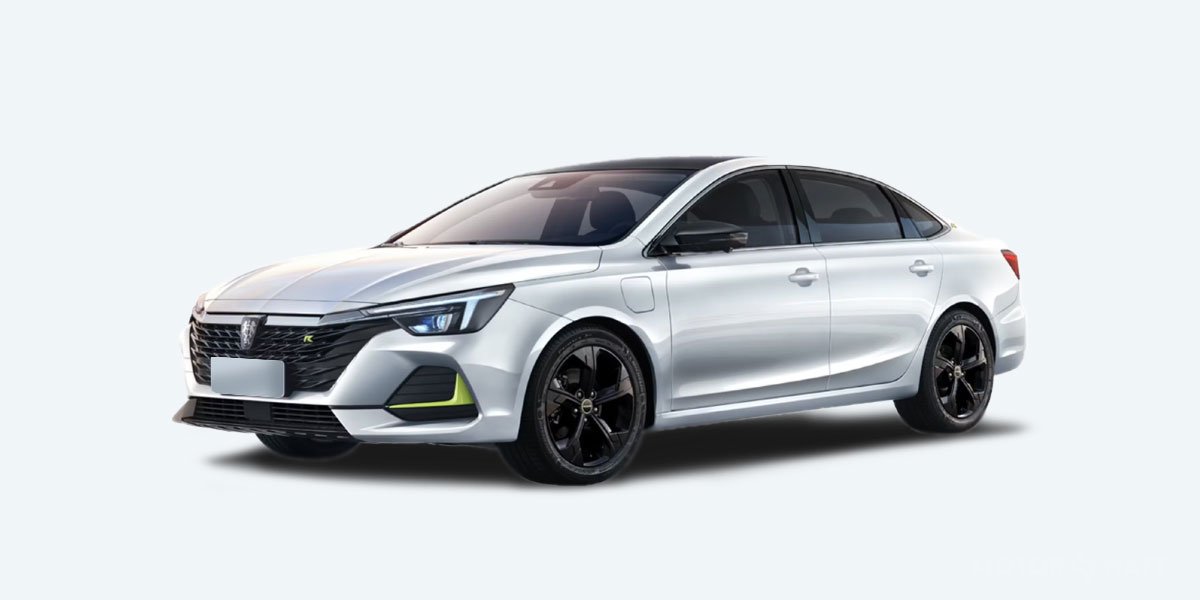
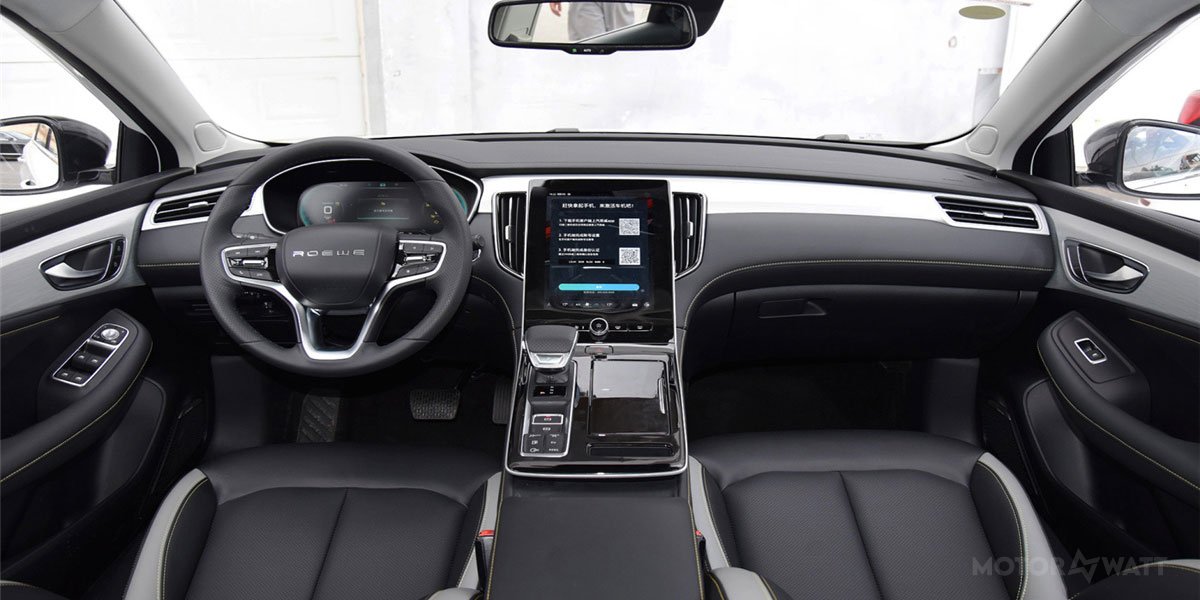
Exterior and Interior photos of Roewe i6 MAX EV


Roewe i6 MAX EV Review: Early Impressions & Tech Analysis
The Roewe i6 MAX EV sedan crafted in the vibrant heart of China, this striking vehicle offers a tantalizing mix of sophistication and innovation, putting it on par with names like Tesla Model 3 and the Hyundai Ioniq. Let's poke around what makes this car tick and why it's capturing the attention of tech aficionados and environmentally conscious drivers alike.
Sleek and Sophisticated Design
The Roewe i6 MAX EV flaunts design that's gracefully atmospheric, reflecting an air of elegance. Its dimensions are something to behold—measuring a length of 4722 mm, a width of 1835 mm, and standing at a height stretching between 1464 to 1493 mm. Paired with a wheelbase of 2715 mm, it promises a smooth, composed ride, perfect for weaving through cityscapes or cruising down the motorway.
Comfort Meets Practicality
With the ride comfort dialed towards tranquility, thanks to its independent suspension system—a MacPherson strut upfront and a multi-link design at the rear—the Roewe i6 MAX EV is built for those long, languorous drives. The trunk offers 467 liters of cargo space, so there's no need to pack light for your weekend getaway.
Driving Assistance Systems Galore
Ensuring a peace-of-mind rides, the Roewe i6 MAX EV is armed with a suite of driving assistance features. Think autonomous emergency braking, adaptive cruise control with traffic jam assist, and lane-keeping assistance. Let’s not forget the fancy 360-degree panoramic images and blind spot monitoring, keeping you aware of your surroundings in style.
Power Under the Hood
Under its bonnet, the Roewe i6 MAX EV doesn’t disappoint. With a nifty 184 horsepower at its command, it whistles away with a FWD drive configuration. The top speed is a cheeky 185 km/h, making it more than a sprightly companion for highway escapades.
The Heart of the Matter—Battery and Range
Core to any electric vehicle is its battery, and the Roewe doesn’t falter here. Boasting a robust 61 kWh battery capacity, it offers a travel range that stretches to an impressive 502 km. That's a fair few miles between charges, ensuring fewer pit stops and more time on the open road.
Safety: The Unseen Assurance
The safety features are no afterthought either, with up to six airbags, including front, side, and curtain variants. For the safety purists, it also includes ABS, ESP, and hill start assist, ensuring confidence in diverse driving conditions.
Smart Interior
Stepping inside, you're greeted with an interior that matches the exterior's sophistication. The design isn't just pleasing to the eye; it brings practical benefits too, especially with ample rear space, ensuring commutes or road trips are comfortable for every traveler.
Price and Market Dynamics
The Roewe i6 MAX EV seduces with a competitive price tag of $36,100 USD, converting roughly in the ballpark of 33,000 Euros or 29,500 British Pounds. For a vehicle that started its sales journey in 2022, it has caught the eye on the international stage for its balance of price and features.
Comparative Edge Over Rivals
What sets the Roewe apart from the competition? It might just be that harmonious marriage of price, performance, and polish. In a market dominated by the likes of Tesla, Roewe has comfortably carved a niche for itself, appealing to those looking for luxury without the lofty price tags.
The Future Is Electric
With increasing emphasis on green technology, the Roewe i6 MAX EV stands as a promising candidate for those looking to embrace sustainable transport without sacrificing a shred of style or substance. With a heart from China, it speaks a universal language of eco-friendly ambition. The future seems electrifying indeed.
Watch the Video Overview


F.A.Q. about Roewe i6 MAX EV
What is the range of an electric vehicle on a single charge?
The Roewe i6 MAX EV has a range of 502 kilometers (approximately 312.6 miles) on a single charge, offering an efficient option for both urban and rural travel needs.
How long does it take to fully charge Roewe i6 MAX EV?
Charging times for the Roewe i6 MAX EV can vary based on the charging station and power input, but typically, fast charging can recharge the battery to 80% in about 30 to 60 minutes, while a full charge using a standard home charger may take 6 to 8 hours.
What is the price of a car?
The Roewe i6 MAX EV is priced at approximately US$36,100. Converted to European currencies, this is approximately €33,600 or £29,800, depending on current exchange rates.
What is a battery capacity?
The battery capacity of the Roewe i6 MAX EV is 61 kWh, which contributes to its efficient energy storage and impressive range.
What is top speed?
The top speed of the Roewe i6 MAX EV is 185 km/h, which is about 115 mph, making it suitable for high-speed commutes on highways.
What is total power?
The Roewe i6 MAX EV offers a power output of 184 horsepower (approximately 137 kW), providing a robust driving experience.
Acceleration compared to other EVs?
The Roewe i6 MAX EV, with its 184 horsepower motor, offers swift acceleration that is competitive with many other electric vehicles in its class, providing a responsive and smooth driving experience.