VOLKSWAGEN e-GOLF: Price, Range, and Technical Specs
Volkswagen e-Golf stands as a fully electric version of the iconic Golf hatchback, offering emissions-free driving while retaining the model's renowned handling and practicality. A seamless merge of efficiency and performance.


| Starting Price | $30,495 |
| Model Year | 2017 |
| Country of Manufacturing | Germany |
| Battery Size | 36 kWh |
| Official Range | 144 mi |
| Power | 134 hp |
* Minimum price set for the base trim by the manufacturerr, excluding taxes and additional options

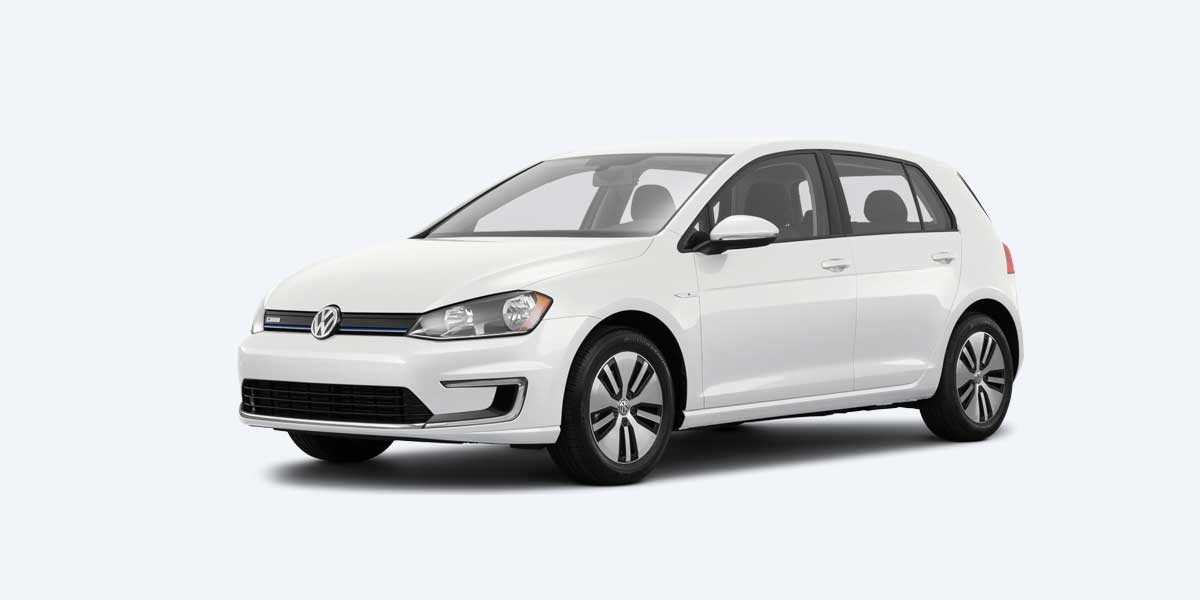
Exterior and Interior photos of VOLKSWAGEN e-GOLF


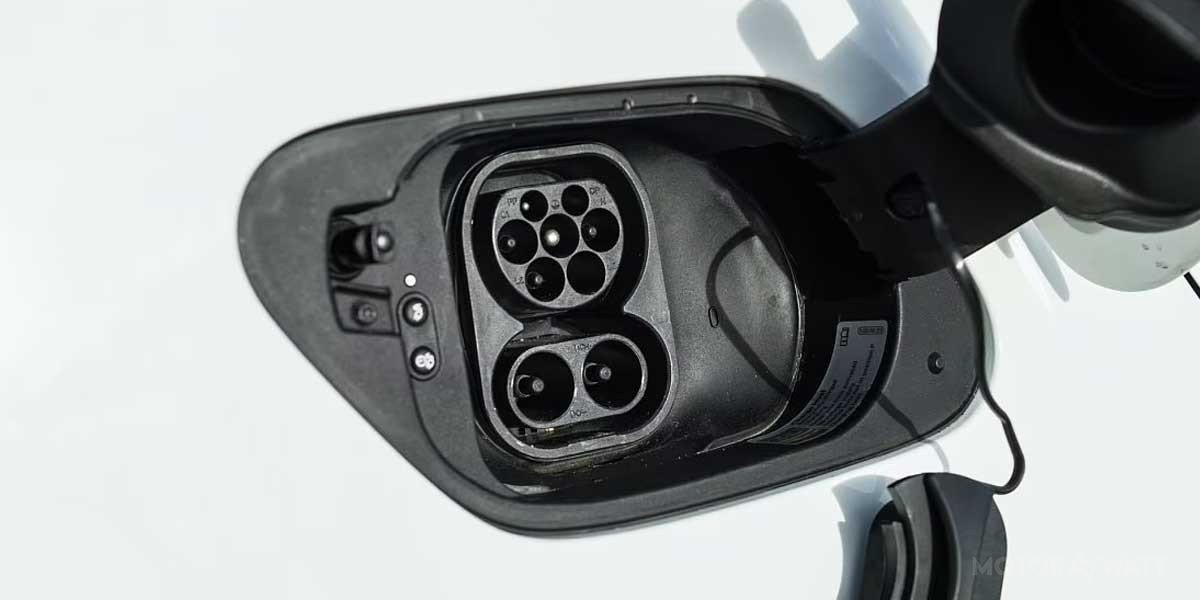
VOLKSWAGEN e-GOLF Review: Early Impressions & Tech Analysis
Volkswagen e-Golf: A Synthesis of Elegance and Electrification
Introducing the Volkswagen e-Golf, where iconic design meets the forefront of electric innovation. Encapsulating the essence of German ingenuity, the Volkswagen e-Golf stands as a testament to the enduring commitment of Volkswagen towards forging a sustainable future. Originating from the heart of Germany, this electric marvel retains the timeless allure of its forebears, all the while weaving in the threads of electrical ingenuity.
Volkswagen e-Golf Specifications: A Glimpse into the Future
In venturing into the electrical domain, the Volkswagen e-Golf manages to hold onto the compact form that is quintessentially Golf. Despite the inclusion of capacious batteries, the sage engineers in Germany have skillfully ensured the car’s dimensions remain largely unaffected. Resting on the stalwart MQB platform of Volkswagen, now adapted to bear the heftier battery bank, the e-Golf doesn’t just look the part but plays it incredibly well too, thanks to subtle design refinements including a refreshed front fascia, new bumper designs, and sleek alloy wheels that accentuate its modern charm.
Under the Hood: Where Power Meets Efficiency
The heart of the Volkswagen e-Golf pulses with an electric motor of considerable vigor, boasting 134 horsepower that propels the car to speeds of up to 150 km/h. Its prowess is not just theoretical; in practice, it leaps from a standstill to 100 km/h in a nimble 9.6 seconds, dispelling any doubts that electric variants lack the zest of their fossil-fueled cousins.
Range and Charging: Unleashing the Potential of the Open Road
At its core, the e-Golf harbors a 36 kWh battery pack, ready to ferry its passengers over distances reaching 232 km on a single charge. This outstanding range cements the Volkswagen e-Golf’s versatility, making it equally adept at navigating daily commutes as it is at embarking on more extended expeditions.
Interior Design: Where Tradition Meets Innovation
Entering the Volkswagen e-Golf, one is greeted by an atmosphere that harmonizes classic Golf elegance with touches of modern sophistication. The interior design remains faithful to its roots while embracing contemporary advancements, including a fully digital instrument cluster and a central touchscreen now spanning 10 inches, enhancing both visibility and interactivity. These changes, though radical, are woven into the fabric of the vehicle so seamlessly that they enrich rather than overshadow the Golf’s inherent charm.
Cost-Effectiveness: Sustainability within Reach
Marked with an introductory price tag of $30,495, the Volkswagen e-Golf emerges as a beacon for those aspiring to tread lightly on the earth without deploying their entire arsenal of savings. Unveiled in 2017, the e-Golf presents a harmonious blend of Volkswagen’s traditional ethos with the vanguard of electric vehicle technology.
Resplendently bridging the bygone elegance of the Golf with the cutting-edge efficiencies of electric propulsion, the Volkswagen e-Golf stands as a bold affirmation of Volkswagen’s pledge to nurture eco-friendly vehicular solutions. It draws a fine line between sacrificing neither flair, functionality, nor fiscal sensibility.
Watch the Video Overview


Full specifications
| Power | 134 hp, 100 kW |
| 0-100 km/h | 9.6 sec, 0-62 mph |
| Range | 232 km, 144 miles |
| Max. speed | 150 km/h, 93.2 mph |
| Battery | 36 kWh |
| Price | $30,495, €28,650, £24,950 |
F.A.Q. about VOLKSWAGEN e-GOLF
What is the range of the Volkswagen e-Golf on a single charge?
The Volkswagen e-Golf has a range of up to 232 kilometers (144 miles) on a single charge.
How long does it take to fully charge the Volkswagen e-Golf?
Fully charging the Volkswagen e-Golf can take approximately 5 to 13 hours, depending on the charging equipment used.
Are electric vehicles more expensive than gasoline cars?
Electric vehicles like the Volkswagen e-Golf typically have a higher upfront cost with a base price around $30,495 (€28,000 or £25,000).
What is the top speed of the Volkswagen e-Golf?
The Volkswagen e-Golf has a top speed of 150 km/h (93 mph).
What is the total power of the Volkswagen e-Golf?
The Volkswagen e-Golf has a total power output of 134 horsepower (100 kilowatts).
What is the acceleration of the Volkswagen e-Golf from 0 to 100 km/h?
The Volkswagen e-Golf can accelerate from 0 to 100 km/h (0 to 62 mph) in 9.6 seconds.
Can the Volkswagen e-Golf be charged at any charging station?
The Volkswagen e-Golf can be charged at most public charging stations as well as at home using a compatible charging setup.