Volkswagen ID.3 2026: Price, Range, and Technical Specs
Volkswagen ID.3 2026: a compact RWD electric hatch with a 52 kWh battery, WLTP 388 km (241 mi) range, 0–100 km/h in 8.2 s, and 100 kW DC fast charging (~30 min 5–80%). Starting at $33,000 (€28,370 / £24,840), it targets everyday buyers seeking efficient, city-friendly mobility.


| Starting Price | $33,000 |
| Model Year | 2026 |
| Country of Manufacturing | Germany |
| Battery Size | 52 kWh |
| Official Range | 241 mi |
| Power | 168 hp |
* Minimum price set for the base trim by the manufacturerr, excluding taxes and additional options

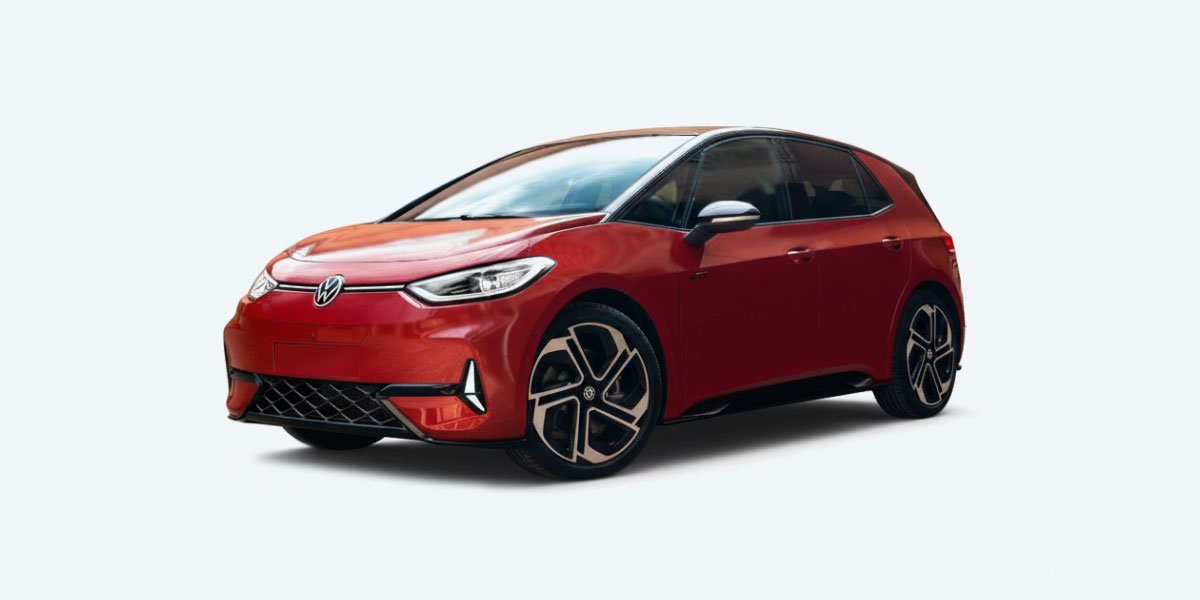
Exterior and Interior photos of Volkswagen ID.3 2026


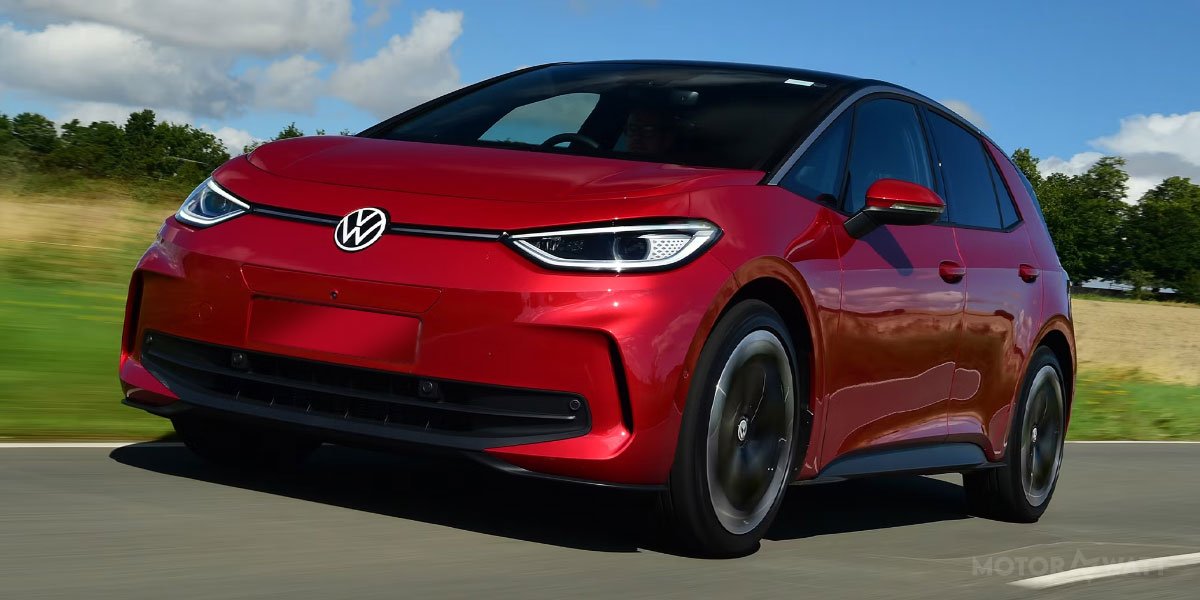

Volkswagen ID.3 2026 Review: Early Impressions & Tech Analysis
Volkswagen ID.3 2026 Overview and Market Position
The Volkswagen ID.3 returns as a core compact electric hatch for 2026, built in Germany and aimed squarely at mainstream buyers moving to battery power. Riding on the MEB platform, it prioritizes everyday usability and a tidy footprint for tight European streets. Launch timing targets mid-to-late 2026 across major markets. With a starting sticker of $33,000 (€28,370 / £24,840), it targets shoppers who want modern tech without premium pricing. And the formula stays familiar: clean lines, smart packaging, and balanced efficiency for city and suburb runs.
- Manufacturer and origin: Volkswagen, Germany; built for the European EV arena.
- Launch window: Mid–late 2026 in key regions; volumes focus on high-demand markets.
- Architecture: Modular MEB platform designed for compact electric hatch packaging.
- Starting price: $33,000 (€28,370 / £24,840); positioned for price comparison EV shoppers.
- Brief: A family hatchback EV with everyday usability and balanced efficiency.
Battery, Range and Performance:
Battery, Charging and Range
A 52 kWh pack anchors the base configuration, paired with active battery thermal management for consistent performance in varied climates. Estimated range sits at 388 km (241 mi) on WLTP, suited to the urban EV commuter rhythm with room for weekend hops. AC charging uses an 11 kW onboard unit for home or workplace top-ups; highway stops lean on 100 kW DC fast charging for a 5–80% turn in roughly half an hour. OTA updates keep charge profiles and efficiency features current over time.
- Battery capacity: 52 kWh; thermal management for durability.
- Range (WLTP est.): 388 km (241 mi) with recuperation tuning.
- Charging (AC/DC): 11 kW AC; 100 kW DC (≈30 min 5–80%).
- Updates: OTA updates for charging logic and energy features.
Performance Specifications
Rear-mounted drive brings a tidy weight balance and light steering. Output is an estimated 125 kW (168 hp), with 0–100 km/h in 8.2 s and a capped 160 km/h (99 mph) top speed—numbers aligned with daily duty. The rear-wheel drive EV layout helps traction on wet pavement and grants an agile feel in roundabouts. Brake-regen levels pair with drive modes (Eco, Comfort, Sport) to tailor response and energy use.
- Drive type: RWD with single-motor setup.
- Power: 125 kW (168 hp) estimated; linear torque delivery.
- Acceleration: 0–100 km/h in 8.2 s; brisk for a compact electric hatch.
- Top speed: 160 km/h (99 mph); geared for efficiency.
The Volkswagen ID.3 powertrain targets predictable responses for commuters, with regen tuning that eases stop-and-go fatigue and favors everyday usability.
Exterior and Interior Features
Exterior
Surfaces stay clean and wind-friendly, with a short front overhang and smoothed underbody aiding efficiency. LED headlamps and LED rear clusters provide the lighting signature, while 18-inch wheels (aero-styled covers on base) support rolling efficiency. Dimensions measure 4,260 mm (167.7 in) long, 1,809 mm (71.2 in) wide, and 1,568 mm (61.7 in) tall; the stance feels planted without bulk.
Interior
A minimalist cockpit centers around a 12.9-in infotainment screen complemented by a 5.3-in driver display. Touch-forward controls reduce dash clutter, and sustainable materials emphasize sustainable materials goals. Cabin packaging benefits from the dedicated skateboard floor, freeing legroom; cargo measures 385 L (13.6 cu ft). Bluetooth, USB-C, and phone mirroring come standard, and OTA updates promise interface refinements down the road.
Pros and Cons:
Pros
- Tidy footprint with generous cabin volume for a family hatchback EV.
- RWD balance supports predictable handling in daily routes.
- WLTP-rated 388 km (241 mi) suits urban EV commuter needs.
- Fast-charge capability and straightforward home AC charging.
- IQ.Drive safety suite enhances confidence in traffic.
Cons
- Touch-centric interface may require acclimation for some drivers.
- Base wheel and trim spec keeps options simple rather than plush.
- Peak DC rate trails quicker charge systems found in pricier rivals.
Prices depending on the trim and options:
| ID.3 Pure (base) | $33,000 (€28,370 / £24,840) |
| ID.3 Pro | $37,000 (€31,810 / £27,850) |
| ID.3 Pro S | $42,000 (€36,110 / £31,610) |
| ID.3 GTX | $45,000 (€38,690 / £33,870) |
Verdict:
The Volkswagen ID.3 packages European poise, a practical WLTP 388 km (241 mi) range, and an easy-going RWD demeanor into a compact shell that fits city life. Pricing lands where mainstream buyers shop, and the feature set ticks the right boxes for commuters who want clean design, solid tech, and a calm daily drive.
Watch the Video Overview


Full specifications
Model Specs
| Specification | Actual Data |
|---|---|
|
Model Name
|
Volkswagen ID.3
|
|
Model Year
|
2026
|
|
Country of Origin
|
Germany
|
|
Manufacturer
|
Volkswagen
|
|
Body Type
|
Hatchback
|
|
Power Type
|
Battery Electric Vehicle (BEV)
|
Performance
| Specification | Actual Data |
|---|---|
|
Powertrain
|
Rear-mounted electric motor
|
|
Drive Type
|
RWD
|
|
Electric Motor Power (base Pure)
|
125 kW - 170 hp
|
|
Torque (base Pure)
|
310 Nm - 229 lb-ft
|
|
Maximum Speed
|
160 km/h - 99 mph
|
|
Acceleration 0-62 mph (0-100 km/h) (base Pure)
|
8.2 seconds
|
|
Acceleration 0-62 mph (0-100 km/h) (higher trims)
|
5.7 seconds - 8.2 seconds
|
Battery and Charging
| Specification | Actual Data |
|---|---|
|
Battery Capacity Options
|
52 kWh - 59 kWh - 79 kWh
|
|
Battery Type
|
Lithium-ion
|
|
AC Charging
|
11 kW
|
|
DC Fast Charging
|
100 kW - 185 kW
|
|
Charging Time (5-80% DC)
|
Approximately 30 minutes
|
Estimated Range Data
| Specification | Actual Data |
|---|---|
|
WLTP Range (base Pure 52 kWh)
|
388 km - 241 miles
|
|
WLTP Range (higher trims)
|
Up to 600 km - 370 miles
|
Body Specifications
| Specification | Actual Data |
|---|---|
|
Length
|
4260 mm - 167.7 inches
|
|
Width
|
1809 mm - 71.2 inches
|
|
Height
|
1568 mm - 61.7 inches
|
|
Luggage Volume (seats up)
|
385 L - 13.6 cu ft
|
Exterior Design Features
| Specification | Actual Data |
|---|---|
|
Lighting
|
LED headlamps and LED rear clusters
|
|
Wheels
|
18-inch wheels with aero-styled covers (base trim)
|
Interior Design and Materials
| Specification | Actual Data |
|---|---|
|
Materials
|
Sustainable materials
|
|
Seating Capacity
|
5 seats
|
Cabin Technical Features
| Specification | Actual Data |
|---|---|
|
Instrument Cluster
|
5.3-inch driver display
|
|
Center Display
|
12.9-inch infotainment screen
|
|
Infotainment
|
Touch-forward controls, Bluetooth, USB-C, phone mirroring, OTA updates
|
|
Driver Assistance
|
IQ.Drive safety suite including lane centering and emergency braking
|
|
Drive Modes
|
Eco, Comfort, Sport
|
F.A.Q. about Volkswagen ID.3 2026
What is the driving range on a single charge?
The Volkswagen ID.3 targets an estimated 388 km (241 mi) WLTP. For shoppers comparing city and highway usage, the Volkswagen ID.3 keeps range predictable with thermal management.
How quick is 0–100 km/h?
Factory estimates point to 8.2 s from 0–100 km/h (0–62 mph). That aligns with typical compact electric hatch performance and feels brisk in urban merges.
What is the battery capacity and chemistry?
The base pack is 52 kWh, optimized with thermal conditioning for consistent output. Energy management favors efficiency in cooler and warmer seasons.
How fast can it charge?
Expect 11 kW AC for home/work and 100 kW DC for road trips. A 5–80% session lands around 30 minutes under typical fast-charger conditions.
What is the top speed?
Top speed is rated at 160 km/h (99 mph). Calibrations favor efficiency and stability rather than autobahn sprints.
How much interior and cargo space is available?
Packaging yields strong legroom for a compact footprint. Cargo volume measures 385 L (13.6 cu ft), enough for daily errands and weekend bags.
What does the base model cost?
Entry pricing is $33,000 (€28,370 / £24,840) for the Volkswagen ID.3. Higher trims reach $37,000–$45,000 (€31,810–€38,690 / £27,850–£33,870).
Does it include driver-assistance features?
Core IQ.Drive tech brings lane centering and emergency braking. Additional features scale with trims and software packages.