Freightliner eCascadia: Price, Range, and Technical Specs
The Freightliner eCascadia is a Class 8 electric truck with a 550 kWh battery, 730 hp, and 400 km (248 miles) range. Built in the U.S., it starts at $139,000 and supports fast charging to 80% in 90 minutes, ideal for short- to mid-range freight operations.

| Starting Price | $139,000 |
| Model Year | 2023 |
| Country of Manufacturing | USA |
| Battery Size | 550 kWh |
| Official Range | 249 mi |
| Power | 730 hp |
* Minimum price set for the base trim by the manufacturerr, excluding taxes and additional options

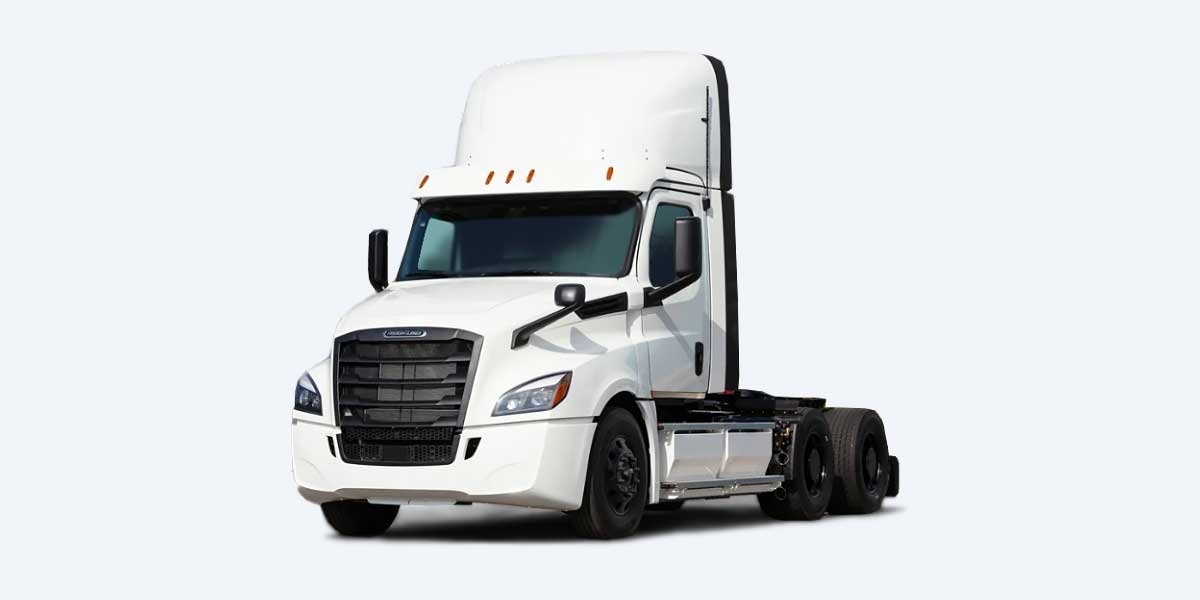
Exterior and Interior photos of Freightliner eCascadia


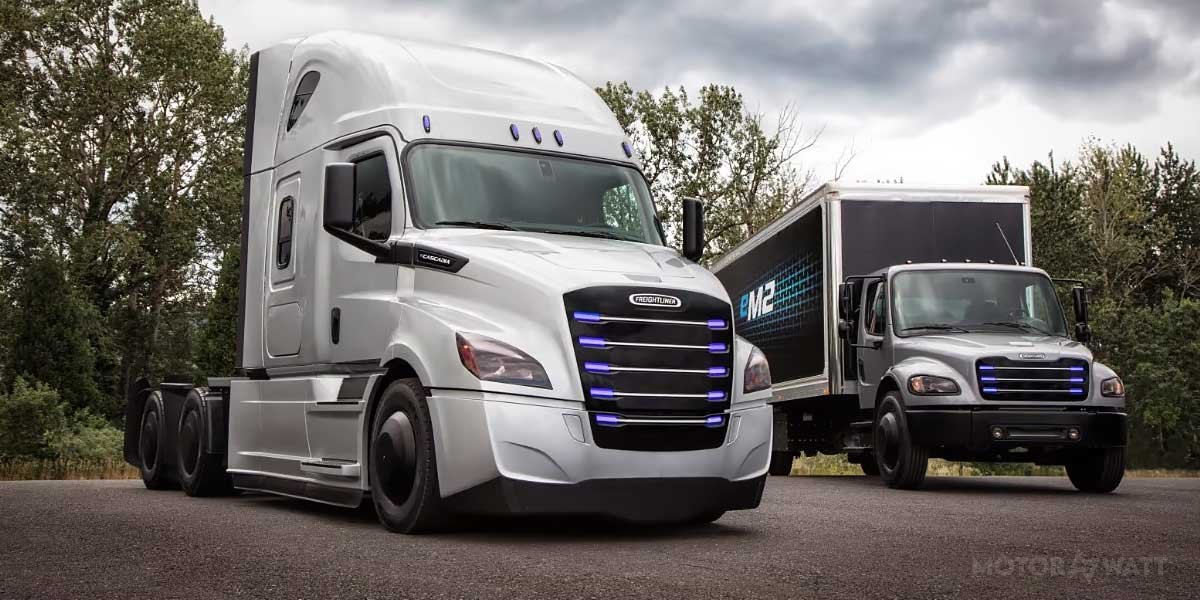
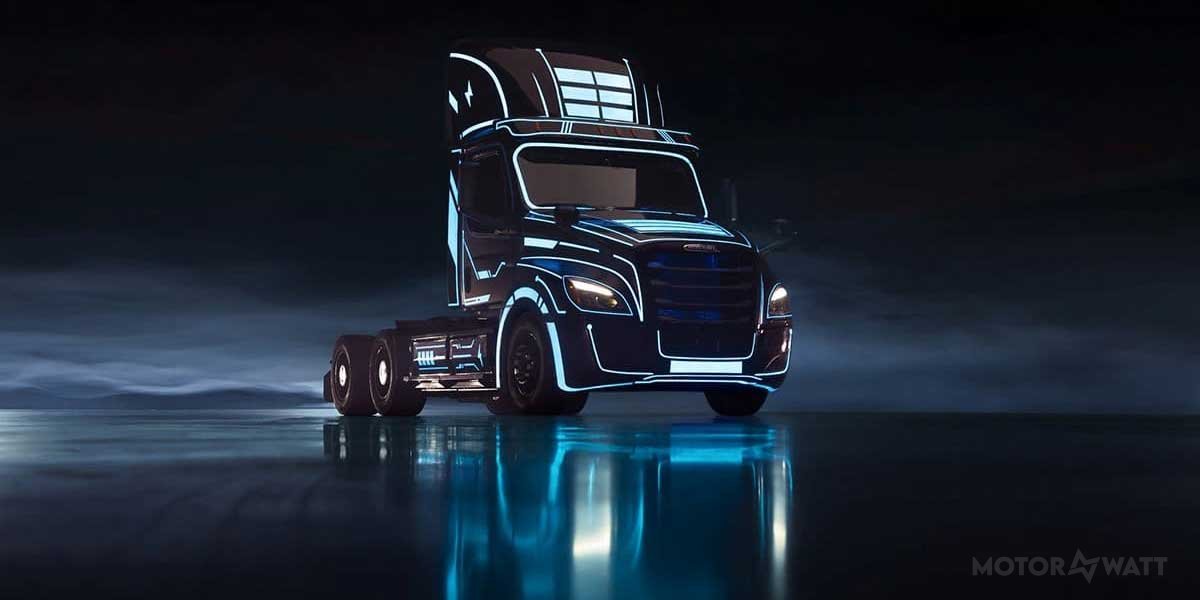
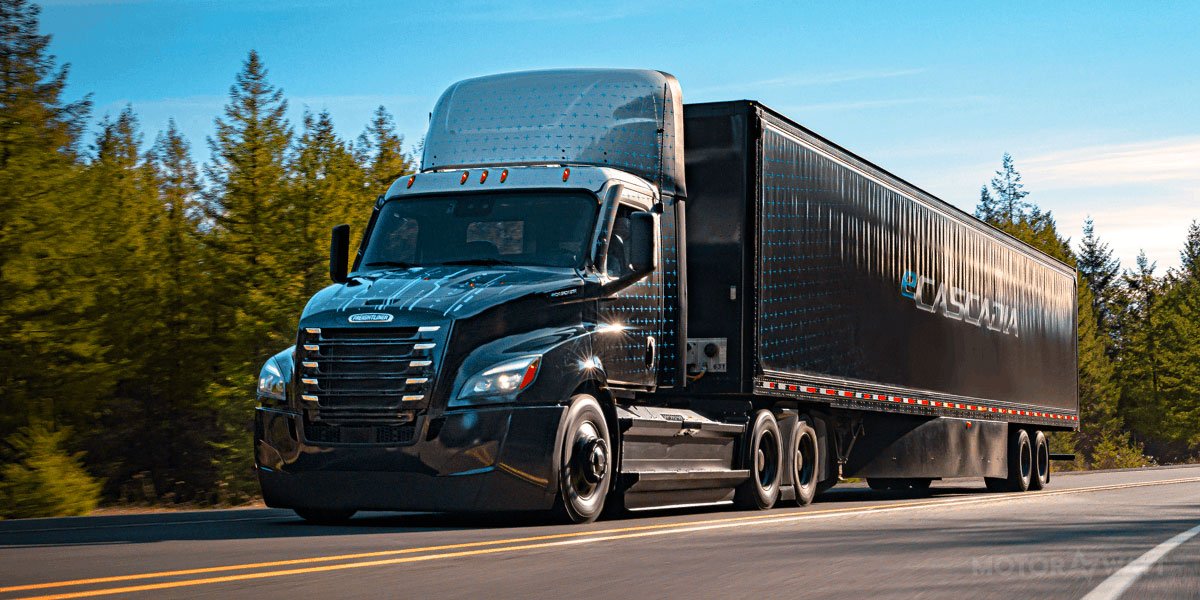
Freightliner eCascadia Review: Early Impressions & Tech Analysis
Freightliner eCascadia Electric Truck Overview
Freightliner eCascadia is Freightliner's high-stakes move into the Class 8 electric trucking arena, a space that’s heating up faster than an overheated regen brake. With its sales kicking off in 2023, it’s a made-in-America rig that targets fleets looking to cut diesel costs—and emissions—without tossing torque out the window. Sitting pretty at a starting price of $139,000 (around £109,660 / €127,780), the eCascadia is poised to be the workhorse of choice for the green-minded hauler.
- Manufactured in the United States, the eCascadia is purpose-built for the North American heavy-haul market.
- Unveiled in its production form in 2023, this truck marks Freightliner's shift toward zero-emissions trucking.
- Base price kicks off at $139,000 USD (£109,660 / €127,780), before any regional incentives or optional configurations.
- Positioned to serve short-haul and regional delivery operators demanding power, range, and fast turnaround times.
Freightliner eCascadia Specs and Performance
Battery Specs
The eCascadia leans on a beefy 550 kWh lithium-ion battery pack—enough juice to haul serious freight across urban and short-regional routes. With a range of 400 kilometers (roughly 248 miles), it’s not built to cross the continent, but perfect for port-to-warehouse loops. Fast-charging support trims downtime to just 90 minutes for an 80% top-up, keeping operations humming instead of idling at a plug.
- Battery capacity: 550 kWh
- Range on a full charge: 400 km / 248 miles
- DC fast charge time (to 80%): 90 minutes
Performance Specs
Powering the drive is a 730-horsepower (544 kW) motor, rear-wheel-drive layout, and enough torque to pull 37,000 kg (81,570 lbs) of cargo. It’s electronically governed to a top speed of 104 km/h (65 mph), right in the sweet spot for regional logistics. Whether you're hauling beverage crates or steel beams, the eCascadia doesn't flinch.
- Horsepower: 730 hp (544 kW)
- Top speed: 104 km/h / 65 mph
- Cargo capacity: 37,000 kg / 81,570 lbs
- Drive type: Rear-wheel drive (RWD)
Freightliner offers modular configurations to suit different duty cycles. Expect multiple axle layouts and e-axle options as production scales, with similar pricing ballpark.
Exterior and Interior Features:
Exterior
One glance tells you this isn’t your uncle’s diesel. A plastic front panel with integrated blue LED accents replaces the standard grille—no radiator needed when you’re not combusting anything. Aerodynamic fairings and sealed wheel covers sharpen the profile, slashing drag and boosting range like a tailwind on the I-5.
Interior
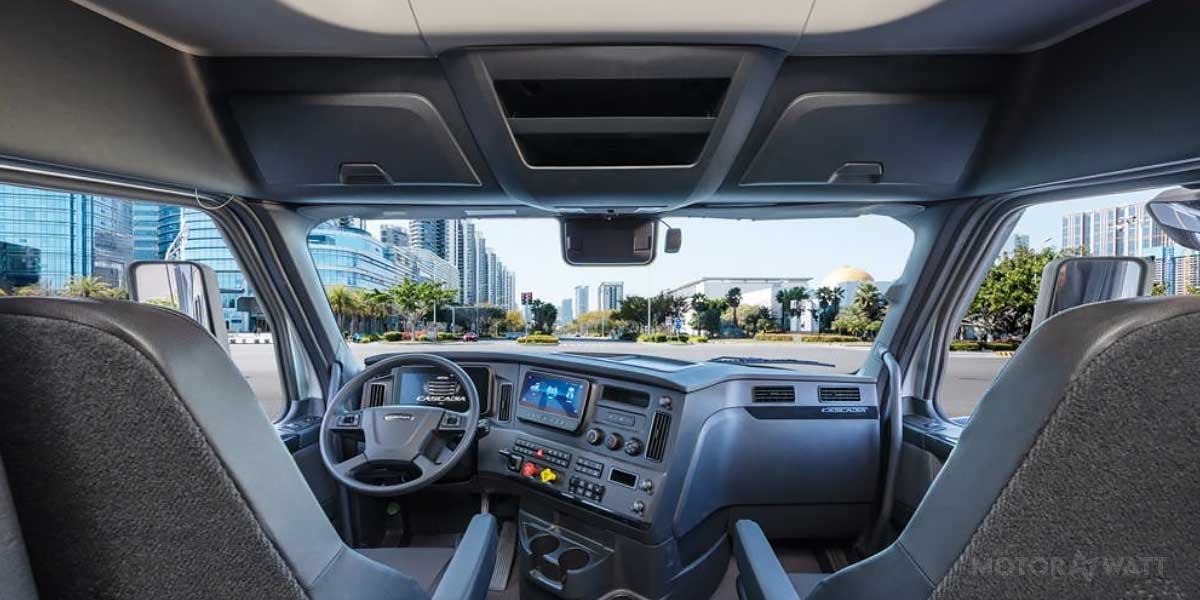
Inside, it's all about keeping the driver engaged and comfortable. A wraparound dashboard puts every essential control within reach, while the steering column packs integrated toggles and switchgear. High-back, power-adjustable seats and a whisper-quiet cabin transform long hauls into a rolling lounge experience—minus the minibar.
Pros and Cons:
Pros
- Zero tailpipe emissions, making it ideal for urban zones with strict regulations
- Fast charging—80% battery in just 90 minutes
- Spacious and driver-focused cab with industry-leading ergonomics
- Massive 550 kWh battery ideal for short- to mid-range hauls
Cons
- Limited range for long-haul interstate logistics
- Initial price may be steep without government incentives
- Charging infrastructure remains limited in rural corridors
Conclusion:
Whether you're a fleet manager tired of DEF headaches or a green evangelist with a love for torque, Freightliner eCascadia checks the right boxes. It’s got the brawn, the brains, and the battery to tackle regional hauls with zero-emission swagger. And at $139,000 (£109,660 / €127,780), it's more attainable than its futuristic shell suggests. Freightliner e-truck buyers get a well-rounded, tech-laden workhorse with road cred and dock appeal to match.
Watch the Video Overview


F.A.Q. about Freightliner eCascadia
What is the range of the Freightliner eCascadia?
The Freightliner eCascadia offers a driving range of 400 kilometers (248 miles) on a full charge, ideal for regional and urban deliveries.
What is the top speed of the Freightliner eCascadia?
The truck is electronically limited to a top speed of 104 km/h (65 mph), aligning with typical commercial freight regulations.
How much horsepower does the eCascadia have?
The Freightliner eCascadia delivers 730 horsepower (544 kW), providing strong torque for heavy loads and steep grades.
How fast can the eCascadia battery charge?
It charges up to 80% in 90 minutes using DC fast charging, helping minimize operational downtime.
What is the battery capacity of the Freightliner eCascadia?
The eCascadia is equipped with a 550 kWh lithium-ion battery pack optimized for short-haul applications.
How much does the Freightliner eCascadia cost?
The starting price is $139,000 USD, approximately £109,660 or €127,780 based on current exchange rates.
What is the cargo capacity of the eCascadia?
It can haul up to 37,000 kg (81,570 lbs), matching the demands of heavy-duty freight operations.
When did the Freightliner eCascadia go on sale?
Sales began in 2023, making it a relatively new entry in the electric trucking market.
Is the eCascadia suitable for long-haul routes?
Its 248-mile range is best for regional and urban logistics, not long-haul interstates.
Where is the Freightliner eCascadia manufactured?
The truck is produced in the United States, aligning with local production initiatives and support networks.