Volkswagen e-Transporter Kombi: Price, Range, and Technical Specs
Volkswagen e-Transporter Kombi is an electric crew van with a 64 kWh battery, 190–270 km WLTP range (118–168 mi), 11 kW AC and up to 125 kW DC charging. Payload reaches 1,038 kg and towing 2,300 kg, making it a zero-emission hauler for urban fleets and family-plus-cargo roles.


| Starting Price | $63,000 |
| Model Year | 2024 |
| Country of Manufacturing | Germany |
| Battery Size | 64 kWh |
| Official Range | 118 mi |
| Power | 134 hp |
* Minimum price set for the base trim by the manufacturerr, excluding taxes and additional options

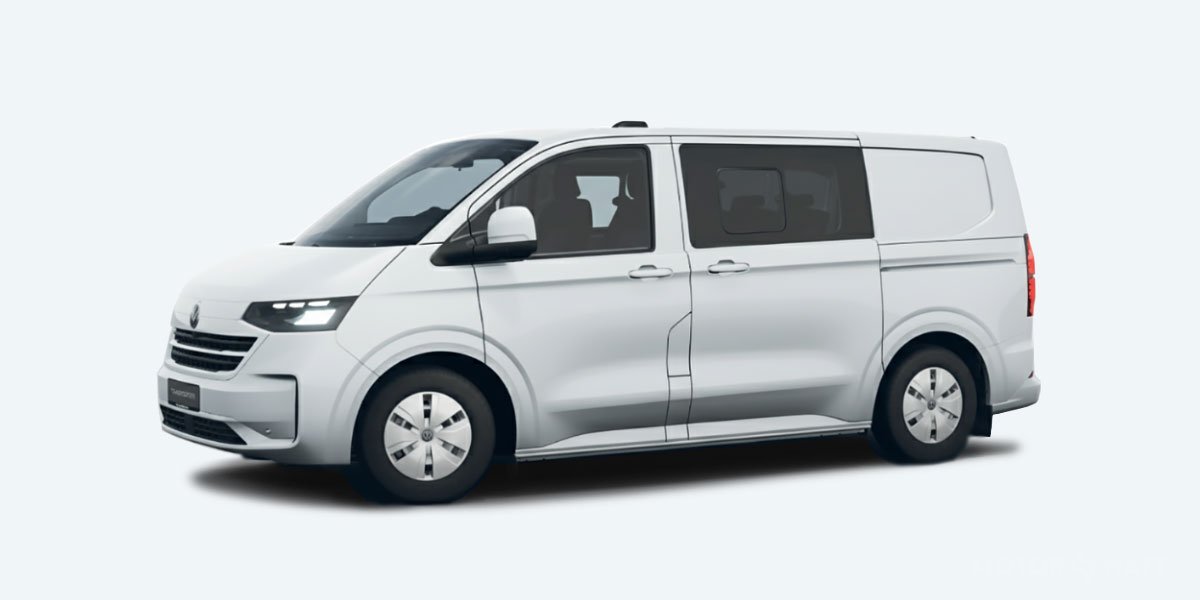
Exterior and Interior photos of Volkswagen e-Transporter Kombi


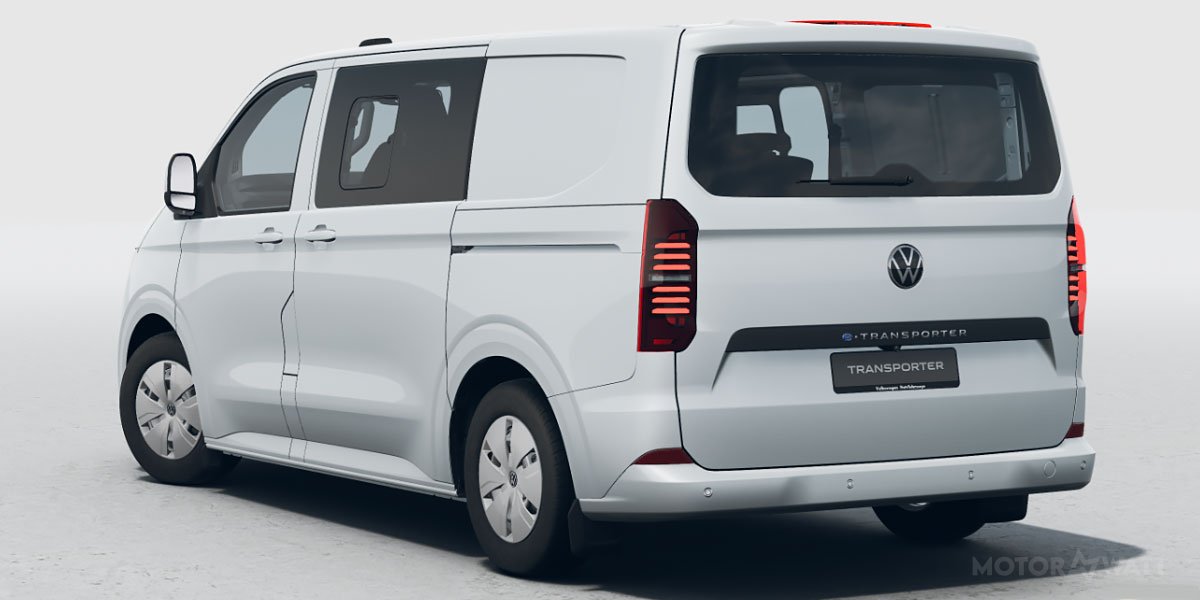
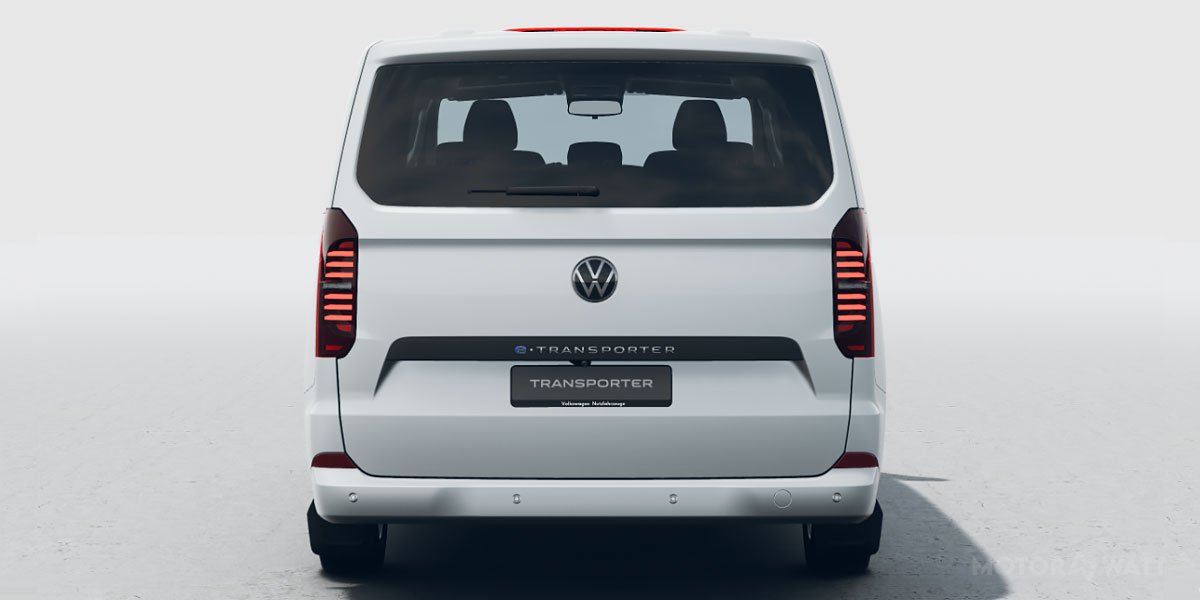
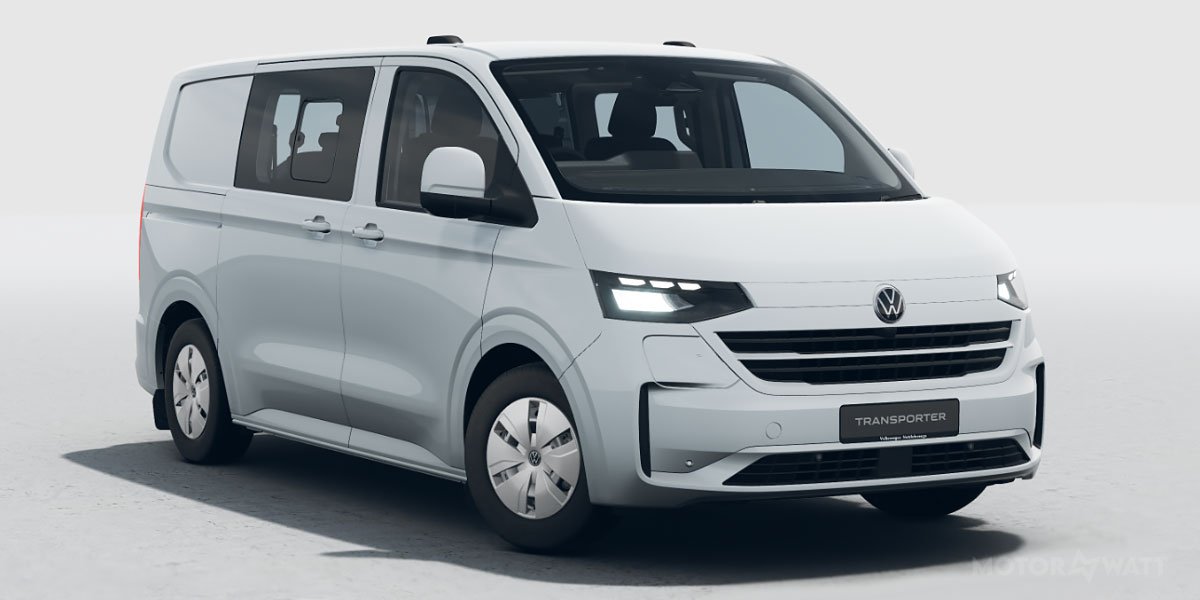
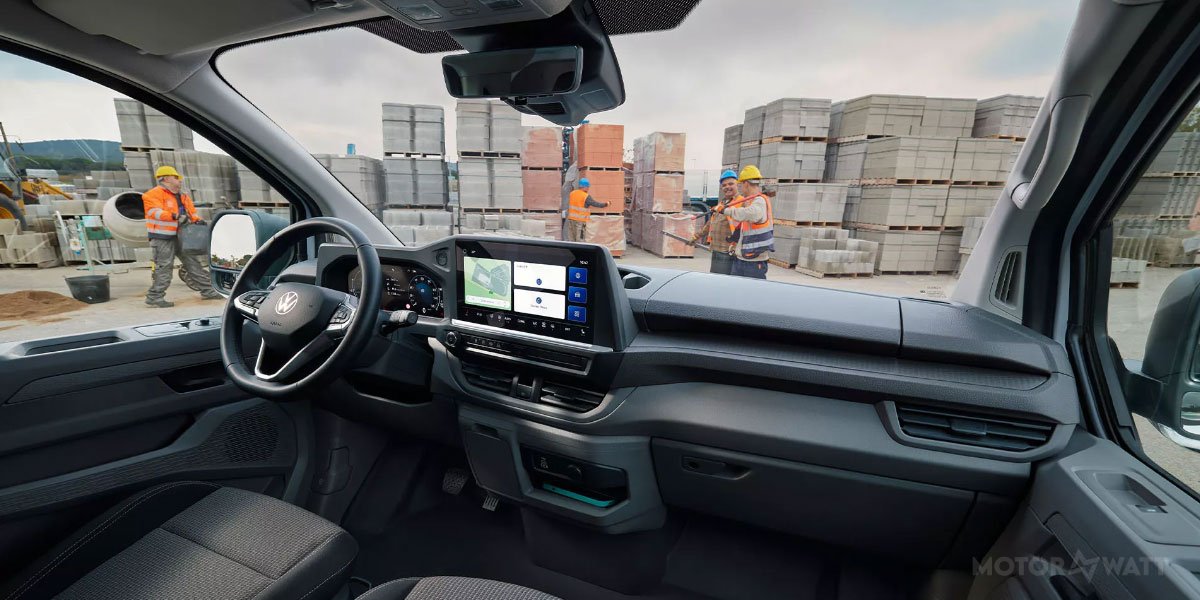
Volkswagen e-Transporter Kombi Review: Early Impressions & Tech Analysis
Volkswagen e-Transporter Kombi: Electrified Crew Van for Workdays and Weekend Kits
Volkswagen e-Transporter Kombi arrives for 2025 with the sort of usability fleets crave and families secretly want. Built in Germany on the VW T7 architecture with Ford DNA underneath, it targets crews who need people space and a serious load bay. Pricing starts around $63,000 (about £46,891 / €53,745) and leans on zero-emission van credentials to unlock grants and city access. Range favors short hops, while charging speed trims downtime. And the vibe? Calm, quiet, and confidently VW.
- Manufacturing story: Seventh-gen Transporter (T7) crew variant spearheading VW’s electric van rollout for 2025.
- Unveiling date: Early 2025 debut with deliveries ramping across Europe; Australia slated for late 2025.
- Pricing: From $63,000 (≈ £46,891 / €53,745) before incentives; Commerce Plus trim is the volume pick.
- Positioning: Crew-friendly electric crew van prioritizing payload, safety tech, and fleet incentives Europe.
Think compact shuttle with brawn: a rear-wheel drive EV that feels planted thanks to the battery’s low mounting. The shared VW T7 platform and Ford E-Transit Custom twin origins deliver crisp steering and good ride isolation. For searchers, note terms like Volkswagen e-Transporter Kombi review, Volkswagen e-Transporter Kombi price, and Volkswagen e-Transporter Kombi range—they map exactly to what you’re weighing here.
Key specs and charging: the numbers that matter
Battery, charging, and endurance
The main pack is 64 kWh (usable ~60), tuned for urban duty cycles. Expect WLTP up to 190–270 km (118–168 mi) depending on load and temperature; urban stop-start can stretch closer to 300 km (186 mi) thanks to strong regenerative braking one-pedal tuning. The van takes 11 kW AC at the depot (0–100% in roughly seven hours) and peaks at DC fast charging 125 kW (10–80% in about 30 minutes), ideal for lunch-break top-ups. A smaller 42 kWh version aimed at dense city routes follows later.
- Battery: 64 kWh NMC; optional 42 kWh coming
- Charging: 11 kW AC; up to 125 kW DC
- Range targets: 190–270 km WLTP (118–168 mi)
- Efficiency: 22–25 kWh/100 km (2.5–2.8 mi/kWh)
Performance, payload, and towing
Two motor tunes cover most use cases. The base 100 kW (134 hp ≈ 100 kW) setup delivers 290 Nm, 0–100 km/h in ~12.5 s, and a 140 km/h cap (87 mph). The step-up 160 kW (218 hp ≈ 163 kW) tune provides 350 Nm and ~9.0 s to 100 km/h for livelier merges. Payload climbs to 1,038 kg (≈2,288 lb), and braked towing hits 2,300 kg (≈5,071 lb)—handy for trailers or kit.
- Power: 100 kW / 160 kW; top speed 140 km/h (87 mph)
- Torque: 290–350 Nm (214–258 lb-ft)
- Payload: up to 1,038 kg (2,288 lb)
- Towing: up to 2,300 kg (5,071 lb)
Trim strategy stays simple: short-wheelbase L1 (5,050 mm) or L2 (5,450 mm). Both ride on independent rear suspension with optional adaptive dampers option for heavier builds. The Volkswagen e-Transporter Kombi 160 kW tune is the sweet spot, pairing brisk response with acceptable energy draw. Pricing for upgrades such as higher DC peak keeps the total near $63,000–$68,000 (≈ £46,891–£50,610 / €53,745–€58,011).
Exterior and Interior: form, function, and crew comfort
Exterior
Clean Transporter lines, sliding doors both sides, and a bluff nose tuned for airflow. L1 measures 5,050 mm (199 in) long; L2 stretches to 5,450 mm (215 in). Height sits around 1,975 mm (77.8 in) for parking-garage sanity. Standard 16-inch steel wheels wear 215/65 R16 all-season rubber; 17-inch alloys add stance. Colors span Fortana Red to Reflex Silver, with branding-ready panels for fleet liveries—perfect for camper-ready conversions or city contractors.
Interior
Cabin ergonomics channel recent VW—physical keys for core functions and a 13-inch infotainment hub. Seats (five or six) fold or lift out, converting to 6.7 m³ (236 cu ft) when you need a cargo bay pronto. Tie-downs and a split bulkhead help secure loads, while the customizable cluster keeps energy and AC/DC charging times in view. OTA tweaks arrive over Wi-Fi, and the IQ.Drive driver aids bundle layers lane assist and traffic jam help. It reads premium for the class and supports modular cabin seating without fuss.
Pros and Cons
Pros
- Serene drive and tight urban control; urban delivery EV temperament with strong regen.
- Over one-tonne payload over one tonne and 2.3-ton towing provide real-world utility.
- Quick turns at the plug: 125 kW DC, depot-friendly 11 kW AC.
- Upgradeable, with OTA software updates and accessory depth for camper-ready conversions.
Cons
- WLTP endurance favors city routes; motorway stints require planning.
- Entry equipment feels sparse; budget for options like adaptive cruise.
- Higher entry price than diesel, even with grants—watch TCO assumptions.
- Fast towing trims range; schedule DC splash-and-dashes on heavy days.
Conclusion: the smart city hauler
For crews rotating between clients, schools, and supplier runs, the Volkswagen e-Transporter Kombi nails the brief. Quick to charge, easy to drive, and sized right for tight postcodes, it earns its keep. Add commercial EV warranty support and fleet incentives Europe, and the math improves. And when Friday hits? The flexible cabin flips from job kit to weekend gear in minutes.
Watch the Video Overview


Full specifications
Model Specs
| Specification | Actual Data |
|---|---|
|
Model
|
Volkswagen e-Transporter Kombi
|
|
Model Year
|
2024
|
|
Manufacturer
|
Volkswagen Commercial Vehicles
|
|
Manufactured In
|
Germany
|
|
Vehicle Class
|
Electric Van MPV
|
|
Seating Configuration
|
5 to 9 seats
|
Performance
| Specification | Actual Data |
|---|---|
|
Power Type
|
Full Electric
|
|
Powertrain
|
Single Motor
|
|
Drive Type
|
FWD
|
|
Power Output
|
136 hp - 100 kW
|
|
Torque
|
290 Nm - 214 lb-ft
|
|
Maximum Speed
|
113 km/h - 70 mph
|
Battery and Charging
| Specification | Actual Data |
|---|---|
|
Battery Type
|
Lithium Ion
|
|
Battery Capacity
|
37.3 kWh
|
|
Nominal Voltage
|
350 V
|
|
AC Charging Power
|
7.2 kW
|
|
DC Fast Charging Power
|
50 kW
|
Estimated Range Data
| Specification | Actual Data |
|---|---|
|
WLTP Range
|
138 km - 86 miles
|
Body Specifications
| Specification | Actual Data |
|---|---|
|
Length
|
4904 mm - 193.1 in
|
|
Width
|
1904 mm - 75.0 in
|
|
Height
|
1990 mm - 78.3 in
|
|
Wheelbase
|
3000 mm - 118.1 in
|
Exterior Design Features
| Specification | Actual Data |
|---|---|
|
Body Style
|
Kombi MPV
|
|
Lighting
|
Halogen headlamps with LED DRL
|
|
Sliding Doors
|
Dual sliding side doors
|
Interior Design and Materials
| Specification | Actual Data |
|---|---|
|
Upholstery
|
Fabric upholstery
|
|
Cabin Layout
|
Passenger oriented modular layout
|
|
Climate Control
|
Manual climate system
|
Cabin Technical Features
| Specification | Actual Data |
|---|---|
|
Instrument Cluster
|
Analog with digital display
|
|
Infotainment
|
Touchscreen infotainment system
|
|
Driver Assistance
|
Basic driver assistance systems
|
|
Regenerative Braking
|
Energy recuperation system
|
F.A.Q. about Volkswagen e-Transporter Kombi
What is the price of the Volkswagen e-Transporter Kombi?
Base pricing starts around $63,000 (≈ £46,891, €53,745) before incentives. Final out-the-door costs vary by options, local grants, and destination.
What is the driving range of the Volkswagen e-Transporter Kombi on a single charge?
WLTP quotes 190–270 km (118–168 mi), with urban cycles approaching 300 km (186 mi) thanks to regeneration. Expect 150–220 km (93–137 mi) when fully loaded or in cold weather.
How much power and torque does the motor provide?
Two tunes: 100 kW (134 hp) with 290 Nm (214 lb-ft), or 160 kW (218 hp ≈ 163 kW) with 350 Nm (258 lb-ft). The stronger setup cuts 0–100 km/h to roughly 9.0 seconds.
How long does charging take at AC and DC?
At 11 kW AC, plan roughly seven hours from empty to full. On a 125 kW DC charger, 10–80% typically lands in about 30 minutes.
What is the top speed?
The limiter holds at 140 km/h (87 mph). That’s appropriate for energy efficiency and tire ratings on a commercial EV.
What is the payload and towing capacity?
Payload peaks at 1,038 kg (2,288 lb). Braked towing is rated up to 2,300 kg (5,071 lb) with the proper hitch and wiring.
How big is the cargo area with seats removed?
With the second row out, L2 configurations reach up to 6.7 m³ (236 cu ft). Tie-downs and a split bulkhead help secure irregular loads.
Which drivers benefit most from this van?
Urban and suburban routes with frequent stops: contractors, shuttle crews, and service fleets. Quiet operation and one-pedal driving reduce fatigue over long shifts.