Electra Aero eSTOL: Price, Range, and Technical Specs
Electra Aero eSTOL is a 2026 hybrid electric short takeoff and landing aircraft built in the United States. It carries nine passengers or 1,360 kg of cargo, offers a 120 kWh battery system, 805 km range, and 324 km/h cruise speed. Designed for 46 meter runway operations, it combines a 150 kW turbogenerator with eight electric motors to connect regional cities efficiently.


| Starting Price | $4,000,000 |
| Model Year | 2026 |
| Country of Manufacturing | USA |
| Flying Range | 500 mi |
| Flying Time | 180 min |
| Battery Size | 120 kWh |
* Minimum price set for the base trim by the manufacturerr, excluding taxes and additional options

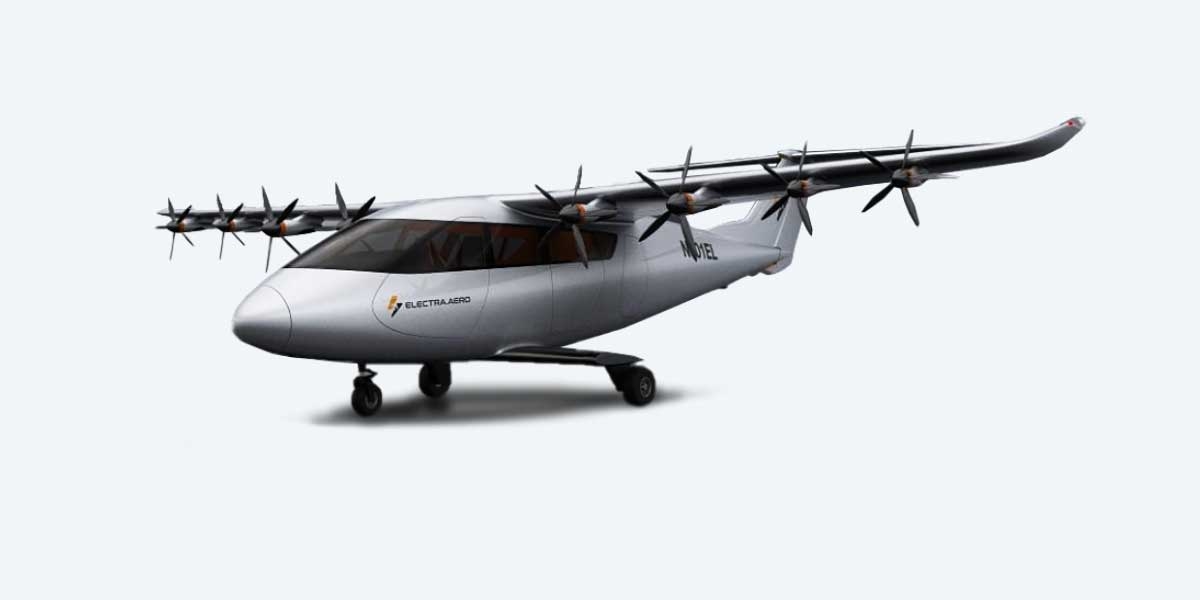
Exterior and Interior photos of Electra Aero eSTOL
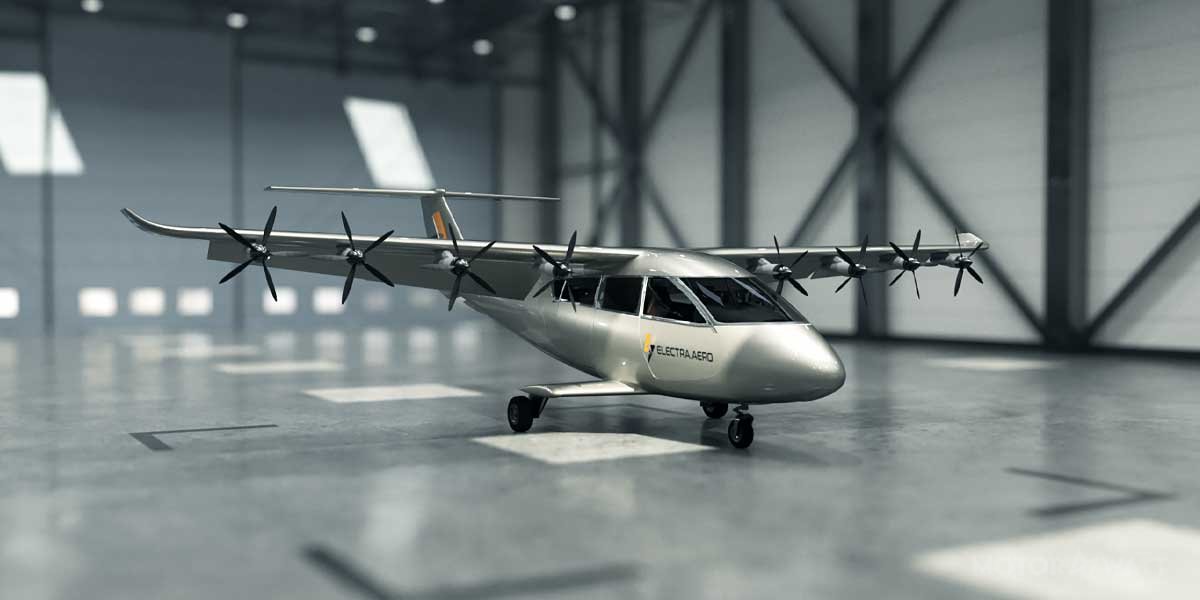


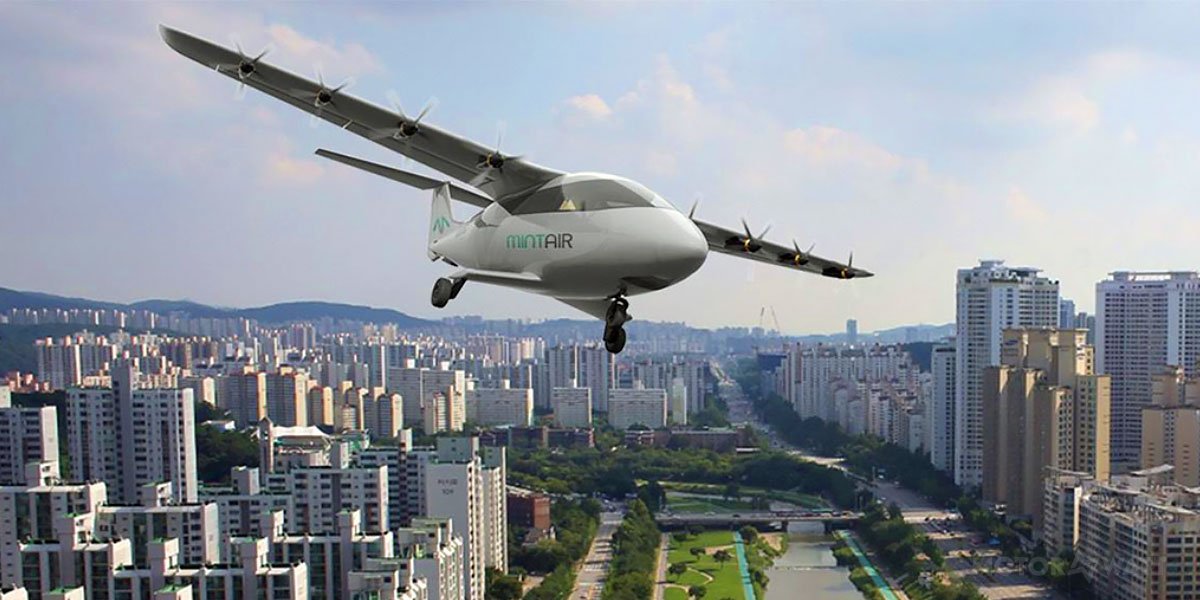
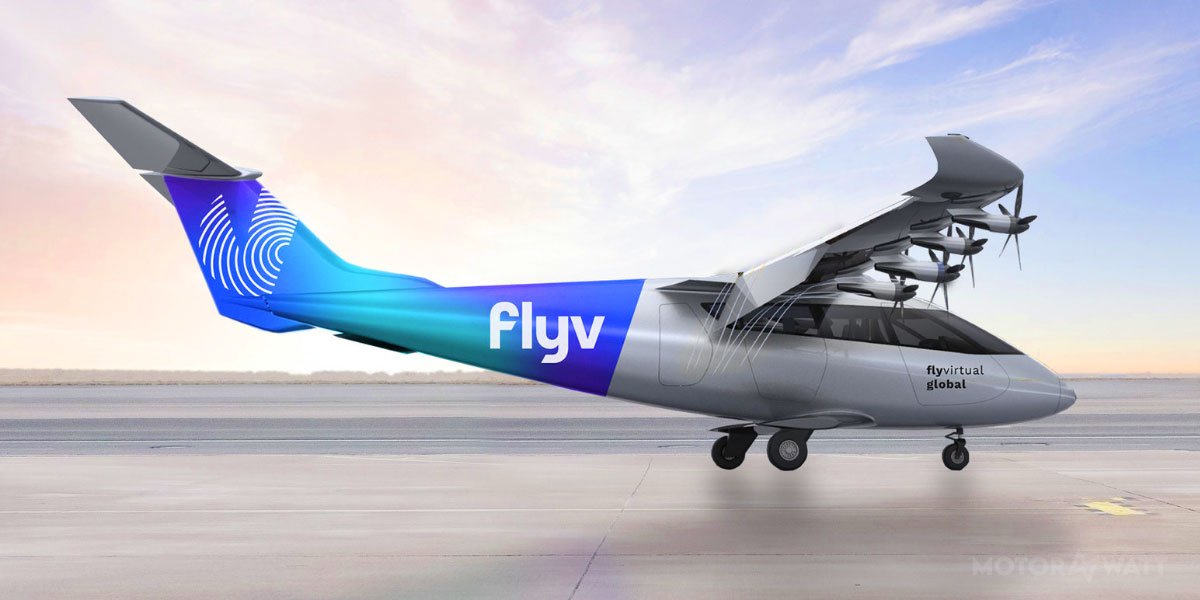
Electra Aero eSTOL Review: Early Impressions & Tech Analysis
Electra Aero eSTOL Introduction:
Electra Aero eSTOL enters the aviation arena as a hybrid electric aircraft built in the United States for the 2026 model year. And it targets a niche few airplanes dare approach. Ultra short takeoff and landing from just 46 meters. That equals roughly 151 feet. Built by Electra.aero, the nine passenger platform leans on hybrid electric aircraft architecture and blown lift technology to connect regional cities without airport congestion. Starting at $4,000,000 USD (€3,366,000), it positions itself between classic turboprops and emerging air taxis. Think regional commuter aircraft with the footprint of a helicopter yet the efficiency of a fixed wing machine.
- Manufactured in the United States with expected certification in 2028 for commercial entry.
- Hybrid electric propulsion combining a 150 kW turbogenerator and eight electric motors.
- Operates from strips as short as 46 meters or 151 feet, redefining short field performance.
- Base trim estimated at $4,000,000 USD (€3,366,000), positioned for regional airlines and cargo operators.
- Designed to carry nine passengers or 1,360 kg of cargo, equal to 3,000 lbs.
How much does the Electra Aero eSTOL cost?
The Electra Aero eSTOL price starts at $4,000,000 USD (€3,366,000). That figure places it in the premium regional transport class, below business jets yet above conventional piston aircraft.
| Trim Level | PRICE | KEY FEATURES |
|---|---|---|
|
EL9 Standard Passenger
|
Nine passenger layout. 120 kWh distributed battery system. 805 km range or 500 miles. Cruise speed 324 km/h or 201 mph. 150 kW turbogenerator with eight electric motors.
|
|
|
EL9 Cargo Utility
|
Optimized cargo bay for 1,360 kg or 3,000 lbs. Rapid modular interior conversion. Hybrid propulsion for rural logistics and medical transport missions.
|
|
|
EL9 Executive VIP
|
Executive cabin trim with sustainable leather seating. Active noise cancellation. Satellite data connectivity. Premium commuter configuration.
|
Each configuration shares the same hybrid architecture and electric propulsion aircraft layout. And each trim targets a distinct operational profile. Passenger shuttle. Cargo hauler. Executive regional transport. Range, battery capacity, and performance stay consistent across the lineup.
Engine, Battery, and Performance Specs:
Battery & Charging Specifications
The distributed battery pack delivers about 120 kWh. Some estimates suggest up to 150 kWh depending on configuration. Total hybrid flying range reaches 805 km, equal to 500 miles. Ferry range extends further under optimized cruise conditions. In flight, the 150 kW turbogenerator recharges the battery system, eliminating ground charging needs. That architecture supports a flying time of 180 minutes, or three hours.
- Battery capacity 120 kWh distributed system
- Range 805 km or 500 miles
- Flying time 180 minutes
- In flight hybrid recharging via turbogenerator
Electric Motor Specifications
Propulsion relies on eight electric motors along the wing’s leading edge. Combined with a 150 kW turbogenerator, the system ensures stable thrust at very low speeds. Maximum takeoff weight reaches 3,175 kg, equal to 7,000 lbs. Distributed electric propulsion enhances lift control and lateral stability. And that makes the aircraft feel precise during approach and climb.
- Eight electric motors
- 150 kW hybrid turbogenerator
- MTOW 3,175 kg or 7,000 lbs
- Blown lift wing integration
Performance Specifications
Cruise speed tops out at 324 km/h, about 201 mph. Flight altitude reaches 900 meters or 2,953 feet. Ultra low stall speed sits near 46 km/h, equal to 29 mph. That figure enables steep approaches and short departures. Payload capacity stands at 1,360 kg, or 3,000 lbs, ideal for regional logistics.
- Max speed 324 km/h or 201 mph
- Operational altitude 900 m or 2,953 ft
- Stall speed 46 km/h or 29 mph
- Cargo capacity 1,360 kg or 3,000 lbs
Advantages emerge quickly. Short field access. Hybrid efficiency. Nine passenger flexibility. And a payload capacity that doubles many eVTOL platforms.
Exterior and Interior Features
Exterior Design
The high wing layout maximizes aerodynamic lift. Eight propellers channel airflow over large trailing edge flaps. Carbon fiber composites reduce structural mass. Dimensions measure 12.5 meters long, 15.8 meters wingspan, and 4.1 meters tall. That equals 41 feet length, 52 feet span, and 13 feet height. A T tail keeps control surfaces clear during steep climbs. LED lighting integrates flush into wingtips and nose for reduced drag.
Interior & Technology
The cockpit centers on a digital glass interface. Large touch displays present flight data and energy metrics. Satellite connectivity enables live weather updates. Cabin layout shifts from nine seats to cargo mode within 30 minutes. Active noise cancellation enhances comfort during hybrid cruise. Sustainable materials reduce cabin mass while preserving premium feel.
Exterior aerodynamics and interior modularity align perfectly. Operators gain flexibility. Pilots gain data clarity. Passengers gain quiet, low altitude comfort.
Pros and Cons:
Pros
- Ultra short 46 meter takeoff capability
- Hybrid electric propulsion with in flight recharge
- 805 km regional range
- 1,360 kg cargo capacity
- Access to 5,000 small US airports
Cons
- Requires minimal ground roll area
- Premium acquisition cost
- Certification timeline extends to 2028
Market position & Expert Data:
Electra Aero eSTOL occupies a rare middle ground between turboprops and eVTOL air taxis. According to Reuters, regional air mobility investment surpassed $7 billion in 2025, reflecting strong demand for short range solutions. Data reveals operators seek lower seat mile costs and simplified certification pathways.
Research from McKinsey projects regional electric aviation could represent 20 percent of short haul flights by 2035. FAA Part 23 compliance supports smoother regulatory approval compared with rotorcraft categories. Payload and 805 km range exceed many urban air taxi models.
Conclusion:
Electra Aero eSTOL stands as a pragmatic regional aircraft engineered for short runway efficiency and hybrid endurance. With 805 km of range, 120 kWh battery support, and cruise speeds of 324 km/h, it serves commuter airlines and cargo operators alike. Pricing from $4,000,000 USD (€3,366,000) positions it below private jets yet above light aircraft. For operators seeking regional access without airport congestion, the value proposition feels compelling and forward thinking.
Watch the Video Overview


Full specifications
Model Specs
| Specification | Actual Data |
|---|---|
|
Model Name
|
Aero eSTOL
|
|
Full Model Designation
|
Electra Aero EL9 Ultra Short
|
|
Model Year
|
2026
|
|
Manufacturer
|
Electra.aero
|
|
Country of Origin
|
United States (USA)
|
|
Vehicle Class
|
Hybrid Electric eSTOL Regional Aircraft
|
Performance
| Specification | Actual Data |
|---|---|
|
Power Type
|
Hybrid Electric Propulsion
|
|
Powertrain
|
150 kW Turbogenerator plus 8 Electric Motors (approx. 201 hp generator output)
|
|
Maximum Cruise Speed
|
324 km/h (201 mph)
|
|
Minimum Takeoff Distance
|
46 m (151 ft)
|
|
Operational Altitude
|
900 m (2,953 ft)
|
Battery and Charging
| Specification | Actual Data |
|---|---|
|
Battery Capacity
|
120 kWh Distributed System
|
|
Charging Method
|
In flight recharging via 150 kW Turbogenerator
|
|
Ground Charging
|
No dedicated ground charging required
|
Estimated Range Data
| Specification | Actual Data |
|---|---|
|
Hybrid Range
|
805 km (500 miles)
|
|
Flying Time
|
180 minutes (3 hours)
|
Body Specifications
| Specification | Actual Data |
|---|---|
|
Length
|
12.5 m (41.0 ft)
|
|
Wingspan
|
15.8 m (51.8 ft)
|
|
Height
|
4.1 m (13.5 ft)
|
|
Maximum Takeoff Weight
|
3,175 kg (7,000 lbs)
|
|
Cargo Capacity
|
1,360 kg (3,000 lbs)
|
Exterior Design Features
| Specification | Actual Data |
|---|---|
|
Wing Configuration
|
High Wing with Blown Lift Flaps
|
|
Airframe Material
|
Carbon Fiber Composite Structure
|
|
Tail Design
|
T Tail Stabilizer
|
Interior Design and Materials
| Specification | Actual Data |
|---|---|
|
Passenger Capacity
|
9 Passengers
|
|
Cabin Configuration
|
Modular Passenger or Cargo Layout
|
|
Interior Materials
|
Lightweight Synthetic Leather and Recycled Composites
|
Cabin Technical Features
| Specification | Actual Data |
|---|---|
|
Cockpit Type
|
Digital Glass Cockpit with Touch Displays
|
|
Connectivity
|
Satellite Linked Data and Real Time Weather Sync
|
|
Flight Control System
|
Fly By Wire with Automated Landing Assistance
|
F.A.Q. about Electra Aero eSTOL
What is an eSTOL hybrid electric aircraft and how does blown lift technology work?
An eSTOL hybrid electric aircraft uses distributed electric motors and advanced aerodynamics to achieve ultra short takeoff and landing performance. Blown lift technology channels airflow over large flaps, increasing lift at very low speeds for operations from strips as short as 46 meters or 151 feet.
- Eight electric motors along the wing
- Enhanced lift at low airspeed
- Short runway regional access
What is the battery capacity and hybrid range?
The Electra Aero eSTOL features a distributed 120 kWh battery system and delivers a hybrid flying range of about 805 km or 500 miles. In ferry configuration, range can extend further under optimized cruise conditions.
- Battery capacity 120 kWh
- Hybrid range 805 km or 500 miles
- Flying time approximately 180 minutes
How does hybrid charging work without ground infrastructure?
The hybrid propulsion system integrates a 150 kW turbogenerator that recharges the battery pack during cruise. That setup eliminates the need for traditional ground charging stations and supports continuous regional operations.
What is the estimated purchase price in the United States and Europe?
The Electra Aero eSTOL starts at $4,000,000 USD (€3,366,000) for the Standard Passenger version in the United States. Cargo configuration begins at $3,850,000 USD (€3,240,000), while the Executive trim reaches $4,500,000 USD (€3,787,000).
Can a hybrid electric regional aircraft handle long distance regional travel?
Yes, a hybrid electric regional aircraft with 805 km range or 500 miles comfortably connects secondary cities. That distance covers many U.S. Midwest routes and European regional corridors without refueling stops.
How many passengers and how much cargo can a short field aircraft carry?
A typical hybrid electric short field aircraft in this class carries nine passengers or up to 1,360 kg of cargo, equal to 3,000 lbs. Cabin layout converts from passenger to freight mode in about 30 minutes.
What cruise speed and flight altitude can operators expect?
Cruise speed reaches 324 km/h or 201 mph, supporting efficient regional travel. Operational altitude is around 900 meters or 2,953 feet for optimized short haul missions and low noise profiles.
What environmental benefits does a hybrid electric propulsion aircraft offer?
Hybrid electric propulsion reduces fuel burn and lowers emissions compared with conventional turboprops. Battery assisted takeoff supports quieter departures, especially valuable for urban and European regional airports with strict noise standards.
How does FAA Part 23 certification benefit regional operators?
Certification under FAA Part 23 aligns the aircraft with conventional fixed wing standards. That pathway supports smoother regulatory approval in the United States and Europe, simplifying entry into scheduled regional service.