AutoFlight eVTOL: Price, Range, and Technical Specs
AutoFlight eVTOL is a 2025 electric vertical take-off and landing aircraft built in China for advanced air mobility. It features a 160 kWh battery, 250 km flying range, 200 km/h top speed, and 400 kW peak output. Designed for four passengers plus a pilot, it supports 45-minute DC charging and a 350 kg payload, targeting regional electric air taxi operations.


| Starting Price | $1,500,000 |
| Model Year | 2025 |
| Country of Manufacturing | China |
| Flying Range | 155 mi |
| Battery Size | 160 kWh |
| Power | Full Electric Electric hp |
* Minimum price set for the base trim by the manufacturerr, excluding taxes and additional options

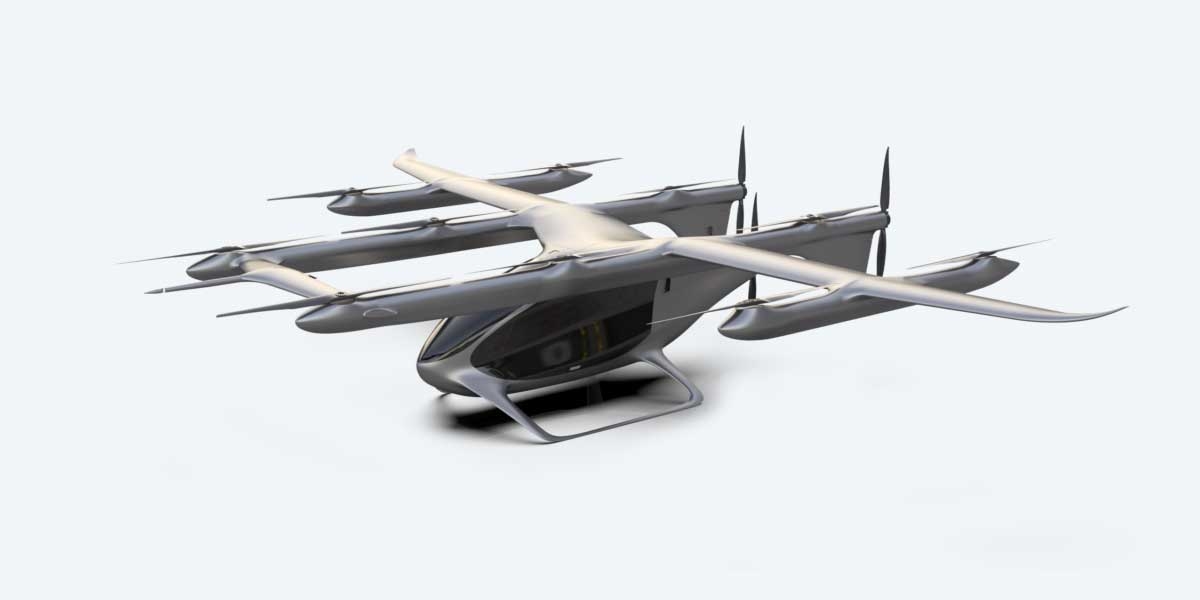
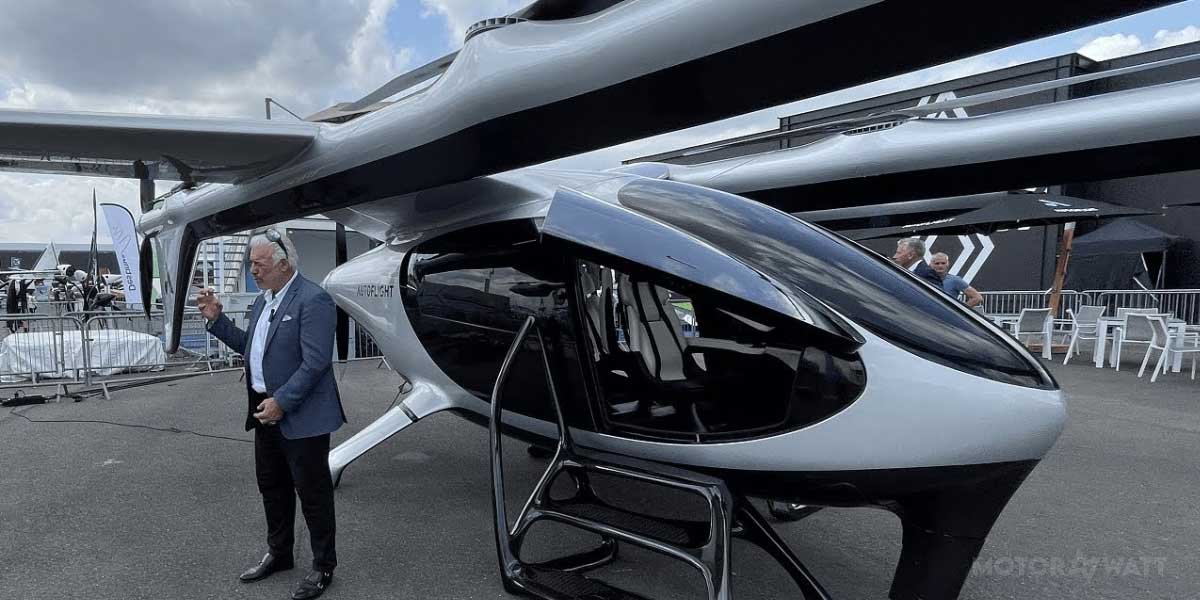
Exterior and Interior photos of AutoFlight eVTOL


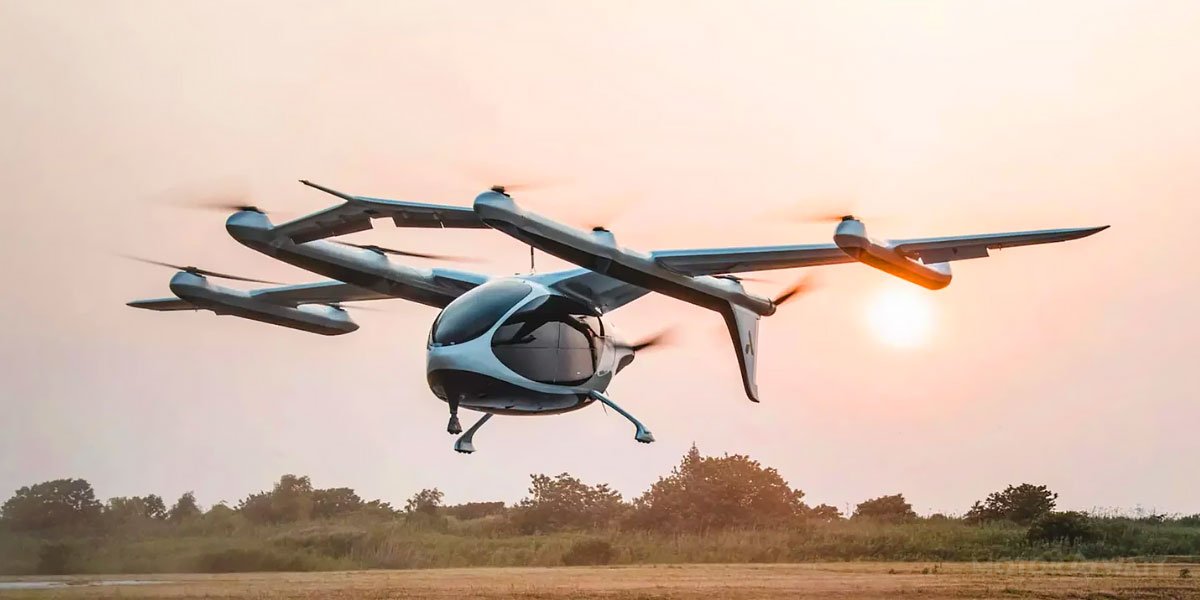
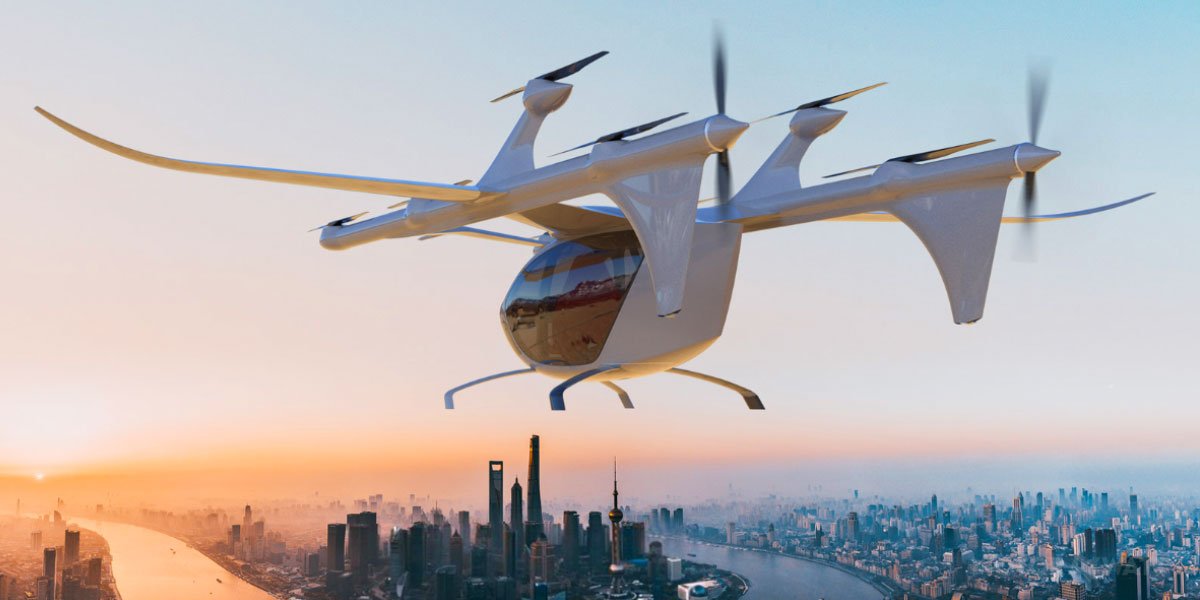
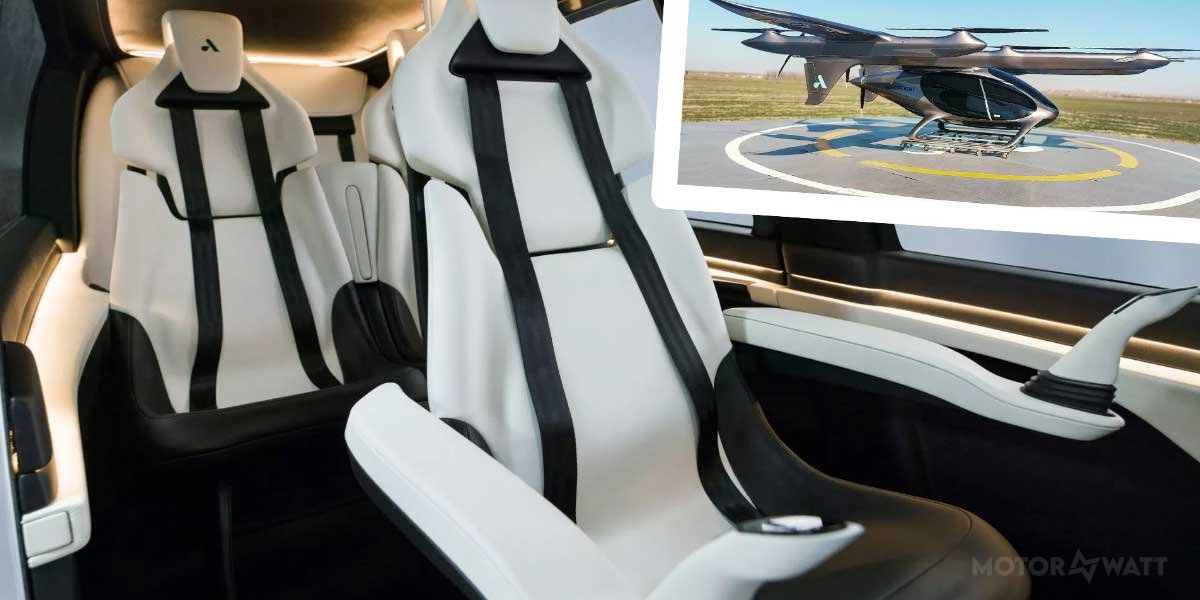
AutoFlight eVTOL Review: Early Impressions & Tech Analysis
AutoFlight eVTOL Introduction:
AutoFlight eVTOL arrives as a 2025 model year electric vertical take off and landing aircraft engineered in China for the advanced air mobility segment. Designed as a high speed eVTOL air taxi, it targets regional transport with a 160 kWh battery and a 250 km range, equal to 155 miles. With a base trim price of $1,500,000 USD (€1,262,250), it positions itself as a premium yet competitive fleet asset in the urban air mobility solution market. And yes, it aims directly at congested inter city corridors. Built on a Lift and Cruise architecture, it transitions from vertical ascent to fixed wing efficiency like a glider shifting into cruise mode.
- Manufactured in China with engineering operations in Augsburg, Germany.
- Model year 2025 with commercial rollout planned for 2025 to 2026.
- Base Trim Price: $1,500,000 USD (€1,262,250) targeting fleet operators.
- Category: Advanced air mobility and regional electric aircraft.
- Primary differentiator: Verified 250 km single charge flight record.
How much does the AutoFlight eVTOL cost?
The AutoFlight eVTOL price starts at $1,500,000 USD (€1,262,250). That entry figure anchors it within the premium eVTOL air taxi class, competing with Joby and Archer in fleet scale deployments.
| Trim Level | PRICE | KEY FEATURES |
|---|---|---|
|
Prosperity I Base Configuration
|
160 kWh battery, 250 km range, 200 km/h top speed, 400 kW peak output, 4 passengers plus pilot, 350 kg payload. Carbon fiber composite airframe with lift and cruise propulsion.
|
|
|
Prosperity I Commercial Fleet Edition
|
Optimized fleet software integration, enhanced 5G data suite, reinforced landing gear, and cabin upgrades for executive shuttle operations.
|
Trim differentiation centers on software integration and operator readiness. Battery capacity, flying range, and propulsion remain constant across configurations. The 400 kW peak system output equals roughly 536 horsepower, delivering steady cruise efficiency. Fleet buyers focus on payload capacity of 350 kg or 772 pounds and maximum take off weight of 2,000 kg, equivalent to 4,409 pounds.
Engine, Battery, and Performance Specs:
Battery & Charging Specifications
The aircraft runs on a 160 kWh lithium battery system engineered for high discharge cycles. Flying range reaches 250 km, about 155 miles, on a single charge under optimal cruise conditions. DC charging replenishes to 80 percent in 45 minutes, supporting rapid turnaround for fleet operators. Energy density and distributed electric propulsion architecture allow efficient lift and cruise transitions.
- Battery Capacity: 160 kWh
- Flying Range: 250 km / 155 miles
- DC Charging Time: 45 minutes to 80 percent
- Architecture: Distributed electric propulsion
Electric Motor Specifications
Total peak output stands at 400 kW, equivalent to 536 hp. Ten lift rotors manage vertical take off while a rear pusher propeller handles cruise thrust. The high wing configuration supports stable gliding at 200 km/h, equal to 124 mph. Fly by wire controls reduce pilot workload during transition phases.
- Total System Peak: 400 kW / 536 hp
- Top Speed: 200 km/h / 124 mph
- Lift Rotors: Ten vertical propellers
- Passengers: 4 plus pilot
Performance Specifications
Cruise flight feels closer to a business jet than a helicopter. Maximum take off weight reaches 2,000 kg or 4,409 pounds. Cargo capacity equals 350 kg, about 772 pounds. Range leadership within its class strengthens regional air taxi appeal.
- Max Take Off Weight: 2,000 kg / 4,409 lbs
- Cargo Capacity: 350 kg / 772 lbs
- Cruise Speed: 200 km/h / 124 mph
Advantages stand clear. Efficient lift and cruise mechanics cut drag. Carbon fiber composites reduce structural mass. High range and payload support profitable fleet operations. And passenger comfort aligns with executive expectations.
Exterior and Interior Features
Exterior Design
Exterior form reflects aerodynamic precision. Length measures 11.6 meters or 38.1 feet. Wingspan stretches 14.5 meters or 47.6 feet. Height stands at 2.6 meters or 8.5 feet. Carbon fiber composite panels maintain structural rigidity with low mass. LED navigation lighting integrates seamlessly into leading edges. Longitudinal booms house lift rotors, ensuring balanced hover geometry.
Interior & Technology
Cabin layout supports four passengers in a 1 plus 2 plus 1 or 2 plus 2 configuration. Wrap around windows deliver 270 degree panoramic views. Digital flight displays dominate the cockpit. 5G ready connectivity enables real time monitoring. Sustainable eco fabrics reduce cabin weight while preserving premium feel.
Interior noise remains lower than traditional helicopters thanks to optimized propeller acoustics. And passengers experience steady climbs with minimal vibration. Cabin ergonomics resemble luxury automotive design cues. Practical. Comfortable. Executive ready.
Pros and Cons:
Pros
- Class leading 250 km flying range
- Efficient Lift and Cruise architecture
- 400 kW peak output with stable cruise
- Premium cabin with panoramic visibility
- Strong 350 kg payload capacity
Cons
- High acquisition cost for private buyers
- Infrastructure rollout varies by region
- Certification timelines affect Western deployment
Market position & Expert Data:
According to Reuters, global advanced air mobility investment surpassed $8 billion in 2025. Data reveals Asia leads deployment pace, particularly in China’s Greater Bay Area. AutoFlight positions its aircraft within mid tier regional routes, bridging short city hops and longer commuter flights.
Research from McKinsey projects urban air mobility revenue could reach $23 billion annually by 2030. FAA and EASA certifications remain key gateways for United States and European operations. Industry analysts note that lift and cruise architectures simplify mechanical systems compared with tilt rotor concepts.
Conclusion:
AutoFlight eVTOL stands as a forward looking regional electric aircraft built for the emerging air taxi network. With a 160 kWh battery, 250 km range, and 200 km/h cruise speed, it offers credible short haul connectivity. Fleet operators gain payload strength and efficient turnaround charging. And passengers receive a quieter, executive level flight experience.
Watch the Video Overview


Full specifications
Model Specs
| Specification | Actual Data |
|---|---|
|
Model Name
|
AutoFlight eVTOL
|
|
Model Year
|
2025 2025
|
|
Manufacturer
|
AutoFlight
|
|
Country of Origin
|
China
|
|
Vehicle Class
|
Advanced Air Mobility eVTOL Aircraft
|
Performance
| Specification | Actual Data |
|---|---|
|
Power Type
|
Full Electric Electric
|
|
Total System Peak Power
|
400 kW (536 hp)
|
|
Maximum Speed
|
200 km/h (124 mph) 200
|
|
Maximum Take Off Weight
|
2,000 kg (4,409 lbs) 2000
|
Battery and Charging
| Specification | Actual Data |
|---|---|
|
Battery Capacity
|
160 kWh 160
|
|
Charging Time (DC 10% to 80%)
|
45 minutes
|
Estimated Range Data
| Specification | Actual Data |
|---|---|
|
Certified Flying Range
|
250 km (155 miles) 250
|
Body Specifications
| Specification | Actual Data |
|---|---|
|
Length
|
11.6 m (38.1 ft) 11.6
|
|
Wingspan
|
14.5 m (47.6 ft) 14.5
|
|
Height
|
2.6 m (8.5 ft) 2.6
|
Exterior Design Features
| Specification | Actual Data |
|---|---|
|
Airframe Material
|
Carbon fiber composite structure
|
|
Lighting System
|
Integrated LED navigation and landing lights
|
Interior Design and Materials
| Specification | Actual Data |
|---|---|
|
Seating Capacity
|
4 Passengers + Pilot 5
|
|
Cabin Layout
|
1+2+1 or 2+2 configuration
|
Cabin Technical Features
| Specification | Actual Data |
|---|---|
|
Flight Control System
|
Fly by wire digital control
|
|
Connectivity
|
5G ready communication suite
|
F.A.Q. about AutoFlight eVTOL
What is the real world flying range for an electric vertical take off and landing aircraft?
AutoFlight eVTOL offers a certified flying range of 250 km, equal to about 155 miles, under optimal cruise conditions. Real world range depends on payload, wind, and route profile.
- Cruise efficiency improves during horizontal glide
- Higher payload reduces total range
- Cold temperatures may affect battery output
What is the battery capacity and usable energy for advanced air mobility operations?
AutoFlight eVTOL uses a 160 kWh high density lithium battery system engineered for distributed electric propulsion. Usable energy supports vertical lift, cruise flight at 200 km per hour, and reserve margins for safe landing.
- Battery Capacity: 160 kWh
- Designed for short haul regional missions
- Optimized for lift and cruise efficiency
How long does DC fast charging take for an eVTOL air taxi?
AutoFlight eVTOL reaches 80 percent charge in about 45 minutes using DC fast charging infrastructure. Fleet operators plan rotations around rapid turnaround cycles to maximize utilization.
What is the price in the USA for a premium eVTOL air taxi?
AutoFlight eVTOL starts at $1,500,000 USD (€1,262,250) for the base configuration in the 2025 model year. Commercial fleet editions reach $1,800,000 USD (€1,514,700) depending on equipment and integration packages.
How fast can a Lift and Cruise electric aircraft travel between cities?
Cruise speed reaches 200 km per hour, equivalent to 124 miles per hour. That velocity supports regional connections between cities within a 150 mile corridor in roughly one hour.
How many passengers and how much payload can a regional electric aircraft carry?
The aircraft accommodates four passengers plus a pilot. Payload capacity reaches 350 kg, equal to about 772 pounds, supporting executive travel and light cargo missions.
- Maximum Take Off Weight: 2,000 kg or 4,409 lbs
- Suitable for business and commuter routes
How safe is a distributed electric propulsion eVTOL compared with helicopters?
Distributed electric propulsion uses multiple independent lift rotors, enhancing redundancy during vertical flight. Advanced flight control computers manage transitions autonomously, improving stability and passenger confidence.
Is advanced air mobility available for commercial service in the USA and Europe?
Commercial deployment depends on FAA and EASA type certification timelines. Test programs in Germany and expansion efforts in the United States aim to enable regional urban air mobility routes between major hubs.