Eviation Alice: Price, Range, and Technical Specs
Eviation Alice is a 2026 all electric commuter aircraft developed in the USA for nine passengers. It uses an 820 kWh lithium ion battery and dual 640 kW motors delivering 1,280 kW total output. With a flying range of 460 km and top speed of 480 km/h, it targets regional routes under 300 miles. Base price starts at $4,000,000 USD, positioning it as a premium zero emission aviation solution.

| Starting Price | $4,000,000 |
| Model Year | 2026 |
| Country of Manufacturing | USA |
| Flying Range | 288 mi |
| Battery Size | 820 kWh |
| Power | All-electric dual motor propulsion hp |
* Minimum price set for the base trim by the manufacturerr, excluding taxes and additional options

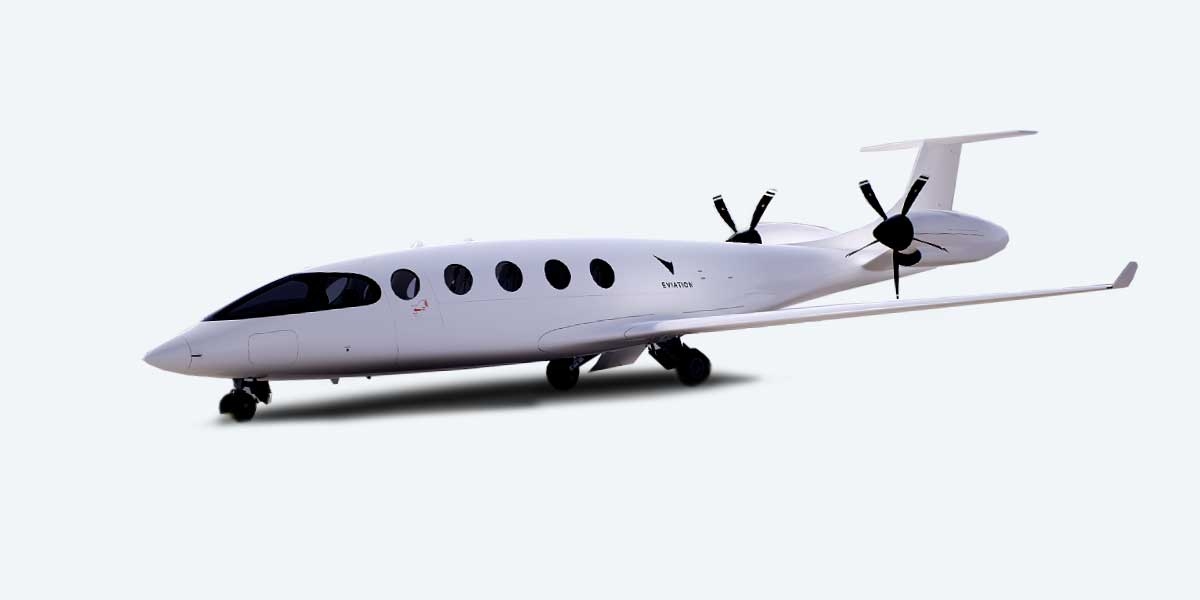
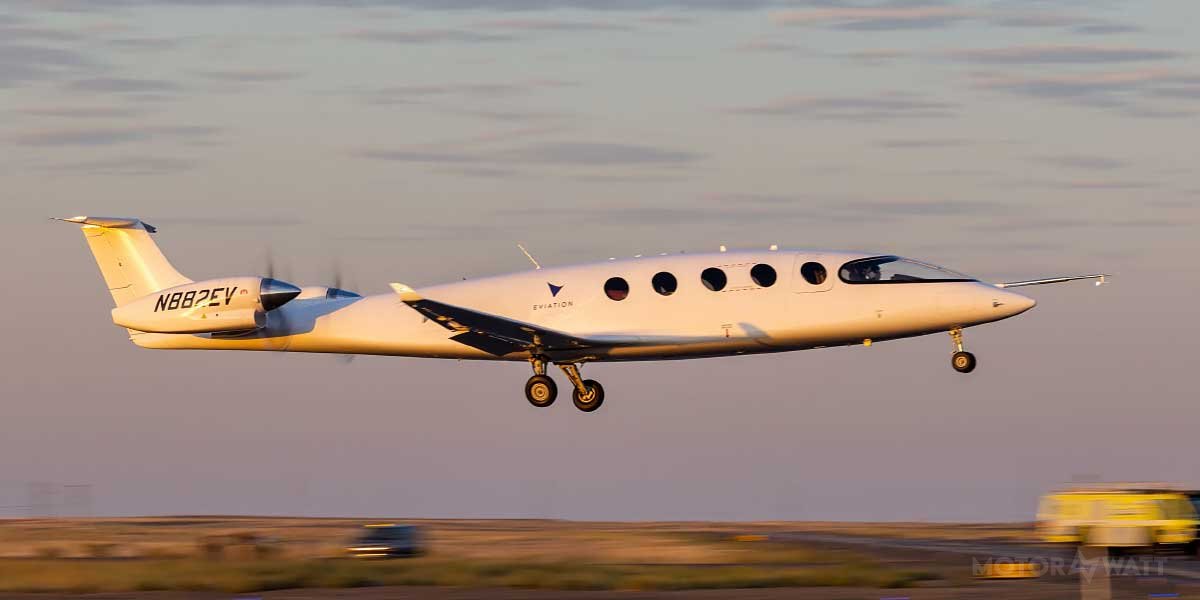
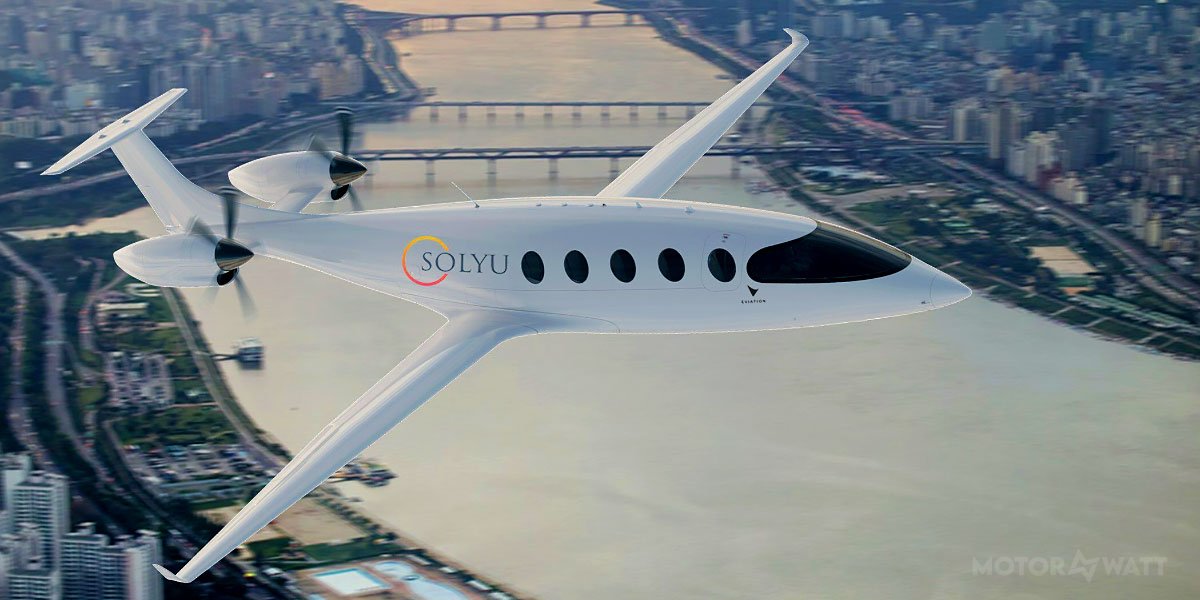
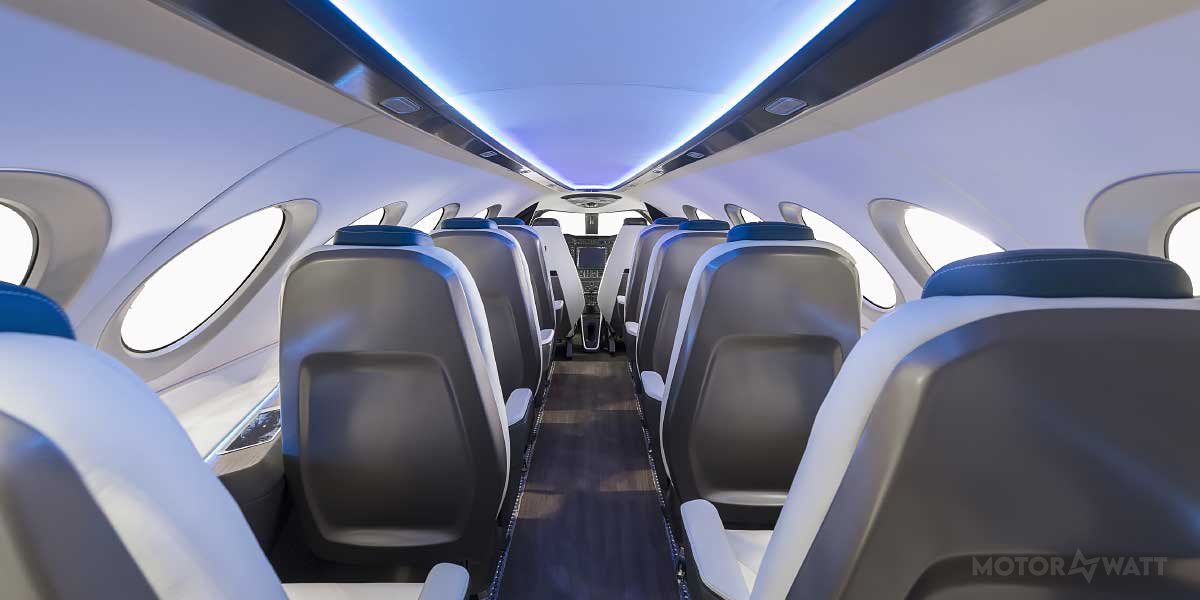
Exterior and Interior photos of Eviation Alice


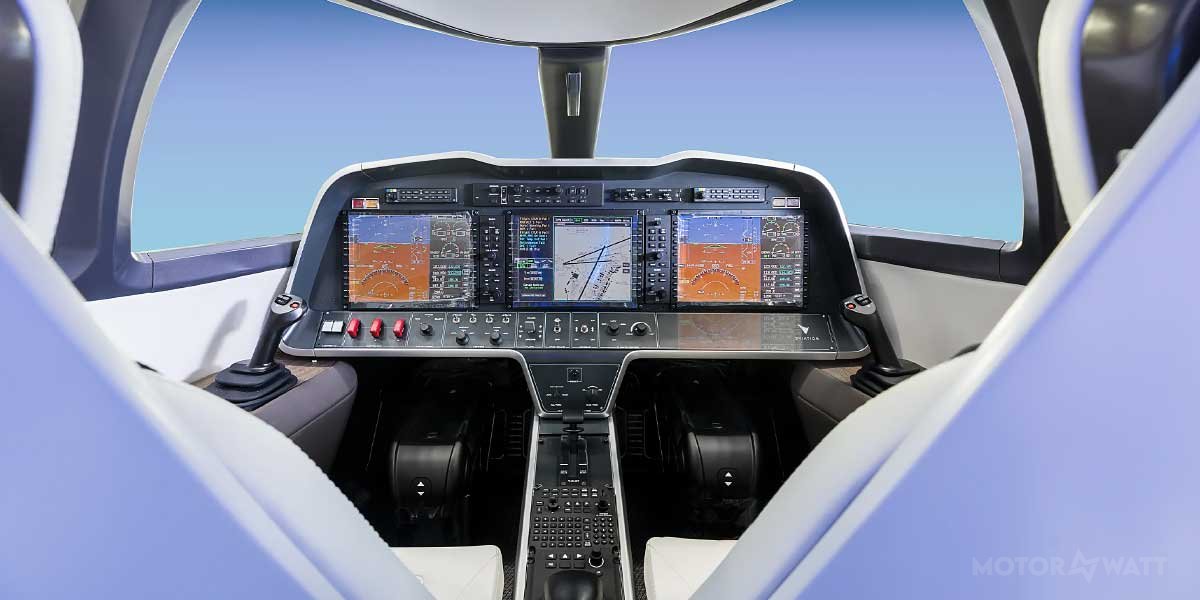
Eviation Alice Review: Early Impressions & Tech Analysis
Eviation Alice Introduction:
Eviation Alice arrives as a pure electric commuter aircraft engineered in the USA for the 2026 model year. Designed by Eviation Aircraft in Washington State, it targets the nine passenger regional aviation segment with a zero emission propulsion architecture. The aircraft positions itself as a clean sheet electric aircraft, built around an 820 kWh lithium ion battery and dual 640 kW electric motors. It offers a projected flying range of 460 km, equal to 286 miles, and a cruise speed of 480 km/h, or 298 mph. Starting at $4,000,000 USD ($3,367,740 EUR), it sits in the premium regional air mobility category. And yes, it speaks directly to operators chasing lower operating costs and quieter skies.
- Manufactured in the United States with market entry planned for late 2026.
- Historic first flight completed in 2022, followed by refined T tail production configuration.
- Base commuter price begins at $4,000,000 USD ($3,367,740 EUR).
- Targets regional airlines, cargo operators, and corporate mobility sectors.
What is the Price of Eviation Alice in 2026?
The Eviation Alice price starts at $4,000,000 USD ($3,367,740 EUR) for the Base Commuter configuration. That figure reflects advanced composite construction and high density lithium ion battery technology.
| Trim Level | PRICE | KEY FEATURES |
|---|---|---|
|
Base Commuter
|
820 kWh battery, 460 km range, 1,280 kW dual motors, 480 km/h top speed, nine passenger layout, 1,134 kg payload capacity.
|
|
|
Executive Corporate
|
Luxury cabin, premium interior finishes, 1-1 seating, enhanced connectivity, optimized for executive transport missions.
|
|
|
eCargo
|
Dedicated cargo layout, up to 1,179 kg capacity, electric logistics configuration for regional freight operators.
|
Each configuration maintains the same electric propulsion system. The executive trim elevates interior appointments. The eCargo model maximizes payload efficiency for middle mile aviation routes.
Engine, Battery, and Performance Specs:
Battery & Charging Specifications
The electric aircraft relies on an 820 kWh lithium ion battery pack integrated into the fuselage structure. That energy supports a flying range of 460 km, equivalent to 286 miles under day VFR conditions with reserves. Charging requires approximately 30 minutes per flight hour using high power DC infrastructure. And for operators running multiple daily rotations, that turnaround metric defines profitability. The battery system uses redundant strings for operational resilience.
- Battery capacity: 820 kWh lithium ion
- Flying range: 460 km 286 miles
- Charging time: 30 minutes per flight hour
- Maximum take off weight: 8,346 kg 18,401 lbs
Electric Motor Specifications
Propulsion flows from two magni650 electric motors rated at 640 kW each. Combined system output reaches 1,280 kW, equivalent to roughly 1,716 horsepower. Electric propulsion provides immediate torque delivery, improving climb characteristics and reducing mechanical complexity. The twin motor layout sits aft in a tractor configuration to reduce drag and enhance aerodynamic efficiency.
- Total power output: 1,280 kW 1,716 hp
- Motor configuration: 2 x 640 kW
- Propulsion type: All electric fixed wing
Performance Specifications
Top speed reaches 480 km/h, or 298 mph, positioning it squarely in the regional commuter category. Service ceiling stands at 9,144 meters, equal to 30,000 feet. Climb rate averages 610 meters per minute, roughly 2,000 feet per minute. And because electric motors operate with minimal vibration, passengers experience an unusually smooth ascent profile.
- Top speed: 480 km/h 298 mph
- Service ceiling: 9,144 m 30,000 ft
- Climb rate: 610 m per minute
For regional carriers, electric propulsion translates into lower direct operating costs. Electric commuter aircraft operations benefit from simplified maintenance cycles and reduced fuel dependency. And that efficiency narrative resonates strongly across sustainable aviation markets.
Exterior and Interior Features
Exterior Design
The airframe spans 19.2 meters, or 63 feet, across the wings. Length measures 17.4 meters, around 57 feet, with a height of 3.84 meters. Carbon fiber composites account for over 95 percent of structural composition. The T tail design enhances stability while preserving aerodynamic cleanliness. Retractable tricycle landing gear reduces drag during cruise phases. LED lighting integrated into winglets improves visibility with minimal energy draw.
Interior & Technology
The cabin width measures 1.93 meters, offering generous space for a nine passenger layout. Seat pitch reaches 32 inches, enabling comfortable regional travel. Large panoramic windows measure 56 cm by 42 cm. The cockpit integrates Honeywell fly by wire digital systems and touchscreen flight displays. High speed Wi Fi and USB charging ports support modern business travel needs.
Interior refinement aligns with corporate mobility expectations. Exterior efficiency enhances operational economics. And together they form a compelling electric aircraft package for regional aviation stakeholders.
Pros and Cons:
Pros
- Zero emission electric propulsion
- Projected 70 percent lower operating costs
- Quiet flight profile for noise sensitive airports
- High 1,134 kg payload capacity
Cons
- Range limited to sub 500 km missions
- Dependent on airport charging infrastructure
- High upfront capital expenditure
Market position & Expert Data:
According to Reuters, global investment in electric aviation projects surpassed $5 billion by 2025. Research shows regional decarbonization mandates in Europe accelerate electric fleet adoption. Data reveals sub 500 km routes represent nearly 45 percent of domestic flights in developed markets.
McKinsey reports in 2026 that battery energy density improvements of 8 percent annually drive electric aircraft feasibility. Harvard Business Review notes sustainable aviation fuel alternatives reduce emissions yet retain fuel dependency. Electric commuter aircraft offer full elimination of combustion emissions for short haul routes.
Conclusion:
Eviation Alice stands as a defining electric commuter aircraft for 2026. With 820 kWh battery capacity, 460 km range, and 1,280 kW propulsion, it answers the call for zero emission regional aviation. Price positioning at $4,000,000 USD reflects advanced aerospace engineering. For operators seeking sustainable mobility and reduced operating costs, it presents a compelling strategic asset.
Watch the Video Overview


Full specifications
Model Specs
| Specification | Actual Data |
|---|---|
|
Model Name
|
Alice
|
|
Model Year
|
2026
|
|
Vehicle Class
|
Nine-passenger electric commuter aircraft
|
|
Manufacturer
|
Eviation Aircraft
|
|
Country of Origin
|
United States of America
|
|
Passenger Capacity
|
9 passengers
|
Performance
| Specification | Actual Data |
|---|---|
|
Powertrain Type
|
All-electric dual motor propulsion
|
|
Total Power Output
|
1,280 kW (approximately 1,716 hp)
|
|
Maximum Speed
|
480 km/h (298 mph)
|
|
Service Ceiling
|
9,144 m (30,000 ft)
|
|
Climb Rate
|
610 m/min (about 2,000 ft/min)
|
Battery and Charging
| Specification | Actual Data |
|---|---|
|
Battery Capacity
|
820 kWh Lithium-ion
|
|
Charging Type
|
High-power DC fast charging
|
|
Charging Time
|
Approximately 30 minutes per flight hour
|
Estimated Range Data
| Specification | Actual Data |
|---|---|
|
Nominal Electric Range
|
460 km (286 miles)
|
|
Optimized Route Range
|
150–450 km (93–280 miles) regional routes
|
Body Specifications
| Specification | Actual Data |
|---|---|
|
Length
|
17.4 m (57.1 ft)
|
|
Wingspan
|
19.2 m (63 ft)
|
|
Height
|
3.84 m (12.6 ft)
|
|
Maximum Take-Off Weight
|
8,346 kg (18,401 lbs)
|
|
Cargo Capacity
|
1,134–1,179 kg (2,500–2,600 lbs)
|
Exterior Design Features
| Specification | Actual Data |
|---|---|
|
Airframe Material
|
Over 95 percent carbon fiber composites
|
|
Tail Configuration
|
T-tail production configuration
|
|
Landing Gear
|
Retractable tricycle gear
|
|
Lighting
|
High-intensity LED winglet and nose lighting
|
Interior Design and Materials
| Specification | Actual Data |
|---|---|
|
Cabin Width
|
1.93 m (6.33 ft)
|
|
Seating Layout
|
1-1 configuration, 32 inch seat pitch (81 cm)
|
|
Window Dimensions
|
56 cm x 42 cm (22 in x 16.5 in)
|
Cabin Technical Features
| Specification | Actual Data |
|---|---|
|
Cockpit System
|
Honeywell digital fly-by-wire with touchscreen displays
|
|
Connectivity
|
High-speed Wi-Fi and USB charging at every seat
|
|
Safety Systems
|
Redundant battery strings and digital engine monitoring
|
F.A.Q. about Eviation Alice
What is the real flying range on a single charge for an electric commuter aircraft?
Eviation Alice delivers a practical flying range of about 460 km or 286 miles under day VFR conditions with reserves. Real world performance depends on payload, weather, and cruise speed.
- Higher payload slightly reduces electric aircraft range
- Cruise at 480 km/h optimizes time efficiency
- Cold temperatures can affect lithium ion battery output
What is the usable battery capacity in this all electric regional plane?
Eviation Alice uses an 820 kWh lithium ion aviation battery designed for commuter aircraft operations. That capacity supports sub regional routes between 150 and 450 km.
How long does it take to charge a regional electric aircraft?
Charging requires roughly 30 minutes per flight hour using high power DC infrastructure. That turnaround model supports multiple short haul rotations per day.
- High power airport charging is required
- Charging speed depends on grid capacity
How does electric propulsion performance compare with turboprop aircraft?
Dual electric motors deliver 1,280 kW or about 1,716 hp with instant torque. Acceleration during climb feels smoother and quieter than traditional combustion aircraft.
- Top speed reaches 480 km/h or 298 mph
- Climb rate averages 610 meters per minute
What is the price in the USA for a nine passenger electric aircraft?
Eviation Alice starts at $4,000,000 USD ($3,367,740 EUR) for the Base Commuter configuration. Executive trim reaches $5,000,000 USD ($4,209,675 EUR).
What are the environmental benefits of zero emission aviation?
All electric propulsion eliminates in flight carbon emissions on regional routes. Noise levels drop dramatically, improving access to noise sensitive municipal airports.
What maintenance advantages come with an electric propulsion system?
Electric aircraft systems include fewer moving parts than fuel engines. That simplifies inspections and reduces direct operating costs for regional airlines.
What payload capacity supports regional cargo missions?
Payload capacity reaches up to 1,134 kg in passenger configuration and about 1,179 kg in cargo layout. That equals roughly 2,500 pounds of usable load.
Is electric regional aviation available for operators in the USA and Europe?
Eviation Alice targets market entry beginning in late 2026 with strong interest from US regional carriers and European operators under decarbonization mandates.