ATEA Hybrid Electric VTOL 2028: Price, Range, and Technical Specs
ATEA Hybrid Electric VTOL is a French built hybrid electric vertical take off and landing aircraft targeting regional air mobility from 2029. It features a 100 kWh battery, 1000 kW power output, 400 km range, and 200 km/h top speed. Designed for one pilot and four passengers with 400 kg payload capacity, it combines battery power with hybrid propulsion to deliver extended range, lower emissions, and efficient intercity flight beyond typical pure electric eVTOL limits.

| Starting Price | $4,000,000 |
| Model Year | 2028 |
| Country of Manufacturing | France |
| Flying Range | 249 mi |
| Battery Size | 100 kWh |
| Power | Hybrid Electric Propulsion hp |
* Minimum price set for the base trim by the manufacturerr, excluding taxes and additional options

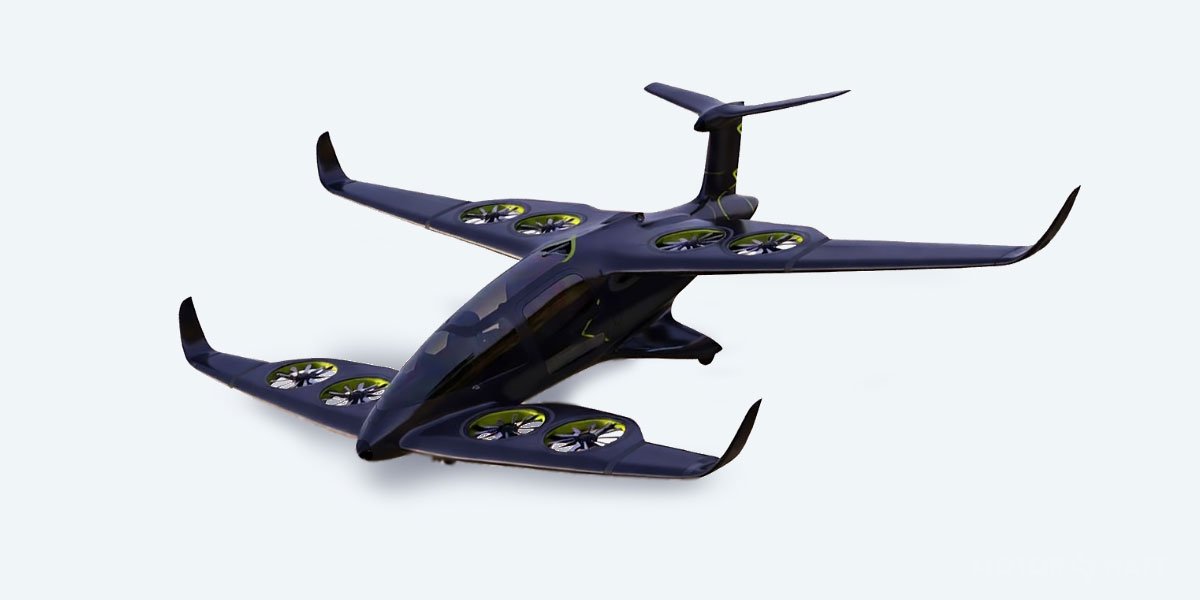
Exterior and Interior photos of ATEA Hybrid Electric VTOL 2028


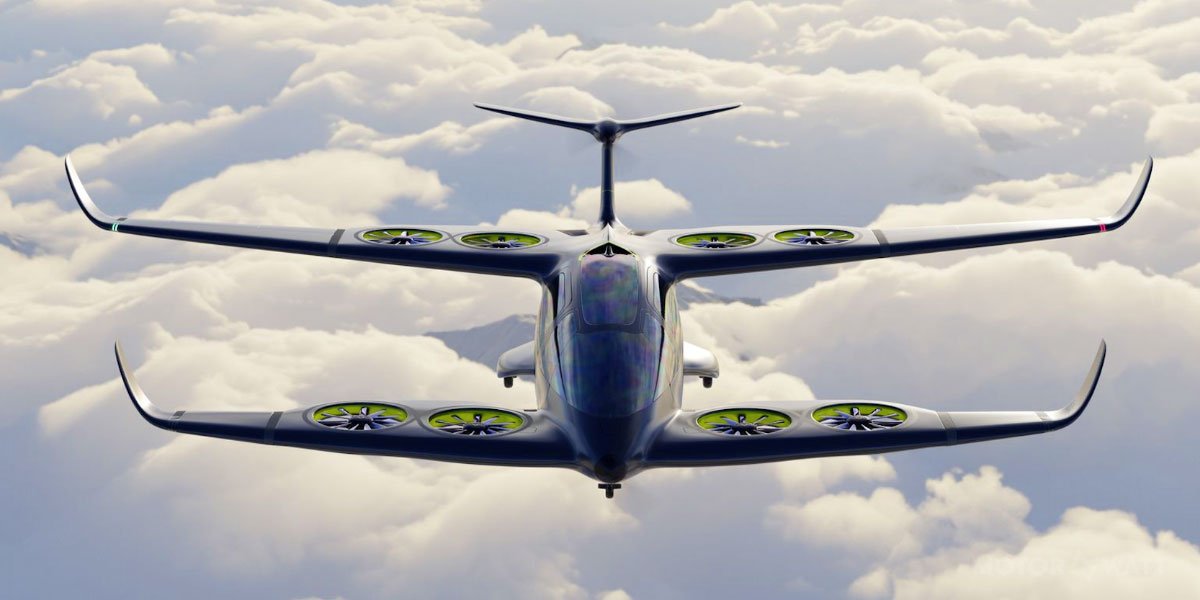
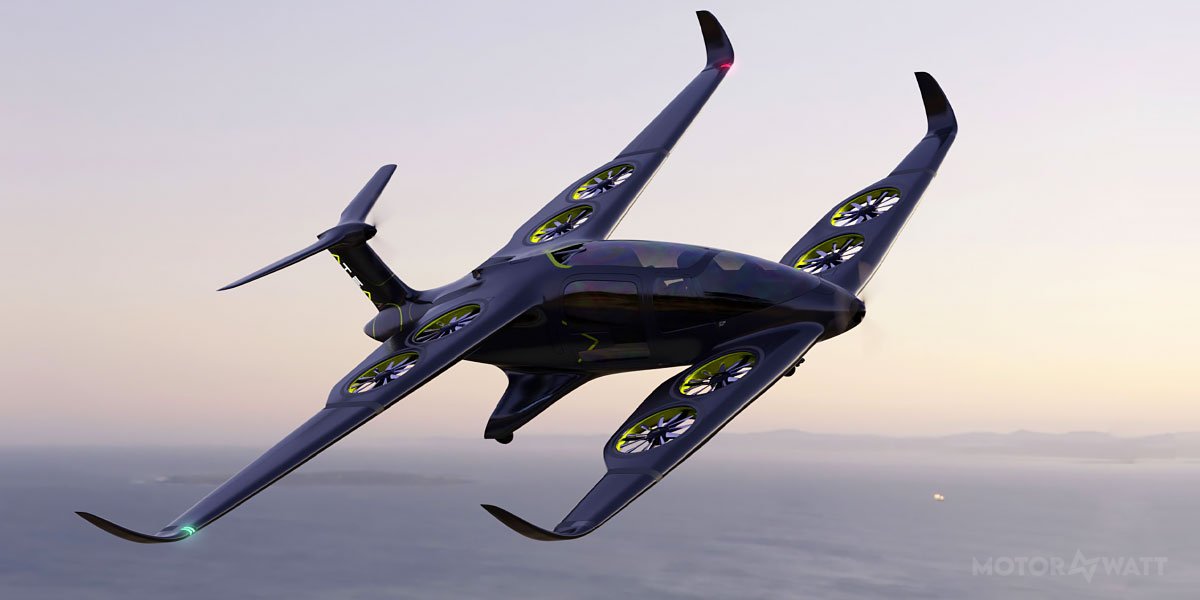
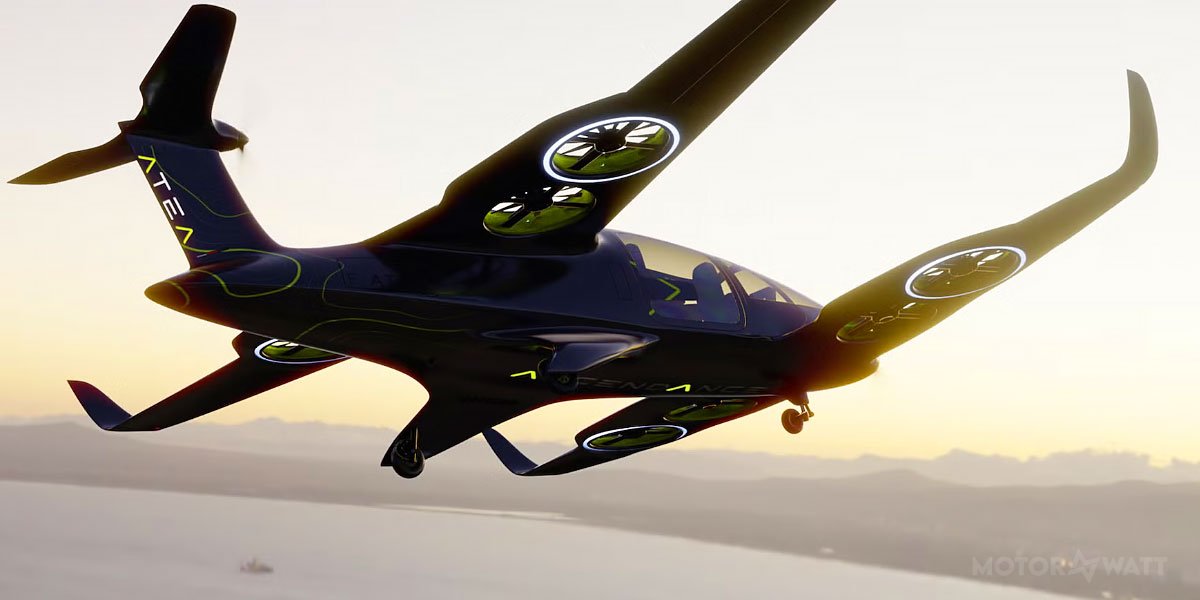
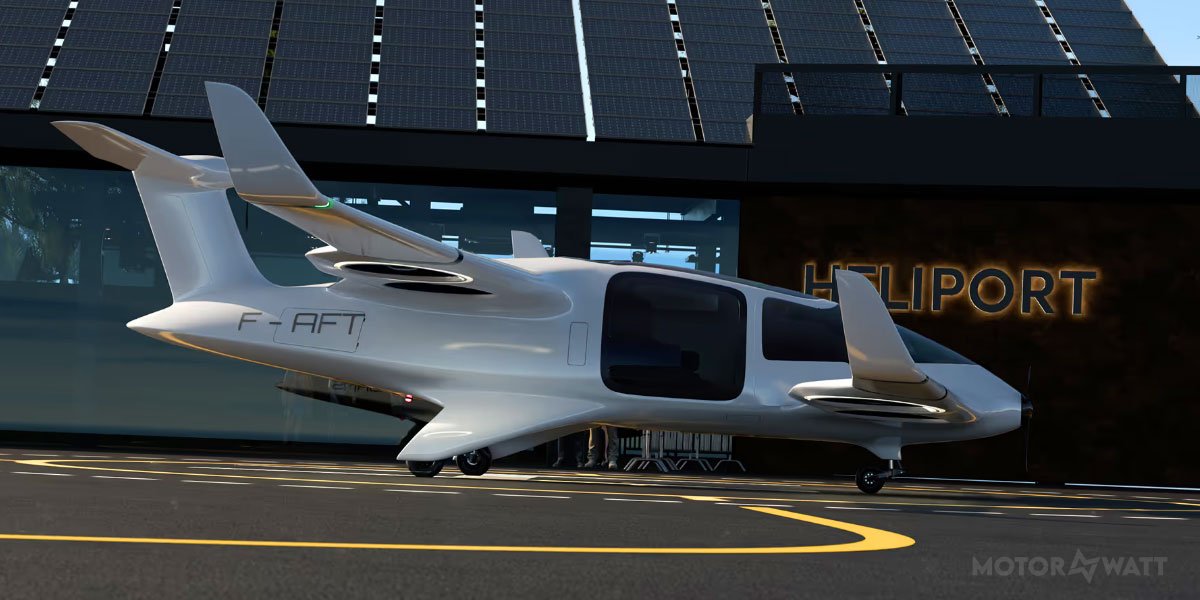
ATEA Hybrid Electric VTOL 2028 Review: Early Impressions & Tech Analysis
ATEA Hybrid Electric VTOL Introduction:
ATEA Hybrid Electric VTOL enters the regional air mobility arena as a French-built hybrid electric aircraft engineered for vertical take off and landing operations. Developed by Ascendance Flight Technologies, France, it targets entry into service by 2029. Positioned in the hybrid electric VTOL aircraft category, it bridges urban and intercity air transport with a 400 km flying range and a 100 kWh onboard battery. Operators gain a projected 80 percent emission reduction compared with conventional rotorcraft. With a base price of $4,000,000 USD (€3,370,960), it competes directly with premium advanced air mobility platforms. Power output reaches an estimated 1000 kW, equivalent to roughly 1341 horsepower, delivering cruise speeds up to 200 km/h or 124 mph. Designed for one pilot and four passengers, it carries up to 400 kg or 882 lb of payload. And yes, it speaks directly to operators seeking low carbon aviation without sacrificing mission flexibility.
- Manufactured in France with certification pathway aligned to EASA standards and FAA engagement for future US deployment.
- Expected service entry in 2029, targeting regional passenger transport, emergency services, and cargo operations.
- Hybrid propulsion architecture combining battery power and turbogenerator support for extended regional air mobility missions.
- Base Hybrid Piloted Configuration priced at $4,000,000 USD (€3,370,960), with a Multi Mission Variant estimated at $4,500,000 USD (€3,792,330).
- Fan in wing lift plus cruise layout optimized for quiet vertiport compatible operations.
What is the Price of ATEA Hybrid eVTOL?
The ATEA Hybrid Electric VTOL price starts at $4,000,000 USD (€3,370,960). That figure positions it within the premium regional advanced air mobility platform segment, competing against high-end electric VTOL aircraft and modern light helicopters.
| Trim Level | PRICE | KEY FEATURES |
|---|---|---|
|
Base Hybrid Piloted Configuration
|
Hybrid propulsion rated at 1000 kW, 100 kWh battery pack, 400 km range, 200 km/h cruise speed, 1600 kg curb weight, 400 kg payload. Designed for one pilot and four passengers with distributed propulsion and fan in wing configuration.
|
|
|
Multi Mission Configured Variant
|
Enhanced cabin layout for medical evacuation or cargo missions, adaptable interior, same hybrid electric VTOL platform with mission specific avionics and equipment integration for emergency services and regional logistics.
|
Both trims emphasize hybrid endurance over pure electric aircraft. The 400 km range, or about 249 miles, doubles many short urban eVTOL offerings. Payload capacity reaches 400 kg or 882 lb, supporting medical stretchers, equipment, or business travelers. The aircraft length measures roughly 12 meters or 39.4 feet, with a wingspan near 15 meters or 49.2 feet. For regional operators in the USA, Germany, and the United Kingdom, that pricing reflects long term operational savings through reduced fuel burn and emission reduction aviation technology.
Engine, Battery, and Performance Specs:
Battery & Charging Specifications
The onboard battery capacity stands at an estimated 100 kWh. During vertical phases, batteries deliver high power bursts, while cruise efficiency improves through hybrid assistance. Flying range reaches 400 km, equal to about 249 miles, with full payload. AC charging completes in around one hour, while DC fast charging reduces time to approximately 30 minutes. And that matters for high utilization regional air mobility routes.
- Battery capacity: 100 kWh
- Estimated flying range: 400 km / 249 miles
- Charging time: 1 hour AC, 30 minutes DC
- Hybrid energy management via turbogenerator
Electric Motor Specifications
Power output reaches approximately 1000 kW, or 1341 hp. Distributed propulsion integrates eight lift rotors embedded within four wings. The lift plus cruise configuration separates vertical thrust from forward propulsion, improving efficiency. Hybrid propulsion reduces strain on the battery during cruise. And that architecture extends operational range compared with pure electric VTOL competitors.
- Total power: 1000 kW / 1341 hp
- Distributed propulsion with eight lift rotors
- Hybrid turbogenerator support
- Fan in wing aerodynamic integration
Performance Specifications
Maximum speed reaches 200 km/h, or 124 mph. Curb weight sits near 1600 kg, equal to about 3527 lb. Payload reaches 400 kg or 882 lb. The hybrid configuration delivers stable vertical transitions and smooth cruise behavior. And pilots benefit from lower workload through fly by wire controls and automated systems.
- Top speed: 200 km/h / 124 mph
- Curb weight: 1600 kg / 3527 lb
- Passenger capacity: 4 plus pilot
- Payload: 400 kg / 882 lb
For operators, advantages appear obvious. Extended range supports intercity air transport. Hybrid propulsion cuts emissions while maintaining helicopter level flexibility. And lower vibration enhances passenger comfort across regional hops.
Exterior and Interior Features
Exterior Design
The aircraft adopts a sleek composite fuselage shaped for aerodynamic efficiency. Four wings house embedded fans that reduce rotor noise and drag. LED navigation and anti collision lighting enhance visibility in adverse weather. Overall dimensions measure about 12 meters in length and 15 meters in span. Lightweight materials maintain structural integrity while keeping weight at 1600 kg. The result supports vertiport compatible aircraft operations in dense urban corridors.
Interior & Technology
Inside, the cockpit integrates fly by wire controls with touchscreen displays. The layout delivers essential flight data and system monitoring in clear format. Seating supports one pilot and four passengers using lightweight ergonomic materials. Cabin space accommodates 400 kg payload, adaptable for passenger or medical use. Connectivity features allow device charging and limited infotainment suited for short regional flights.
Passengers experience reduced vibration compared with conventional helicopters. Operators benefit from advanced air traffic management integration. And hybrid safety redundancies elevate reliability in busy airspace.
Pros and Cons:
Pros
- Extended 400 km range exceeding many pure electric VTOL aircraft
- Hybrid propulsion reduces emissions up to 80 percent
- 400 kg payload capacity supports multi mission use
- Fast charging in 30 minutes via DC systems
- Vertiport compatible design for regional deployment
Cons
- High acquisition cost at $4,000,000 USD (€3,370,960)
- Hybrid system complexity compared with pure electric layouts
- Certification timeline extends toward late 2020s
Market position & Expert Data:
Regional air mobility demand accelerates across Europe and North America. According to Reuters, advanced air mobility investments surpassed $8 billion globally in 2025. Data reveals increasing interest in hybrid electric VTOL aircraft for longer regional corridors. Operators prioritize extended range beyond 200 km, a segment where hybrid platforms gain traction.
Research shows that McKinsey projects urban and regional air mobility to generate over $35 billion in annual revenue by 2035. Analysts highlight hybrid propulsion as critical for routes exceeding 150 miles. And the 249 mile capability here fits squarely into that forecast window.
European certification under EASA strengthens early adoption in Germany and the United Kingdom. US FAA pathways remain active, with growing operator interest. Hybrid endurance positions it against Joby, Archer, and Lilium offerings, particularly for longer intercity routes.
Conclusion:
ATEA Hybrid Electric VTOL delivers extended 400 km range, hybrid propulsion efficiency, and premium multi mission flexibility for regional operators. At $4,000,000 USD (€3,370,960), it targets high value corridors where speed and sustainability intersect. With 1000 kW of output and 100 kWh battery support, it balances electric quietness with hybrid endurance. For advanced air mobility operators seeking long range capability, it presents a compelling regional aircraft solution.
Watch the Video Overview


Full specifications
Model Specs
| Specification | Actual Data |
|---|---|
|
Model Name
|
ATEA Hybrid Electric VTOL
|
|
Model Year
|
2028
|
|
Manufacturer
|
Ascendance Flight Technologies
|
|
Country of Origin
|
France
|
|
Aircraft Class
|
Hybrid Electric Vertical Take Off and Landing Aircraft
|
|
Seating Capacity
|
1 Pilot + 4 Passengers (Total 5 occupants)
|
Performance Specifications
| Specification | Actual Data |
|---|---|
|
Power Type
|
Hybrid Electric Propulsion
|
|
Total System Power
|
1000 kW (1341 hp)
|
|
Maximum Speed
|
200 km/h (124 mph)
|
|
Propulsion Layout
|
Lift Plus Cruise with 8 Lift Rotors Embedded in 4 Wings
|
Battery and Charging
| Specification | Actual Data |
|---|---|
|
Battery Capacity
|
100 kWh
|
|
AC Charging Time
|
Approximately 1 hour
|
|
DC Fast Charging Time
|
Approximately 30 minutes
|
Estimated Range Data
| Specification | Actual Data |
|---|---|
|
Maximum Flying Range
|
400 km (249 miles)
|
Body Specifications
| Specification | Actual Data |
|---|---|
|
Length
|
12 m (39.4 ft)
|
|
Wingspan
|
15 m (49.2 ft)
|
|
Height
|
4 m (13.1 ft)
|
|
Curb Weight
|
1600 kg (3527 lb)
|
|
Payload Capacity
|
400 kg (882 lb)
|
Exterior Design Features
| Specification | Actual Data |
|---|---|
|
Design Philosophy
|
Fan in Wing with Lift Plus Cruise Architecture
|
|
Lighting System
|
Advanced LED Navigation and Anti Collision Lighting
|
|
Airframe Materials
|
Lightweight Advanced Composite Structure
|
Interior Design and Materials
| Specification | Actual Data |
|---|---|
|
Seating Layout
|
1 Pilot + 4 Passenger Configuration
|
|
Cabin Materials
|
Lightweight Ergonomic Aviation Grade Materials
|
Cabin Technical Features
| Specification | Actual Data |
|---|---|
|
Flight Controls
|
Fly By Wire Control System
|
|
Displays
|
Touchscreen Integrated Flight Instrumentation
|
|
Driver Assistance
|
Autopilot and Collision Avoidance Systems
|
F.A.Q. about ATEA Hybrid Electric VTOL 2028
What is the real world flying range for regional air mobility missions?
The hybrid electric VTOL platform delivers up to 400 km or about 249 miles per mission with full payload under standard conditions. Range varies slightly with wind, payload weight, and reserve requirements.
- Optimized cruise at 200 km/h improves efficiency
- Hybrid propulsion sustains endurance beyond pure electric eVTOL limits
- Payload up to 400 kg maintains regional capability
What is the battery capacity and hybrid energy setup?
ATEA eVTOL uses a 100 kWh battery combined with a turbogenerator supported hybrid propulsion system. The battery handles vertical take off and landing phases while hybrid power sustains cruise.
- Battery capacity: 100 kWh
- Total system output: 1000 kW or 1341 hp
- Lift plus cruise architecture with distributed propulsion
How long does it take to recharge the battery for regional operations?
ATEA Hybrid eVTOL recharges in about 1 hour using AC systems and approximately 30 minutes with DC fast charging. Fast turnaround supports high frequency regional air mobility routes.
- AC charging: around 60 minutes
- DC fast charging: around 30 minutes
- Hybrid cruise reduces dependency on frequent full recharges
What is the price for operators in the USA and Europe?
ATEA Hybrid Electric VTOL starts at $4,000,000 USD (€3,370,960) for the base hybrid piloted configuration. A multi mission configured variant is estimated at $4,500,000 USD (€3,792,330).
- Designed for regional passenger and cargo services
- Target markets include USA, Germany, UK, and France
- Pricing reflects premium advanced air mobility positioning
Can a hybrid electric VTOL support intercity air transport beyond urban hops?
Yes, hybrid electric VTOL aircraft in the regional air mobility class support intercity routes up to roughly 249 miles per leg. That capability exceeds many short range pure electric urban air mobility designs.
- Cruise speed: 200 km/h or 124 mph
- Payload: 400 kg or 882 lb
- Suitable for business, medical, and logistics missions
How does hybrid propulsion compare with pure electric eVTOL aircraft?
Hybrid propulsion extends operational range and maintains payload capacity on longer regional routes. It also reduces emissions up to 80 percent compared with traditional helicopters while retaining vertical take off and landing flexibility.
- Greater endurance than many 200 km class electric VTOL aircraft
- Fuel flexibility for remote or limited charging regions
- Lower noise through fan in wing architecture
What maintenance considerations apply to a hybrid electric VTOL platform?
Hybrid electric VTOL aircraft combine electric motors with turbogenerator components, requiring structured inspection intervals similar to advanced rotorcraft. Distributed propulsion reduces mechanical complexity compared with traditional helicopters.
- Electric motors reduce gearbox dependency
- Fly by wire systems lower pilot workload
- Advanced composites support structural durability
How safe is distributed propulsion in advanced air mobility aircraft?
Distributed propulsion enhances redundancy by spreading lift across multiple rotors. Hybrid control systems and fly by wire technology improve stability and safety in dense regional airspace.
- Eight lift rotors embedded within four wings
- Redundant propulsion and control architecture
- Aligned with EASA and FAA certification pathways
Is regional hybrid electric VTOL service expected in the USA and Europe?
Regional service targets late 2020s entry following certification. Europe advances under EASA oversight, while the USA progresses through FAA pathways with growing operator interest in sustainable aviation solutions.
- Initial deployment likely in France, Germany, and UK
- US rollout depends on certification timing
- Strong demand for low carbon regional air mobility