Daher EcoPulse: Price, Range, and Technical Specs
Daher EcoPulse is a French hybrid electric executive aircraft developed with Safran and Airbus. Featuring an 80 kWh battery and 350 kW distributed propulsion system, it reaches 520 km/h and flies up to 1,600 km. Designed for 2025 model year introduction with 2027 certification, it targets corporate and regional operators seeking lower emissions with turboprop level speed and 600 kg cargo capacity.


| Starting Price | $4,500,000 |
| Model Year | 2025 |
| Country of Manufacturing | France |
| Flying Range | 994 mi |
| Flying Time | 600 min |
| Battery Size | 80 kWh |
* Minimum price set for the base trim by the manufacturerr, excluding taxes and additional options

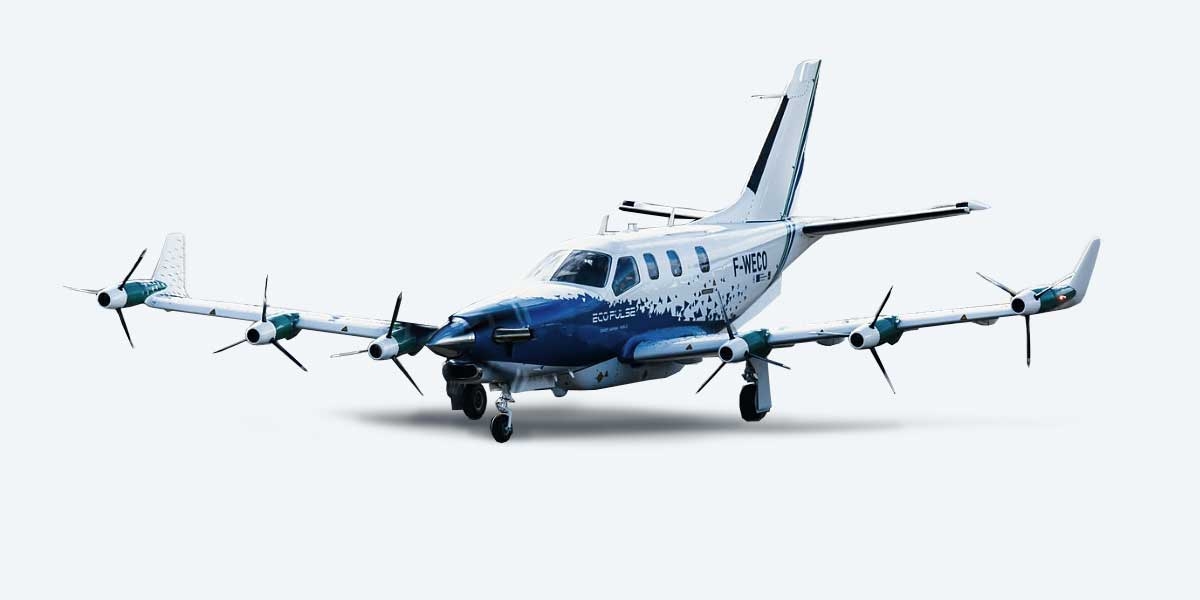
Exterior and Interior photos of Daher EcoPulse


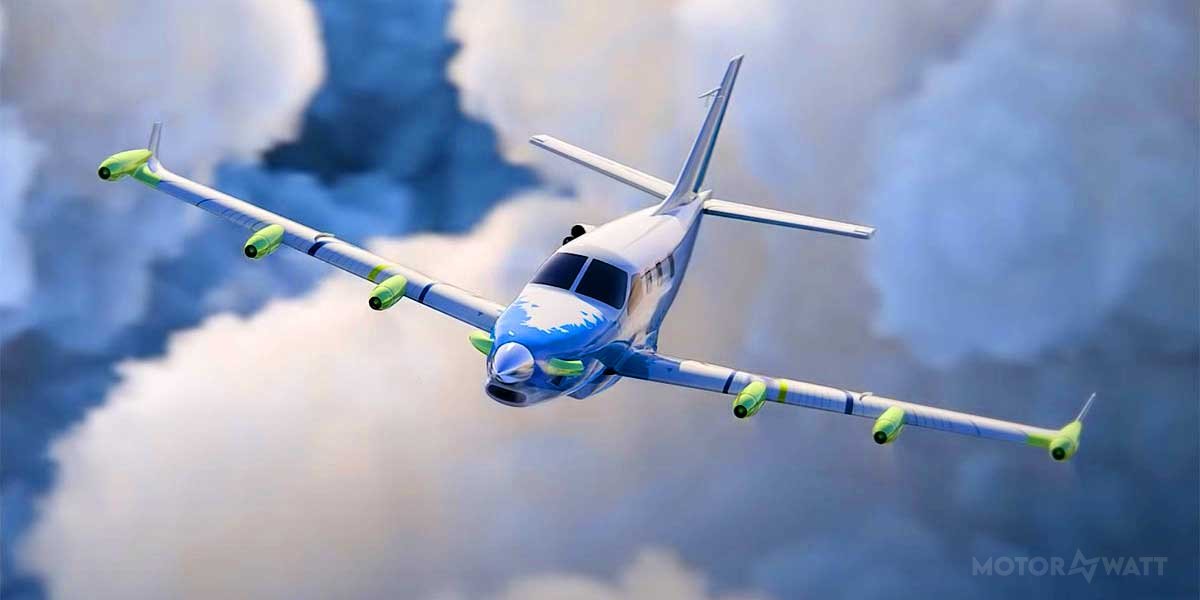
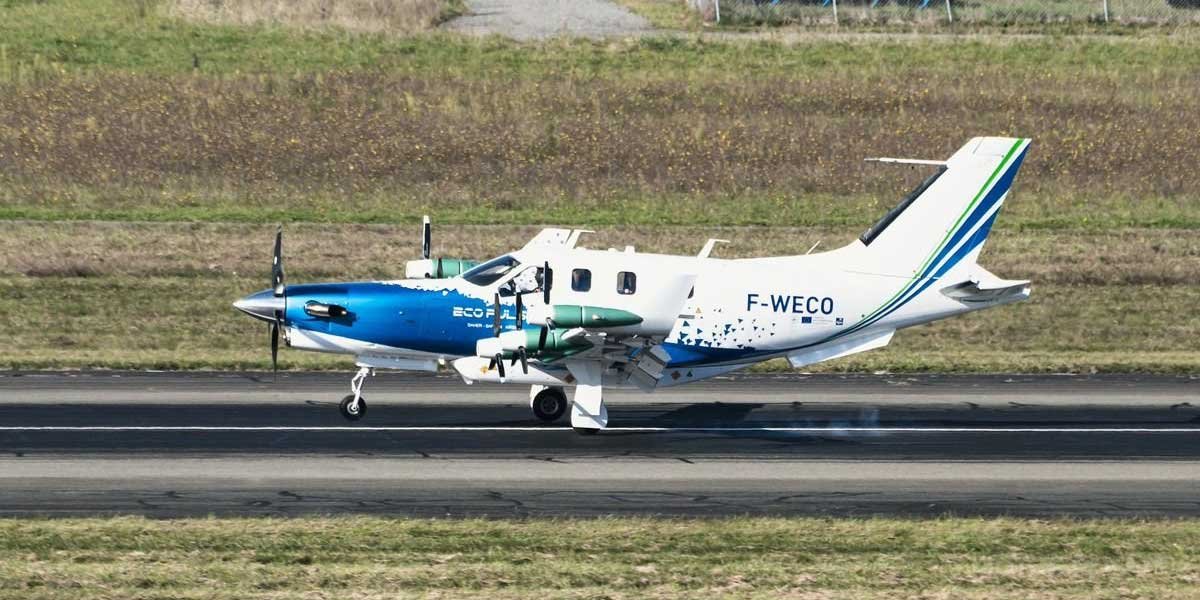
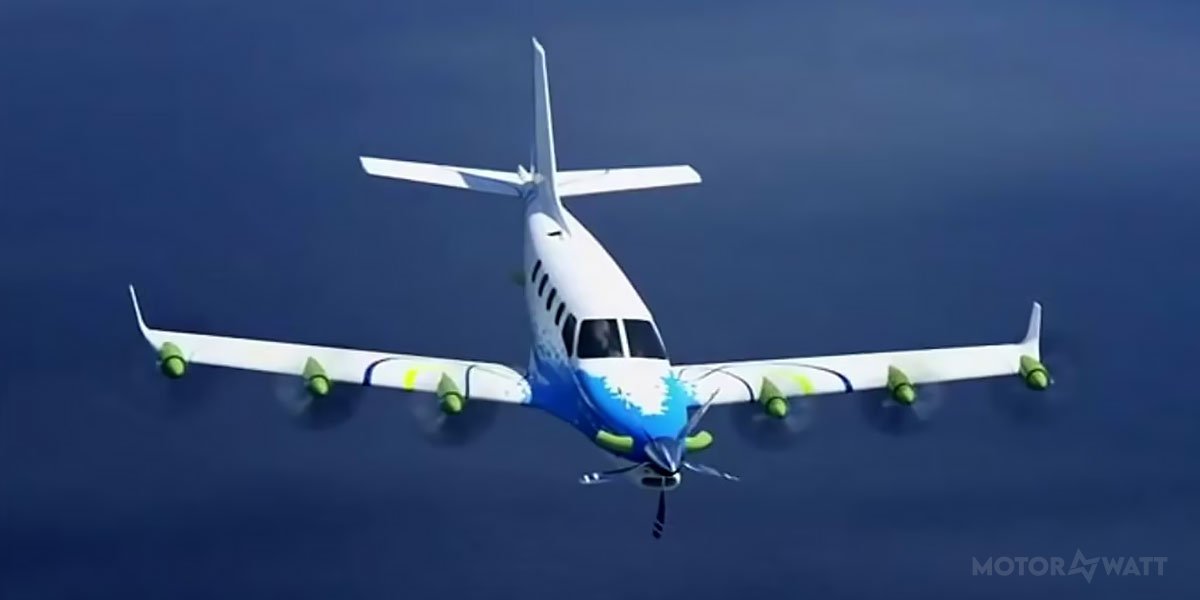

Daher EcoPulse Review: Early Impressions & Tech Analysis
Daher EcoPulse Introduction:
Daher EcoPulse arrives as a hybrid electric aircraft engineered in France for forward leaning executive aviation. Developed by Daher with Safran and Airbus, it targets the sweet spot between turboprop familiarity and hybrid electric aircraft ambition. The model year 2025 configuration previews a 2027 commercial debut. And the concept feels timely. Sustainable aviation gains traction across the United States and Europe as operators seek lower emissions without surrendering speed. With an 80 kWh high voltage battery and a 350 kW distributed electric system, the aircraft promises measurable efficiency gains. Base pricing starts at $4,500,000 USD (€3,790,639), positioning it firmly in the premium executive transport bracket.
- Manufactured in France with collaboration from Safran and Airbus, unveiled as a hybrid demonstrator targeting corporate aviation.
- Model year 2025 technical baseline with expected certified release in late 2027 after EASA and FAA approval.
- Base price $4,500,000 USD (€3,790,639) places it within high performance executive aircraft territory.
- Primary differentiator lies in six motor distributed propulsion enhancing lift, efficiency, and acoustic comfort.
What is the Price of Daher EcoPulse in 2026?
The Daher EcoPulse price starts at $4,500,000 USD (€3,790,639). That figure positions it in the upper tier of sustainable executive transport, competing with advanced hybrid and electric aircraft concepts in North America and Europe.
| Trim Level | PRICE | KEY FEATURES |
|---|---|---|
|
EcoPulse Standard
|
80 kWh battery, 350 kW distributed electric system delivering 470 hp. Hybrid range up to 1,600 km or 994 miles. Top speed 520 km/h or 323 mph. Six electric propellers optimize lift and reduce runway distance.
|
|
|
EcoPulse Advanced
|
Extended range battery configuration for longer regional missions. Enhanced energy management software. Optimized for corporate shuttle use across European and US regional airports.
|
|
|
EcoPulse Cargo
|
Configured for 600 kg or 1,323 lb cargo capacity. Hybrid electric propulsion maintains 520 km/h cruise while supporting unmanned or logistics operations.
|
Trim differences focus on battery range, mission profile, and interior configuration. Standard balances executive travel and efficiency. Advanced stretches endurance for longer European corridors. Cargo adapts for freight, leveraging 3,500 kg or 7,716 lb gross weight flexibility.
Engine, Battery, and Performance Specs:
Battery & Charging Specifications
The battery capacity stands at 80 kWh supporting hybrid electric operation. Flying range reaches 1,600 km or 994 miles in hybrid mode. Charging through high voltage DC replenishes energy in approximately 45 minutes. Maximum flight altitude climbs to 3,800 meters or 12,467 feet. Flight endurance extends to 600 minutes, equating to ten hours under optimal mission parameters.
- Battery capacity 80 kWh
- Flying range 1,600 km or 994 miles
- DC charging time 45 minutes
- Flight altitude 3,800 m or 12,467 ft
Electric Motor Specifications
Power output reaches 350 kW equivalent to 470 hp. Six Safran electric motors distribute thrust along the wing. Distributed propulsion enhances aerodynamic efficiency and acoustic comfort. The hybrid architecture integrates a turbogenerator to sustain cruise energy flow.
- Total output 350 kW or 470 hp
- Six motor distributed propulsion
- Hybrid electric system with turbogenerator
Performance Specifications
Top speed reaches 520 km/h or 323 mph. Curb weight measures 3,500 kg or 7,716 lb. Cargo payload hits 600 kg or 1,323 lb. Short field performance improves due to accelerated airflow over the wing from the propellers.
- Top speed 520 km/h or 323 mph
- Weight 3,500 kg or 7,716 lb
- Cargo capacity 600 kg or 1,323 lb
Advantages center on reduced emissions, lower noise, and efficient regional range. Executive operators gain speed comparable to turboprops with added environmental credibility.
Exterior and Interior Features
Exterior Design
The exterior evolves from the TBM 900 airframe. Six electric propellers integrate into the wing leading edge. Aerodynamic winglets refine cruise stability. LED matrix lighting enhances visibility during low light operations. Dimensions measure 10.74 m length, 12.83 m wingspan, and 4.35 m height, equal to 35.24 ft, 42.09 ft, and 14.27 ft respectively.
Interior & Technology
The cockpit centers around a customized Garmin G3000 suite. Real time battery monitoring enhances operational transparency. High resolution touchscreens manage power distribution. Seating accommodates six passengers with sustainable materials. Satellite connectivity supports productive regional travel across US and European corridors.
Exterior efficiency pairs with a quiet cabin. Operators benefit from reduced vibration and advanced avionics clarity.
Pros and Cons:
Pros
- Hybrid electric efficiency with 1,600 km range
- Six motor distributed propulsion reduces noise
- Competitive 520 km/h cruise speed
- Strong French aerospace engineering credibility
Cons
- High acquisition cost
- Complex hybrid system architecture
- Certification timeline extends to 2027
Market position & Expert Data:
The aircraft occupies a niche between traditional turboprops and emerging electric designs. According to Reuters, hybrid propulsion projects in Europe rose over 25 percent in 2025. Corporate operators seek emission reductions while retaining range flexibility.
Data from McKinsey reveals sustainable aviation investment exceeding $8 billion in 2026. Analysts project hybrid executive aircraft adoption growth of 18 percent annually through 2030. The French aerospace sector positions itself strategically within that expansion.
Summary:
Daher EcoPulse stands as a hybrid electric executive aircraft engineered for sustainable regional flight. It delivers 520 km/h speed, 1,600 km range, and 350 kW distributed power. Operators gain quieter cabins and efficient short runway performance. For forward thinking flight departments, it signals a credible path toward lower carbon aviation.
Watch the Video Overview


Full specifications
Model Specs
| Specification | Actual Data |
|---|---|
|
Model Name
|
EcoPulse
|
|
Model Year
|
2025
|
|
Vehicle Class
|
Hybrid-Electric Executive Transport Aircraft
|
|
Manufacturer
|
Daher in collaboration with Safran and Airbus
|
|
Country of Origin
|
France
|
|
Seating Capacity
|
Up to 6 Passengers
|
Performance Specifications
| Specification | Actual Data |
|---|---|
|
Power Output
|
350 kW (470 hp)
|
|
Maximum Speed
|
520 km/h (323 mph)
|
|
Cruise Altitude
|
3,800 m (12,467 ft)
|
|
Flight Endurance
|
600 minutes (10 hours)
|
Battery and Charging
| Specification | Actual Data |
|---|---|
|
Battery Capacity
|
80 kWh
|
|
Charging Time (DC)
|
45 minutes (High-Voltage DC)
|
Estimated Range Data
| Specification | Actual Data |
|---|---|
|
Hybrid Electric Range
|
1,600 km (994 miles)
|
Body Specifications
| Specification | Actual Data |
|---|---|
|
Length
|
10.74 m (35.24 ft)
|
|
Wingspan
|
12.83 m (42.09 ft)
|
|
Height
|
4.35 m (14.27 ft)
|
|
Curb Weight
|
3,500 kg (7,716 lb)
|
|
Cargo Capacity
|
600 kg (1,323 lb)
|
Exterior Design Features
| Feature | Details |
|---|---|
|
Propulsion Layout
|
Six Safran electric motors integrated into wing leading edges
|
|
Lighting System
|
Advanced LED matrix navigation and landing lights
|
|
Aerodynamic Features
|
Optimized winglets and aerodynamic belly fairing for battery housing
|
Interior Design and Materials
| Specification | Details |
|---|---|
|
Seating Configuration
|
Up to 6 passengers with lightweight composite frames
|
|
Materials
|
Sustainable leather alternatives and aluminum alloy fuselage
|
Cabin Technical Features
| System | Details |
|---|---|
|
Avionics Suite
|
Customized Garmin G3000 glass cockpit with hybrid monitoring
|
|
Connectivity
|
High-speed satellite communication system
|
|
Safety System
|
HomeSafe emergency autoland and redundant flight control computer
|
F.A.Q. about Daher EcoPulse
What is the real flying range in hybrid electric mode?
Daher EcoPulse delivers a hybrid electric flying range of up to 1,600 km or about 994 miles under optimal cruise conditions at 520 km/h.
- Hybrid mode supports extended regional routes
- Cruise speed 520 km/h or 323 mph
- Flight endurance up to 600 minutes
What is the usable battery capacity and charging time?
EcoPulse uses an 80 kWh high voltage battery integrated into its hybrid electric propulsion system and supports DC charging in approximately 45 minutes.
- Battery capacity 80 kWh
- High voltage DC recharge around 45 minutes
- Designed for quick regional turnaround
What is the estimated acquisition cost in the USA and Europe?
Daher EcoPulse starts at $4,500,000 USD (€3,790,639) for the Standard hybrid electric configuration, with higher trims reaching $5,200,000 USD (€4,380,293).
- Standard Hybrid Electric $4,500,000 USD
- Advanced Extended Range $5,200,000 USD
- Cargo Variant $4,100,000 USD (€3,453,693)
How does distributed propulsion improve flight efficiency?
The six motor distributed propulsion system spreads thrust along the wing, enhancing aerodynamic lift, reducing drag, and lowering external noise during takeoff and cruise.
- Six electric propellers integrated into the wing
- Improved short field performance
- Reduced vibration and acoustic footprint
Is hybrid electric executive transport suitable for long distance regional travel?
Yes, hybrid electric aircraft in this category support regional missions close to 1,000 miles, enabling direct connections between secondary airports across the USA and Europe.
- Range near 994 miles
- Cruise altitude 3,800 m or 12,467 ft
- Optimized for corporate shuttle routes
What maintenance advantages come with hybrid electric propulsion?
Hybrid electric distributed systems reduce mechanical strain on a single engine and offer modular motor architecture, potentially lowering wear and vibration related service intervals.
- Electric motors have fewer moving components
- Balanced thrust reduces structural stress
- Integrated digital monitoring via avionics suite
How safe is the hybrid electric flight control system?
The aircraft integrates redundant flight control computers and can use asymmetric thrust from electric motors to maintain stability during certain control surface scenarios.
- Redundant digital flight control architecture
- Asymmetric thrust stabilization
- Advanced Garmin G3000 monitoring interface
What environmental benefits come from hybrid electric aviation?
Hybrid electric propulsion reduces fuel burn during critical flight phases and lowers noise near urban airports, supporting sustainable aviation goals across Europe and North America.
- Reduced carbon emissions versus conventional turboprops
- Lower acoustic signature during takeoff
- Bridge technology toward full electric flight
When will commercial deliveries begin in the USA and Europe?
Commercial availability targets late 2027 following EASA and FAA certification, positioning the aircraft for executive operators across the United States, Germany, and the United Kingdom.
- Certification in progress
- Targeted 2027 deliveries
- Focused on corporate and regional sectors