eFlyer 2: Price, Range, and Technical Specs
eFlyer 2 is a 2026 model year all-electric flight trainer built in the United States by Bye Aerospace. Powered by a 90 kW Safran motor and a 92 kWh battery, it reaches 250 km/h and flies up to 3.5 hours. With a projected range near 450 km and fast charging under 30 minutes, it offers zero emissions, lower operating costs, and advanced Garmin avionics for modern flight schools.


| Starting Price | $489,000 |
| Model Year | 2023 |
| Country of Manufacturing | USA |
| Flying Range | 111 mi |
| Flying Time | 180 min |
| Battery Size | 92 kWh |
* Minimum price set for the base trim by the manufacturerr, excluding taxes and additional options

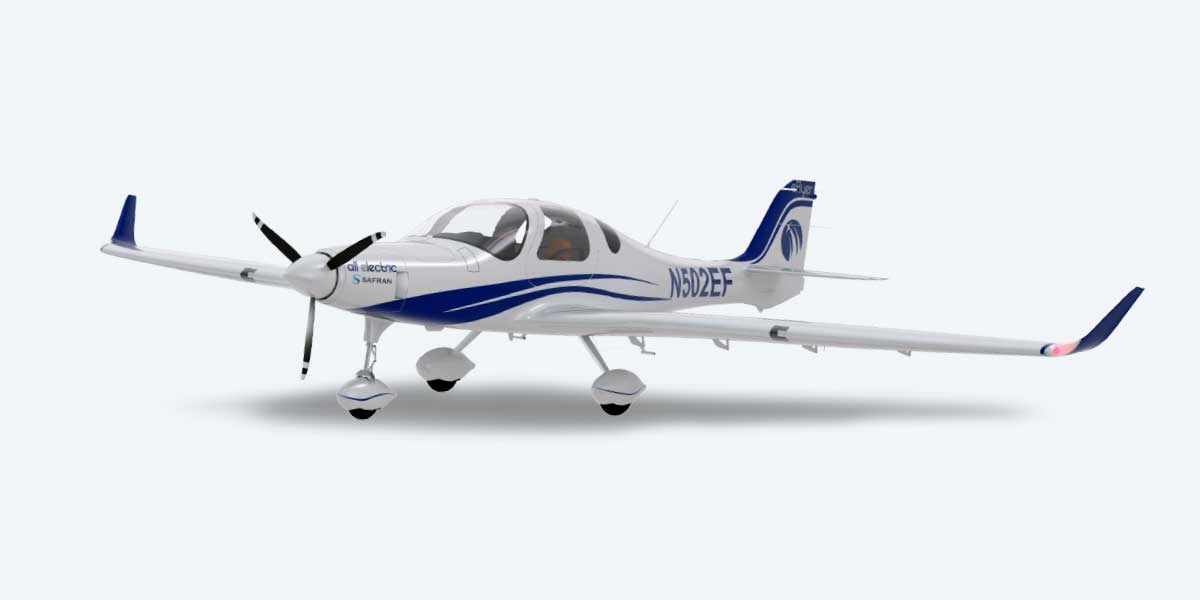
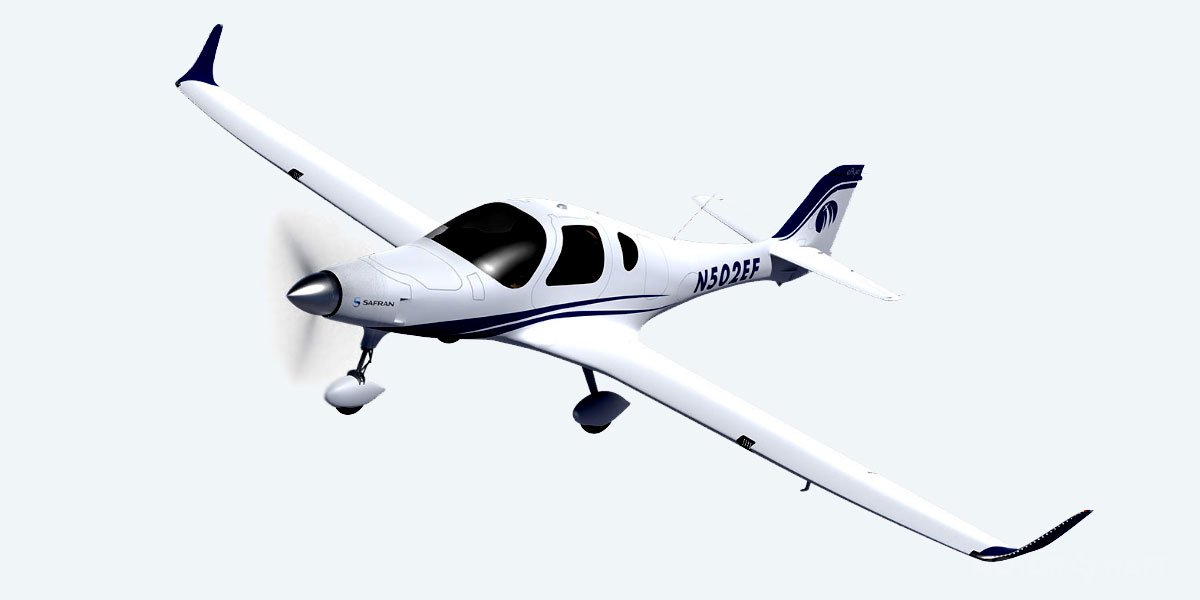
Exterior and Interior photos of eFlyer 2
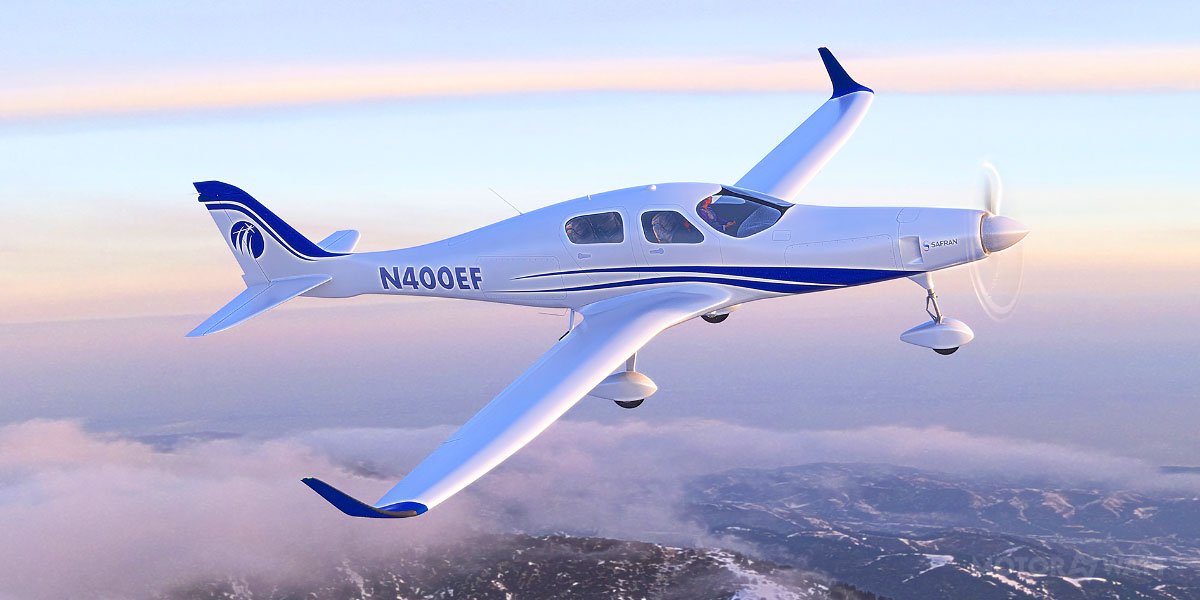


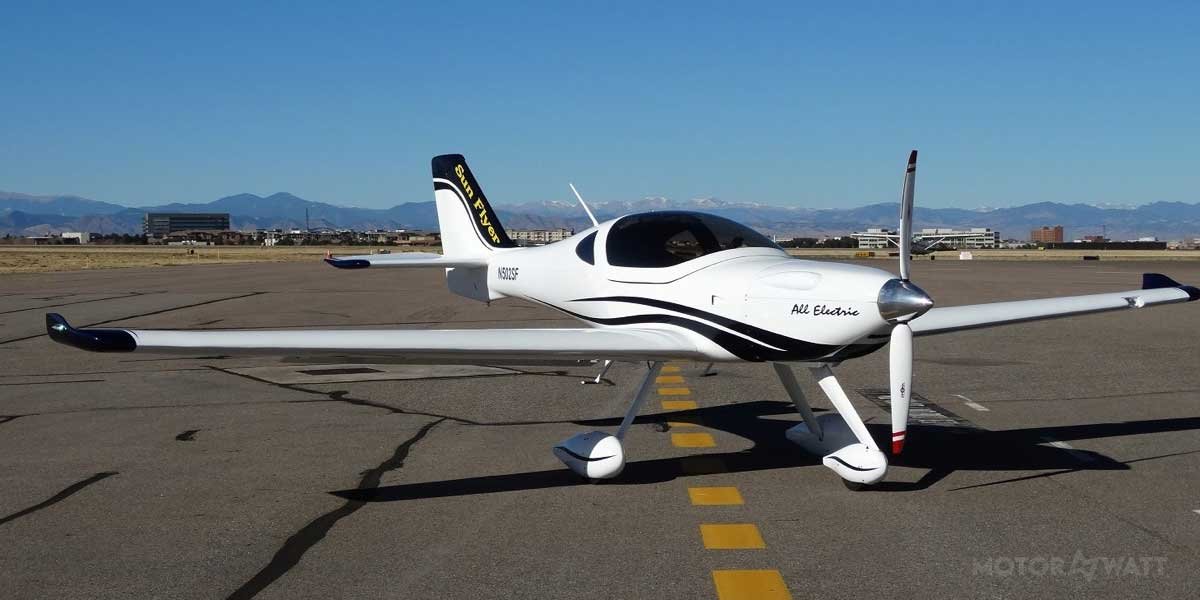
eFlyer 2 Review: Early Impressions & Tech Analysis
eFlyer 2 Introduction:
eFlyer 2 arrives as a pure electric flight trainer built in the United States by Bye Aerospace. And it targets the general aviation market with clinical precision. Designed as a zero emission airplane, it replaces aging piston trainers with a cleaner propulsion system and lower operating costs. The 2026 model year highlights a 92 kWh aviation battery, a 90 kW motor, and projected endurance near 3.5 hours. With a base price of $489,000 USD (€411,211), it sits above used legacy trainers yet below the lifetime cost curve of many fuel-burning rivals. For flight schools chasing sustainability and budget discipline, few alternatives look as forward-thinking.
- Manufactured in the USA by Bye Aerospace with production prototype flight scheduled for early 2026.
- Designed to secure FAA Part 23 certification shortly after conforming prototype validation.
- Introduced as a cost-effective alternative to traditional piston aircraft like Cessna 172.
- Base acquisition price positioned at $489,000 USD (€411,211), reflecting advanced electric propulsion and avionics.
- Primary differentiator centers on lower maintenance, simplified systems, and electric propulsion aviation architecture.
What is the Price of eFlyer 2 in 2026?
The eFlyer 2 price starts at $489,000 USD (€411,211). That figure places it in the premium electric trainer bracket, competing against modernized legacy aircraft and advanced light sport trainers. And the higher upfront cost offsets projected savings in fuel, oil, and overhaul expenses.
| Trim Level | PRICE | KEY FEATURES |
|---|---|---|
|
Standard Training VFR
|
92 kWh battery. 90 kW motor delivering 120 hp. Approximate endurance 3.5 hours. Cruise up to 250 km/h (155 mph). Fixed tricycle gear. Garmin G500 TXi display. Ideal for primary VFR instruction.
|
|
|
IFR Premium
|
Enhanced avionics with Garmin G3X and autopilot integration. Same electric drivetrain. Extended training capability under IFR curricula. Designed for advanced flight academies.
|
Both trims maintain identical electric propulsion systems and structural architecture. Differences center on avionics sophistication and instrument flight readiness. The IFR Premium adds advanced autopilot logic and expanded Garmin integration. And that pushes it closer to airline-style cockpit layouts. Range and endurance remain consistent across configurations, ensuring uniform training economics.
Engine, Battery, and Performance Specs:
Battery & Charging Specifications
The aircraft integrates a 92 kWh lithium battery pack. Endurance approaches 180 minutes under conservative power settings. Cruise speed near 250 km/h equals 155 mph. Charging flexibility supports DC fast charging in under 30 minutes. AC charging spans roughly 3 to 4 hours. Estimated range reaches approximately 450 km, equivalent to 280 miles, depending on mission profile.
- Battery capacity: 92 kWh
- Flying range: approx. 450 km (280 miles)
- Flight duration: up to 3.5 hours
- DC charging: under 30 minutes
- AC charging: 3–4 hours
Electric Motor Specifications
Propulsion originates from a Safran ENGINeUS electric motor rated at 90 kW. That equals 120 horsepower. Torque delivery arrives instantly, characteristic of electric propulsion. The tractor configuration spins a composite three-blade propeller. And the absence of mixture controls simplifies cockpit workload.
- Motor output: 90 kW / 120 hp
- Configuration: Single motor, nose mounted
- Drive system: Direct electric propulsion
- Climb rate: approx. 5.3 m/s (1,040 ft/min)
Performance Specifications
Maximum speed stands at 250 km/h, or 155 mph. Service ceiling reaches about 4,260 meters, equivalent to 14,000 feet. Empty weight measures 662 kg, around 1,459 pounds. Payload capacity totals 204 kg, or 450 pounds. Glide ratio of 20 to 1 adds operational safety.
- Top speed: 250 km/h (155 mph)
- Service ceiling: 4,260 m (14,000 ft)
- Empty weight: 662 kg (1,459 lb)
- Payload: 204 kg (450 lb)
And in practice, the quiet propulsion system transforms training sorties. Students focus on airspace management rather than engine vibrations. Maintenance intervals stretch longer. Fuel logistics vanish. For academies managing fleet uptime, that equation looks persuasive.
Exterior and Interior Features
Exterior Design
The fuselage employs carbon fiber composite construction. That yields a high strength-to-weight ratio. Wingspan extends to 11.6 meters, about 38 feet. Length measures 7.8 meters, roughly 25.6 feet. Height reaches 2.5 meters, near 8.2 feet. The low-wing cantilever layout improves glide efficiency. LED landing and navigation lights conserve battery reserves. And the tricycle landing gear tolerates repeated training cycles.
Interior & Technology
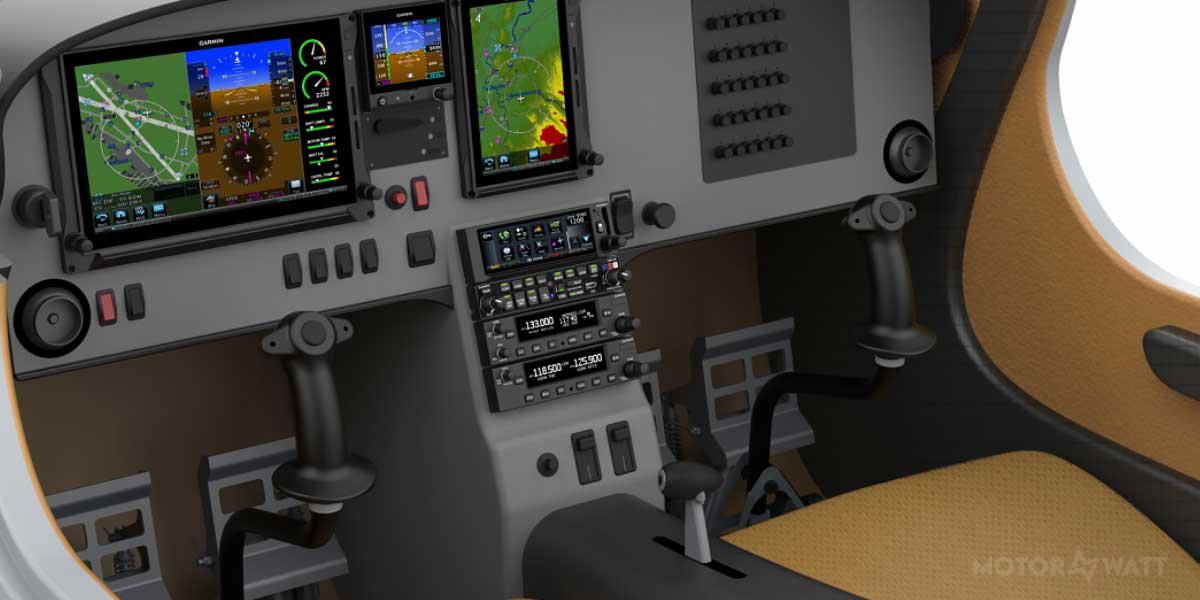
The cockpit presents a glass canopy with panoramic visibility. Garmin G500 TXi anchors the digital instrument stack. Real-time telemetry tracks battery state of charge and endurance. Redbird Sidekick connectivity logs performance metrics for fleet managers. Two side-by-side seats feature durable synthetic upholstery. An integrated whole-aircraft parachute system enhances safety margins. FAA spin-resistant design standards further protect student aviators.
Overall ergonomics feel intuitive. Instrument layout mirrors larger commercial aircraft logic. And the quiet cabin environment supports clear instructor communication. Training hours become less fatiguing, more focused, and more efficient.
Pros and Cons:
Pros
- Zero emission electric propulsion
- Lower operating cost versus piston trainers
- Advanced Garmin avionics integration
- High glide ratio enhancing safety
- Reduced noise footprint for urban airports
Cons
- Higher initial acquisition price
- Dependence on charging infrastructure
- Certification timeline tied to FAA approval
Market position & Expert Data:
According to Reuters, electric aviation investment surged by over 30 percent in 2025. Research from McKinsey projects regional electric aircraft to capture measurable training market share before 2030. Data reveals operating cost reductions approaching one-sixth compared with avgas platforms. And that cost arithmetic attracts flight academies globally.
Flight schools in Germany and China face rising fuel expenses and environmental mandates. The electric trainer aligns with those pressures. In the United States, FAA certification progress defines rollout speed. Competitive pressure arrives from Pipistrel Alpha Electro. Yet longer endurance and modern avionics sharpen the competitive edge.
Conclusion:
The eFlyer 2 stands as a forward-leaning electric trainer for 2026. It delivers 92 kWh battery capacity, 250 km/h performance, and near 3.5-hour endurance. Operating economics favor flight schools seeking efficiency and sustainability. And its digital cockpit prepares students for modern commercial aviation pathways.
Watch the Video Overview


Full specifications
Model Specs
| Specification | Actual Data |
|---|---|
|
Model Name
|
eFlyer 2
|
|
Model Year
|
2026
|
|
Vehicle Class
|
All electric primary flight trainer
|
|
Body Configuration
|
Low wing cantilever, fixed tricycle landing gear
|
|
Manufacturer
|
Bye Aerospace
|
|
Country of Origin
|
United States of America
|
Performance
| Specification | Actual Data |
|---|---|
|
Power Output
|
90 kW (120 hp)
|
|
Maximum Speed
|
250 km/h (155 mph)
|
|
Climb Rate
|
5.3 m/s (1,040 ft/min)
|
|
Service Ceiling
|
4,260 m (14,000 ft)
|
|
Glide Ratio
|
20 to 1
|
Battery and Charging
| Specification | Actual Data |
|---|---|
|
Battery Capacity
|
92 kWh
|
|
Flight Duration
|
Up to 180 minutes (3.5 hours estimated)
|
|
DC Fast Charging Time
|
Under 30 minutes
|
|
AC Charging Time
|
3 to 4 hours
|
Estimated Range Data
| Specification | Actual Data |
|---|---|
|
Estimated Maximum Range
|
Approximately 450 km (280 miles)
|
|
Cruise Speed Range Basis
|
Based on 3.5 hour endurance at cruise
|
Body Specifications
| Specification | Actual Data |
|---|---|
|
Length
|
7.8 m (25.6 ft)
|
|
Wingspan
|
11.6 m (38.1 ft)
|
|
Height
|
2.5 m (8.2 ft)
|
|
Empty Weight
|
662 kg (1,459 lb)
|
|
Payload Capacity
|
204 kg (450 lb)
|
|
Passenger Capacity
|
2 occupants
|
Exterior Design Features
| Specification | Actual Data |
|---|---|
|
Construction
|
All composite carbon fiber airframe
|
|
Lighting
|
LED landing, taxi, and navigation lights
|
Interior Design and Materials
| Specification | Actual Data |
|---|---|
|
Seating Layout
|
Two side by side seats
|
|
Upholstery
|
Lightweight durable synthetic materials
|
|
Safety System
|
Whole aircraft parachute system
|
Cabin Technical Features
| Specification | Actual Data |
|---|---|
|
Primary Flight Display
|
Garmin G500 TXi
|
|
Optional Avionics
|
Garmin G3X with autopilot in IFR Premium trim
|
|
Fleet Management Connectivity
|
Redbird Sidekick wireless tracking system
|
F.A.Q. about eFlyer 2
What is the real electric aviation range on a single charge?
The eFlyer 2 delivers an estimated range of about 450 km or 280 miles under cruise conditions with its 92 kWh aviation battery, depending on power setting and weather.
- Up to 3.5 hours endurance at training cruise
- Higher speeds near 250 km/h reduce total distance
- Cold air and headwinds affect electric aircraft efficiency
How long does it take to charge a 92 kWh electric aircraft battery?
The eFlyer 2 charges in under 30 minutes using DC fast charging, while standard AC charging takes approximately 3 to 4 hours depending on infrastructure.
- DC fast charge ideal for flight school turnaround
- AC charging suits overnight hangar operations
What is the price in the USA and Europe?
The eFlyer 2 starts at $489,000 USD (€411,211) for the Standard Training VFR trim, while the IFR Premium configuration reaches $535,000 USD (€450,550).
How does electric propulsion compare with piston-engine trainers?
Electric propulsion delivers instant torque from a 90 kW motor and removes fuel management tasks, simplifying cockpit workload and reducing vibration compared with legacy avgas trainers.
What are the maintenance requirements for an electric flight trainer?
An electric aviation platform uses fewer moving parts than piston aircraft, reducing oil changes, spark plug inspections, and engine overhauls, which lowers overall maintenance workload for flight schools.
What is the maximum altitude and climb performance?
Service ceiling reaches approximately 4,260 meters or 14,000 feet, and climb rate averages 5.3 meters per second, equal to about 1,040 feet per minute under standard conditions.
How safe is an all-electric primary flight trainer?
The aircraft integrates a whole-aircraft parachute system, spin-resistant airframe design under FAA Part 23 standards, and a 20 to 1 glide ratio for enhanced emergency margins.
Can an electric trainer operate efficiently in Europe with higher fuel costs?
Yes, lower operating costs and zero emissions make electric aviation attractive in Germany, the UK, and other regions with strict noise rules and high avgas prices.
What are the environmental benefits of zero emission electric aircraft?
Electric propulsion eliminates direct carbon emissions during flight, reduces airport noise, and supports sustainable aviation goals aligned with modern environmental standards.