Antares 23E: Price, Range, and Technical Specs
Antares 23E is a 2026 German electric sailplane built by Lange Aviation. It features a 12.5 kWh battery, 42 kW motor, 280 km range, and 280 kmh top speed. As an EASA certified self launching motorglider with a 23 meter wingspan and glide ratio of 60, it enables autonomous takeoff and silent high altitude soaring up to 3,000 meters.


| Starting Price | $245,000 |
| Model Year | 2026 |
| Country of Manufacturing | Germany |
| Flying Range | 174 mi |
| Battery Size | 12.5 kWh |
| Power | 42 kW (57 hp) |
* Minimum price set for the base trim by the manufacturerr, excluding taxes and additional options

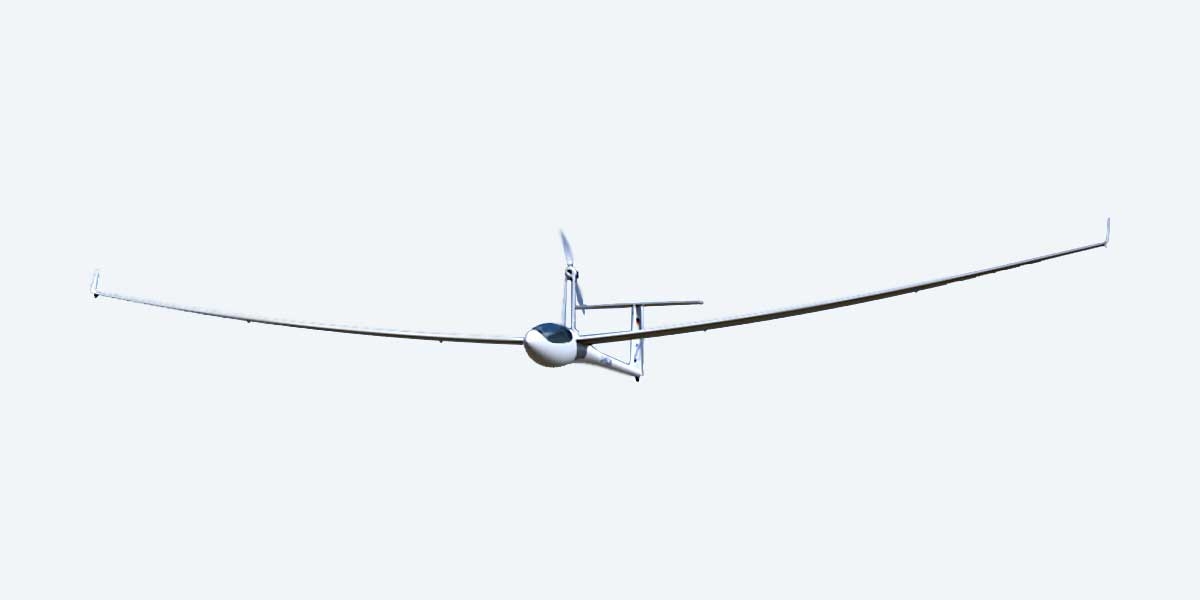
Exterior and Interior photos of Antares 23E

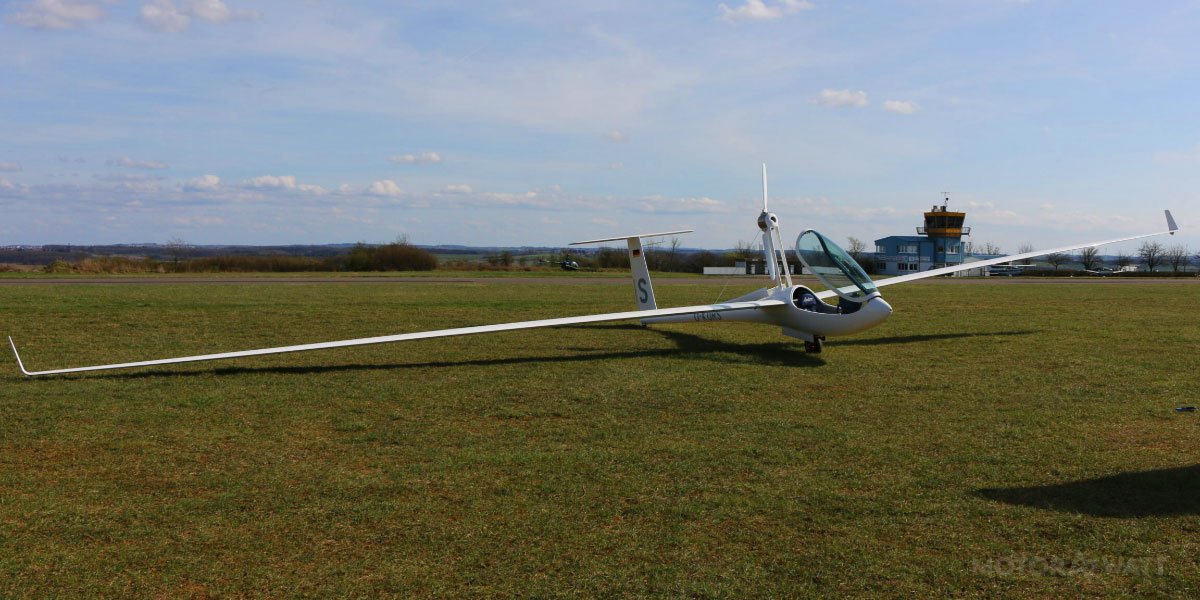
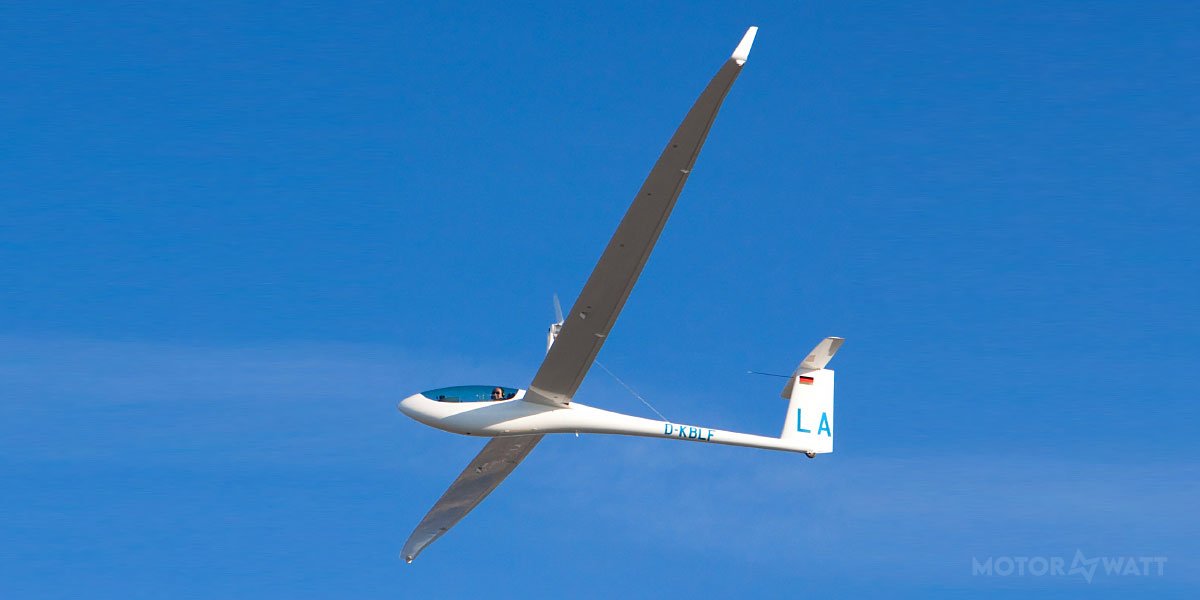
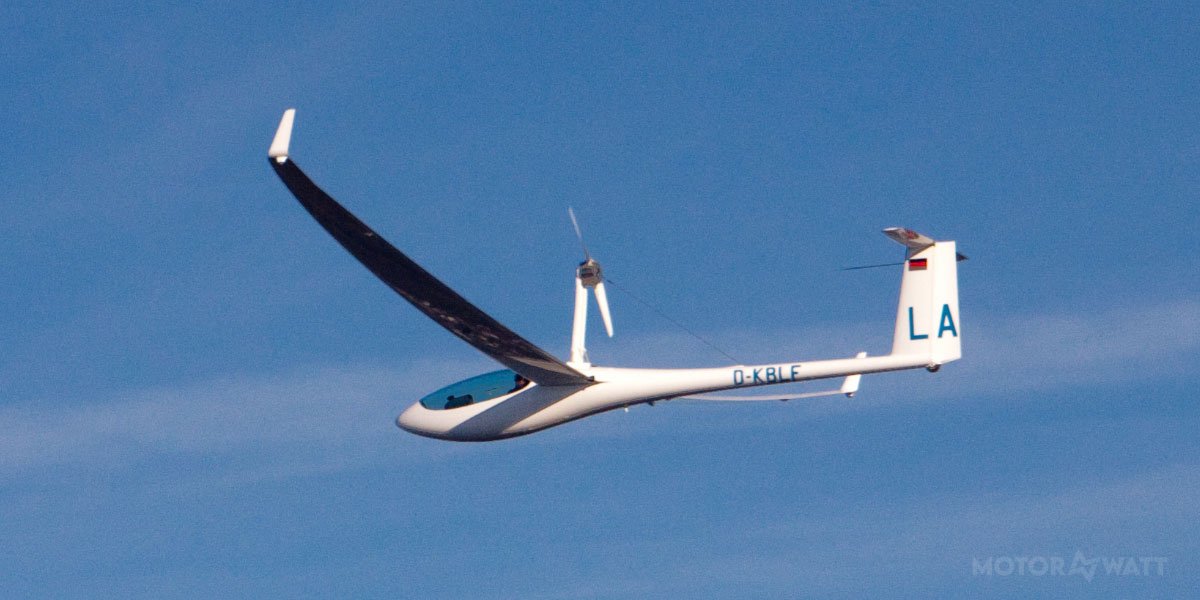
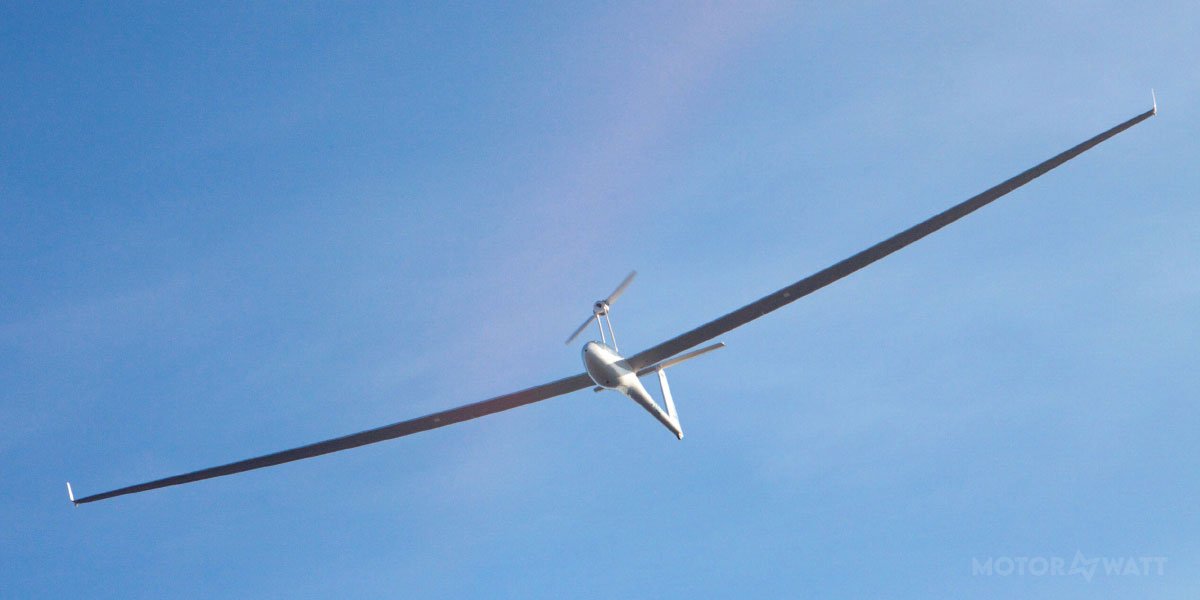

Antares 23E Review: Early Impressions & Tech Analysis
Antares 23E Introduction:
Antares 23E arrives for model year 2026 as Germany’s flagship electric sailplane engineered by Lange Aviation. It targets elite pilots who crave silent altitude with emission free propulsion. Designed for the Open Class segment, it stretches a commanding 23 meter wingspan and integrates a self launching electric aircraft battery system. The base price starts at $245,000 USD (€206,297). That figure plants it firmly in the ultra premium advanced air mobility tier. With 12.5 kWh onboard capacity and a 42 kW motor delivering 57 hp, it promises independence from tow planes and a glide ratio of 60 that reads like a pilot’s wish list.
- Manufactured in Germany by Lange Aviation with EASA certification for self launching operations.
- Model year 2026 introduces refined RED.3 battery architecture and advanced CAN bus avionics.
- Starting price $245,000 USD (€206,297) positions it in the Open Class luxury aviation niche.
- Targets high altitude missions up to 3,000 meters and long range cross country gliding.
What is the Price of Antares 23E in 2026?
The Antares 23E price starts at $245,000 USD (€206,297). That entry figure secures the Standard RED.3 S configuration and positions the aircraft within the upper echelon of electric motorgliders.
| Trim Level | PRICE | KEY FEATURES |
|---|---|---|
|
Standard RED.3 S
|
12.5 kWh battery, 42 kW motor, 280 km range, 280 km/h top speed, 4.0 m/s climb rate, 510 kg empty weight.
|
|
|
Performance RED.3 L
|
Enhanced battery tuning, optimized climb profile, extended thermal efficiency, refined avionics integration.
|
|
|
Ultra Range Custom
|
Custom battery pack, extended cross country range, upgraded cockpit interface, tailored performance mapping.
|
Each trim maintains the signature 23 meter wingspan and carbon fiber airframe. Standard configuration satisfies most soaring purists. Performance and Ultra Range models focus on extended glide efficiency and battery scalability. Charging from a 230V AC socket takes about nine hours, fitting neatly into overnight hangar routines.
Engine, Battery, and Performance Specs:
Battery & Charging Specifications
The 12.5 kWh lithium battery feeds a high efficiency brushless DC motor aviation system. Range reaches 280 km, equal to 174 miles. Maximum altitude sits at 3,000 meters, around 9,843 feet. Charging from a 230V AC source requires roughly nine hours. RED.3 architecture supports modular cell upgrades, future proofing the aircraft.
- Battery capacity 12.5 kWh
- Range 280 km 174 miles
- Charging time 9 hours AC
- Maximum altitude 3,000 m 9,843 ft
Electric Motor Specifications
The electric motor delivers 42 kW, equal to 57 hp. Torque flows instantly, ensuring brisk powered climb. Single motor layout keeps weight at 510 kg, about 1,124 pounds. Zero vibration enhances pilot comfort during ascent. Retractable two blade propeller integrates seamlessly into the fuselage.
- Power 42 kW 57 hp
- Single brushless DC motor
- Empty weight 510 kg 1,124 lb
- Retractable composite propeller
Performance Specifications
Top speed reaches 280 km per hour, about 174 mph. Climb rate peaks at 4.0 meters per second. Glide ratio of 60 enables expansive cross country missions. Cargo capacity supports 250 kg water ballast, roughly 551 pounds. Handling mirrors agile 18 meter aircraft while preserving Open Class authority.
- Top speed 280 kmh 174 mph
- Climb rate 4.0 m per s
- Glide ratio 60
- Cargo 250 kg 551 lb
Pilots gain silent self launch capability. They reach altitude without tug support. And they cruise thermals with efficiency that rivals competition.
Exterior and Interior Features
Exterior Design
High aspect ratio of 38.26 cuts drag sharply. Carbon fiber reinforced polymer airframe balances rigidity and featherlike mass. Wingspan stretches 23 meters, about 75 feet. Hydraulically retractable 5 inch main wheel includes Beringer disk brake. Steerable tail and wingtip wheels assist ground handling. The retractable two meter propeller hides neatly behind fuselage doors. Aerodynamic lines appear taut and purposeful.
Interior & Technology
Cockpit layout focuses on endurance flights. Microfiber seat adjusts longitudinally and vertically. Backrest shifts during flight to reduce fatigue. Primary flight display monitors each battery cell temperature in real time. CAN bus system mirrors modern luxury electric cars. Oxygen receptacle supports high altitude missions. Ventilation and sliding window enhance airflow during summer climbs.
Exterior aerodynamics maximize lift. Interior systems maximize situational awareness. Together they craft a refined flying experience tailored for Open Class connoisseurs.
Pros and Cons:
Pros
- Silent self launching capability
- High glide ratio of 60
- EASA certified electric propulsion
- Modular RED.3 battery upgrades
- Premium cockpit avionics integration
Cons
- High entry price above $245,000 USD (€206,297)
- Large 23 meter span demands spacious hangar
- Nine hour AC charging duration
Market position & Expert Data:
The Open Class electric sailplane market grows steadily through 2026. According to Reuters, electric aircraft investments rose over 18 percent year over year in 2025. Data reveals heightened demand for zero emission propulsion in Europe and North America. In Germany and the USA, elite private pilots prioritize autonomous launch capability.
Research from McKinsey highlights advanced air mobility growth exceeding 20 percent annually through 2030. Analysts describe premium electric motorgliders as niche yet profitable segments. Production cycles remain limited, with 12 to 18 month lead times. That scarcity supports pricing stability.
Conclusion:
Antares 23E delivers silent altitude, autonomous takeoff, and elite glide efficiency in one refined electric sailplane. German engineering supports Open Class dominance with a 23 meter span and 42 kW propulsion. Priced from $245,000 USD (€206,297), it suits serious aviators seeking independence. For 2026 buyers, availability remains limited, adding exclusivity to every delivery.
Watch the Video Overview


Full specifications
Model Specs
| Specification | Actual Data |
|---|---|
|
Model Name
|
Antares 23E
|
|
Model Year
|
2026
|
|
Manufacturer
|
Lange Aviation
|
|
Country of Origin
|
Germany
|
|
Vehicle Class
|
Open Class electric sailplane
|
|
Certification
|
EASA certified self launching motorglider
|
Performance
| Specification | Actual Data |
|---|---|
|
Power Output
|
42 kW (57 hp)
|
|
Top Speed
|
280 km/h (174 mph)
|
|
Climb Rate
|
4.0 m/s (787 ft/min)
|
|
Maximum Operating Altitude
|
3,000 m (9,843 ft)
|
|
Glide Ratio
|
60:1 best glide
|
Battery and Charging
| Specification | Actual Data |
|---|---|
|
Battery Capacity
|
12.5 kWh 12.5 kWh
|
|
Charging Time AC
|
9 hours (230V socket)
|
|
Battery Architecture
|
RED.3 modular system
|
Estimated Range Data
| Specification | Actual Data |
|---|---|
|
Flying Range
|
280 km (174 miles) 280 km
|
Body Specifications
| Specification | Actual Data |
|---|---|
|
Length
|
7.48 m (24.5 ft)
|
|
Wingspan
|
23.00 m (75.5 ft)
|
|
Height
|
1.89 m (6.2 ft)
|
|
Empty Weight
|
510 kg (1,124 lb) 510 kg
|
|
Cargo Capacity
|
250 kg (551 lb) water ballast
|
|
Passenger Capacity
|
1 pilot 1
|
Exterior Design Features
| Specification | Actual Data |
|---|---|
|
Airframe Material
|
High modulus carbon fiber reinforced polymer
|
|
Aspect Ratio
|
38.26 high aspect ratio wing
|
|
Landing Gear
|
Hydraulically retractable 5 inch main wheel with Beringer disk brake
|
Interior Design and Materials
| Specification | Actual Data |
|---|---|
|
Seat Material
|
Microfiber finish adjustable seat
|
|
Cockpit Configuration
|
Single seat ergonomic cockpit with in flight adjustable backrest
|
Cabin Technical Features
| Specification | Actual Data |
|---|---|
|
Primary Flight Display
|
Digital display monitoring individual battery cell temperature and voltage
|
|
Data Network
|
CAN bus system with DAL C redundancy
|
|
Oxygen Integration
|
Dedicated receptacle tube for oxygen cylinders
|
F.A.Q. about Antares 23E
What makes a self launching electric sailplane different from a traditional glider?
A self launching electric sailplane uses an integrated emission free propulsion system for autonomous takeoff and powered climb. It removes the need for tow planes and enables independent operations from smaller airfields.
- Integrated brushless DC motor
- Retractable composite propeller
- Zero vibration electric propulsion
What is the battery capacity and real flying range?
Antares 23E uses a 12.5 kWh electric aircraft battery system and delivers up to 280 km or about 174 miles in sawtooth flight profiles.
- Maximum altitude 3,000 m or 9,843 ft
- Glide ratio 60 for extended cross country soaring
- Range varies with climb rate and thermal conditions
How long does it take to charge from a standard AC outlet?
Antares 23E requires about 9 hours to recharge from a standard 230V AC socket, fitting neatly into overnight hangar routines in the USA or Europe.
How does electric motor performance compare to combustion powered motorgliders?
Electric propulsion delivers 42 kW or 57 hp instantly with smooth torque and no vibration. Pilots experience quieter climb and immediate transition to pure gliding without engine cooldown procedures.
Is this Open Class electric aircraft available in the USA and Europe?
Distribution operates through specialized aviation partners in Germany, the USA, the United Kingdom, and select European markets. Production cycles remain limited, with delivery lead times often reaching 12 to 18 months.
How large is the wingspan and what does high aspect ratio mean for efficiency?
The wingspan measures 23 meters or about 75 feet, with an aspect ratio of 38.26. A higher aspect ratio reduces drag and increases lift, supporting efficient thermal soaring and long distance glide performance.
What is the price in the USA and how does it position in the market?
Antares 23E starts at $245,000 USD (€206,297) for the Standard configuration, placing it in the ultra premium electric sailplane category within advanced air mobility.
- Performance trim $268,500 USD (€226,089)
- Ultra Range trim $285,000 USD (€239,979)
What are the environmental benefits of emission free propulsion?
Electric sailplanes operate with zero in flight emissions and minimal noise footprint. They support eco conscious aviation practices and reduce reliance on fossil fuel tow aircraft.
What maintenance advantages come with a brushless DC motor system?
Electric propulsion features fewer moving parts than combustion engines, simplifying inspections and reducing routine servicing. The retractable propeller system integrates hydraulically for streamlined ground and flight operations.