Discus-2c FES: Price, Range, and Technical Specs
Discus-2c FES is a German built 18 meter class electric sailplane designed for high performance cross country soaring. It features a 4.2 kWh battery, 22 kW electric motor and 100 km flying range. With a top speed of 280 km per hour and a 45:1 glide ratio, it combines pure gliding efficiency with push button electric propulsion for enhanced safety and extended flight capability.


| Starting Price | $155,000 |
| Model Year | 2026 |
| Country of Manufacturing | Germany |
| Flying Range | 62 mi |
| Flying Time | 45 min |
| Battery Size | 4.2 kWh |
* Minimum price set for the base trim by the manufacturerr, excluding taxes and additional options

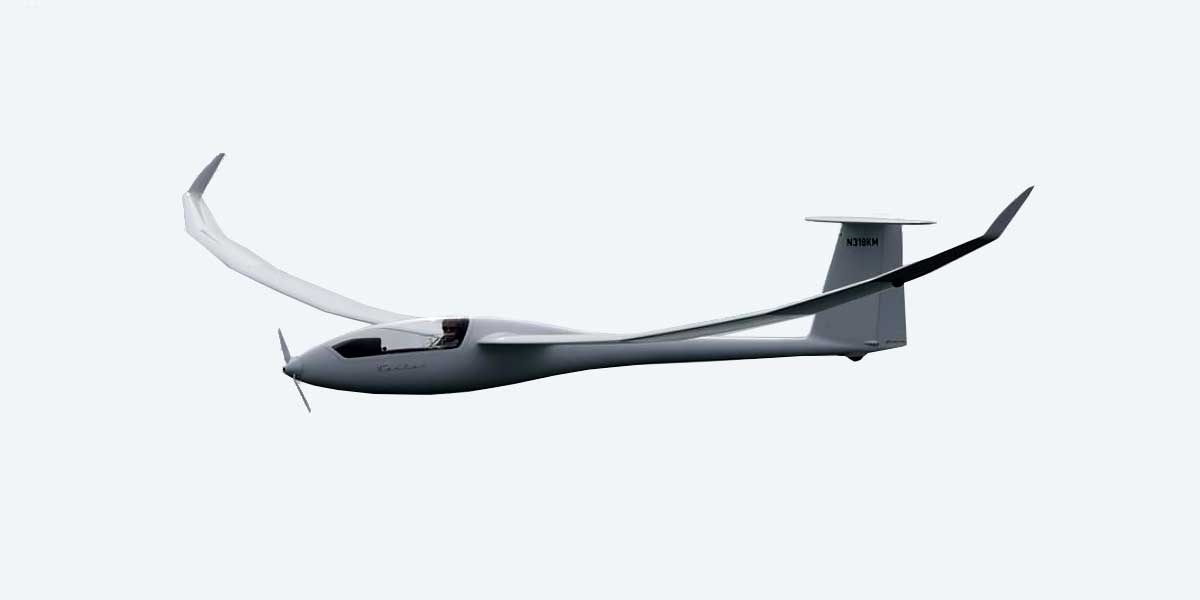
Exterior and Interior photos of Discus-2c FES
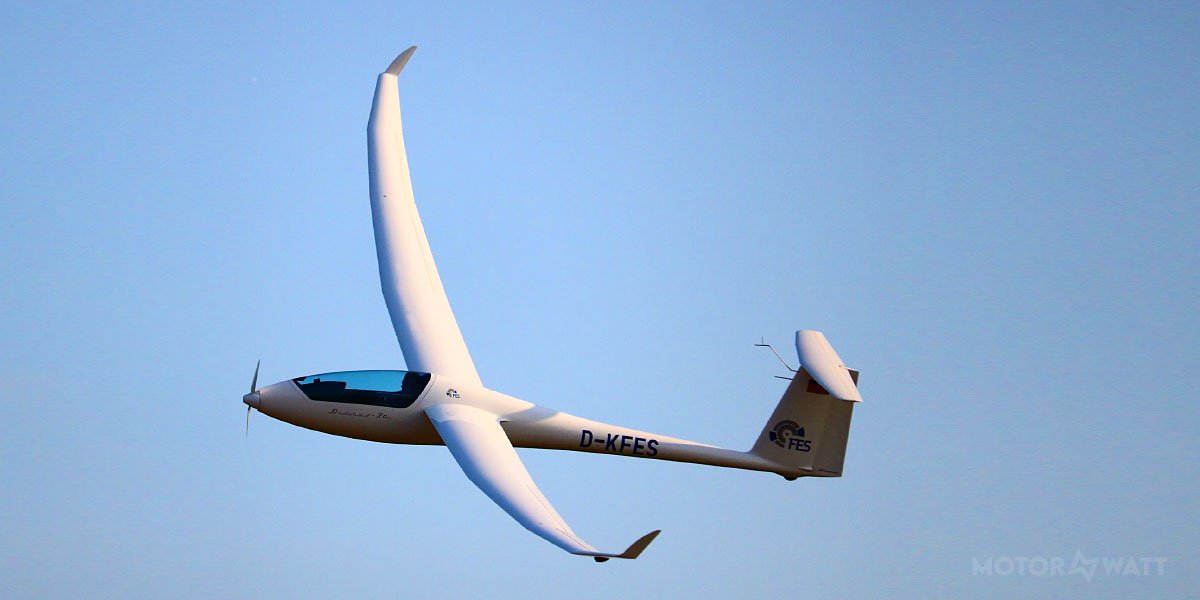
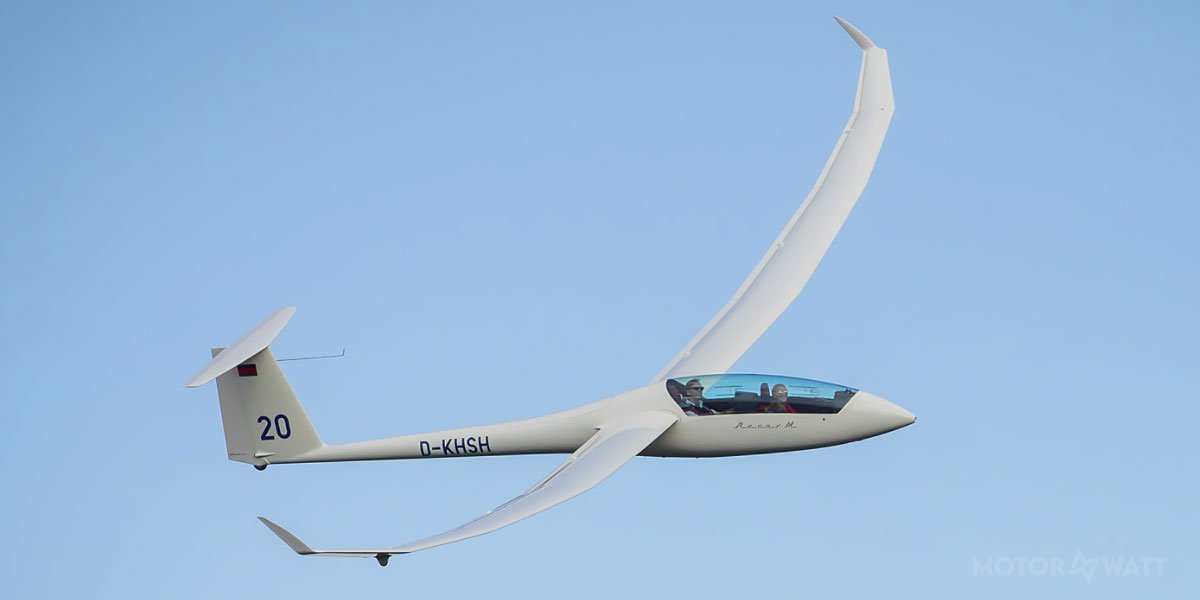
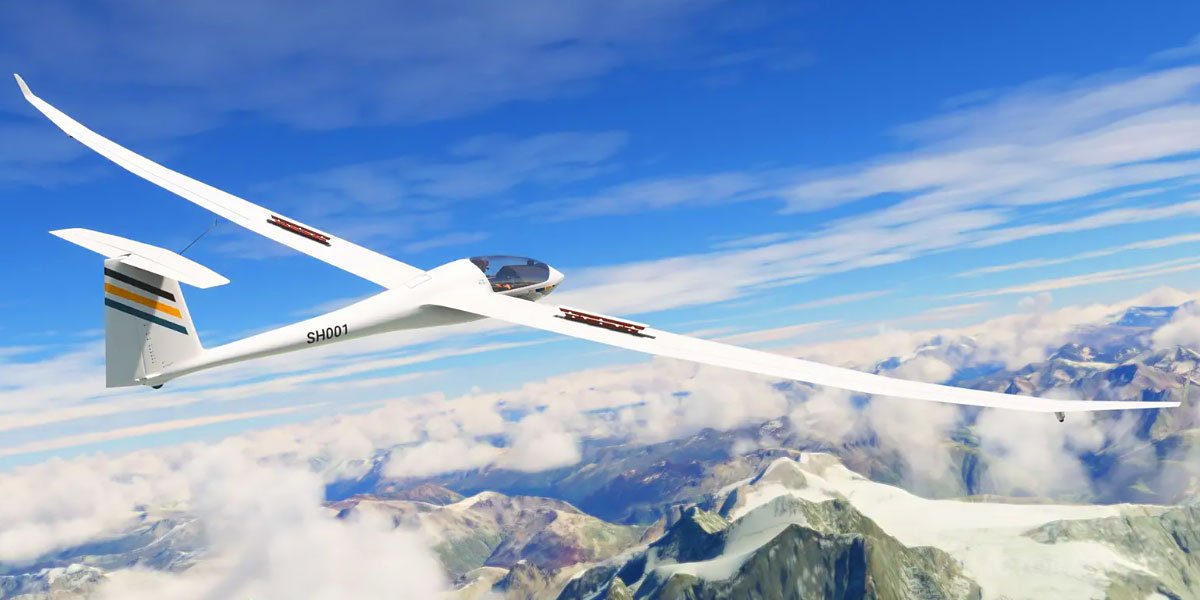


Discus-2c FES Review: Early Impressions & Tech Analysis
Discus-2c FES Introduction:
Discus-2c FES arrives from Germany as a premium 18 meter class electric sailplane engineered for pilots who crave high performance soaring with an electric safety net. Built by Schempp-Hirth Flugzeugbau GmbH, it targets competitive cross country flyers and progressive soaring clubs. Production of the refined 2026 model integrates the latest Front Electric Sustainer system and digital avionics. Positioned in the upper tier of the performance sailplane segment, it carries a base price of $155,000 USD (€130,412). With a 4.2 kWh lithium polymer battery and 100 km flying range, it offers emission free propulsion in a lightweight 315 kg airframe. Its primary differentiator lies in seamless electric integration that preserves glide efficiency and harmonic handling.
- Manufactured in Germany by Schempp-Hirth, a respected name in competitive soaring aircraft.
- Originally introduced in 2015, with 2026 refinement focusing on advanced avionics and improved electric sustainer integration.
- Base configuration starts at $155,000 USD (€130,412), placing it firmly in the premium sailplane category.
- Designed as an electric sailplane that merges pure gliding performance with push button propulsion security.
- Appeals to cross country pilots who value long glide ratios and sustainable aviation technology.
How much does the Discus-2c FES cost?
The Discus-2c FES price starts at $195,000 USD (€164,067) for the sustainer configuration. The pure sailplane variant begins at $155,000 USD (€130,412). Pricing places it in the high performance electric glider segment aimed at serious aviators and elite clubs.
| Trim Level | PRICE | KEY FEATURES |
|---|---|---|
|
Discus-2c Pure Sailplane
|
18 m wingspan, 45:1 glide ratio, carbon fiber fuselage, no motor system, optimized for competition soaring and club performance.
|
|
|
Discus-2c FES
|
22 kW electric motor, 4.2 kWh battery, 100 km range, foldable nose propeller, advanced LXNAV avionics suite.
|
|
|
Discus-2cT
|
Solo 2350 combustion sustainer, extended endurance, traditional engine integration with competitive glide performance.
|
|
|
FES Club Edition
|
Electric sustainer, simplified avionics package, club friendly configuration with lower equipment complexity.
|
Each trim targets a different pilot profile. The pure sailplane focuses on racing purity. The FES version prioritizes electric safety and range extension. The combustion variant suits those preferring fuel backup. Club Edition balances cost and capability.
Engine, Battery, and Performance Specs:
Battery & Charging Specifications
The electric propulsion relies on dual Gen2 lithium polymer battery packs rated at 4.2 kWh. That capacity supports an estimated 100 km flying range in sustainer mode. Charging takes about 5.5 hours on standard AC power. Fast charging reduces time to roughly 1.5 hours. For pilots managing cross country flights, quick recharge cycles enhance operational readiness.
- Battery Capacity: 4.2 kWh
- Flying Range: 100 km or 62 miles
- Charging Time AC: 5.5 hours
- Charging Time Fast: 1.5 hours
Electric Motor Specifications
The front electric sustainer delivers 22 kW or 30 hp. Power deploys instantly via foldable nose propeller. The system integrates smoothly within the fuselage to maintain aerodynamic integrity. With a curb weight of 315 kg or 694 lbs, the airframe preserves agility and glide efficiency.
- Motor Output: 22 kW or 30 hp
- Configuration: Front Electric Sustainer
- Empty Weight: 315 kg or 694 lbs
- Passengers: 1
Performance Specifications
Top speed reaches 280 km per hour or 174 mph at VNE. Glide ratio stands near 45:1, ideal for long cross country routes. Maximum flying time approaches 45 minutes under power assist. The 18 meter wingspan enhances stability and cruise efficiency.
- Top Speed: 280 km per hour or 174 mph
- Glide Ratio: 45:1
- Flying Time: 45 minutes
- Wingspan: 18 m or 59 ft
For ambitious pilots, the advantage lies in electric reassurance combined with elite glide performance. It extends flight options without sacrificing aerodynamic purity.
Exterior and Interior Features
Exterior Design
The carbon fiber reinforced fuselage minimizes drag and weight. High gloss white polyurethane finish protects composite materials from UV exposure. Maughmer winglets improve roll stability and efficiency. The 6.78 m length equals 22.2 feet, delivering sleek proportions. A single piece canopy ensures full visibility during thermalling.
Interior & Technology
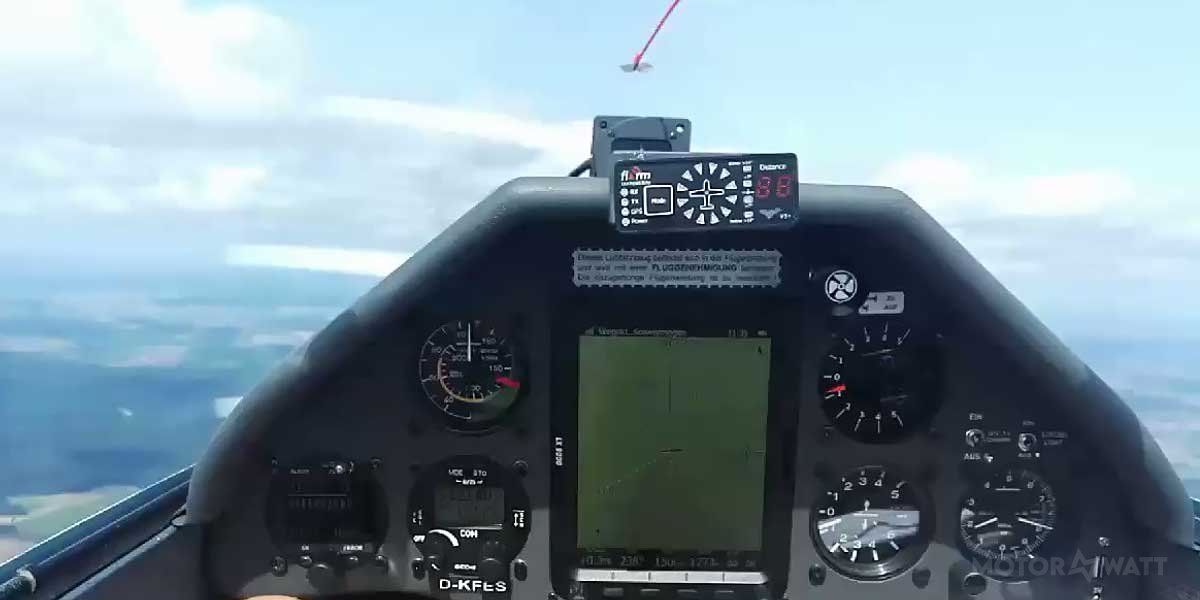
The cockpit integrates advanced digital avionics such as LXNAV 9070 flight computers. Pilots access moving map navigation and thermal assistants. Kevlar reinforced safety cockpit enhances structural protection. Adjustable seating supports long endurance flights. The FES control unit displays battery voltage and motor time data clearly.
Exterior efficiency and interior ergonomics create a focused flying environment. Pilots gain confidence through visibility and data clarity. Every surface and instrument serves performance goals.
Pros and Cons:
Pros
- Electric sustainer with 100 km range
- High 45:1 glide ratio
- Premium German engineering
- Advanced digital avionics
- Strong resale value
Cons
- Premium price positioning
- Single seat configuration only
- Limited cargo beyond ballast capacity
Market position & Expert Data:
The 18 meter class electric sailplane segment grows steadily across Europe and North America. According to Reuters, sustainable aviation technologies show increasing investment trends in 2026. Data reveals over 20 percent annual growth in electric aircraft development funding.
Research from McKinsey highlights electric propulsion as a rising niche in general aviation. Industry analysts cite reduced operational costs and zero emission capability as primary demand drivers. In Germany and the USA, soaring clubs increasingly favor electric sustainer gliders for safety and compliance.
Conclusion:
Discus-2c FES offers elite soaring performance with electric reassurance built in. It pairs a 45:1 glide ratio with 22 kW of silent propulsion. German craftsmanship and advanced avionics elevate pilot confidence. For cross country enthusiasts seeking sustainable aviation, it stands as a compelling high performance electric sailplane.
Watch the Video Overview


Full specifications
Model Specs
| Specification | Actual Data |
|---|---|
|
Model Name
|
Discus-2c FES
|
|
Model Year
|
2026
|
|
Vehicle Class
|
18 meter class high performance electric sailplane
|
|
Manufacturer
|
Schempp-Hirth Flugzeugbau GmbH
|
|
Country of Origin
|
Germany
|
Performance
| Specification | Actual Data |
|---|---|
|
Power Type
|
Front Electric Sustainer
|
|
Motor Output
|
22 kW or 30 hp
|
|
Maximum Speed VNE
|
280 km per hour or 174 mph
|
|
Glide Ratio
|
45 to 1
|
|
Flying Time Under Power
|
45 minutes
|
Battery and Charging
| Specification | Actual Data |
|---|---|
|
Battery Capacity
|
4.2 kWh lithium polymer
|
|
Charging Time AC
|
5.5 hours
|
|
Fast Charging Time
|
1.5 hours
|
Estimated Range Data
| Specification | Actual Data |
|---|---|
|
Electric Flying Range
|
100 km or 62 miles
|
Body Specifications
| Specification | Actual Data |
|---|---|
|
Length
|
6.78 m or 22.2 ft
|
|
Wingspan
|
18.00 m or 59.05 ft
|
|
Height
|
1.30 m or 4.27 ft
|
|
Empty Weight
|
315 kg or 694 lbs
|
|
Cargo Capacity Water Ballast
|
200 kg or 441 lbs
|
Exterior Design Features
| Feature | Details |
|---|---|
|
Fuselage Material
|
Carbon fiber reinforced plastic monocoque
|
|
Winglets
|
Maughmer optimized winglets
|
|
Propeller System
|
Foldable carbon fiber nose propeller
|
Interior Design and Materials
| Feature | Details |
|---|---|
|
Cockpit Structure
|
Kevlar reinforced safety cockpit
|
|
Seating
|
Ergonomic adjustable single seat
|
Cabin Technical Features
| Feature | Details |
|---|---|
|
Primary Avionics
|
LXNAV 9070 digital flight computer with moving map navigation
|
|
Collision Avoidance
|
FLARM system with integrated transponder
|
|
Motor Control Interface
|
Dedicated FES control unit displaying voltage and remaining motor time
|
F.A.Q. about Discus-2c FES
What is the real world flying range of an electric sailplane with front electric sustainer?
The Discus-2c FES delivers an estimated electric flying range of up to 100 km or about 62 miles in sustainer mode during level flight.
- Range depends on climb rate and air density
- Higher cruise speeds reduce endurance
- Thermal lift extends effective cross country distance
How long does it take to fully charge a 4.2 kWh electric propulsion battery?
The Discus-2c FES battery charges in about 5.5 hours on standard AC power. A fast charger reduces that time to roughly 1.5 hours, which suits club operations and quick turnaround flights.
What is the price of a premium 18 meter class electric sailplane in the USA?
The Discus-2c FES starts at $195,000 USD (€164,067) for the electric sustainer configuration in new production. The pure sailplane version begins at $155,000 USD (€130,412).
How does electric sailplane performance compare to traditional motor gliders?
Electric propulsion delivers 22 kW or 30 hp with instant torque and minimal vibration. Pilots gain smooth thrust deployment without aerodynamic drag from external engine pylons.
What glide ratio can pilots expect from a high performance 18 meter sailplane?
The aircraft achieves an approximate glide ratio of 45:1. That means one meter of altitude converts into 45 meters of forward travel under ideal conditions.
What are the maintenance requirements for an electric propulsion glider?
Electric sailplanes use fewer moving components than combustion sustainers. Battery monitoring, propeller inspection, and avionics checks form the core routine service tasks.
What environmental benefits come with electric sailplane technology?
Electric propulsion produces zero in flight emissions and low acoustic output. That supports sustainable aviation goals across Europe and the USA.
- Reduced carbon footprint
- Lower noise footprint near airfields
- Compatibility with renewable energy charging
Can an electric sailplane support long distance cross country flights?
Yes. With a 45:1 glide ratio and 100 km electric range backup, the Discus-2c FES supports ambitious cross country soaring while offering push button climb assistance.
How much does a carbon fiber electric sailplane weigh?
The empty weight stands around 315 kg or about 694 lbs with electric sustainer installed. Lightweight carbon fiber construction preserves agility and aerodynamic efficiency.