Terrafugia Transition: Price, Range, and Technical Specs
Terrafugia Transition is a 2026 roadable aircraft manufactured in the USA. It combines a 12.5 kWh hybrid system with 100 hp output, delivering 644 km flying range and 787 km road range. With folding carbon fiber wings, 160 km/h top airspeed, and Light Sport Aircraft alignment, it enables garage storage and runway takeoff in one integrated vehicle.

| Starting Price | $279,000 |
| Model Year | 2026 |
| Country of Manufacturing | USA |
| Flying Range | 400 mi |
| Battery Size | 12.5 kWh |
| Road Range | 489 mi |
* Minimum price set for the base trim by the manufacturerr, excluding taxes and additional options

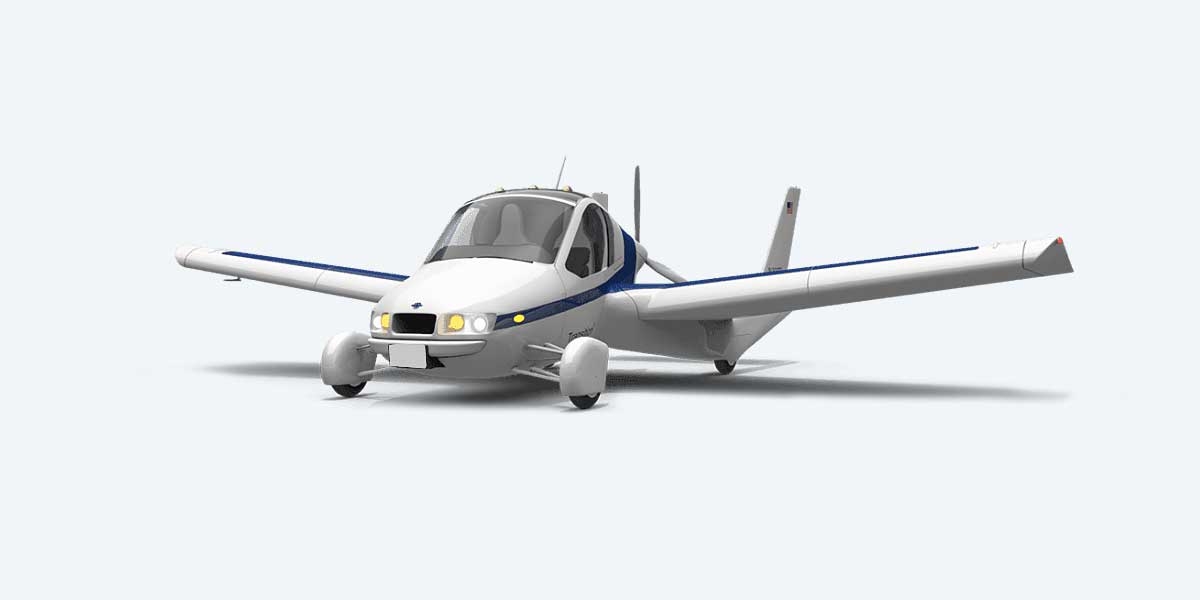
Exterior and Interior photos of Terrafugia Transition


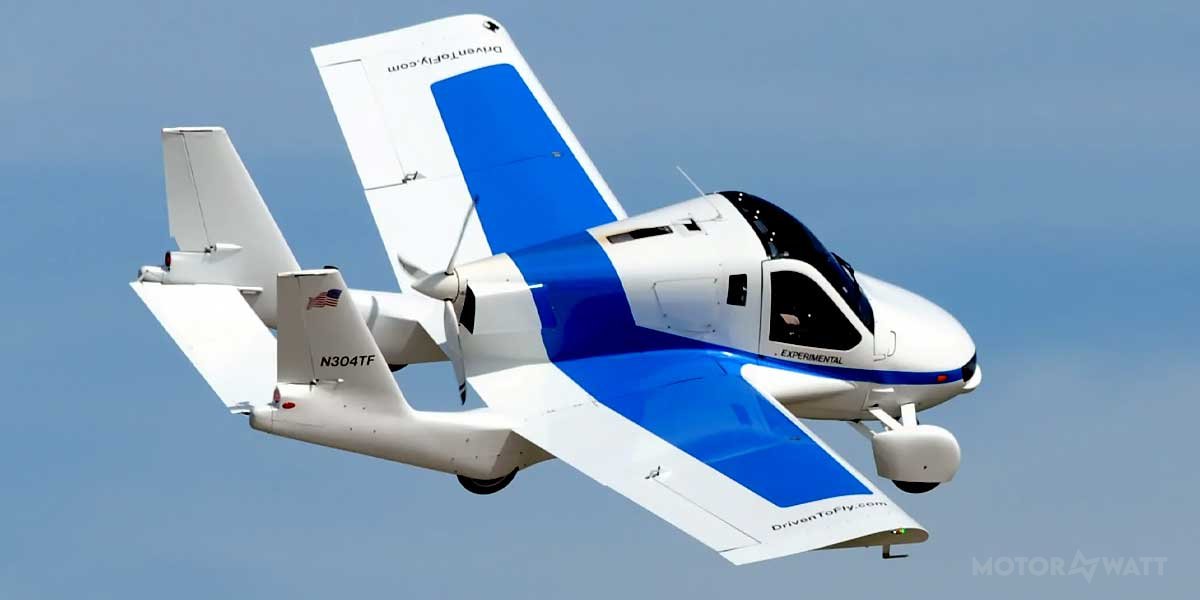
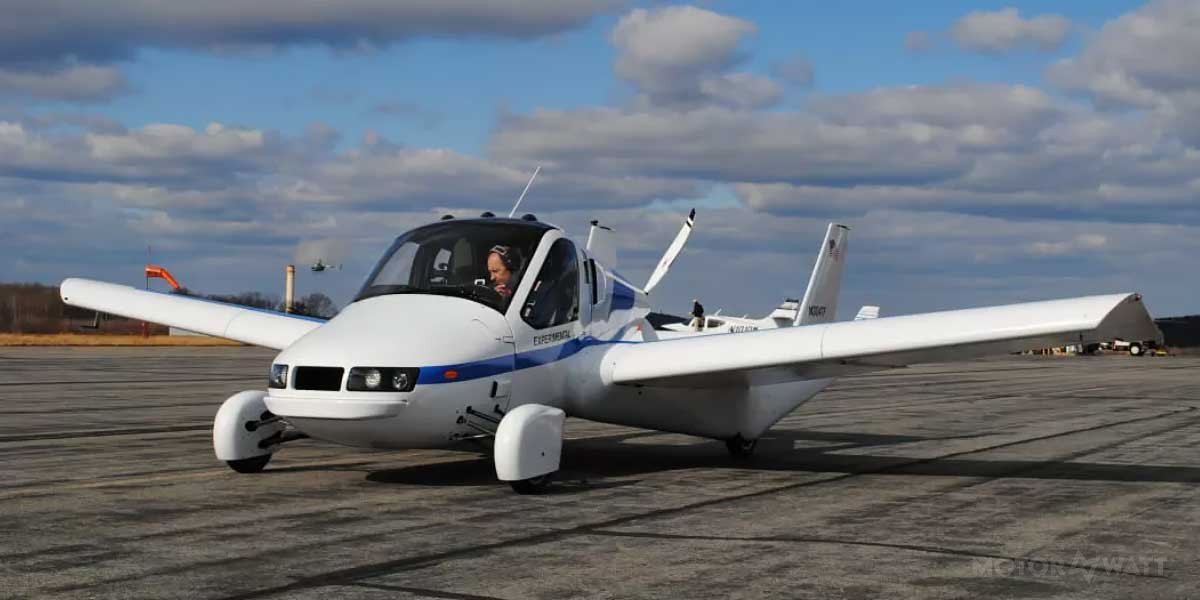
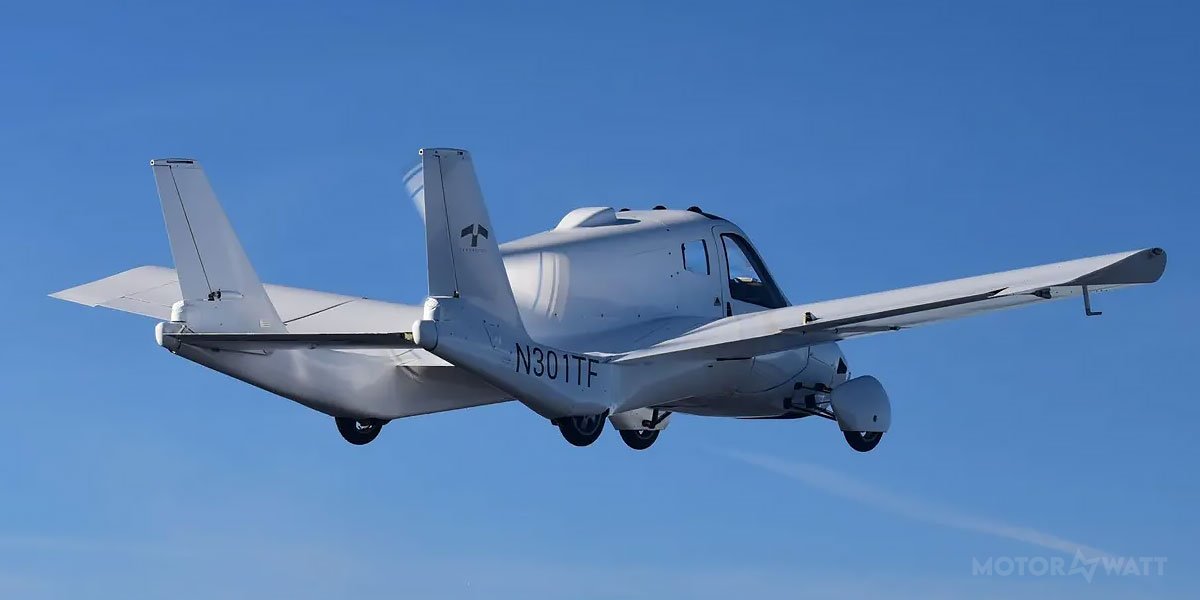
Terrafugia Transition Review: Early Impressions & Tech Analysis
Terrafugia Transition Introduction:
Terrafugia Transition arrives for 2026 as America’s most recognized roadable aircraft, engineered in the USA and backed by global aerospace capital. It occupies a rare niche between light sport aircraft and street-legal hybrid vehicle. Production advances under Zhejiang Geely Holding Group, with rollout planned across the United States and select global markets. Starting at $279,000 USD (€234,900), it targets affluent owner-pilots seeking door-to-door mobility. A 12.5 kWh hybrid system, 644 km flying range, and folding carbon-fiber wings define its appeal. Think of it as a certified commuter aircraft that parks in your garage.
- Manufactured in USA with 2026 model year designation and hybrid propulsion architecture.
- Unveiled as production-ready with FAA Light Sport Aircraft alignment and expanding certification.
- Base price fixed at $279,000 USD (€234,900) targeting premium personal aviation buyers.
- Electrically folding wings retract in under a minute for standard garage storage.
- Hybrid drive and fixed-wing efficiency enable 644 km flight and 787 km road capability.
What is the Price of Terrafugia Transition in 2026?
The Terrafugia Transition price starts at $279,000 USD (€234,900). It competes with high-end light aircraft and luxury performance vehicles. Dual certification and hybrid aerospace engineering justify the premium positioning.
| Trim Level | PRICE | KEY FEATURES |
|---|---|---|
|
Base Configuration
|
12.5 kWh hybrid battery. 100 hp or 75 kW output. Flying range 644 km. Road range 787 km. Carbon fiber fuselage. Dynon SkyView avionics.
|
|
|
Adventure Trim
|
Enhanced avionics package. Upgraded flight telemetry. Advanced navigation overlays. Optimized cockpit instrumentation.
|
|
|
Executive Trim
|
Custom interior finish. Premium paint options. Refined cabin materials. Personalized configuration for private owners.
|
Trim differentiation centers on avionics depth and interior refinement. Battery capacity remains 12.5 kWh across variants. Power output holds steady at 100 hp. Range performance remains identical. Executive buyers gain aesthetic upgrades, while Adventure buyers gain deeper cockpit intelligence.
Engine, Battery, and Performance Specs:
Battery & Charging Specifications
The hybrid battery stores 12.5 kWh using LiFePO4 chemistry. AC Level 2 charging completes in 3.5 hours. Flying range reaches 644 km or 400 miles. Road range extends to 787 km or 489 miles. Hybrid architecture supports 91-octane fuel integration for extended endurance.
- Battery Capacity: 12.5 kWh
- Flying Range: 644 km (400 mi)
- Road Range: 787 km (489 mi)
- Charging Time: 3.5 hours AC Level 2
Electric Motor Specifications
Hybrid propulsion produces 100 hp or 75 kW. Power supports rear-wheel drive during road mode. The Rotax 912iS engine assists in flight configuration. Curb weight stands at 440 kg or 970 lb. Wingspan expands to 8000 mm or 26.2 ft in flight mode.
- Power Output: 100 hp (75 kW)
- Drive Type: Rear Wheel Hybrid
- Curb Weight: 440 kg (970 lb)
- Wingspan Extended: 8000 mm (26.2 ft)
Performance Specifications
Top airspeed reaches 160 km/h or 99 mph. Land speed peaks at 110 km/h or 68 mph. Runway requirement measures 426 meters or 1,398 ft. Maximum operational altitude remains 35 meters for low altitude certification scenarios.
- Max Speed Air: 160 km/h (99 mph)
- Max Speed Land: 110 km/h (68 mph)
- Runway Requirement: 426 m (1,398 ft)
- Passengers: 1
- Cargo Capacity: 227 kg (500 lb)
Advantages center on hybrid efficiency and compact dimensions. Owners gain fixed-wing range without hangar dependency. Folding wings support residential storage. Hybrid range extends regional travel capability.
Exterior and Interior Features
Exterior Design
Carbon fiber composites define the fuselage. Electrically powered double-hinged wings retract vertically. Length measures 6000 mm or 19.7 ft. Width spans 2300 mm or 7.5 ft in drive mode. Height stands at 2000 mm or 6.6 ft. LED lighting supports dual aviation and road compliance.
Interior & Technology
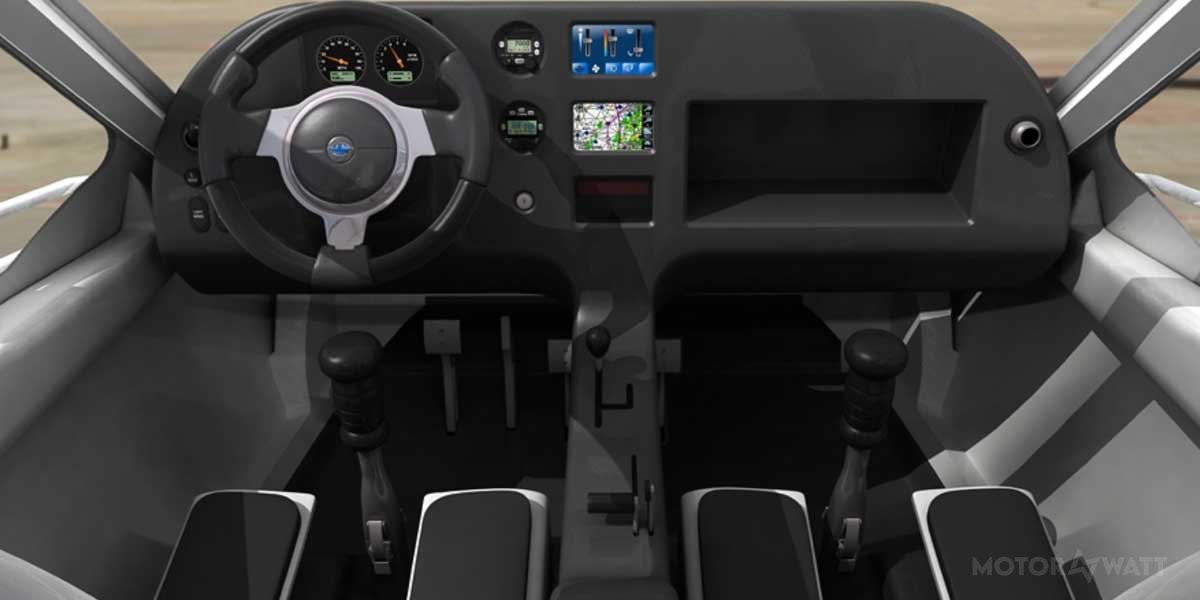
The cockpit integrates Dynon SkyView EFIS. Glass displays provide synthetic vision and moving maps. Automotive telemetry appears during road mode. 4G LTE connectivity enables real-time weather updates. BRS parachute system protects occupants during emergency descent.
Exterior engineering balances lift and crash protection. Interior architecture supports pilot confidence. Owners benefit from dual-purpose instrumentation. Cabin ergonomics feel intuitive. Aerospace safety features add reassurance.
Pros and Cons:
Pros
- 644 km flying range
- Street-legal configuration
- Carbon fiber lightweight build
- Folding wings for garage storage
- Hybrid propulsion efficiency
Cons
- Requires runway for takeoff
- Premium acquisition cost
- Limited passenger capacity
- Certification varies by region
Market position & Expert Data:
According to McKinsey, advanced air mobility could exceed $20 billion annually by 2030. Data reveals increasing demand for regional air solutions. Research shows owner-pilot aircraft sales grew by over 8 percent in 2025.
Reuters reported expansion in China’s low altitude economy, supported by regulatory acceleration. Transition benefits from Geely’s aerospace funding. Industry analysts cite fixed-wing efficiency as superior for long regional routes.
Conclusion:
The Terrafugia Transition stands as a certified roadable aircraft for 2026. It merges 644 km flight capability with 787 km road flexibility. Hybrid efficiency, carbon fiber structure, and folding wings create practical private aviation. For commuter pilots, it offers direct garage-to-runway mobility.
Watch the Video Overview


Full specifications
Model Specs
| Specification | Actual Data |
|---|---|
|
Model Name
|
Terrafugia Transition
|
|
Model Year
|
2026
|
|
Manufacturer
|
Terrafugia
|
|
Parent Group
|
Zhejiang Geely Holding Group
|
|
Country of Origin
|
USA
|
|
Vehicle Class
|
Light Sport Aircraft LSA with street legal road mode
|
Performance
| Specification | Actual Data |
|---|---|
|
Power Type
|
Hybrid electric plus gasoline assisted propulsion
|
|
Power Output
|
100 hp (75 kW)
|
|
Drive Type
|
Rear wheel drive in road mode
|
|
Top Speed Air
|
160 km/h (99.4 mph)
|
|
Top Speed Land
|
110 km/h (68.4 mph)
|
|
Takeoff Runway Requirement
|
426 m (1,398 ft)
|
Battery and Charging
| Specification | Actual Data |
|---|---|
|
Battery Capacity
|
12.5 kWh
|
|
Battery Chemistry
|
LiFePO4 estimated
|
|
Charging Time
|
3.5 hours AC Level 2
|
|
DC Fast Charging
|
Not applicable
|
Estimated Range Data
| Specification | Actual Data |
|---|---|
|
Flying Range
|
644 km (400.2 mi)
|
|
Road Range
|
787 km (489.0 mi)
|
|
Range Standard
|
Total hybrid range estimates, certification standard not specified
|
Body Specifications
| Specification | Actual Data |
|---|---|
|
Length Drive Mode
|
6000 mm (19.7 ft)
|
|
Width Drive Mode
|
2300 mm (7.5 ft)
|
|
Height Drive Mode
|
2000 mm (6.6 ft)
|
|
Wingspan Extended
|
8000 mm (26.2 ft)
|
|
Curb Weight
|
440 kg (970 lb)
|
|
Payload Capacity
|
227 kg (500 lb)
|
|
Passengers
|
1
|
Exterior Design Features
| Specification | Actual Data |
|---|---|
|
Body Construction
|
Carbon fiber composite fuselage
|
|
Wing System
|
Electrically powered folding wings with vertical retraction
|
|
Lighting
|
LED road headlights plus FAA compliant navigation and strobe lights
|
|
Mirror System
|
Rearview cameras replace mirrors for reduced drag
|
Interior Design and Materials
| Specification | Actual Data |
|---|---|
|
Seating
|
Leather trimmed seats, two seat cockpit layout noted
|
|
Control Layout
|
Separated flight controls and road controls for clarity
|
|
Safety Structure
|
Rigid carbon fiber safety cage with crumple zones
|
Cabin Technical Features
| Specification | Actual Data |
|---|---|
|
Avionics Display
|
Dynon SkyView EFIS with synthetic vision and moving maps
|
|
Drive Mode Telemetry
|
Road speed readout plus hybrid battery status display
|
|
Connectivity
|
Integrated 4G LTE module for weather updates and flight plan sync
|
|
Emergency System
|
BRS full vehicle parachute recovery system
|
|
Occupant Protection
|
Automotive grade airbags noted
|
F.A.Q. about Terrafugia Transition
What makes a roadable aircraft different from a typical light sport aircraft?
A roadable aircraft combines fixed wing efficiency with street legal capability, allowing owners to land at a municipal airport, fold the wings, and drive home. It merges personal air mobility with automotive compliance in one certified platform.
- Electrically folding wings
- Hybrid propulsion for road and air
- Standard garage storage footprint
What is the real world flying and driving range available?
The Terrafugia Transition delivers up to 644 km or about 400 miles of flying range and around 787 km or 489 miles on the road under ideal conditions. Weather, payload, and cruising speed influence practical results.
- Flying range supports regional trips
- Road range handles extended ground travel
- Hybrid system improves endurance flexibility
What is the usable battery capacity and how long does charging take?
The Terrafugia Transition uses a 12.5 kWh LiFePO4 battery and completes AC Level 2 charging in about 3.5 hours. The hybrid configuration supplements energy with 91 octane fuel for extended missions.
- Battery capacity 12.5 kWh
- AC charging time 3.5 hours
- Hybrid fuel backup for range extension
What pilot license is required to operate a hybrid flying vehicle?
Operation aligns with Light Sport Aircraft regulations in the United States, meaning a Sport Pilot Certificate qualifies in approved regions. Local aviation authorities in Europe may require additional validation.
What is the purchase price in the USA and Europe?
The Terrafugia Transition base configuration starts at $279,000 USD or approximately €234,900. Higher trims rise to $315,000 USD or about €265,210 and $350,000 USD or around €294,680.
How fast can a fixed wing hybrid commuter aircraft travel?
Top airspeed reaches 160 km/h or roughly 99 mph, while road speed peaks at 110 km/h or 68 mph. Hybrid output of 100 hp or 75 kW supports steady cruise and climb performance.
What space is required for storage and parking?
With wings folded, overall length measures about 6000 mm or 19.7 ft and width about 2300 mm or 7.5 ft. That footprint fits inside a standard single car garage.
How safe is a modern flying car in emergency situations?
Safety includes a full vehicle parachute recovery system, carbon fiber safety cage, airbags, and energy absorbing crumple zones. These systems support controlled descent and occupant protection.
Is availability expanding beyond the United States?
Production advances in the USA and China, with certification expanding across selective European markets. Germany and the United Kingdom currently allow private import pathways under specific aviation categories.