Joby Aviation S4: Price, Range, and Technical Specs
Joby S4 is a 2026 electric vertical takeoff and landing aircraft built in the USA for urban air mobility. It features six electric motors producing 1,416 kW, a 150-180 kWh battery, 161 km range, and 322 km/h top speed. With rapid 15-20 minute DC charging and ultra quiet 45 dBA cruise, it serves premium electric air taxi operations in major metropolitan areas.


| Starting Price | $1,300,000 |
| Model Year | 2026 |
| Country of Manufacturing | USA |
| Flying Range | 100 mi |
| Battery Size | 150 kWh |
| Power | Distributed Electric Propulsion with 6 Tilt Rotors hp |
* Minimum price set for the base trim by the manufacturerr, excluding taxes and additional options

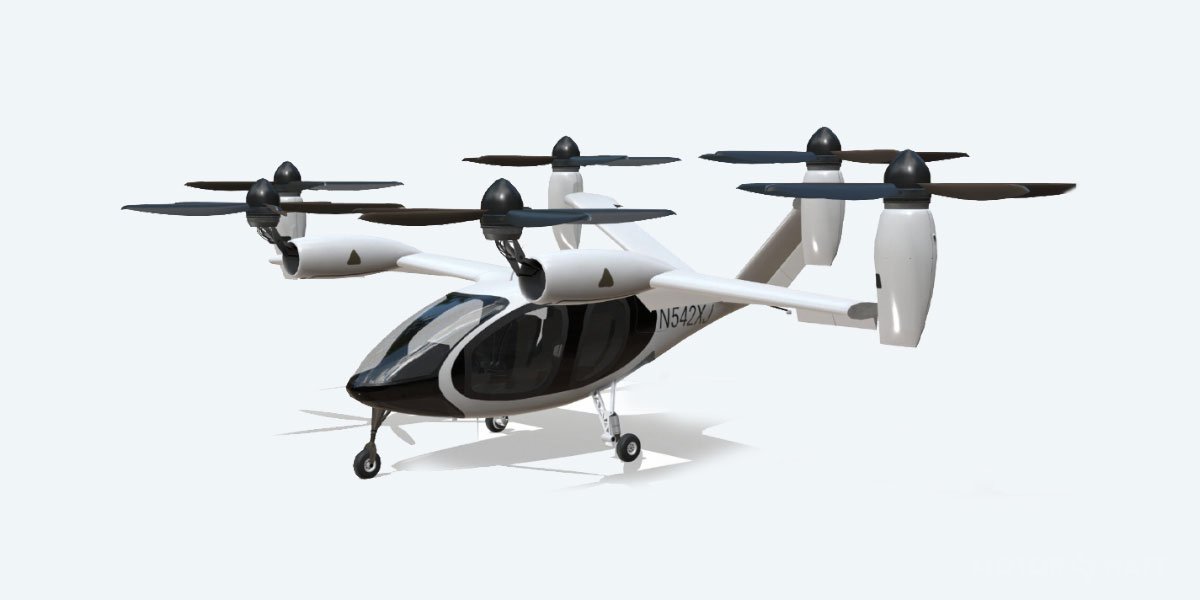
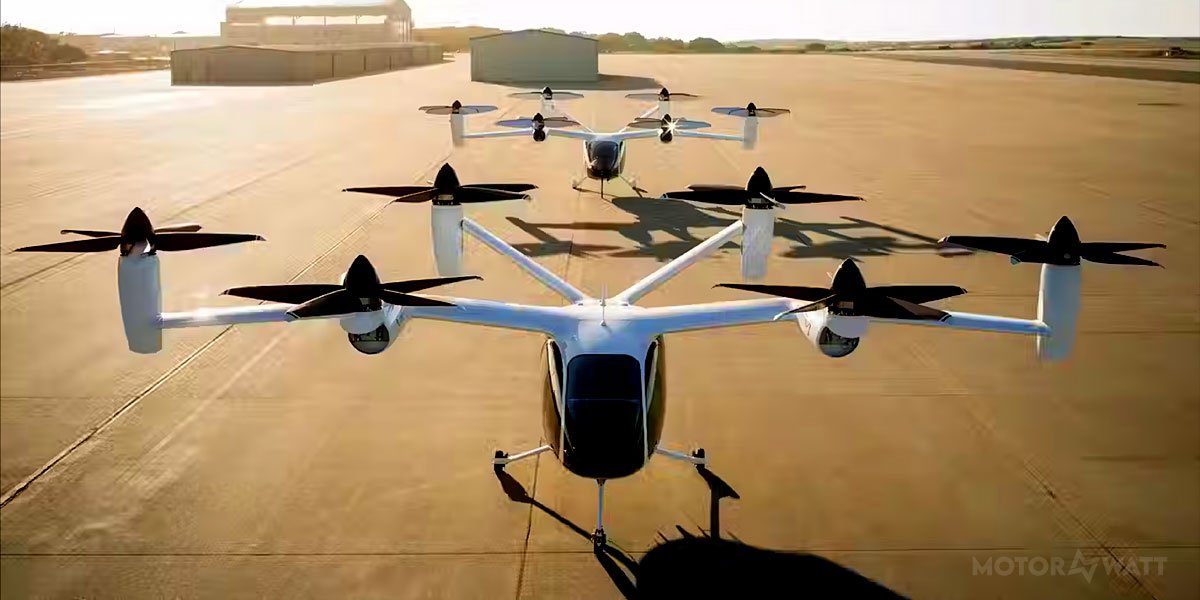
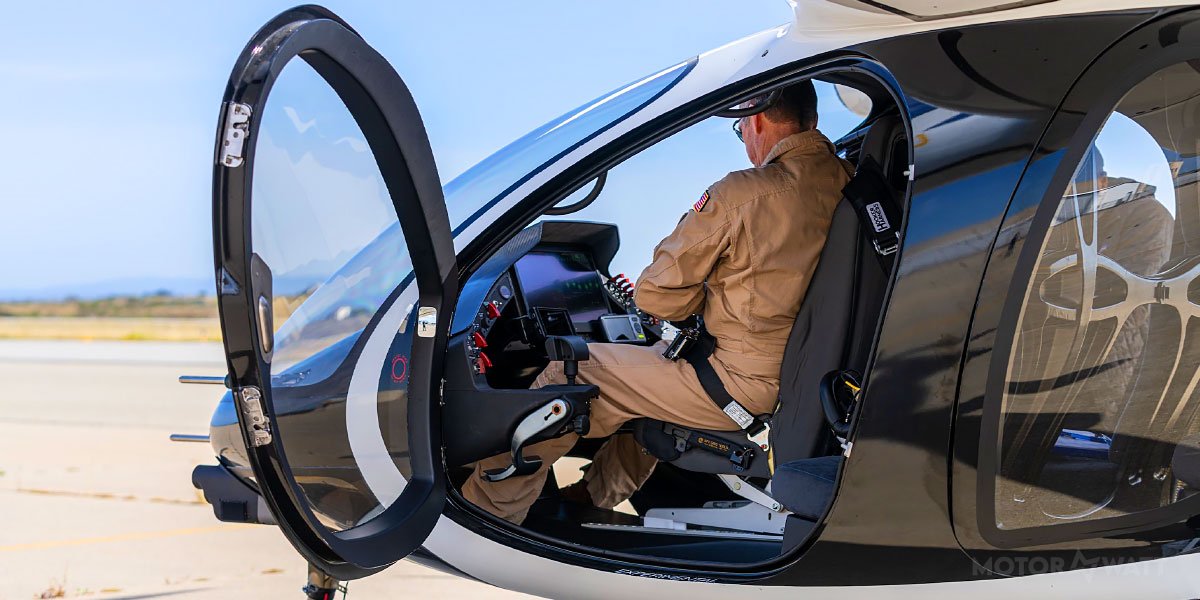
Exterior and Interior photos of Joby Aviation S4


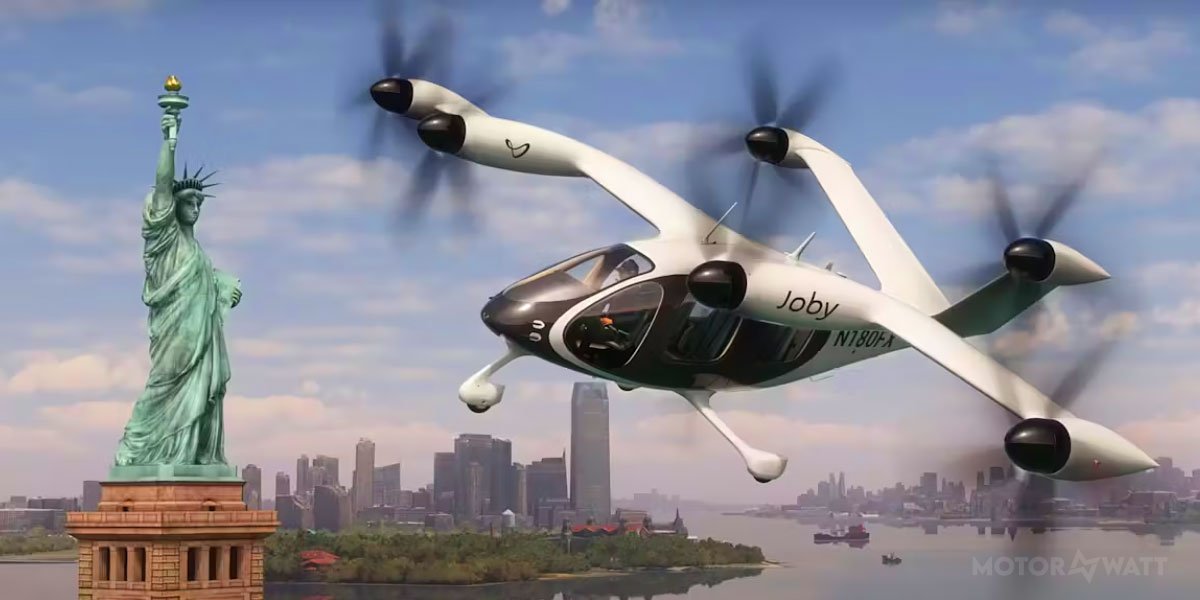
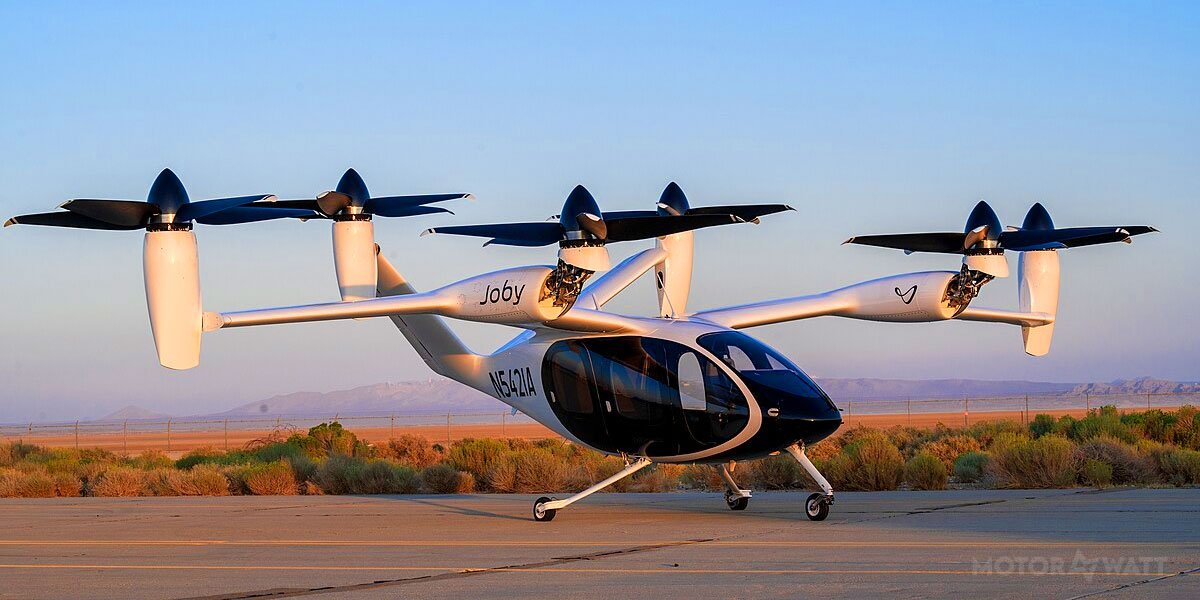
Joby Aviation S4 Review: Early Impressions & Tech Analysis
Joby Aviation S4 Introduction:
Joby Aviation S4 enters the premium urban air mobility sector with a clear mission: compress commute times while eliminating tailpipe emissions. Built in the USA for model year 2026, this eVTOL aircraft pairs vertical agility with fixed wing cruise efficiency. It targets executives, tech enthusiasts, and city professionals who value minutes like currency. With a starting price of $1,300,000 USD (€1,091,290), it positions itself as a flagship electric air taxi. The tilt rotor architecture and distributed electric propulsion define its identity. And its whisper level acoustic footprint reshapes expectations for metropolitan aviation.
- Manufactured in the United States with FAA Type Certification in final stages for 2026 launch.
- Unveiled as a premium electric air taxi targeting New York and Los Angeles hubs.
- Starting price $1,300,000 USD (€1,091,290) reflecting early production manufacturing cost.
- Six tilt rotors and carbon fiber composite airframe emphasize electric vertical takeoff performance.
- Zero emission flight engineered for short range regional transport up to 161 km.
What is the Price of Joby Aviation S4 in 2026?
The Joby Aviation S4 price starts at $1,300,000 USD (€1,091,290). That valuation places it squarely in the premium electric air taxi category. It reflects initial manufacturing cost for early production aircraft aimed at fleet operations.
| Trim Level | PRICE | KEY FEATURES |
|---|---|---|
|
Joby S4 Standard
|
Six motor distributed electric propulsion system producing 1,416 kW peak output. Cruise speed reaches 322 km/h (200 mph). Flying range extends to 161 km (100 miles). Carbon fiber airframe with 1,950 kg curb weight. Designed for pilot plus four passengers.
|
|
|
Joby S4-T Military
|
Enhanced communications and mission hardware. Same six motor configuration with 1,416 kW combined output. Optimized for tactical logistics under Agility Prime program. Maintains 161 km operational range.
|
Each trim reflects different mission profiles. The Standard configuration focuses on urban air taxi service. The S4-T variant integrates government and defense applications. Both retain identical battery architecture and cruise performance. Price differences reflect mission systems and integration packages.
Engine, Battery, and Performance Specs:
Battery & Charging Specifications
The battery pack capacity ranges between 150 kWh and 180 kWh. Specific energy stands near 235 Wh per kilogram at pack level. Flying range reaches 161 km or about 100 miles including reserves. Fast DC charging completes turnaround in 15 to 20 minutes. That rapid replenishment supports high frequency vertiport operations.
- Battery Capacity: 150 to 180 kWh
- Specific Energy: 235 Wh per kg
- Range: 161 km (100 miles)
- Charging Time: 15 to 20 minutes DC fast charge
Electric Motor Specifications
Six independent electric motors generate a combined 1,416 kW peak output. Each motor contributes roughly 236 kW. Torque delivery remains immediate, typical of electric propulsion. Distributed electric propulsion enhances redundancy and stability. The tilt rotor mechanism transitions smoothly from hover to forward flight.
- Total Peak Power: 1,416 kW
- Motors: 6 electric units
- Drive Architecture: Tilt rotor DEP system
- Max Flight Altitude: 3,048 m (10,000 ft)
Performance Specifications
Top speed reaches 322 km/h or roughly 200 mph. Acceleration from vertical hover to cruise occurs seamlessly. Curb weight measures 1,950 kg or 4,299 lb. Maximum takeoff weight reaches 2,404 kg or 5,300 lb. Payload capacity stands at 453 kg or 999 lb including passengers and luggage.
- Top Speed: 322 km/h (200 mph)
- Curb Weight: 1,950 kg (4,299 lb)
- Max Takeoff Weight: 2,404 kg (5,300 lb)
- Payload: 453 kg (999 lb)
Urban professionals gain a practical commute solution. Six motor redundancy improves operational assurance. Rapid charging supports tight scheduling. And ultra quiet flight at 45 dBA at 500 meters fosters public acceptance.
Exterior and Interior Features
Exterior Design
The exterior profile reveals a high main gull wing and V tail assembly. Carbon fiber composites supply structural rigidity while reducing mass. Wingspan measures 10.7 m or 35.1 ft. Length reaches 7.3 m or 23.9 ft. Height stands at 2.5 m or 8.2 ft. LED navigation lighting supports all weather operation. Anhedral blade tips reduce acoustic signature to 45 dBA in cruise.
Interior & Technology
The cabin seats one pilot and four passengers comfortably. High back ergonomic seats accommodate occupants up to 193 cm tall. A unified flight control system derived from F 35B concepts replaces traditional cyclic controls. Dual inceptors simplify direction and speed management. Large primary and multi function displays present real time telemetry and weather data. Storage accommodates four carry on bags within integrated compartments.
Passengers experience low vibration and near silent cruising. Panoramic windows expand spatial perception. Electric propulsion removes combustion resonance. The interior mirrors premium electric sedan aesthetics.
Pros and Cons:
Pros
- Ultra quiet 45 dBA acoustic profile
- Rapid 15 to 20 minute DC charging
- Six motor redundancy architecture
- Zero emission urban air mobility
- 322 km/h cruise speed
Cons
- High initial manufacturing cost
- Regulatory certification complexity
- Limited 161 km operational range
Market position & Expert Data:
According to Reuters, urban air mobility investment surpassed $6 billion in 2025. Data reveals rising metropolitan congestion fuels demand for electric air taxi networks. Research from McKinsey projects UAM could reach $20 billion annual revenue by 2030. That context elevates Joby’s strategic importance in 2026.
Delta Air Lines partnership strengthens commercial rollout. FAA Type Certification nearing completion positions early 2026 launch in New York and Los Angeles. Analysts cite extensive flight testing exceeding 30,000 miles as operational validation.
Conclusion:
Joby Aviation S4 represents a decisive move toward practical electric flight. It offers 161 km range, 322 km/h speed, and rapid charging in under 20 minutes. Built in the USA with six electric motors, it targets urban commuters seeking time efficiency. Premium pricing reflects early production cost and advanced engineering.
Watch the Video Overview


Full specifications
Model Specs
| Specification | Actual Data |
|---|---|
|
Model Name
|
Joby S4
|
|
Model Year
|
2026
|
|
Manufacturer
|
Joby Aviation
|
|
Country of Origin
|
United States
|
|
Vehicle Class
|
Urban Air Mobility eVTOL Aircraft
|
|
Seating Capacity
|
1 Pilot + 4 Passengers
|
Performance
| Specification | Actual Data |
|---|---|
|
Powertrain Type
|
Distributed Electric Propulsion with 6 Tilt Rotors
|
|
Total Peak Power
|
1,416 kW (1,898 hp)
|
|
Power per Motor
|
236 kW (316 hp)
|
|
Maximum Speed
|
322 km/h (200 mph)
|
|
Maximum Flight Altitude
|
3,048 m (10,000 ft)
|
Battery and Charging
| Specification | Actual Data |
|---|---|
|
Battery Capacity
|
150–180 kWh
|
|
Specific Energy
|
235 Wh/kg
|
|
DC Fast Charging Time
|
15–20 minutes (approximate quick turnaround)
|
Estimated Range Data
| Specification | Actual Data |
|---|---|
|
Certified Flying Range
|
161 km (100 miles)
|
|
Range Including Reserves
|
161 km (100 miles) including energy reserves
|
Body Specifications
| Specification | Actual Data |
|---|---|
|
Length
|
7.3 m (23.9 ft)
|
|
Wingspan
|
10.7 m (35.1 ft)
|
|
Height
|
2.5 m (8.2 ft)
|
|
Curb Weight
|
1,950 kg (4,299 lb)
|
|
Maximum Takeoff Weight
|
2,404 kg (5,300 lb)
|
|
Maximum Payload
|
453 kg (999 lb)
|
Exterior Design Features
| Specification | Actual Data |
|---|---|
|
Airframe Material
|
Advanced Carbon Fiber Composites
|
|
Rotor Configuration
|
Six Articulating Proprotors
|
|
Noise Level
|
45 dBA at 500 m (1,640 ft)
|
Interior Design and Materials
| Specification | Actual Data |
|---|---|
|
Cabin Layout
|
1 Pilot + 4 Passengers with High-Back Ergonomic Seats
|
|
Passenger Height Accommodation
|
Up to 193 cm (6 ft 4 in)
|
|
Storage Capacity
|
Integrated Compartment for Four Carry-On Bags
|
Cabin Technical Features
| Specification | Actual Data |
|---|---|
|
Flight Control System
|
Triple-Redundant Fly-By-Wire System
|
|
Primary Display
|
Large Format Primary Flight Display with Multi-Function Displays
|
|
Control Interface
|
Dual Inceptor Unified Control System
|
F.A.Q. about Joby Aviation S4
What is the real world flying range for an urban air mobility eVTOL aircraft?
Joby Aviation S4 delivers a certified flying range of 161 km or about 100 miles including energy reserves, which fits short range regional transport and metropolitan air mobility missions.
- Optimized for city to city corridors
- Includes operational reserve margin
- Ideal for congested metro areas
What battery capacity supports premium electric air taxi operations?
Joby S4 uses an estimated 150 to 180 kWh battery pack with 235 Wh per kg specific energy, engineered for distributed electric propulsion and rapid turnaround cycles.
- High energy density pack
- Supports six electric motors
- Designed for vertical takeoff efficiency
How long does fast charging take for an electric vertical takeoff aircraft?
DC fast charging typically requires 15 to 20 minutes, enabling high frequency vertiport scheduling and quick redeployment between flights.
- Designed for commercial air taxi cycles
- Minimizes ground downtime
- Supports urban air mobility fleets
What is the price in the USA for a premium eVTOL aircraft?
Joby Aviation S4 starts at $1,300,000 USD (€1,091,290) for the Standard configuration, reflecting early production manufacturing valuation for the urban air mobility segment.
- Military variant estimated above $1,500,000 (€1,259,180+)
- Primarily deployed in fleet operations
- Positioned as premium electric air taxi
How fast can a tilt rotor electric air taxi cruise?
Maximum cruise speed reaches 322 km per hour or about 200 mph, allowing rapid city to city transfers above traffic congestion.
- Six motor electric propulsion
- Smooth transition from hover to wing flight
- Optimized for short range regional transport
How quiet is an ultra quiet eVTOL aircraft in urban environments?
The acoustic profile measures about 45 dBA at 500 meters during cruise, which resembles a soft conversation and supports frequent low altitude city flights.
- Anhedral blade tips reduce noise
- Electric propulsion eliminates combustion vibration
- Engineered for public acceptance
How many passengers can a pilot operated eVTOL aircraft carry?
The cabin configuration accommodates one pilot and four passengers with a maximum payload of 453 kg or roughly 999 lb including luggage.
- Ergonomic high back seating
- Integrated storage for carry on bags
- Designed for metropolitan commuters
How safe is distributed electric propulsion in urban air mobility?
Six independent motors and a triple redundant fly by wire system enhance operational stability and redundancy, which strengthens safety during vertical takeoff and cruise.
- Redundant flight control computers
- Stability compensation for wind gusts
- FAA certification pathway underway