Archer Midnight: Price, Range, and Technical Specs
Archer Midnight is a 2026 electric vertical takeoff and landing aircraft built in the USA for urban air mobility. It carries four passengers plus a pilot, uses a 142 kWh battery across six packs, flies up to 161 km at 241 km/h, and recharges in about 10 to 12 minutes. Designed for airport to city center routes, it supports high frequency commercial air taxi operations with 12 electric motors and low 45 dB cruise noise.

| Starting Price | $5,000,000 |
| Model Year | 2026 |
| Country of Manufacturing | USA |
| Flying Range | 100 mi |
| Flying Time | 40 min |
| Battery Size | 142 kWh |
* Minimum price set for the base trim by the manufacturerr, excluding taxes and additional options

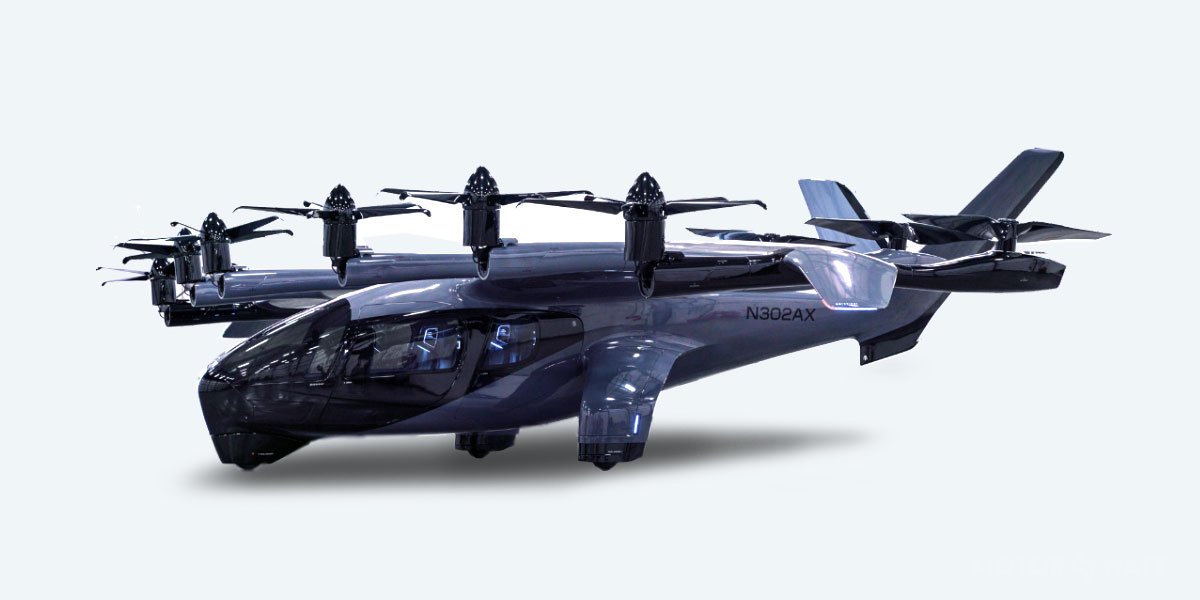
Exterior and Interior photos of Archer Midnight


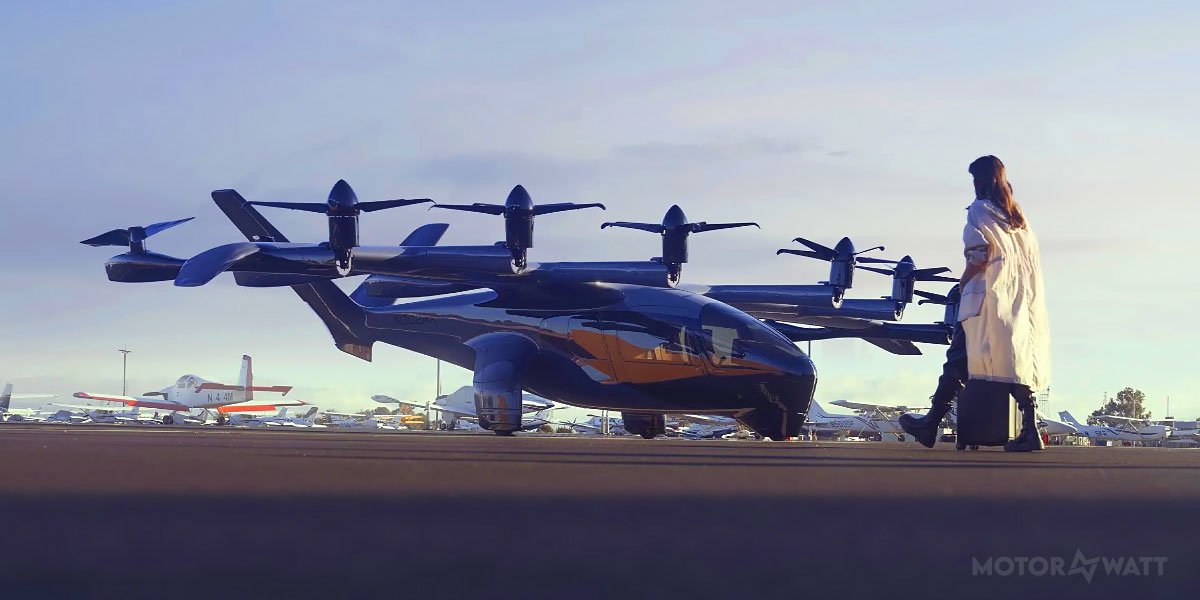
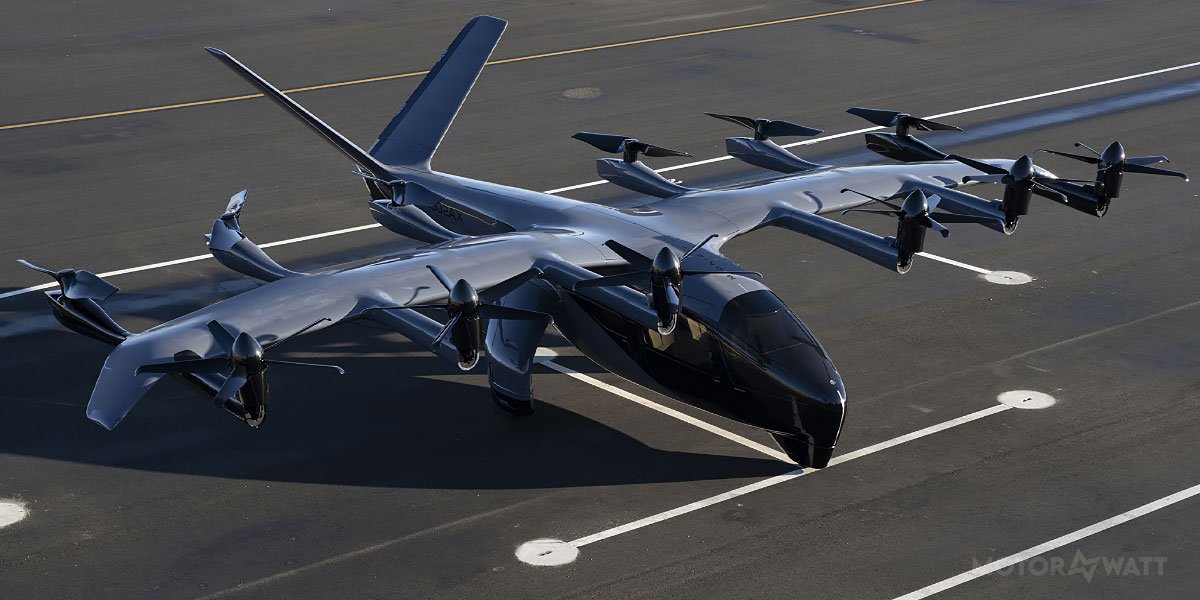
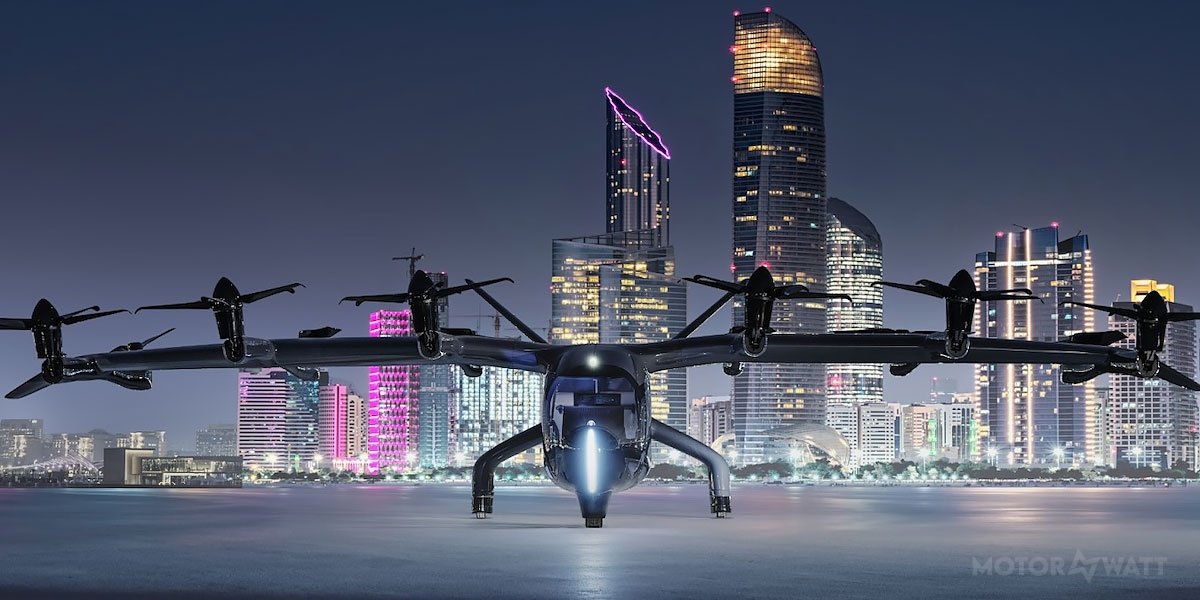
Archer Midnight Review: Early Impressions & Tech Analysis
Archer Midnight Introduction:
Archer Midnight arrives for the 2026 model year as a purpose built electric vertical takeoff and landing aircraft engineered in the United States. It represents the commercial maturation of the electric vertical takeoff and landing aircraft segment. Developed by Archer Aviation and supported by major airline and automotive partners, it targets high frequency urban air mobility missions. The aircraft seats four passengers plus one pilot and aims to compress 60 to 90 minute ground commutes into 10 to 20 minute air transfers. With a 142 kWh battery system and over 1,000 kW of peak propulsion, it positions itself as a serious eVTOL air taxi for dense metropolitan corridors. Starting at $5,000,000 USD (€4,197,270), it occupies the upper tier of commercial electric aircraft pricing.
- Manufactured in the USA, with scaled production planned in Georgia for up to 650 aircraft annually.
- Official commercial entry targeted for 2026, aligned with FAA certification milestones.
- Features a proprietary 12 motor distributed electric propulsion system for safety redundancy.
- Designed for rapid 10 to 12 minute DC charging turnaround between missions.
- Marketed as a high throughput airport to city center electric air taxi network solution.
What is the Price of Archer Midnight in 2026?
The Archer Midnight price starts at $5,000,000 USD (€4,197,270). It positions the aircraft in the premium commercial electric aircraft price bracket, targeting fleet operators and government agencies rather than private owners.
| Trim Level | PRICE | KEY FEATURES |
|---|---|---|
|
Base Configuration
|
142 kWh battery across six packs, 161 km range, 241 km/h top speed, 12 electric motors, 40 minute flight endurance, 453 kg cargo capacity.
|
|
|
Launch Edition
|
Advanced avionics, enhanced connectivity, optimized flight software, premium cabin materials for flagship air taxi routes.
|
|
|
AFWERX Military Spec
|
Hardened systems, mission adaptability, reinforced communication architecture for defense applications.
|
The trims share the same 14.6 meter wingspan and 3,175 kg maximum takeoff weight. Differences center on avionics depth, mission software, and interior specification. For fleet economics, the 40 mission per day capability drives long term ROI. And that high utilization narrative strengthens its commercial value.
Engine, Battery, and Performance Specs:
Battery & Charging Specifications
The aircraft carries a 142 kWh lithium battery system distributed across six independent packs. Total flying range reaches 161 km or 100 miles, optimized for 32 to 80 km city missions. Typical cruise altitude sits at 610 meters or about 2,000 feet. DC fast charging restores operational readiness in 10 to 12 minutes, supporting rapid turnaround schedules.
- Battery capacity: 142 kWh
- Flying range: 161 km (100 miles)
- Flight endurance: 40 minutes
- DC charging time: 10 to 12 minutes
Electric Motor Specifications
Twelve electric motors drive the tilt rotor configuration. Total peak output exceeds 1,000 kW, equal to roughly 1,341 horsepower. Six front rotors tilt for vertical lift and forward transition, while six rear rotors stabilize cruise. The distributed electric propulsion system enhances redundancy and thrust modulation.
- Motors: 12 independent electric units
- Peak power: 1,000+ kW
- Configuration: High wing tilt rotor
- Max takeoff weight: 3,175 kg (7,000 lbs)
Performance Specifications
Top speed reaches 241 km/h or 150 mph. The aircraft climbs vertically and transitions smoothly into wing borne cruise through software control. Noise levels register near 45 dB in cruise, far below traditional helicopter acoustics. Cargo capacity totals 453 kg or 1,000 lbs.
- Top speed: 241 km/h (150 mph)
- Flight altitude: 610 m (2,000 ft)
- Passengers: 4 plus pilot
- Cargo: 453 kg (1,000 lbs)
For operators, these specs translate into high frequency urban shuttle potential. Quick charge cycles and short hop efficiency drive mission density. And that directly improves cost per seat mile metrics.
Exterior and Interior Features
Exterior Design
The airframe features carbon fiber composite construction. Wingspan measures 14.6 meters or 48 feet. The high wing layout supports efficient cruise aerodynamics. A vertical LED light bar defines the nose. Landing gear geometry evokes avian posture ready for ascent. The 12 rotor layout underscores its electric air taxi identity while maintaining urban friendly acoustics.
Interior & Technology
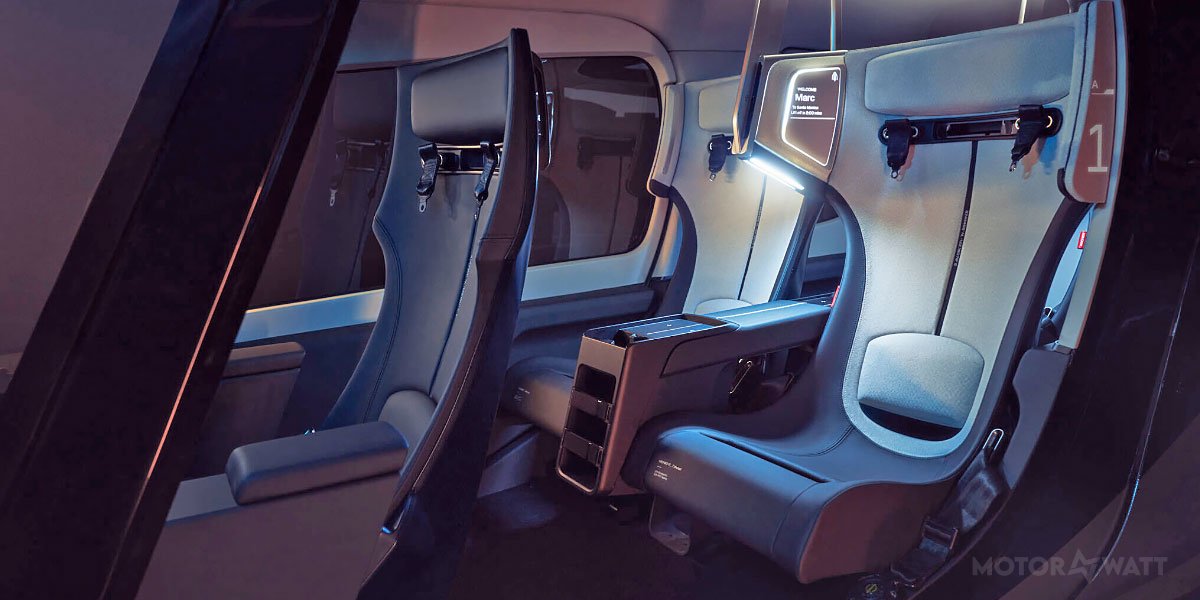
The cabin adopts a 1 plus 2 plus 2 seating arrangement. Panoramic windows enhance passenger perception of stability. Garmin G3000 avionics integrate with Honeywell fly by wire control systems. NVIDIA IGX Thor AI supports obstacle detection and situational awareness. Sustainable fabrics and lightweight synthetics reduce overall mass while maintaining a premium environment.
Together, exterior aerodynamics and interior digital integration deliver a refined commuter flight experience. It feels closer to a high end electric sedan than a rotorcraft. And passengers can converse normally without headsets.
Pros and Cons:
Pros
- 161 km range supports regional corridors
- 10 to 12 minute rapid charging turnaround
- 12 motor redundancy improves operational safety
- 45 dB low noise profile for urban compliance
- Strong airline partnerships in the USA
Cons
- High $5,000,000 entry price for fleet buyers
- Certification timelines tied to regulatory approval
- Passenger focus limits cargo specialization
Market position & Expert Data:
In 2026, the aircraft stands among leading commercial urban air mobility platforms. According to Reuters, global eVTOL investment surpassed $9 billion in recent years, signaling accelerating certification and deployment activity. Archer holds an order book exceeding $6 billion, reflecting early airline confidence.
Research from McKinsey & Company suggests urban air mobility markets could reach $35 billion annually by 2035. United Airlines publicly supports airport to city center routes in New York and Chicago. Manufacturing capacity of 650 units per year strengthens supply scalability.
Data reveals increasing regulatory alignment in the United States and the UAE. Industry analysts highlight pilot in loop design as favorable for FAA and UK CAA approval. That certification pathway enhances Western market entry prospects.
Conclusion:
The Archer Midnight stands as a high throughput electric vertical takeoff and landing aircraft designed for serious commercial deployment. With 142 kWh of battery capacity, 241 km/h cruise speed, and rapid 10 minute charging, it targets efficient urban air mobility. Fleet economics hinge on high daily utilization. For operators seeking structured airport to city center networks, it offers a compelling technical package.
Watch the Video Overview


Full specifications
Model Specs
| Specification | Actual Data |
|---|---|
|
Model Name
|
Archer Midnight
|
|
Model Year
|
2026
|
|
Country of Origin
|
USA
|
|
Manufacturer
|
Archer Aviation
|
|
Vehicle Class
|
Piloted eVTOL air taxi for urban air mobility
|
|
Seating
|
4 passengers plus pilot
|
|
Starting Price
|
$5,000,000 USD (€4,197,270)
|
Performance
| Specification | Actual Data |
|---|---|
|
Power Type
|
Battery electric propulsion
|
|
Propulsion Layout
|
12 motor distributed electric propulsion, tilt rotor configuration
|
|
Peak Propulsion Power
|
1,000 plus kW, about 1,341 hp
|
|
Maximum Speed
|
241 km/h (150 mph)
|
|
Typical Operating Altitude
|
610 m (2,001 ft)
|
|
Endurance
|
40 minutes
|
|
Cruise Noise
|
About 45 dB
|
Battery and Charging
| Specification | Actual Data |
|---|---|
|
Battery Capacity
|
142 kWh, about 511 MJ
|
|
Battery Architecture
|
Six independent battery packs
|
|
Fast Charging Type
|
DC rapid charging for turnaround operations
|
|
Charging Time
|
10 to 12 minutes
|
Estimated Range Data
| Specification | Actual Data |
|---|---|
|
Maximum Flying Range
|
161 km (100 miles)
|
|
Optimized Trip Distance
|
32 to 80 km (20 to 50 miles)
|
|
Typical Mission Profile
|
High frequency urban air mobility routes, airport to city center
|
Body Specifications
| Specification | Actual Data |
|---|---|
|
Wingspan
|
14.6 m (48.0 ft)
|
|
Maximum Takeoff Weight
|
3,175 kg (7,000 lb)
|
|
Cargo Capacity
|
453 kg (1,000 lb)
|
Exterior Design Features
| Specification | Actual Data |
|---|---|
|
Airframe Construction
|
Carbon fiber composites
|
|
Wing Configuration
|
High wing layout with tilt rotor system
|
|
Rotor Count and Layout
|
12 electric rotors, six tilting front, six rear for stabilization
|
|
Signature Lighting
|
Vertical LED light bar on the nose
|
Interior Design and Materials
| Specification | Actual Data |
|---|---|
|
Cabin Layout
|
1 plus 2 plus 2 seating layout
|
|
Windows
|
Large panoramic windows
|
|
Materials
|
Recycled fabrics and lightweight synthetics
|
Cabin Technical Features
| Specification | Actual Data |
|---|---|
|
Avionics Suite
|
Garmin G3000 based avionics
|
|
Flight Controls
|
Honeywell fly by wire control system with high automation
|
|
Passenger Displays
|
Passenger facing digital displays for flight status and arrival time
|
|
AI and Situational Awareness
|
NVIDIA IGX Thor AI platform for obstacle detection and situational awareness
|
|
Ride Character
|
Stabilized, low vibration cabin experience designed for normal conversation
|
F.A.Q. about Archer Midnight
What is the real world flying range of an electric vertical takeoff and landing aircraft on a single charge?
Archer Midnight delivers a certified flying range of up to 161 km or 100 miles on a full 142 kWh battery charge. Real world range typically supports optimized 32 to 80 km urban air mobility missions depending on payload and weather.
- Designed for short airport to city center routes
- Optimized for high frequency commuter flights
- Payload and wind conditions influence usable range
How long does rapid charging take for an urban air mobility eVTOL aircraft?
Archer Midnight recharges in approximately 10 to 12 minutes using DC fast charging infrastructure. That rapid turnaround enables up to 40 short haul missions per day in a commercial air taxi network.
What is the commercial purchase price in the USA and Europe?
Archer Midnight starts at $5,000,000 USD (€4,197,270) for the base configuration. Launch Edition pricing reaches $5,250,000 (€4,407,134), while the AFWERX military specification is listed at $6,000,000 (€5,036,724).
How powerful is the distributed electric propulsion system in an eVTOL air taxi?
The aircraft uses 12 independent electric motors producing over 1,000 kW of peak power, equal to about 1,341 horsepower. That distributed electric propulsion system enhances redundancy and precise thrust control.
What cruising speed and flight altitude support urban air mobility routes?
The aircraft cruises at up to 241 km/h or 150 mph and typically flies at 610 meters or about 2,000 feet. That altitude supports stable airport to city center connections while maintaining low urban noise exposure.
How quiet is a modern electric air taxi compared to a helicopter?
Cruise noise measures around 45 dB, which is dramatically quieter than traditional helicopters. That low acoustic signature supports dense city operations and meets strict urban environmental regulations.
How many passengers can an electric air taxi carry and what is the cargo capacity?
The cabin accommodates one pilot and four passengers in a 1 plus 2 plus 2 configuration. Cargo capacity reaches 453 kg or 1,000 lbs, supporting luggage and light commercial loads.
Where will commercial electric air taxi operations begin in the USA and Europe?
Initial networks are planned in major US cities including New York, Chicago, and Los Angeles, aligned with FAA certification targets for 2026. Expansion into the United Kingdom and Germany focuses on EASA compliance and regional airport integration.
How does pilot in the loop design influence certification and safety?
The pilot in the loop configuration aligns with FAA and UK CAA certification pathways, strengthening early Western market entry. Combined with 12 motor redundancy and fly by wire automation, it enhances operational resilience in urban air mobility missions.