BETA Alia-250: Price, Range, and Technical Specs
BETA Alia-250 is a 2026 electric vertical takeoff and landing aircraft developed in the United States for cargo and passenger transport. It uses a 325 kWh battery to deliver up to 402 km (250 miles) of range, carries six occupants or 635 kg of cargo, reaches 222 km/h, and operates quietly with low operating costs.

| Starting Price | $4,000,000 |
| Model Year | 2026 |
| Country of Manufacturing | USA |
| Flying Range | 250 mi |
| Flying Time | 120 min |
| Battery Size | 325 kWh |
* Minimum price set for the base trim by the manufacturerr, excluding taxes and additional options

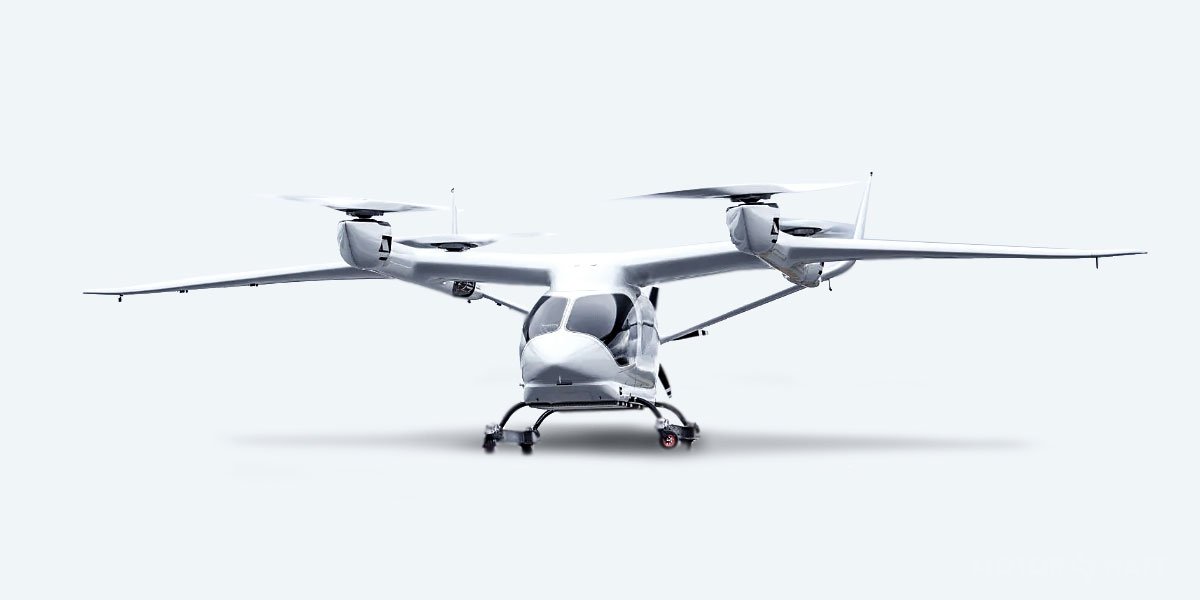
Exterior and Interior photos of BETA Alia-250


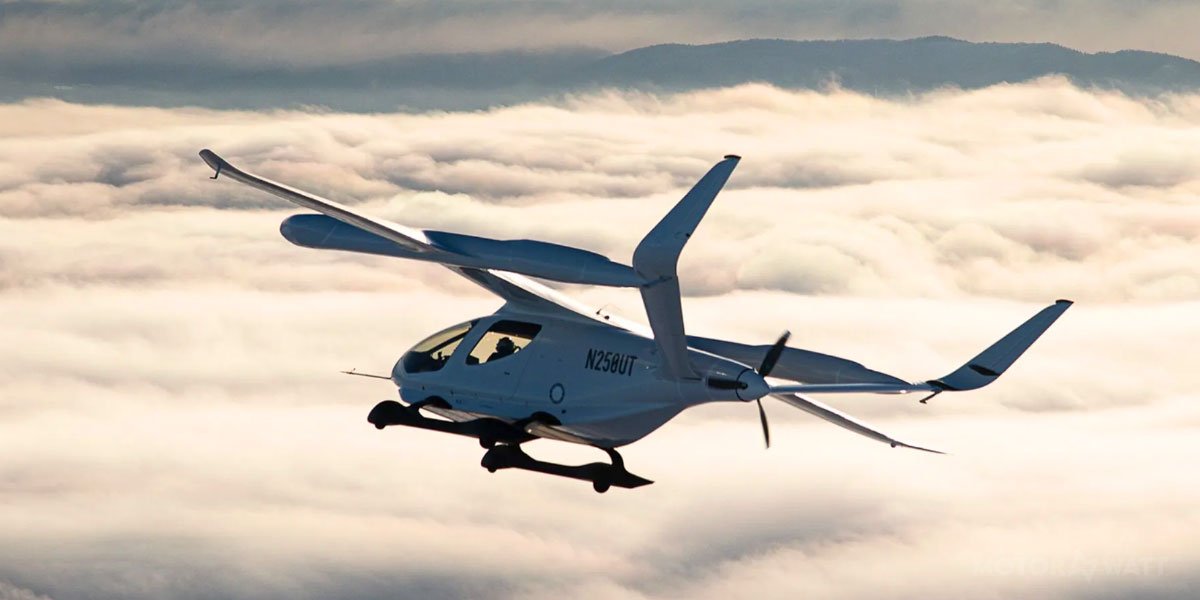
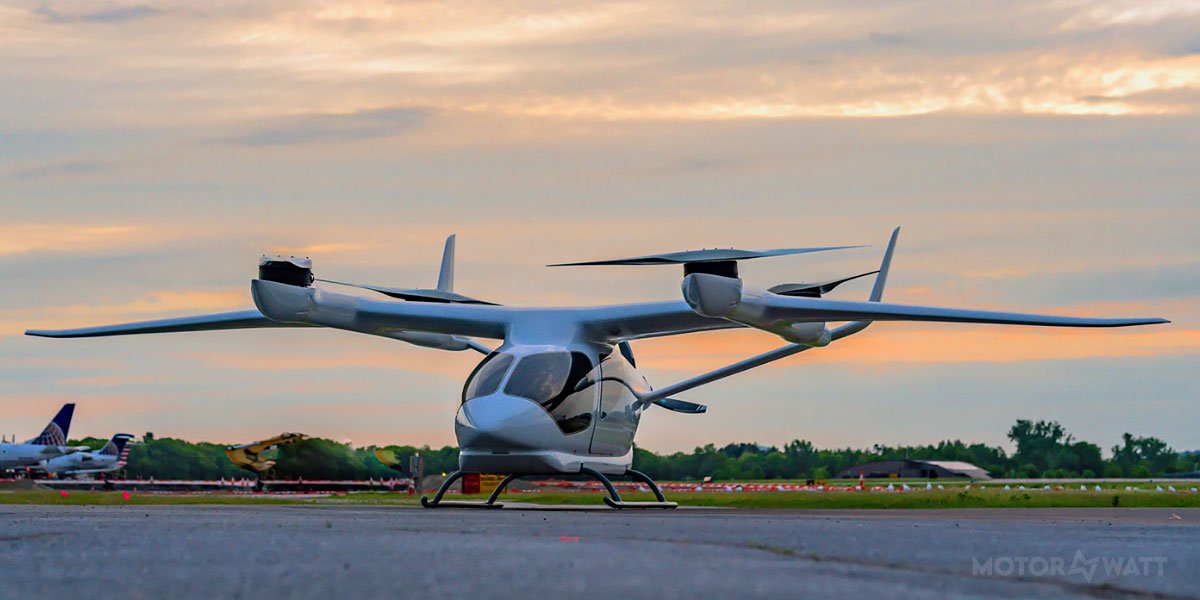
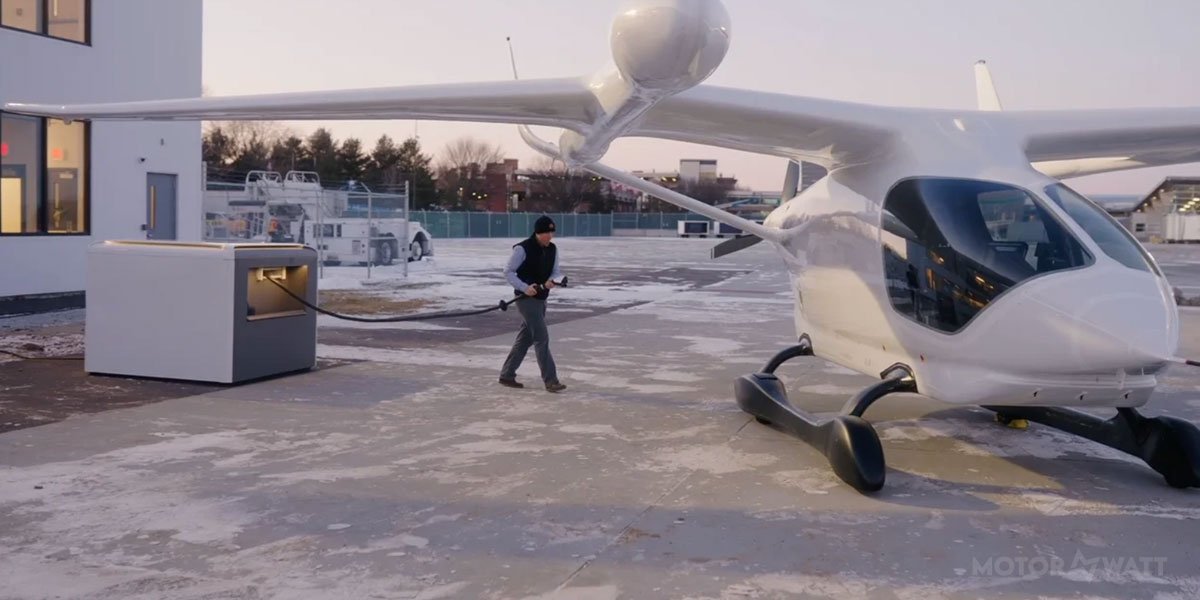
BETA Alia-250 Review: Early Impressions & Tech Analysis
BETA Alia-250 Introduction:
BETA Alia-250 arrives as a defining entry in electric aviation for the 2026 model year. Developed in the United States, the aircraft targets operators seeking quiet performance, serious range, and multi role capability. Advanced air mobility shifts from concept to application here. Payload capacity, endurance, and flexible launch profiles place the aircraft between urban air taxis and regional cargo platforms. Pricing reflects premium engineering, while operating economics reshape expectations for flight efficiency. Electric propulsion, long wing geometry, and vertical agility serve logistics providers, medical transport teams, and passenger operators alike.
- Manufactured in the USA with certification aligned to FAA powered lift standards.
- Model year 2026 featuring refined lift plus cruise architecture.
- Commercial launch window follows final certification milestones.
- Starting price positions the aircraft within the premium electric aviation segment.
- Market focus spans cargo logistics, medical transport, and passenger mobility.
How much does the BETA Alia-250 cost?
The BETA Alia-250 price starts at $4,000,000 USD (€3,363,040 EUR). That figure places the aircraft among high capacity electric aviation platforms built for range and payload rather than short hop urban shuttles.
| Trim Level | PRICE | KEY FEATURES |
|---|---|---|
|
Alia-250 Base
|
Six seat configuration, 325 kWh battery, 402 km range (250 miles), lift plus cruise architecture, VTOL and CTOL capability.
|
|
|
Alia-250c Cargo
|
Optimized cargo layout, 635 kg payload (1,400 lbs), reduced interior fittings, logistics focused configuration.
|
|
|
Alia CX300
|
Fixed wing CTOL design, extended runway operations, simplified lift systems, regional cargo efficiency.
|
|
|
MV250 Hybrid
|
Military focused hybrid propulsion, extended endurance, hardened systems, tactical flexibility.
|
Each configuration addresses a specific mission profile. Cargo operators prioritize payload density. Passenger services emphasize cabin volume and visibility. Fixed wing variants favor runway efficiency and simplified operations.
Engine, Battery, and Performance Specs:
Battery & Charging Specifications
Energy storage centers on a 325 kWh lithium battery pack designed for thermal stability and fast recharge cycles. Real world range reaches 402 km or 250 miles depending on payload and flight profile. Charging through a 320 kW DC system restores usable capacity in under 60 minutes. Electric efficiency supports extended daily utilization without performance fade.
- Battery capacity 325 kWh
- Flying range 402 km (250 miles)
- Charging time under 60 minutes DC
- Operational altitude up to 2,400 m (7,874 ft)
Electric Motor Specifications
Propulsion relies on distributed electric motors delivering a combined 500 kW output. Lift rotors handle vertical operations while a rear pusher propeller manages cruise efficiency. Electric torque remains consistent across altitude changes, supporting predictable handling and reduced pilot workload.
- Total propulsion output 500 kW
- Lift plus cruise configuration
- Multiple electric motors for redundancy
Performance Specifications
Maximum speed reaches 222 km/h or 138 mph in standard operations. Extended cruise profiles push higher speeds when required. Flight time extends to 120 minutes depending on mission parameters. Payload capacity supports six occupants or cargo loads up to 635 kg.
- Top speed 222 km/h (138 mph)
- Flight duration up to 120 minutes
- Passenger capacity six
- Cargo capacity 635 kg (1,400 lbs)
Operational efficiency remains a major advantage. Quiet electric output suits urban environments while long range supports regional missions previously limited to helicopters.
Exterior and Interior Features
Exterior Design
Exterior geometry favors aerodynamic efficiency. A high arched wing and V tail reduce drag during cruise. Carbon fiber composites account for most of the structure, cutting mass while maintaining rigidity. Flush mounted LED lighting preserves airflow integrity. Wheeled landing gear enables runway takeoffs when vertical launch proves unnecessary.
Interior & Technology
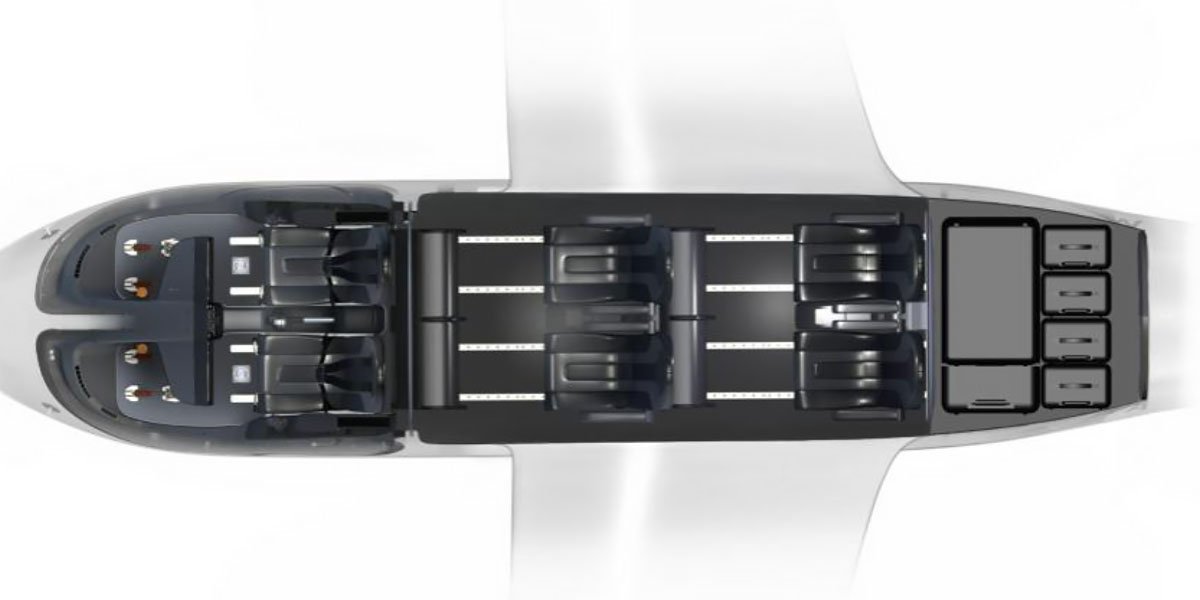
The cabin seats one pilot and five passengers with panoramic visibility. Garmin G3000 Prime avionics anchor the cockpit, integrating navigation, battery management, and flight controls. Digital interfaces streamline operations. Sustainable materials reduce weight while maintaining durability. Internal volume reaches 5.7 cubic meters, accommodating luggage or medical equipment.
Interior comfort pairs with operational practicality. Clear sightlines, low vibration, and reduced noise enhance passenger experience across longer routes.
Pros and Cons:
Pros
- Exceptional electric range for an eVTOL aircraft
- High payload capacity suitable for logistics
- Quiet operation for urban environments
- Flexible VTOL and CTOL capability
- Low operating cost per flight hour
Cons
- Premium acquisition cost
- Certification timelines affect early deployment
- Infrastructure rollout remains region dependent
Market position & Expert Data:
Market placement favors utility driven electric aviation. Cargo logistics and medical transport lead adoption. According to Reuters, electric aircraft operating costs show reductions approaching 90 percent versus turbine helicopters. Data reveals early adopters gain route flexibility without vertiport dependence.
Research shows growing demand for mid range electric aircraft across North America and Europe. A McKinsey aviation outlook projects advanced air mobility logistics exceeding $30 billion annually by 2030. Industry analyst Richard Aboulafia of AeroDynamic Advisory notes electric propulsion reshapes regional transport economics, especially for cargo and medical services.
Summary:
BETA Alia-250 delivers range, payload, and quiet efficiency within electric aviation. Long legs and flexible launch options suit logistics and passenger operators. Pricing reflects capability rather than novelty. Electric propulsion lowers operating costs dramatically. Market adoption aligns with certification progress and infrastructure growth.
Watch the Video Overview


Full specifications
Model Specs
| Specification | Actual Data |
|---|---|
|
Model Name
|
BETA Alia-250
|
|
Model Year
|
2026
|
|
Manufacturer
|
BETA Technologies
|
|
Country of Origin
|
United States
|
|
Vehicle Class
|
Advanced Air Mobility eVTOL Aircraft
|
Performance
| Specification | Actual Data |
|---|---|
|
Powertrain Type
|
All electric distributed propulsion
|
|
Total Power Output
|
500 kW or about 670 hp
|
|
Maximum Speed
|
222 km/h (138 mph)
|
|
Flight Time
|
Up to 120 minutes
|
|
Operational Ceiling
|
2,400 m (7,874 ft)
|
Battery and Charging
| Specification | Actual Data |
|---|---|
|
Battery Capacity
|
325 kWh
|
|
Charging Type
|
High power DC fast charging
|
|
Maximum Charging Rate
|
320 kW
|
|
Charging Time
|
Under 60 minutes typical turnaround
|
Estimated Range Data
| Specification | Actual Data |
|---|---|
|
Maximum Flying Range
|
402 km (250 miles)
|
|
Range with Full Payload
|
Approximately 350 km (217 miles)
|
|
Short Hop Urban Missions
|
Optimized for frequent vertical operations
|
Body Specifications
| Specification | Actual Data |
|---|---|
|
Wingspan
|
15.24 m (50 ft)
|
|
Gross Weight
|
3,175 kg (7,000 lbs)
|
|
Cargo Capacity
|
635 kg (1,400 lbs)
|
|
Passenger Capacity
|
Up to 6 occupants
|
Exterior Design Features
| Specification | Actual Data |
|---|---|
|
Airframe Material
|
Carbon fiber composite structure
|
|
Wing Design
|
High mounted wing with V tail
|
|
Lighting
|
Integrated LED navigation and landing lights
|
Interior Design and Materials
| Specification | Actual Data |
|---|---|
|
Cabin Layout
|
One pilot plus five passengers
|
|
Interior Volume
|
5.7 cubic meters (201 cubic feet)
|
|
Seat Materials
|
Lightweight sustainable synthetic upholstery
|
Cabin Technical Features
| Specification | Actual Data |
|---|---|
|
Avionics System
|
Garmin G3000 Prime digital flight deck
|
|
Flight Controls
|
Triple redundant fly by wire system
|
|
Connectivity
|
Satellite and cellular telemetry integration
|
F.A.Q. about BETA Alia-250
What is the real flying range on a single charge?
The BETA Alia-250 delivers an estimated flying range of up to 402 km or about 250 miles depending on payload, altitude, and mission profile.
- Cruise flight maximizes efficiency
- Heavier payloads reduce total range
- Vertical operations consume more energy
What is the battery capacity and usable energy?
The BETA Alia-250 uses a high density 325 kWh battery pack designed for repeated fast charge cycles and sustained commercial operations.
How long does it take to charge the aircraft?
The BETA Alia-250 charges in under 60 minutes using high power DC charging systems rated around 320 kW.
- Fast turnaround supports high utilization
- Thermal management protects battery longevity
What is the purchase price in the USA and Europe?
The BETA Alia-250 starts at $4,000,000 USD (€3,363,040 EUR) before configuration options, positioning it in the premium electric aviation category.
Is it suitable for long distance regional missions?
Long range capability supports regional routes that exceed most early generation electric VTOL aircraft.
- Up to 120 minutes of flight time
- Efficient wing borne cruise operation
How does maintenance compare to turbine helicopters?
Electric propulsion reduces mechanical complexity, lowering routine maintenance requirements and downtime compared to turbine powered rotorcraft.
How quiet is electric vertical flight during operations?
Noise output remains roughly 90 percent lower than conventional helicopters, supporting operations in urban and noise sensitive environments.
How many passengers or how much cargo can it carry?
The BETA Alia-250 carries up to six occupants or a cargo payload of 635 kg or about 1,400 lbs depending on configuration.
Where will early commercial operations take place?
Initial deployments focus on the United States with pilot programs expanding into Europe including Norway and additional global test markets.