Vertical Aerospace VX4: Price, Range, and Technical Specs
Vertical Aerospace VX4 is a 2026 electric vertical takeoff and landing aircraft developed in the United Kingdom for urban and regional air mobility. It uses a 160 kWh battery, delivers 161 km range, cruises at 241 km/h, and reaches 322 km/h top speed. Designed for four passengers plus a pilot, it features eight electric motors and fast 20–30 minute DC charging. Base price starts at $4,000,000 USD (€3,368,280).

| Starting Price | $4,000,000 |
| Model Year | 2026 |
| Country of Manufacturing | United Kingdom |
| Flying Range | 100 mi |
| Flying Time | 40 min |
| Battery Size | 160 kWh |
* Minimum price set for the base trim by the manufacturerr, excluding taxes and additional options

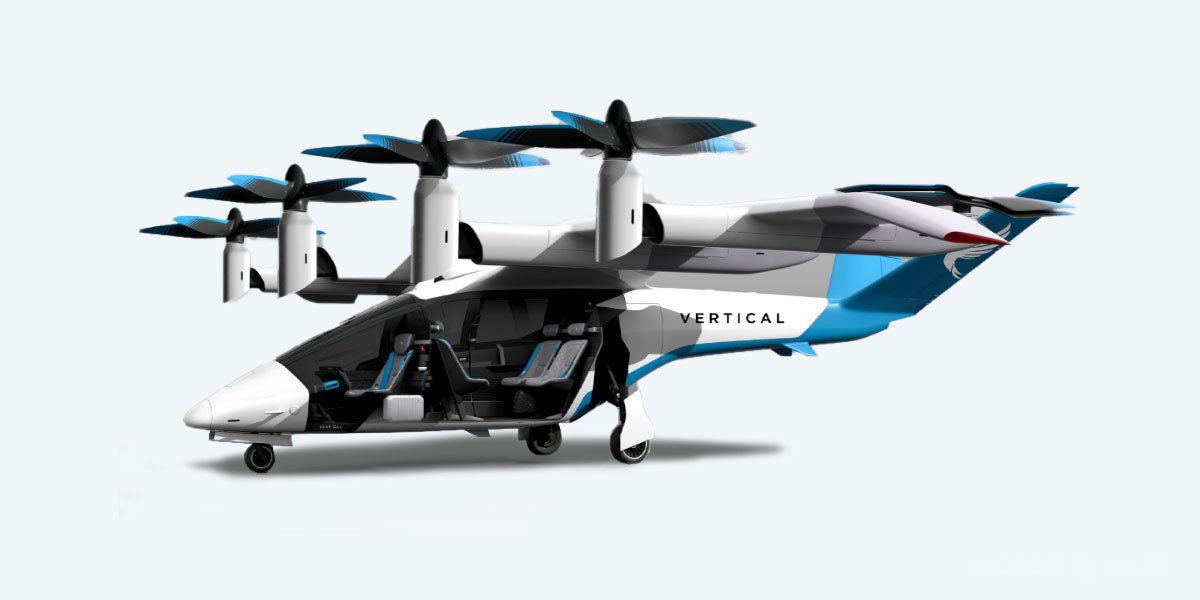
Exterior and Interior photos of Vertical Aerospace VX4


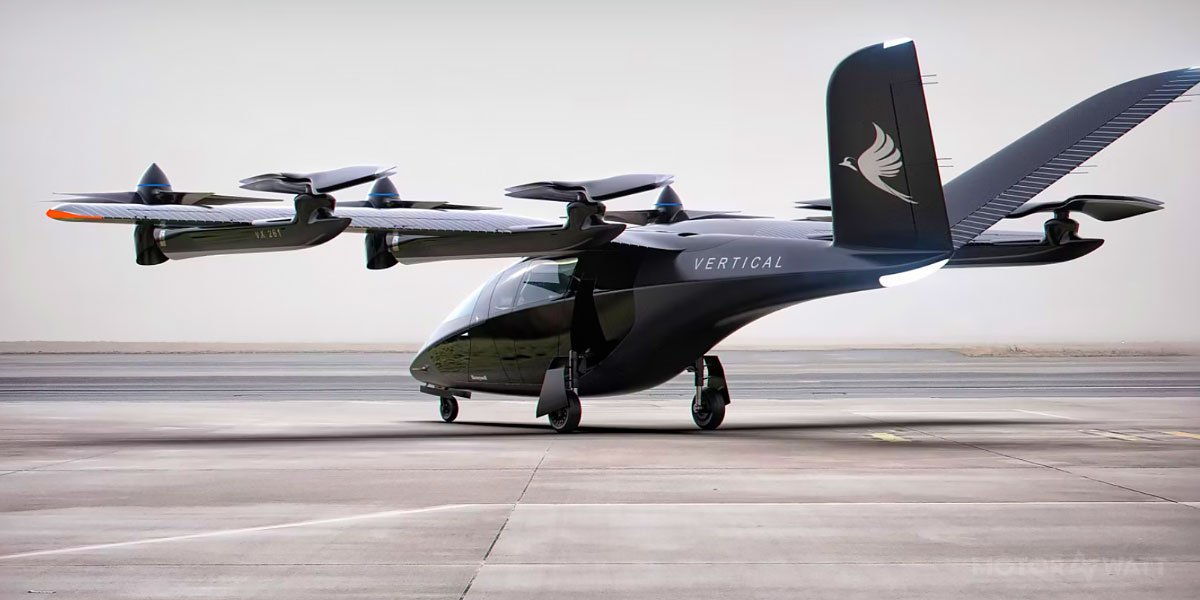

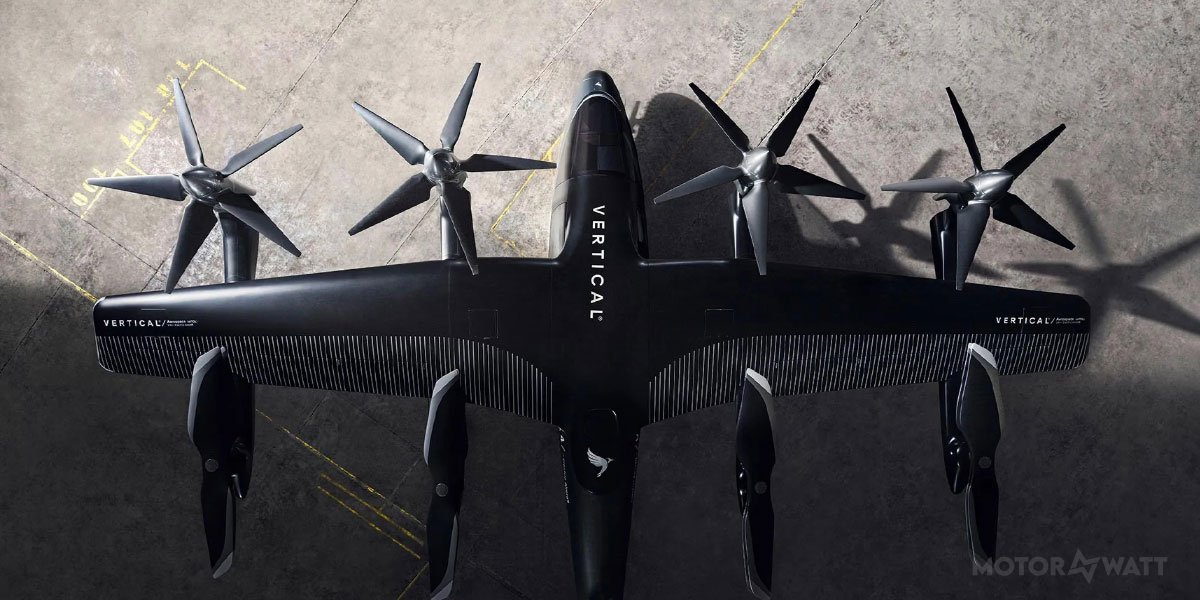
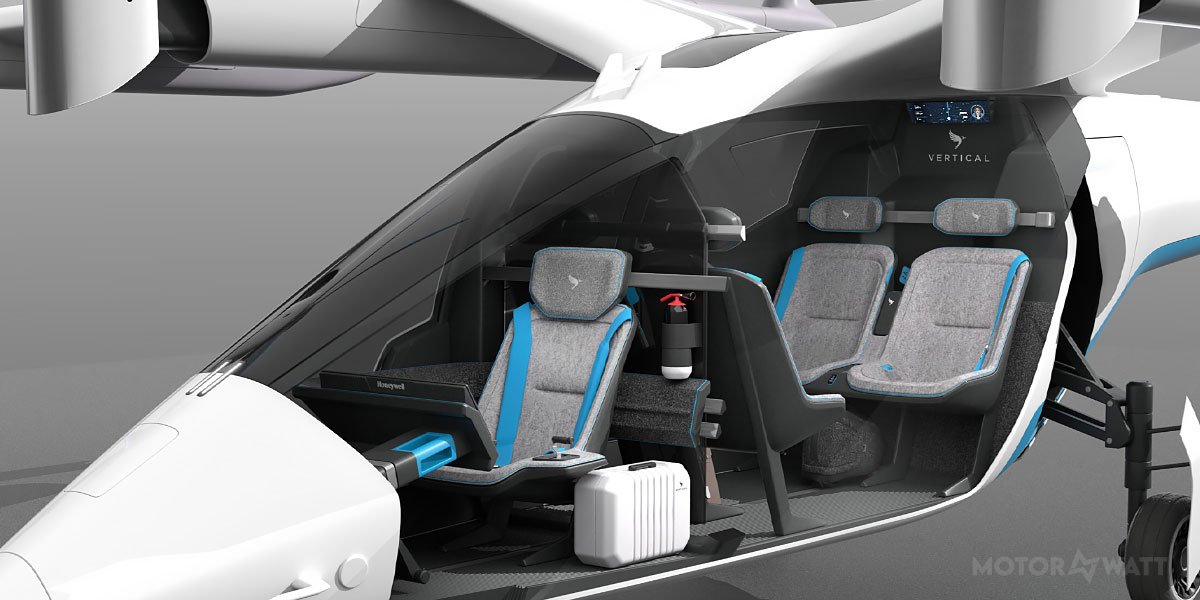
Vertical Aerospace VX4 Review: Early Impressions & Tech Analysis
Vertical Aerospace VX4 Introduction:
Vertical Aerospace VX4 steps into 2026 as one of the most talked-about names in Advanced Air Mobility. Developed in the United Kingdom, it targets premium eVTOL air taxi operations between city centers and airports. And yes, it carries serious aerospace pedigree. Built in Bristol, it combines electric vertical takeoff and landing aircraft capability with fixed-wing cruise efficiency. With a 160 kWh battery, a projected 161 km range, and a cruise speed of 241 km/h, it positions itself as a zero-emission alternative to helicopters. Base pricing starts at $4,000,000 USD (€3,368,280), placing it firmly in the high-end commercial aviation bracket.
- Manufactured in the United Kingdom with aerospace suppliers like Rolls-Royce and Honeywell.
- Model Year 2026 with commercial certification targeted for 2028.
- Base price: $4,000,000 USD (€3,368,280) aimed at airline and fleet operators.
- Designed for urban air mobility UK and transatlantic deployment.
What is the Price of Vertical Aerospace VX4 in 2026?
The Aerospace VX4 price starts at $4,000,000 USD (€3,368,280). That positions it among premium electric aircraft for commercial air taxi fleets. Higher configurations climb accordingly, reflecting avionics upgrades and interior refinements.
| Trim Level | Price | Key Features |
|---|---|---|
|
Base Model
|
160 kWh battery, 161 km range (100 miles), cruise speed 241 km/h (150 mph), 1.4 MW peak output, four passengers plus pilot.
|
|
|
Commercial Air-Taxi
|
Fleet-focused configuration, optimized interiors, rapid DC charging 20–30 minutes, enhanced telemetry systems.
|
|
|
VIP Corporate
|
Luxury seating, premium materials, bespoke cabin layout, advanced communication systems.
|
|
|
Hybrid-Electric Long Range
|
Testbed variant targeting extended regional missions with hybrid augmentation.
|
Trim differences focus on mission profile. Battery capacity remains 160 kWh in base electric form. Charging time stays within 20 to 30 minutes on DC fast systems. Power output peaks at 1.4 MW, translating to roughly 1,877 horsepower. Weight sits at 2,800 kg, equal to 6,173 lbs. Passenger capacity stays at four plus pilot. Each configuration adapts cabin sophistication and operational tech.
Engine, Battery, and Performance Specs:
Battery & Charging Specifications
The 160 kWh battery anchors the entire architecture. Flying range reaches 161 km, roughly 100 miles. Fast charging replenishes capacity within 20 to 30 minutes under high-output DC systems. Flight endurance extends to 40 minutes, optimized for dense urban corridors. Operational ceiling climbs to 1,500 meters, or 4,921 feet. Distributed electric propulsion improves efficiency during both hover and cruise.
- Battery Capacity: 160 kWh
- Flying Range: 161 km (100 miles)
- Charging Time: 20–30 minutes DC fast charge
- Flight Time: 40 minutes
Electric Motor Specifications
Eight electric motors drive the aircraft. Four tilt-propellers manage vertical lift and transition. Four rear rotors support hover stability. Peak output stands at 1.4 MW, about 1,877 hp. That translates into a strong power-to-weight ratio. Airframe weight of 2,800 kg balances carbon fiber strength with light mass.
- Motors: 8 electric units
- Peak Output: 1.4 MW
- Weight: 2,800 kg (6,173 lbs)
- Payload Capacity: 450 kg (992 lbs)
Performance Specifications
Cruise speed reaches 241 km/h, about 150 mph. Maximum speed climbs to 322 km/h, equal to 200 mph. Transition from vertical to wing-borne flight occurs seamlessly. High wingspan of 15.0 meters, nearly 49.2 feet, enhances lift. Length measures 13.0 meters, or 42.6 feet. Quiet hover operation produces sound levels drastically lower than conventional helicopters.
- Cruise Speed: 241 km/h (150 mph)
- Top Speed: 322 km/h (200 mph)
- Flight Altitude: 1,500 m (4,921 ft)
- Wingspan: 15.0 m (49.2 ft)
Operational advantages emerge quickly. Short-hop routes become efficient. Urban congestion shrinks from hours to minutes. And zero tailpipe emissions support green aviation goals across the UK, USA, and Europe.
Exterior and Interior Features
Exterior Design
Carbon fiber composites define the structure. High-wing configuration improves aerodynamics. V-tail assembly reduces drag during cruise. Eight propulsors integrate cleanly into the frame. LED nose lighting enhances visibility at dusk operations. Dark panoramic glazing wraps around the cabin. Overall form resembles a fixed-wing aircraft with helicopter agility.
Interior & Technology
The cabin seats four passengers. Pilot occupies a central cockpit. Honeywell avionics power fly-by-wire controls. Each seat offers USB charging and climate management. Integrated headrest speakers add refinement. Overhead displays show live telemetry. Storage space accommodates standard carry-on luggage up to 450 kg payload capacity.
Exterior aerodynamics boost efficiency. Interior comfort matches premium regional jets. Quiet propulsion enhances passenger satisfaction. And carbon fiber construction improves durability over time.
Pros and Cons:
Pros
- Zero-emission electric propulsion
- 161 km operational range
- Fast 20–30 minute charging
- High aerospace supplier integration
- Quiet hover and cruise
Cons
- Limited battery-only regional range
- Premium acquisition cost
- Certification timeline pending
Market position & Expert Data:
According to Reuters, global Advanced Air Mobility investment exceeded $7 billion in 2025. Research shows airline partnerships accelerate certification pathways. Data reveals over 1,500 aircraft in order backlog for the program. That volume places it among the most commercially supported eVTOL platforms in Europe and North America.
McKinsey analysis indicates urban air mobility could generate $9 billion annually by 2030, according to McKinsey. UK and US metropolitan corridors lead adoption. Established supply chain partnerships strengthen reliability metrics. Competitive pressure remains high from American and German manufacturers.
Conclusion:
The Vertical Aerospace VX4 represents a calculated leap into electric aviation. It combines 160 kWh battery capacity, 161 km range, and 241 km/h cruise speed within a carbon fiber airframe. Pricing begins at $4,000,000 USD (€3,368,280), targeting premium commercial operators. For airport transfers and short regional routes, few aircraft present such a balanced formula of efficiency, safety, and quiet performance.
Watch the Video Overview


Full specifications
Model Specs
| Specification | Actual Data |
|---|---|
|
Model Name
|
Vertical Aerospace VX4
|
|
Model Year
|
2026
|
|
Manufacturer
|
Vertical Aerospace
|
|
Country of Origin
|
United Kingdom
|
|
Vehicle Class
|
Advanced Air Mobility eVTOL air taxi aircraft
|
|
Seating Capacity
|
4 passengers plus pilot
|
Performance
| Specification | Actual Data |
|---|---|
|
Power Type
|
All electric distributed propulsion
|
|
Peak Power Output
|
1.4 MW (1,400 kW) about 1,877 hp
|
|
Cruise Speed
|
241 km/h (150 mph)
|
|
Maximum Speed
|
322 km/h (200 mph)
|
|
Operational Ceiling
|
1,500 m (4,921 ft)
|
Battery and Charging
| Specification | Actual Data |
|---|---|
|
Battery Capacity
|
160 kWh
|
|
Fast Charging Time
|
20 to 30 minutes DC fast charge
|
|
Flight Time
|
40 minutes
|
Estimated Range Data
| Specification | Actual Data |
|---|---|
|
Estimated Flying Range
|
161 km (100 miles)
|
|
Use Case Range Profile
|
Optimized for airport transfers and short regional hops
|
Body Specifications
| Specification | Actual Data |
|---|---|
|
Length
|
13.0 m (42.7 ft)
|
|
Wingspan
|
15.0 m (49.2 ft)
|
|
Curb Weight
|
2,800 kg (6,173 lbs)
|
|
Payload Capacity
|
450 kg (992 lbs)
|
Exterior Design Features
| Specification | Actual Data |
|---|---|
|
Airframe Material
|
Carbon fiber composites
|
|
Propulsion Layout
|
Eight electric motors with tilt propellers and rear lift rotors
|
|
Stability Design
|
V tail assembly for reduced drag
|
|
Lighting Signature
|
LED nose light array for visibility and navigation
|
Interior Design and Materials
| Specification | Actual Data |
|---|---|
|
Cabin Layout
|
Four passenger cabin with central pilot position
|
|
Seat Design
|
Ergonomic seats with sustainable padded materials and headrest speakers
|
|
Cabin Glazing
|
Panoramic darkened glazing panels
|
|
Storage
|
Dedicated baggage compartment plus under seat storage
|
Cabin Technical Features
| Specification | Actual Data |
|---|---|
|
Avionics Platform
|
Honeywell next generation avionics
|
|
Flight Controls
|
Fly by wire flight control system
|
|
Passenger Connectivity
|
USB charging ports and individual climate controls
|
|
Passenger Displays
|
Overhead digital displays with real time flight telemetry
|
|
Safety Architecture
|
Redundant propulsion system and commercial airliner level safety targets
|
F.A.Q. about Vertical Aerospace VX4
What is the real flying range for urban air mobility missions?
Vertical Aerospace VX4 offers a certified target range of 161 km or about 100 miles per charge under standard operating conditions. Real-world range varies slightly depending on payload, wind, and hover time during vertical takeoff and landing.
- Optimized for airport-to-city transfers
- Hover segments slightly reduce total distance
- Cruise at 241 km/h supports efficient regional hops
What is the usable battery capacity in this electric vertical takeoff aircraft?
VX4 uses a 160 kWh lithium-based battery system engineered for high power output and rapid discharge during vertical lift. The pack supports up to 40 minutes of flight time at operational altitude of 1,500 meters or 4,921 feet.
How long does fast charging take for an electric air taxi?
DC fast charging replenishes energy in approximately 20 to 30 minutes under high-capacity ground systems. That turnaround time supports high-frequency Advanced Air Mobility operations in major US and European cities.
What is the price in the USA and Europe?
Vertical Aerospace VX4 starts at $4,000,000 USD (€3,368,280) for the base trim. Commercial and VIP configurations rise to $6,000,000 USD (€5,052,420) depending on equipment and mission profile.
How does distributed electric propulsion improve performance?
Eight electric motors distribute thrust evenly across the airframe. That architecture enhances lift efficiency, reduces vibration, and delivers peak output of 1.4 MW, equal to about 1,877 horsepower.
Is urban air mobility certification planned for the USA and Europe?
Certification targets late 2026 through 2028 under UK and US regulatory frameworks aligned with EASA and FAA pathways. Airline partnerships in both regions support early commercial entry into service.
What payload capacity supports premium air taxi service?
The aircraft supports up to 450 kg or about 992 lbs of payload, including four passengers and luggage. Carbon fiber construction keeps total weight at 2,800 kg or 6,173 lbs while maintaining structural strength.
What environmental benefits come with zero emission aircraft technology?
Electric propulsion produces zero in-flight emissions and operates up to 30 times quieter than conventional helicopters during hover. That supports sustainable aviation goals across dense metropolitan corridors.
Can electric aircraft handle short regional routes effectively?
Aerospace VX4 cruises at 241 km/h or 150 mph and reaches 322 km/h or 200 mph at top speed. That velocity, paired with 161 km range, fits airport transfers and regional commuter flights.