Doroni H1-X: Price, Range, and Technical Specs
Doroni H1-X is a 2026 two seat electric vertical takeoff aircraft developed in the USA for private ownership. Powered by a 65 kWh battery and 350 kW distributed electric propulsion system, it offers up to 97 km 60 miles of flying range, 193 km per hour 120 mph top speed, and 45 minutes of flight time. Priced from $350,000 (€294,913), it fits in a standard garage and operates under FAA Light Sport rules, targeting personal aerial commuting.


| Starting Price | $350,000 |
| Model Year | 2026 |
| Country of Manufacturing | USA |
| Flying Range | 59 mi |
| Flying Time | 45 min |
| Battery Size | 65 kWh |
* Minimum price set for the base trim by the manufacturerr, excluding taxes and additional options

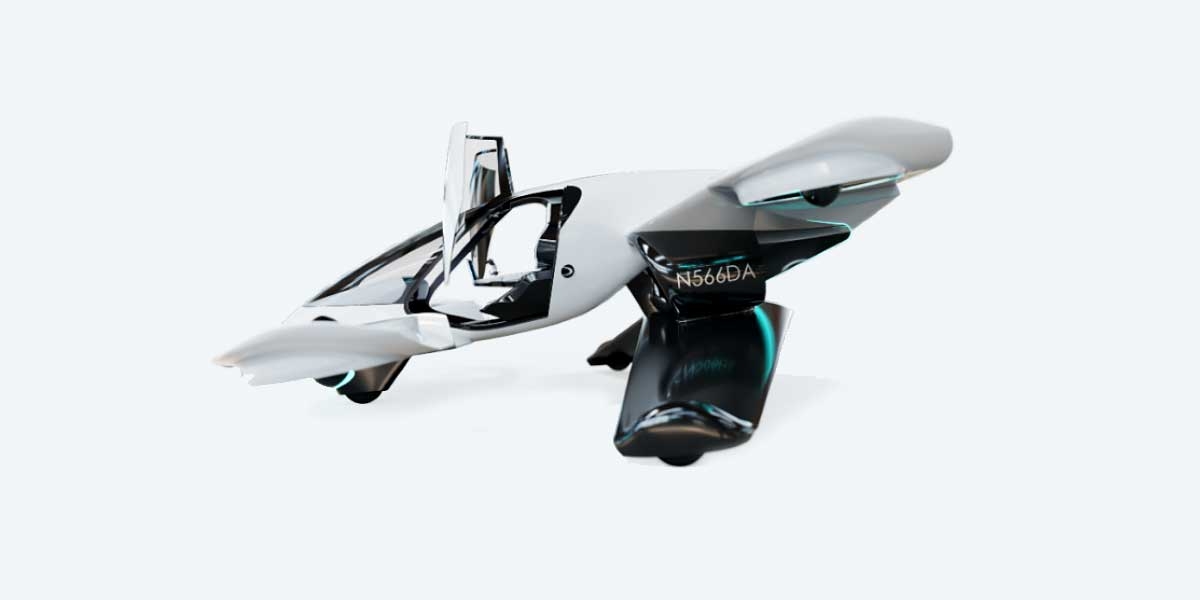
Exterior and Interior photos of Doroni H1-X

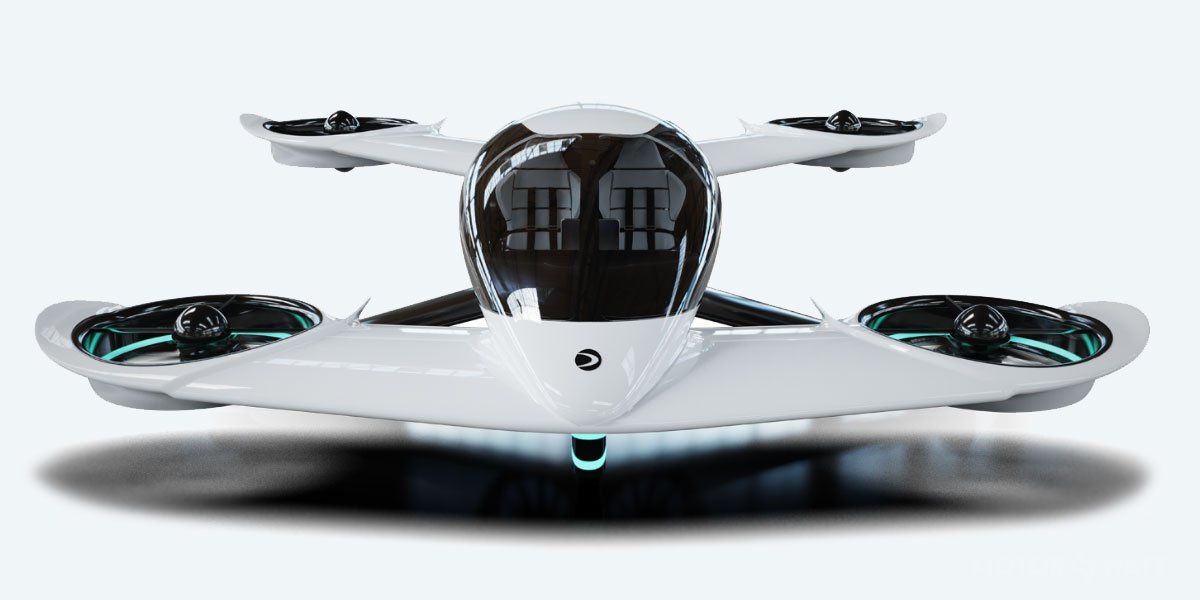


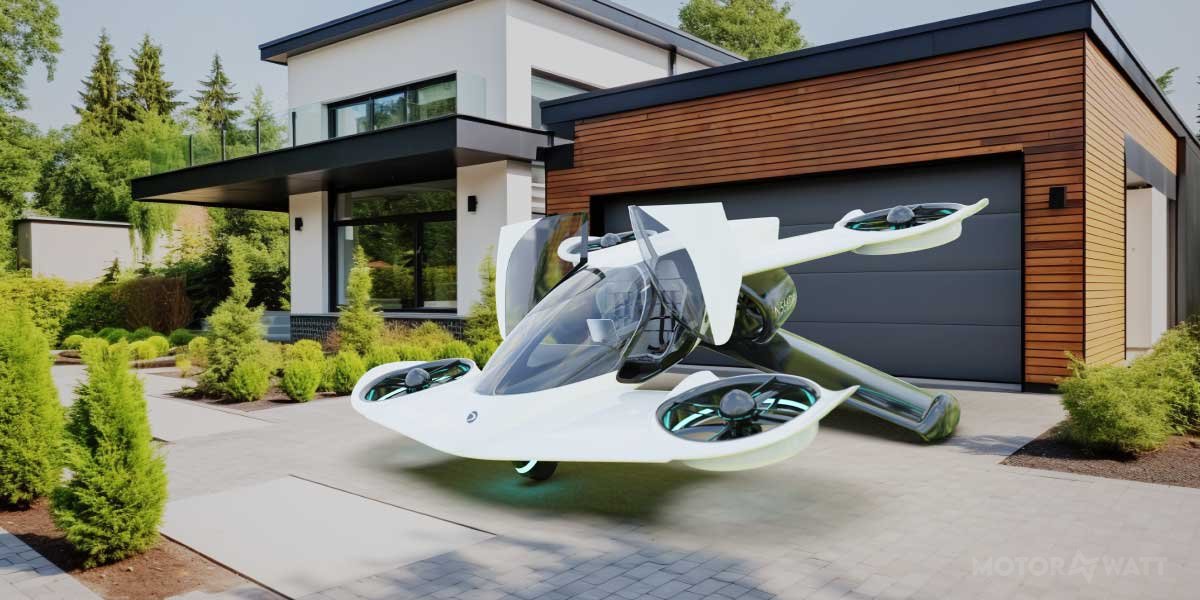
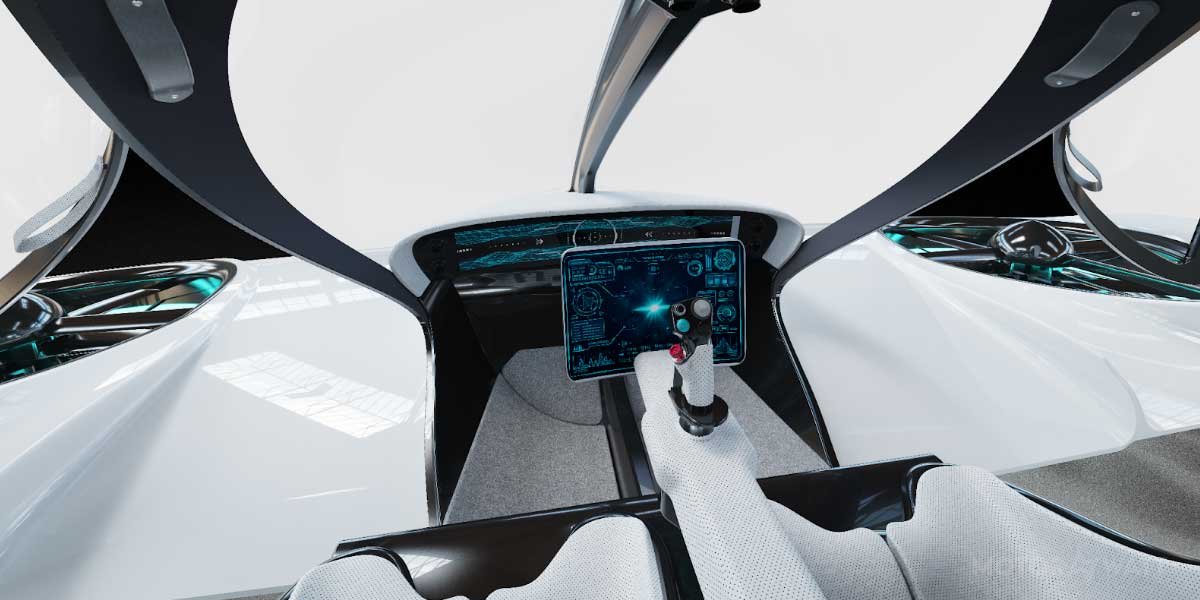
Doroni H1-X Review: Early Impressions & Tech Analysis
Doroni H1-X Introduction:
Doroni H1-X arrives as a personal flying car engineered for the emerging advanced air mobility era. Built in the United States by Doroni Aerospace, this two seat electric vertical takeoff aircraft targets direct consumer ownership. Model year 2026 marks its transition from prototype to certified machine under FAA Special Airworthiness rules. With a 65 kWh battery and total system output of 350 kW, it aims to convert urban gridlock into skybound commuting. Top speed reaches 193 km per hour, equal to 120 mph, while flying range approaches 97 km or 60 miles. Base pricing starts at $350,000 USD (€294,913), placing it alongside exotic sports cars and entry level turbine helicopters. And yes, it fits inside a standard two car garage.
- Manufactured in USA with carbon fiber composite construction for optimal strength to weight ratio.
- Unveiled after extensive manned flight testing ahead of its 2026 consumer launch.
- Features tandem wing architecture and eight ducted fans for distributed electric propulsion.
- Starting at $350,000 USD (€294,913), positioned as a premium electric aircraft for private buyers.
What is the Price of Doroni H1-X in 2026?
The H1-X price starts at $350,000 USD (€294,913). This entry point aligns it with high end sports coupes while delivering private aerial mobility. Higher trims extend pricing toward $450,000 USD (€379,174), reflecting expanded mission capability and customization.
| Trim Level | PRICE | KEY FEATURES |
|---|---|---|
|
Base Model
|
65 kWh battery. 350 kW total output. 97 km 60 mile flying range. Tandem wing configuration with eight ducted fans. Cruise speed 153 km per hour 95 mph.
|
|
|
Personal Commuter Trim
|
Enhanced interior finishes. Upgraded digital interface. Priority delivery allocation. Identical 350 kW propulsion with optimized comfort features.
|
|
|
EMS Public Service Variant
|
Configured for emergency services. Reinforced payload management up to 227 kg 500 lbs. Integrated safety lighting and mission equipment.
|
Each configuration retains the 65 kWh battery pack and DEP architecture. Differences focus on mission profile and interior refinement. Buyers select based on commute pattern and operational intent.
Engine, Battery, and Performance Specs:
Battery & Charging Specifications
The 65 kWh lithium battery anchors the flying range at 97 km, roughly 60 miles. DC fast charging restores energy from 20 percent to 80 percent in about 25 minutes. Cruise speed of 153 km per hour, equal to 95 mph, optimizes energy draw during forward flight. Wing surfaces generate passive lift to conserve stored electricity. And that matters for daily commuting efficiency.
- Battery capacity 65 kWh
- Flying range 97 km 60 miles
- DC charging 20 to 80 percent in 25 minutes
- Total system power 350 kW
Electric Motor Specifications
Eight electric ducted fans provide vertical thrust. Two rear pusher fans handle forward propulsion. Combined output equals 350 kW, translating to approximately 469 horsepower. Distributed electric propulsion increases redundancy and control authority. And fly by wire software stabilizes every axis of motion.
- Total output 350 kW 469 hp
- Eight lift fans integrated in wing structures
- Two pusher fans for cruise thrust
- DEP architecture for enhanced safety
Performance Specifications
Top speed peaks at 193 km per hour, or 120 mph. Cruise stabilizes at 153 km per hour. Flight endurance reaches 45 minutes under optimal conditions. Curb weight stands at 839 kg, equal to 1,850 lbs. Payload capacity totals 227 kg or 500 lbs for two occupants and gear.
- Top speed 193 km per hour 120 mph
- Cruise speed 153 km per hour 95 mph
- Flight time 45 minutes
- Max payload 227 kg 500 lbs
For private owners, advantages center on time savings and aerial autonomy. Commutes shrink dramatically. Infrastructure demands remain minimal. And garage storage simplifies ownership.
Exterior and Interior Features
Exterior Design
The exterior silhouette reflects aerodynamic intent. Tandem wing layout distinguishes it from multicopter rivals. Carbon fiber composites maintain rigidity while limiting weight to 839 kg. Wingspan measures 5.55 meters, length extends to 4.88 meters, and height reaches 1.90 meters. LED matrix lighting enhances visibility in urban air corridors. Ducted fans reduce acoustic footprint and improve safety around ground personnel.
Interior & Technology
The cockpit seats two occupants side by side. A digital interface powered by SOUL.AI delivers telemetry and terrain mapping. Control relies on a single joystick linked to fly by wire architecture. Sustainable Alcantara and reinforced polymers trim the cabin. And a ballistic parachute system stands ready for emergency descent.
Exterior efficiency pairs with an intuitive cabin layout. Owners gain advanced digital control without aviation complexity. Daily use feels closer to driving than piloting.
Pros and Cons:
Pros
- Garage compatible dimensions
- 350 kW DEP propulsion redundancy
- Fast 25 minute DC charging
- FAA Light Sport classification pathway
Cons
- Limited 97 km 60 mile flying range
- High entry price over $350,000 USD
- Two passenger capacity only
Market position & Expert Data:
Advanced Air Mobility investment exceeded $8 billion globally in 2025, according to Reuters. Consumer focused eVTOL programs attract heightened regulatory attention in the United States. Research from McKinsey estimates urban air mobility could reach a $35 billion market by 2035. Within that forecast, private ownership occupies a niche segment yet commands premium margins.
According to analysis in Harvard Business Review, regulatory clarity remains the catalyst for adoption. FAA MOSAIC rules reduce pilot training hours to roughly 20. That threshold expands the buyer pool considerably. And private aerial commuting gains cultural traction among technology professionals and entrepreneurs.
Conclusion:
Doroni H1-X stands at the intersection of luxury mobility and electric aviation. A 65 kWh battery and 350 kW propulsion system deliver credible 97 km range and 193 km per hour speed. Pricing from $350,000 USD (€294,913) positions it alongside exotic road cars while offering vertical freedom. For early adopters seeking skyborne commuting in 2026, few options appear as focused or as personal.
Watch the Video Overview


Full specifications
Model Specs
| Specification | Actual Data |
|---|---|
|
Model Name
|
H1-X
|
|
Model Year
|
2026
|
|
Manufacturer
|
Doroni Aerospace
|
|
Country of Origin
|
United States
|
|
Vehicle Class
|
Advanced Air Mobility personal eVTOL
|
|
Seating Capacity
|
2 passengers
|
Performance
| Specification | Actual Data |
|---|---|
|
Power Type
|
Electric
|
|
Total System Power
|
350 kW (469 hp)
|
|
Propulsion Architecture
|
Distributed electric propulsion with ducted fans
|
|
Vertical Lift Fans
|
8 electric ducted fans
|
|
Forward Propulsion
|
2 rear pusher fans
|
|
Top Speed
|
193 km/h (120 mph)
|
|
Cruise Speed
|
153 km/h (95 mph)
|
|
Flight Endurance
|
45 minutes
|
Battery and Charging
| Specification | Actual Data |
|---|---|
|
Battery Capacity
|
65 kWh
|
|
Fast Charging Type
|
DC fast charging
|
|
Fast Charging Time
|
20 percent to 80 percent in 25 minutes
|
Estimated Range Data
| Specification | Actual Data |
|---|---|
|
Estimated Flying Range
|
97 km (60 miles)
|
|
Range Basis
|
Estimated under optimal conditions
|
Body Specifications
| Specification | Actual Data |
|---|---|
|
Length
|
4.88 m (16.0 ft)
|
|
Width
|
5.55 m wingspan (18.2 ft)
|
|
Height
|
1.90 m (6.2 ft)
|
|
Curb Weight
|
839 kg (1,850 lbs)
|
|
Max Payload
|
227 kg (500 lbs)
|
Exterior Design Features
| Specification | Actual Data |
|---|---|
|
Wing Configuration
|
Patented tandem wing design
|
|
Primary Structure
|
Carbon fiber composite fuselage
|
|
Rotor Safety Design
|
Ducted fans integrated within wings
|
|
Lighting System
|
LED matrix navigation and landing lighting
|
Interior Design and Materials
| Specification | Actual Data |
|---|---|
|
Seating Layout
|
Two seat side by side cockpit
|
|
Cabin Theme
|
Minimalist automotive inspired layout
|
|
Seat Materials
|
Recycled Alcantara and reinforced polymers
|
Cabin Technical Features
| Specification | Actual Data |
|---|---|
|
Control System
|
Single joystick fly by wire control
|
|
Software Platform
|
SOUL.AI telemetry and 3D terrain mapping
|
|
Connectivity
|
5G connectivity with OTA updates and remote diagnostics
|
|
Safety Sensors
|
360 degree anti collision sensor array
|
|
Emergency System
|
Ballistic parachute system
|
F.A.Q. about Doroni H1-X
What is the price in the USA for a personal flying car?
The Doroni H1-X starts at $350,000 USD (€294,913) for the base trim in the United States. Higher configurations rise to $400,000 (€337,044) and $450,000 (€379,174) depending on mission profile and equipment.
- Base model targets private commuter buyers
- Premium trims focus on comfort or public service use
- Positioned against luxury sports cars and light helicopters
What is the battery capacity and usable energy for this electric aircraft?
The H1-X uses a 65 kWh battery pack that supports up to 45 minutes of flight time. Energy management software optimizes output during cruise to extend practical flying range.
- Battery capacity 65 kWh
- Optimized for vertical lift and cruise efficiency
- Designed for urban air mobility commuting
What is the real world flying range on a single charge?
The H1-X delivers up to 97 km or about 60 miles of flying range under optimal conditions. Actual range varies with payload, wind, and cruising speed.
- Cruise speed 153 km per hour 95 mph favors efficiency
- Higher speeds reduce total range
- Weather conditions influence energy consumption
How long does fast charging take for an advanced air mobility vehicle?
Using DC fast charging, the Doroni H1-X recharges from 20 percent to 80 percent in about 25 minutes. Full charging time depends on power source and infrastructure setup.
- Compatible with high output DC systems
- Designed for rapid turnaround between flights
- Home charging possible with proper electrical installation
How does distributed electric propulsion improve safety in an eVTOL aircraft?
Distributed electric propulsion uses multiple motors and ducted fans to maintain control authority. Even if several motors lose output, remaining units stabilize the aircraft during flight.
- Eight lift fans integrated into wing structures
- Two rear pusher fans for forward propulsion
- Redundancy increases operational confidence
What pilot certification is required in the United States?
Under the FAA Light Sport Aircraft framework, pilots may qualify with approximately 20 hours of training. That pathway lowers the barrier for private aerial transport ownership.
- Classified within MOSAIC regulatory framework
- Focused on simplified pilot training
- Designed for consumer friendly operation
Can a personal flying vehicle fit in a standard residential garage?
Yes. The compact footprint measures 4.88 meters in length, 5.55 meters in wingspan, and 1.90 meters in height. Those dimensions allow storage in a typical two car garage.
- Carbon fiber fuselage keeps weight at 839 kg 1,850 lbs
- Designed for integration into residential infrastructure
- Supports private ownership model
What environmental benefits come with electric vertical takeoff aircraft?
Electric propulsion eliminates direct fuel combustion and reduces local emissions during operation. Ducted fan architecture lowers acoustic impact compared to traditional rotorcraft.
- Zero tailpipe emissions during flight
- Reduced urban noise footprint
- Supports sustainable advanced air mobility goals
Is long distance travel practical with a 45 minute flight endurance?
With 45 minutes of flight time and up to 97 km range, regional commuting works efficiently. Longer journeys require planned charging stops and favorable weather conditions.
- Ideal for metropolitan travel corridors
- Cruise speed 153 km per hour 95 mph
- Best suited for short to mid range aerial transport