Eve Air Mobility eVTOL 2027: Price, Range, and Technical Specs
Eve Air Mobility eVTOL is a 2027 electric vertical take off and landing aircraft designed for urban air taxi operations. It features a 120 kWh battery, 100 km range, 35 minute flight time, and top speed of 200 km/h. Seating five passengers including the pilot, it uses a lift plus cruise configuration with eight rotors and a rear propeller, targeting cost efficient, low noise city transport.


| Starting Price | $3,000,000 |
| Model Year | 2027 |
| Country of Manufacturing | Brazil |
| Flying Range | 62 mi |
| Flying Time | 35 min |
| Battery Size | 120 kWh |
* Minimum price set for the base trim by the manufacturerr, excluding taxes and additional options

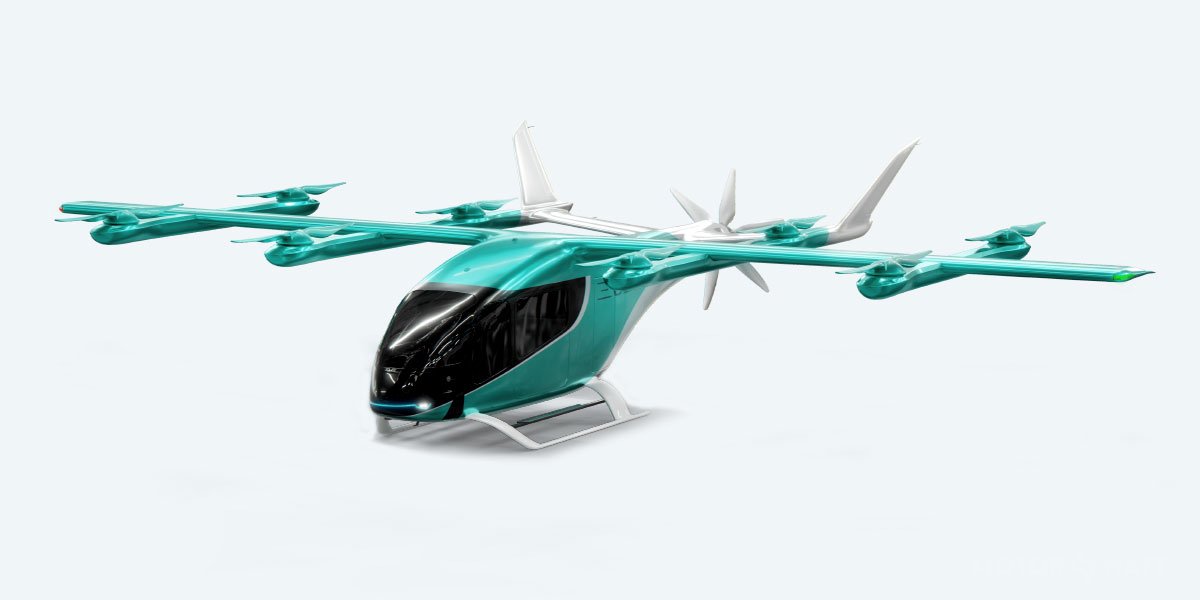
Exterior and Interior photos of Eve Air Mobility eVTOL 2027


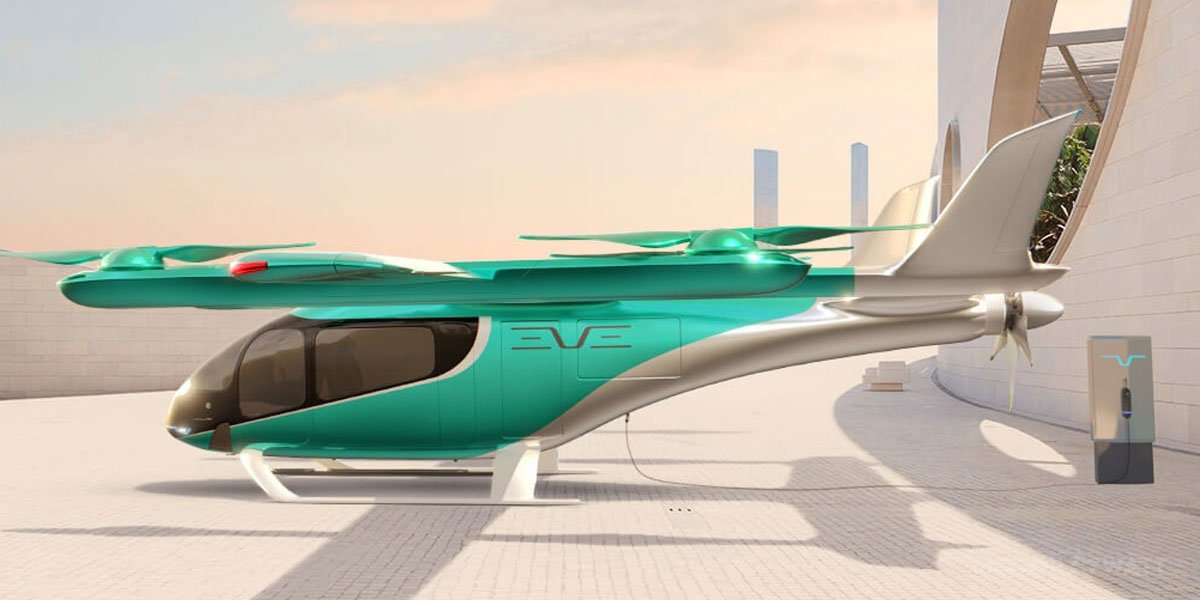
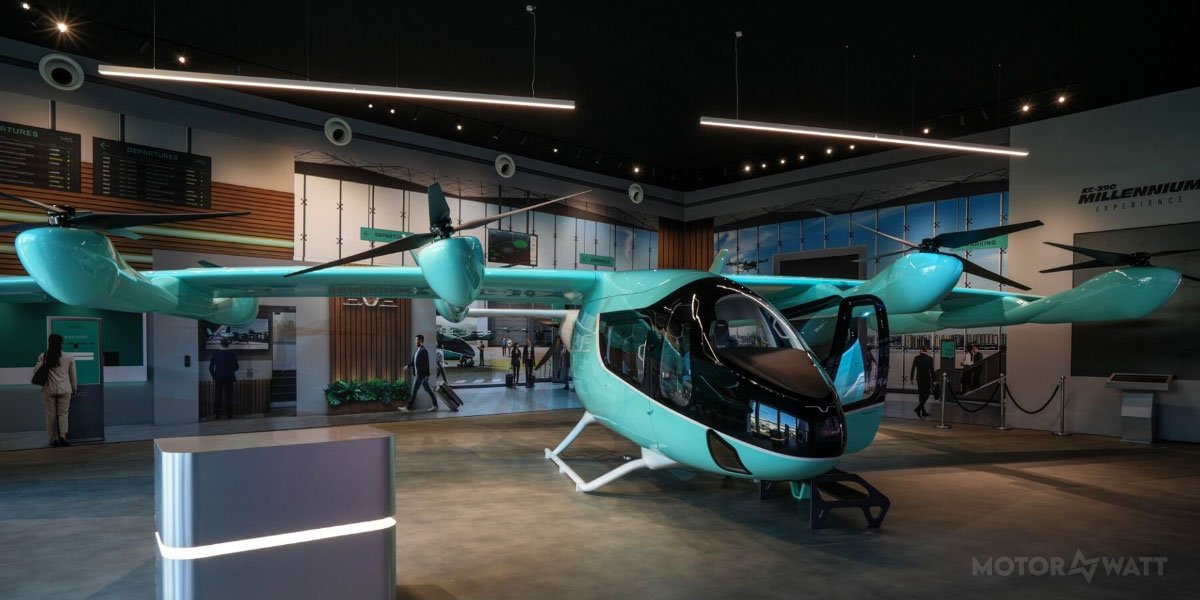
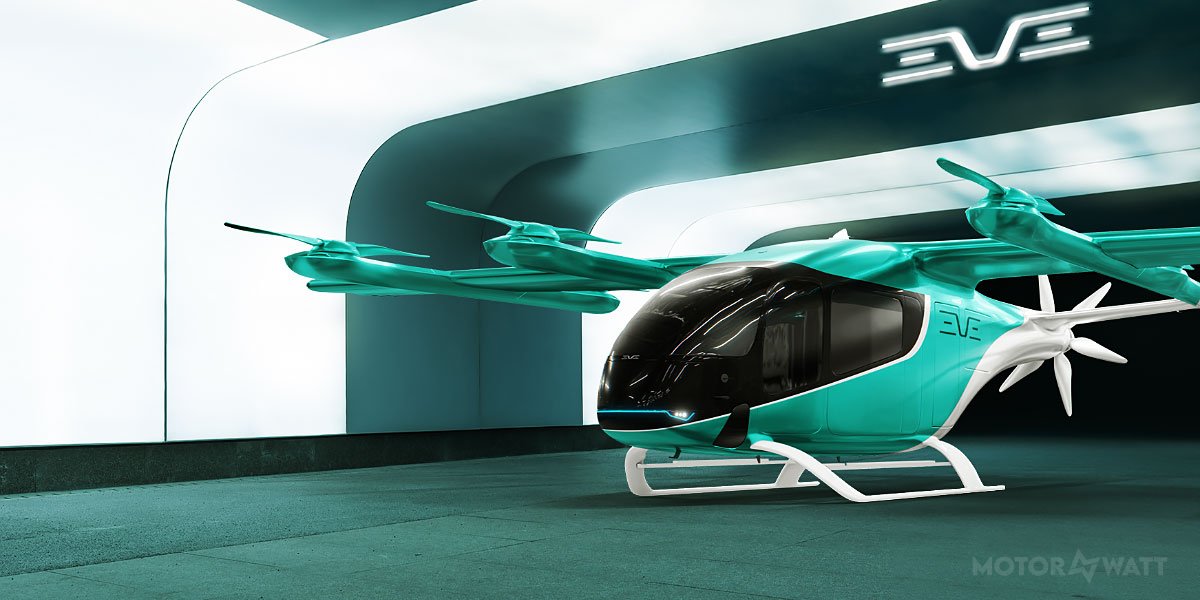
Eve Air Mobility eVTOL 2027 Review: Early Impressions & Tech Analysis
Eve Air Mobility eVTOL Introduction:
Eve Air Mobility eVTOL enters the urban sky in 2027 with a clear agenda. It targets the fast growing urban air mobility aircraft segment with a practical electric vertical take off and landing platform. Developed in Brazil and backed by Embraer expertise, it focuses on certification simplicity and operator economics. The aircraft seats five occupants including the pilot and carries up to 100 kg of cargo. A 120 kWh battery supports short hop city routes up to 100 km, equal to 62 miles. Top speed reaches 200 km/h, about 124 mph. And that performance positions it squarely in the electric air taxi market for dense metropolitan corridors.
- Manufactured in Brazil with Embraer aviation support and global certification plans.
- Expected release in 2027 following FAA and EASA approval processes.
- Base trim price starts at $3,000,000 USD (€2,531,250) targeting commercial operators.
- Lift plus cruise design with eight lift rotors and rear pusher propeller.
- Focus on low noise electric aircraft operations for urban acceptance.
What is the Price of Eve Air Mobility eVTOL in 2027?
The Eve Air Mobility eVTOL price starts at $3,000,000 USD (€2,531,250). That figure applies to the base piloted configuration and positions the aircraft as a cost efficient alternative to light helicopters in the urban air taxi sector. A future autonomous configuration is estimated at $3,500,000 USD (€2,953,125), reflecting advanced systems integration and expanded automation.
| Trim Level | PRICE | KEY FEATURES |
|---|---|---|
|
Base Piloted Configuration
|
Lift plus cruise architecture with eight dedicated lift rotors and rear pusher propeller. 120 kWh battery supports 100 km range, about 62 miles. Top speed reaches 200 km/h, equal to 124 mph. Five seat layout including pilot. DC fast charging estimated at 30 minutes for rapid turnaround.
|
|
|
Future Autonomous Configuration
|
Autonomous flight systems with enhanced digital redundancy. Advanced collision avoidance and air traffic integration software. Same 120 kWh battery and 100 km operational range. Optimized for fleet scale urban operations with reduced pilot dependency.
|
Both trims emphasize operational economics and simplified maintenance. The 120 kWh battery balances energy density with weight control at 1500 kg, about 3307 pounds. Operators benefit from low energy cost per seat mile compared to turbine helicopters. And the autonomous version prepares fleets for next phase urban deployment.
Engine, Battery, and Performance Specs:
Battery & Charging Specifications
The 120 kWh lithium battery anchors the aircraft’s electric propulsion strategy. It delivers an estimated flying range of 100 km, around 62 miles, tailored for intra city missions. Flying time reaches 35 minutes under standard conditions. Charging time is estimated at 1 hour on AC infrastructure and roughly 30 minutes using DC fast charging. And that rapid cycle supports high utilization in fleet operations.
- Battery capacity 120 kWh
- Range 100 km or 62 miles
- Flight time 35 minutes
- Charging 1 hour AC 30 minutes DC
Electric Motor Specifications
Distributed electric propulsion generates approximately 1000 kW, equivalent to 1341 horsepower. Eight lift rotors manage vertical takeoff and landing while a rear pusher propeller handles forward thrust. Flight altitude reaches 1000 meters, about 3280 feet. The lift plus cruise layout enhances redundancy and simplifies certification pathways. And electric torque delivery remains immediate, aiding precise hover control.
- Total power estimated 1000 kW or 1341 hp
- Eight lift rotors plus rear pusher propeller
- Maximum altitude 1000 m or 3280 ft
- Curb weight 1500 kg or 3307 lb
Performance Specifications
Top speed reaches 200 km/h, around 124 mph, supporting quick cross city travel. The lift plus cruise transition remains smooth and stable. Distributed propulsion improves handling during gusty urban wind patterns. Energy management software maximizes each kilowatt hour for predictable scheduling. And pilots benefit from reduced workload thanks to advanced autopilot functions.
- Top speed 200 km/h or 124 mph
- Flight endurance 35 minutes
- Five seat capacity including pilot
- Cargo capacity 100 kg or 220 lb
Urban operators gain a focused tool for dense corridors. Short range aligns with true city missions. Electric propulsion lowers acoustic footprint and fuel cost. And certification simplicity supports scalable deployment.
Exterior and Interior Features
Exterior Design
The exterior reflects a pragmatic lift plus cruise configuration. Fixed wings generate efficient forward lift, while overhead booms support eight lift rotors. A rear pusher propeller completes the propulsion system. Length measures 10.3 meters, about 33.8 feet. Wingspan extends to 15.2 meters, nearly 49.9 feet. Height stands at 3.3 meters, around 10.8 feet. LED navigation lighting integrates into wingtips and fuselage for visibility. Carbon fiber composites reduce mass and improve aerodynamic efficiency. And low noise rotor design supports community integration in dense cities.
Interior & Technology
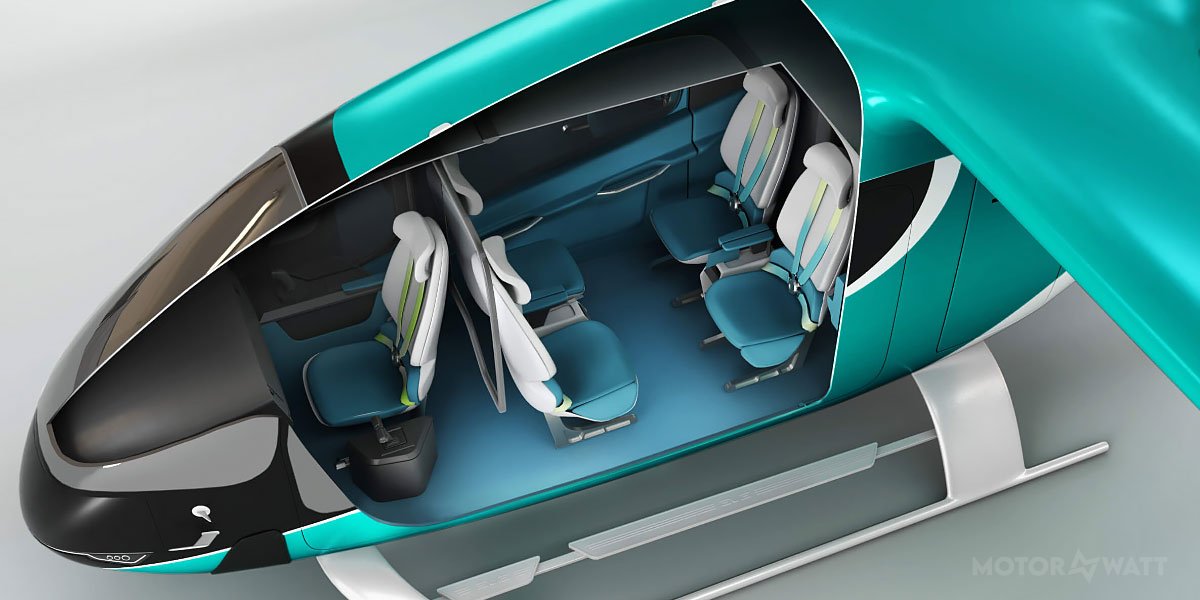
The cockpit features fly by wire controls with high resolution touchscreens. Redundant digital displays provide real time flight data. Connectivity integrates with urban air traffic management systems. Passenger seating accommodates four occupants plus pilot with ergonomic lightweight materials. Cabin layout supports quick boarding through wide doors and accessible step heights. Wireless charging ports enhance short flight convenience. And collision avoidance systems draw from Embraer aviation standards for safety credibility.
Exterior efficiency and interior clarity work together. Operators gain an aircraft that fits existing heliports. Passengers experience quiet electric flight with modern digital interfaces. And city planners see a platform designed for integration rather than disruption.
Pros and Cons:
Pros
- Cost efficient alternative to helicopters at $3,000,000 USD (€2,531,250)
- Low noise electric propulsion suitable for urban deployment
- 120 kWh battery with 100 km city optimized range
- Strong order backlog exceeding 2800 units
- Backed by Embraer aerospace expertise
Cons
- Range limited to intra city missions
- Certification timeline dependent on FAA and EASA approval
- High acquisition cost for smaller operators
- Autonomous configuration remains future focused
Market position & Expert Data:
Urban air mobility continues to expand rapidly in 2026. According to Reuters, global investment in advanced air mobility surpassed $8 billion in recent funding rounds. The Eve Air Mobility eVTOL holds an order backlog exceeding 2800 units, signaling operator confidence. Research shows demand concentrates in high density cities such as Los Angeles, New York, Berlin, and London.
According to McKinsey, urban air taxi services could represent a multibillion dollar market by 2030 with annual growth above 25 percent. Data reveals operators prioritize simplified certification pathways and cost per seat mile metrics. The lift plus cruise design supports that economic argument. And regulatory alignment with FAA and EASA frameworks strengthens entry prospects in the USA, Germany, and the United Kingdom.
Industry analysts note that electric air taxi acceptance improves when acoustic output decreases below conventional rotorcraft thresholds. According to Harvard Business Review, urban residents favor quieter transport options with reduced emissions. The aircraft’s electric architecture directly addresses those concerns while aligning with municipal sustainability goals.
Conclusion:
Eve Air Mobility eVTOL stands ready for dense city corridors in 2027. It delivers 100 km range, 200 km/h speed, and a 120 kWh battery in a focused five seat layout. Operators gain lower acoustic output and simplified maintenance economics. And with Embraer backing and a 2800 plus unit backlog, market confidence remains strong as certification approaches.
Watch the Video Overview


Full specifications
Model Specs
| Specification | Actual Data |
|---|---|
|
Model Name
|
Eve Air Mobility eVTOL
|
|
Model Year
|
2027
|
|
Vehicle Class
|
Urban Air Mobility Aircraft
|
|
Body Style
|
Lift plus cruise eVTOL configuration
|
|
Manufacturer
|
Eve Air Mobility
|
|
Country of Origin
|
Brazil
|
Performance
| Specification | Actual Data |
|---|---|
|
Power Type
|
Full Electric Propulsion
|
|
Total Power Output
|
1000 kW (1341 hp)
|
|
Propulsion Layout
|
Eight lift rotors plus rear pusher propeller
|
|
Maximum Speed
|
200 km/h (124 mph)
|
|
Maximum Flight Altitude
|
1000 m (3280 ft)
|
Battery and Charging
| Specification | Actual Data |
|---|---|
|
Battery Capacity
|
120 kWh
|
|
Charging Time AC
|
1 hour (60 minutes)
|
|
Charging Time DC
|
30 minutes
|
Estimated Range Data
| Specification | Actual Data |
|---|---|
|
Estimated Range
|
100 km (62 miles)
|
|
Flight Time
|
35 minutes
|
Body Specifications
| Specification | Actual Data |
|---|---|
|
Length
|
10.3 m (33.8 ft)
|
|
Wingspan
|
15.2 m (49.9 ft)
|
|
Height
|
3.3 m (10.8 ft)
|
|
Curb Weight
|
1500 kg (3307 lb)
|
|
Cargo Capacity
|
100 kg (220 lb) or 490 liters
|
Exterior Design Features
| Specification | Actual Data |
|---|---|
|
Airframe Material
|
Lightweight carbon fiber composites
|
|
Lighting System
|
Integrated LED navigation and anti collision lighting
|
|
Aerodynamic Concept
|
Lift plus cruise with optimized fixed wings
|
Interior Design and Materials
| Specification | Actual Data |
|---|---|
|
Seating Capacity
|
5 occupants including pilot
|
|
Seat Materials
|
Premium lightweight ergonomic materials
|
Cabin Technical Features
| Specification | Actual Data |
|---|---|
|
Flight Control System
|
Fly by wire digital control architecture
|
|
Displays
|
High resolution touchscreen panels with redundant digital displays
|
|
Autopilot and Safety Systems
|
Advanced autopilot with collision avoidance and air traffic integration
|
F.A.Q. about Eve Air Mobility eVTOL 2027
What is the real range on a single charge for an urban air mobility aircraft?
Eve Air Mobility eVTOL offers an estimated 100 km range, about 62 miles, on a full 120 kWh battery charge under standard urban operating conditions.
- Optimized for intra city routes
- Flight time around 35 minutes
- Energy management tuned for dense city corridors
How long does it take to fully charge an electric vertical take off and landing aircraft?
eVTOL requires about 1 hour on AC infrastructure and roughly 30 minutes with DC fast charging, supporting rapid turnaround for commercial fleet operations.
- AC charging estimated at 60 minutes
- DC fast charging about 30 minutes
- Designed for high utilization urban air taxi services
What is the price in the USA for a commercial electric air taxi?
Eve eVTOL starts at $3,000,000 USD (€2,531,250) for the base piloted configuration in the USA, with a future autonomous version estimated at $3,500,000 USD (€2,953,125).
What battery capacity supports advanced air mobility operations?
eVTOL uses a 120 kWh battery system engineered for short hop city commutes and efficient distributed electric propulsion.
- Battery capacity 120 kWh
- Supports 100 km operational range
- Balanced against 1500 kg curb weight
Is this electric air taxi available for purchase in the USA and Europe?
Commercial availability depends on FAA and EASA certification, with entry into select U.S. and European cities expected around 2027 following regulatory approval.
- FAA pathway for U.S. operations
- EASA alignment for Germany and UK markets
- Urban vertiport integration planned
How does electric propulsion performance compare to traditional helicopters?
Distributed electric propulsion delivers instant torque and smoother transitions from vertical lift to forward cruise, reaching 200 km/h or 124 mph while reducing acoustic output.
- Eight lift rotors plus rear pusher propeller
- Estimated 1000 kW or 1341 hp output
- Lower noise footprint in urban environments
How safe are modern electric vertical take off and landing aircraft?
Safety centers on redundant flight control systems, fly by wire architecture, and multiple propulsion backups that support certification under rigorous aviation standards.
- Redundant digital cockpit displays
- Collision avoidance integration
- Distributed electric propulsion redundancy
What are the environmental benefits of an electric urban air mobility aircraft?
Electric propulsion produces zero in flight emissions and significantly lower noise compared to conventional rotorcraft, supporting cleaner and quieter city transport.
- Zero tailpipe emissions
- Reduced acoustic footprint
- Compatible with renewable energy charging
What dimensions and payload capacity define this lift plus cruise design?
The aircraft measures 10.3 meters long, about 33.8 feet, with a 15.2 meter wingspan, nearly 49.9 feet, and supports 100 kg or 220 pounds of cargo alongside five occupants.
- Height 3.3 meters or 10.8 feet
- Curb weight 1500 kg or 3307 lb
- Configured for urban vertiport compatibility