SkyDrive SD-05: Price, Range, and Technical Specs
SkyDrive SD-05 is a compact electric vertical takeoff and landing aircraft developed in Japan for urban air mobility. The 2025 model uses a 50 kWh battery, twelve electric motors producing 180 kW, and reaches 100 km per hour. Flying range reaches 15 km, carrying one pilot and two passengers.

| Starting Price | $1,500,000 |
| Model Year | 2025 |
| Country of Manufacturing | Japan |
| Flying Range | 9 mi |
| Flying Time | 10 min |
| Battery Size | 50 kWh |
* Minimum price set for the base trim by the manufacturerr, excluding taxes and additional options

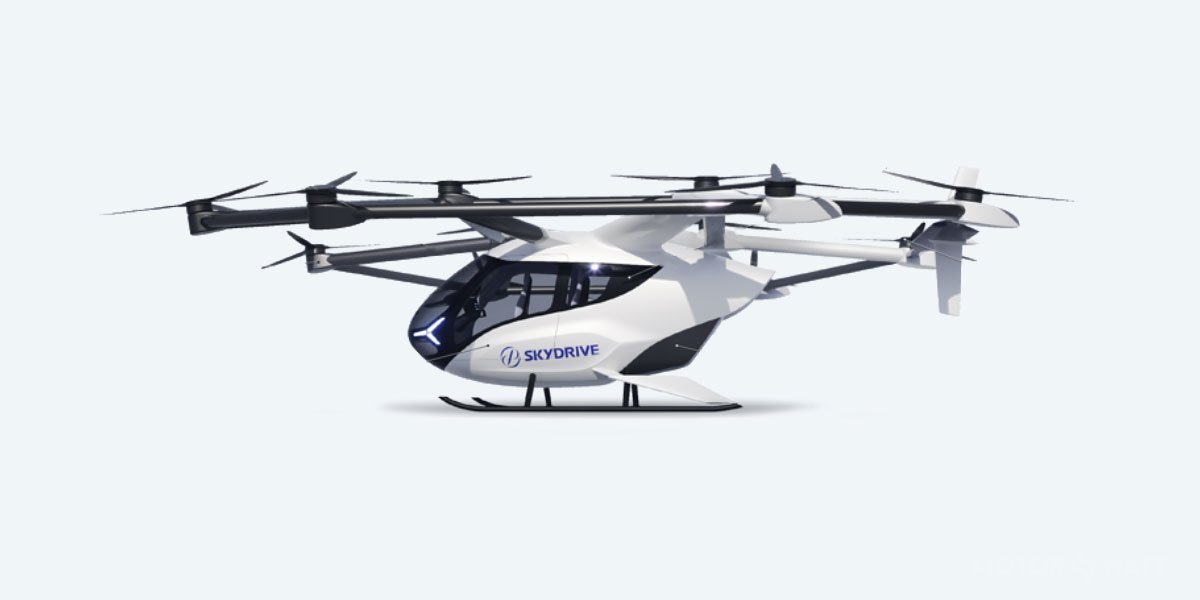
Exterior and Interior photos of SkyDrive SD-05


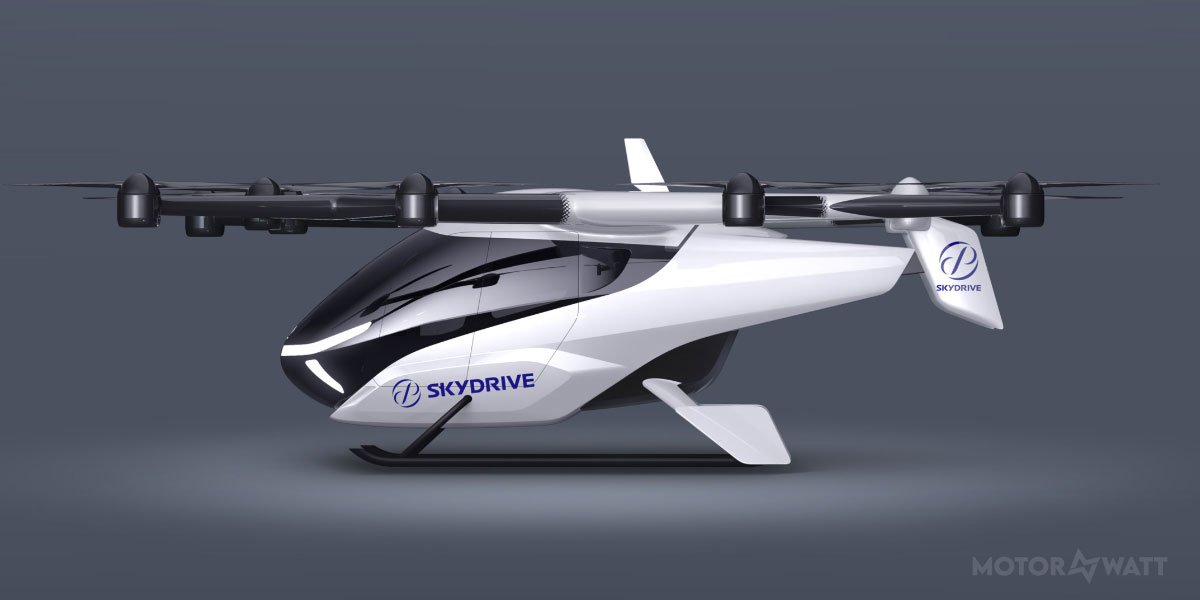
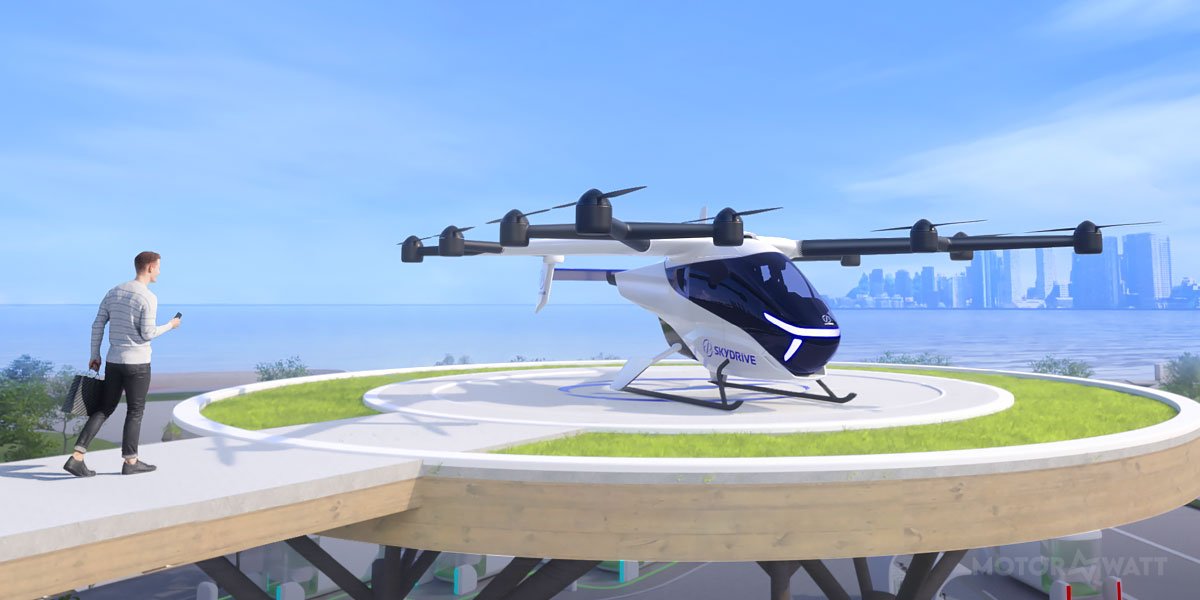
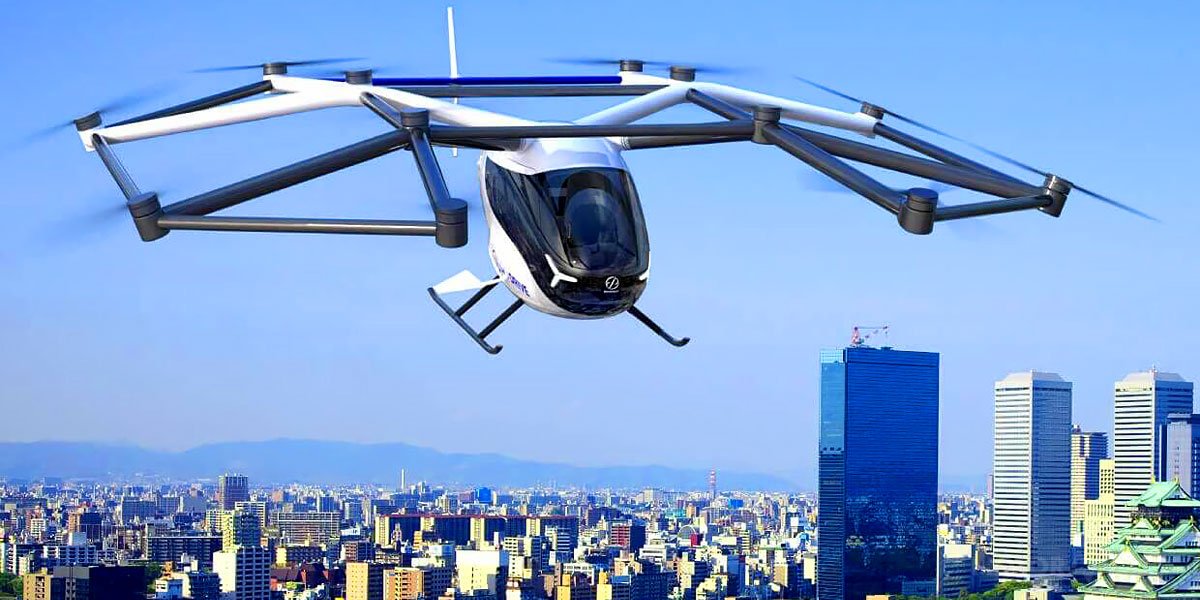
SkyDrive SD-05 Review: Early Impressions & Tech Analysis
SkyDrive SD-05 Introduction:
SkyDrive SD-05 arrives as a compact electric aircraft shaped for dense city skies. Developed in Japan, it enters service as a piloted eVTOL focused on short urban hops. Market positioning favors rooftop access, low noise output, and zero emission flight. A multicopter layout with twelve rotors keeps lift predictable and controlled. Battery power supports brief but purposeful trips across congested metro zones. Pricing places the aircraft among premium urban mobility assets, appealing to operators and collectors alike.
- Manufacturing roots trace back to Japan, with production support from an established automotive partner.
- Public unveiling aligns with growing demand for urban air mobility solutions.
- Design updates emphasize compact dimensions and rooftop compatibility.
- Starting price targets professional operators seeking short range efficiency.
- Market role centers on last mile aerial travel in megacities.
How much does the SkyDrive SD-05 cost?
The SkyDrive SD-05 price starts at $1,500,000 USD ($1,261,140 EUR). Pricing reflects certification demands, electric propulsion hardware, and specialized aviation materials. Cost positioning places the aircraft within the premium urban air taxi segment.
| Trim Level | PRICE | KEY FEATURES |
|---|---|---|
|
Base Configuration
|
Piloted three seat layout. Twelve motor distributed propulsion system rated at 180 kW. Battery capacity near 50 kWh supports urban flights up to 15 km. Compact footprint allows rooftop operations.
|
|
|
Business Fleet Edition
|
Fleet oriented specification. Optimized avionics packages and standardized interiors. Ideal for commercial air taxi operators planning multi unit deployment.
|
|
|
Premium Private Trim
|
Enhanced cabin materials. Advanced sound insulation and customized finishes. Intended for private ownership and executive transport use.
|
Trim selection changes interior finish levels and avionics depth. Core battery capacity, range, and propulsion hardware remain consistent across configurations. Buyers choose trims based on mission profile rather than performance gaps.
Engine, Battery, and Performance Specs:
Battery and Charging Specifications
Energy storage relies on a lithium battery rated up to 50 kWh. Urban missions emphasize quick turnaround rather than extended endurance. DC fast charging restores capacity within 20 to 30 minutes. Typical flight time reaches about 10 minutes, matching last mile transport needs. Effective flying range measures roughly 15 km or about 9.3 miles.
- Battery capacity up to 50 kWh
- Flying range 15 km or 9.3 miles
- Flight time about 10 minutes
- DC charging time 20 to 30 minutes
Electric Motor Specifications
Propulsion comes from twelve electric motors mounted on an overhead boom system. Each motor contributes roughly 15 kW, delivering a combined output near 180 kW or about 241 horsepower. Distributed electric propulsion improves redundancy and stability. Multirotor control software balances thrust continuously during hover and cruise.
- Twelve electric motors
- Total output about 180 kW or 241 hp
- Distributed electric propulsion layout
Performance Specifications
Maximum speed reaches 100 km per hour or about 62 mph. Operational altitude limits remain near 5 meters for urban corridors. Curb weight sits near 1,100 kg or 2,425 pounds, while maximum takeoff weight reaches 1,400 kg or 3,086 pounds. Payload capacity supports two passengers plus pilot and light cargo.
- Top speed 100 km per hour or 62 mph
- Maximum takeoff weight 1,400 kg or 3,086 lb
- Passenger capacity three occupants
Advantages center on low noise output near 65 dB and precise vertical control. Urban operators gain flexibility unavailable to larger regional eVTOL aircraft.
Exterior and Interior Features
Exterior Design
Exterior styling follows a Pearl White Swallow theme inspired by avian aerodynamics. Carbon fiber reinforced plastic and aluminum alloys reduce mass while preserving strength. Twelve rotors mount above the fuselage for clear airflow. LED navigation lighting improves visibility during low altitude operations. Compact dimensions near 11.5 meters in length allow rooftop compatibility.
Interior and Technology
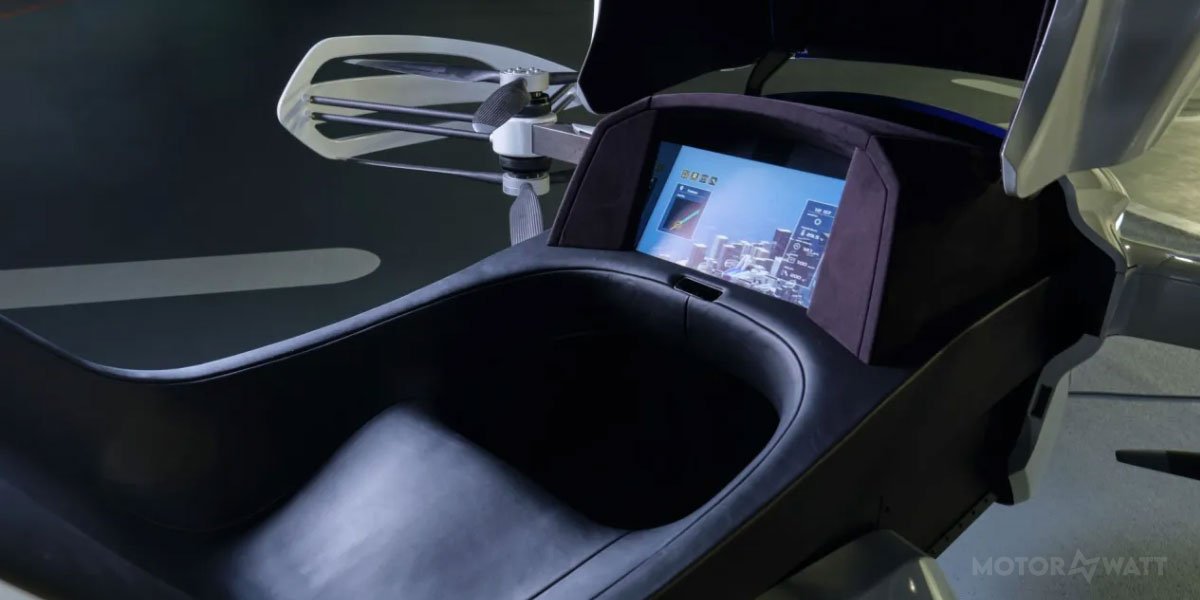
Cabin layout places one pilot up front with two passengers seated side by side behind. Panoramic windows surround the cabin, delivering wide city views. Avidyne Quantum avionics present digital flight data with clean graphics. Sound dampening materials soften rotor noise during hover. Synthetic upholstery supports durability and easy maintenance.
Interior and exterior integration favors urban comfort. Short flights feel composed and controlled rather than industrial or harsh.
Pros and Cons:
Pros
- Compact footprint suited for rooftop vertiports
- Low noise profile for dense urban areas
- Zero emission electric propulsion
- Redundant twelve motor configuration
- Fast charging turnaround
Cons
- Limited flying range focused on short hops
- High acquisition cost
- Payload capacity remains modest
Market position and Expert Data:
Urban air mobility markets continue steady expansion during 2025. Research shows compact eVTOL aircraft gain favor for rooftop compatibility. According to Reuters, certification progress remains the primary adoption driver for piloted designs. Data reveals short range air taxis attract early commercial interest due to simplified infrastructure requirements.
According to McKinsey, urban air taxi demand may exceed 30 percent annual growth through the late 2020s. A senior aerospace analyst at McKinsey notes piloted eVTOL platforms offer regulatory clarity in Western markets. Japanese manufacturing support strengthens production scalability and quality control.
Conclusion:
SkyDrive SD-05 stands as a focused urban mobility tool built for short aerial hops. Compact size, electric propulsion, and low noise output shape its appeal. Pricing suits professional operators seeking city centered deployment. For dense metropolitan corridors, the aircraft delivers purpose built efficiency.
Watch the Video Overview


Full specifications
Model Specs
| Specification | Actual Data |
|---|---|
| Model Name | SkyDrive SD-05 |
| Model Year | 2025 |
| Country of Origin | Japan |
| Manufacturer | SkyDrive Inc. |
| Vehicle Class | Urban air mobility eVTOL |
Performance
| Specification | Actual Data |
|---|---|
| Powertrain | Distributed electric propulsion |
| Total Output | 180 kW 241 hp |
| Top Speed | 100 kmh 62 mph |
| Flight Altitude | 5 m 16.4 ft |
Battery and Charging
| Specification | Actual Data |
|---|---|
| Battery Capacity | 50 kWh |
| Charging Type | DC fast charging |
| Charging Time | 20 to 30 minutes |
Estimated Range Data
| Specification | Actual Data |
|---|---|
| Urban Flying Range | 15 km 9.3 miles |
| Flight Duration | 10 minutes |
Body Specifications
| Specification | Actual Data |
|---|---|
| Length | 11.5 m 37.7 ft |
| Width | 11.3 m 37.1 ft |
| Height | 3.0 m 9.8 ft |
| Maximum Takeoff Weight | 1,400 kg 3,086 lb |
Exterior Design Features
| Specification | Actual Data |
|---|---|
| Exterior Theme | Pearl White Swallow |
| Lighting | Full LED navigation lighting |
| Structure | Carbon fiber reinforced plastic and aluminum |
Interior Design and Materials
| Specification | Actual Data |
|---|---|
| Seating Capacity | 3 occupants |
| Cabin Layout | Pilot plus two passengers |
| Materials | Synthetic premium aviation materials |
Cabin Technical Features
| Specification | Actual Data |
|---|---|
| Avionics System | Avidyne Quantum digital cockpit |
| Flight Assistance | Computer assisted stabilization |
| Noise Level | Approx. 65 dB |
F.A.Q. about SkyDrive SD-05
What battery capacity supports urban air mobility flights?
SkyDrive SD-05 uses a lithium battery rated up to 50 kWh, optimized for short range electric aviation and rapid turnaround between flights.
What flying range fits last mile aerial transport?
SkyDrive SD-05 delivers a practical flying range of about 15 km or 9.3 miles, designed specifically for dense city corridors.
- Short urban hops prioritize efficiency
- Low altitude routes limit energy demand
- Compact missions support rapid charging cycles
How long does fast charging take between flights?
DC fast charging restores battery capacity in roughly 20 to 30 minutes, supporting frequent urban air taxi operations.
How many passengers can an urban eVTOL carry?
SkyDrive SD-05 carries one pilot and two passengers, balancing payload efficiency with a compact cabin footprint.
What top speed suits city air taxi routes?
Maximum speed reaches about 100 km per hour or 62 mph, matching safe and controlled urban airspace requirements.
Is piloted electric flight quieter than helicopters?
Distributed electric propulsion limits noise output to around 65 dB, similar to a normal conversation in city environments.
What is the purchase price in the United States?
SkyDrive SD-05 starts at $1,500,000 USD ($1,261,140 EUR), positioning it as a premium asset for urban air mobility operators.
Is availability planned for the USA and Europe?
Certification efforts focus on Japan and North America first, with European market entry planned after regulatory alignment.
What maintenance advantages come with electric aviation?
Electric motors reduce mechanical complexity, lowering routine maintenance demands compared with turbine based aircraft.