

Overview
BYD C9 brings quiet regional capacity
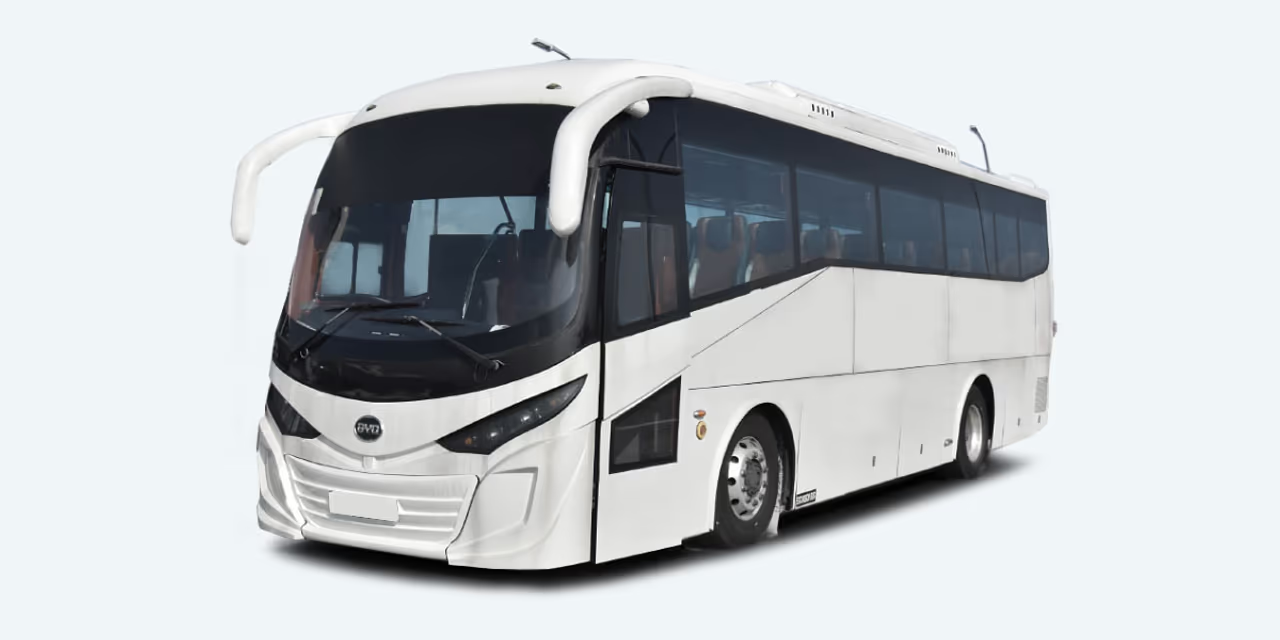
The 2015 BYD C9 from BYD Buses suits operators moving many passengers across urban, suburban and regional routes. Its main appeal is practical electric operation, with room for scheduled service and cleaner daily running.
Designed for scheduled passenger work
A coach layout with forty nine seats supports shuttles, parks and mid-distance intercity duties. The two-plus-two seating arrangement, overhead racks and climate control keep the cabin focused on useful passenger service. A low-floor option can ease boarding.
Electric range rewards route discipline
The C9 works best on planned loops and depot-based schedules. Its battery supports regional operation, while regenerative braking can return energy during stop-and-go work. Operators should match route length, terrain and passenger load with charging plans.
Safety and service life matter here
The lithium iron phosphate battery chemistry brings supported thermal stability, safety and longevity. Reported charging-cycle durability supports long service planning. Twin electric motors provide quiet, steady travel suited to city corridors and regional limits.
Who should seriously look at the BYD C9 2015?
Shortlist BYD C9 if predictable routes, passenger capacity, low noise and electric fleet goals matter most. Buyers needing long cross-country travel without charging stops may prefer a diesel coach or another route strategy. BYD Buses gives operators a purpose-built option, rather than a speculative experiment.
Pros and Cons
- Forty nine-seat capacity supports scheduled passenger operations
- Quiet electric drive suits urban and regional corridors
- Battery chemistry supports thermal stability and long service
- Low-floor option can ease passenger access
- Route planning matters for longer journeys
- Charging access shapes operational flexibility
- Cross-country buyers may prefer diesel coach range