
Overview
BYD K7M ER 30' ELECTRIC BUS suits demanding transit routes
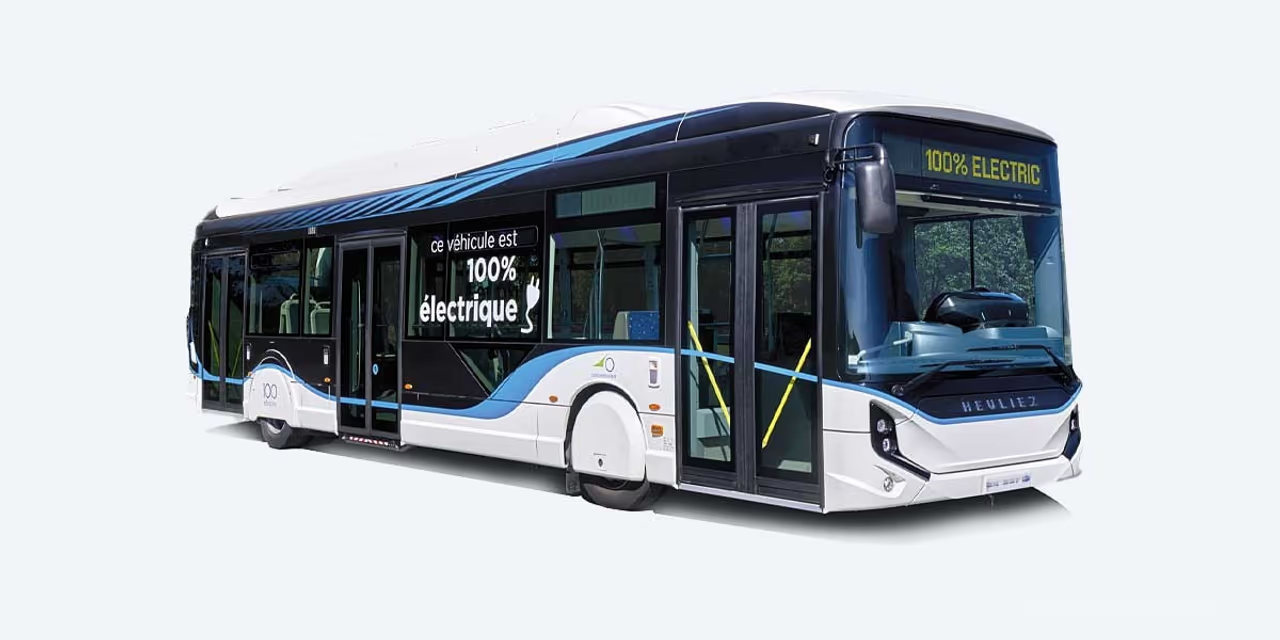
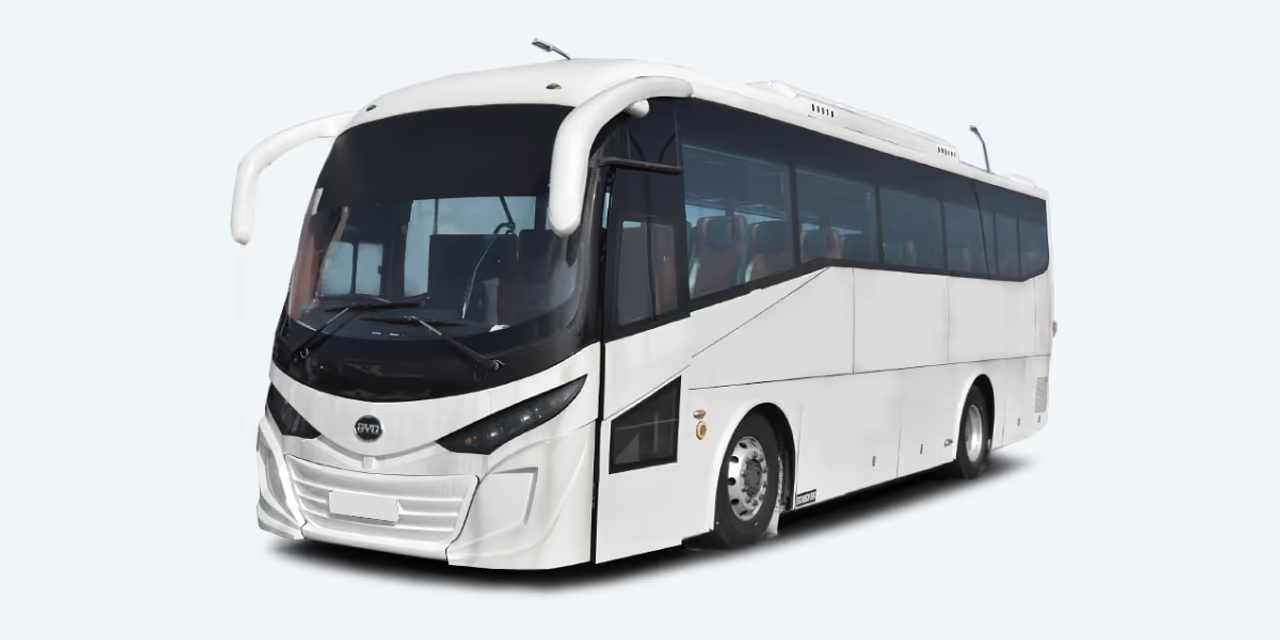
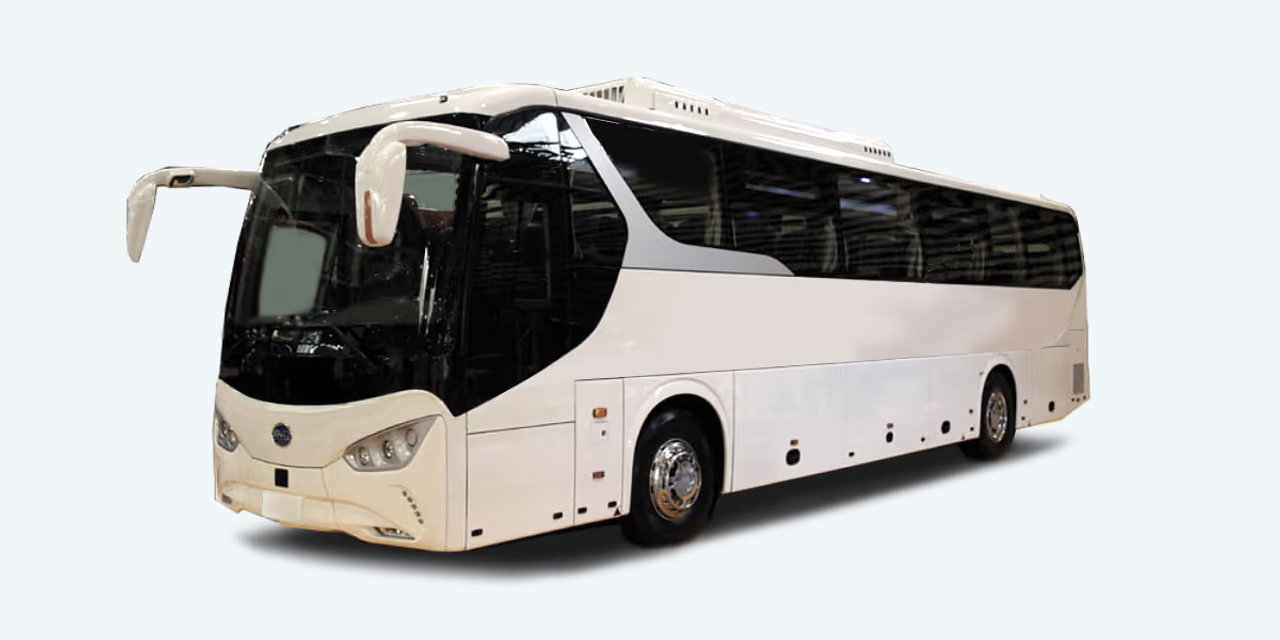
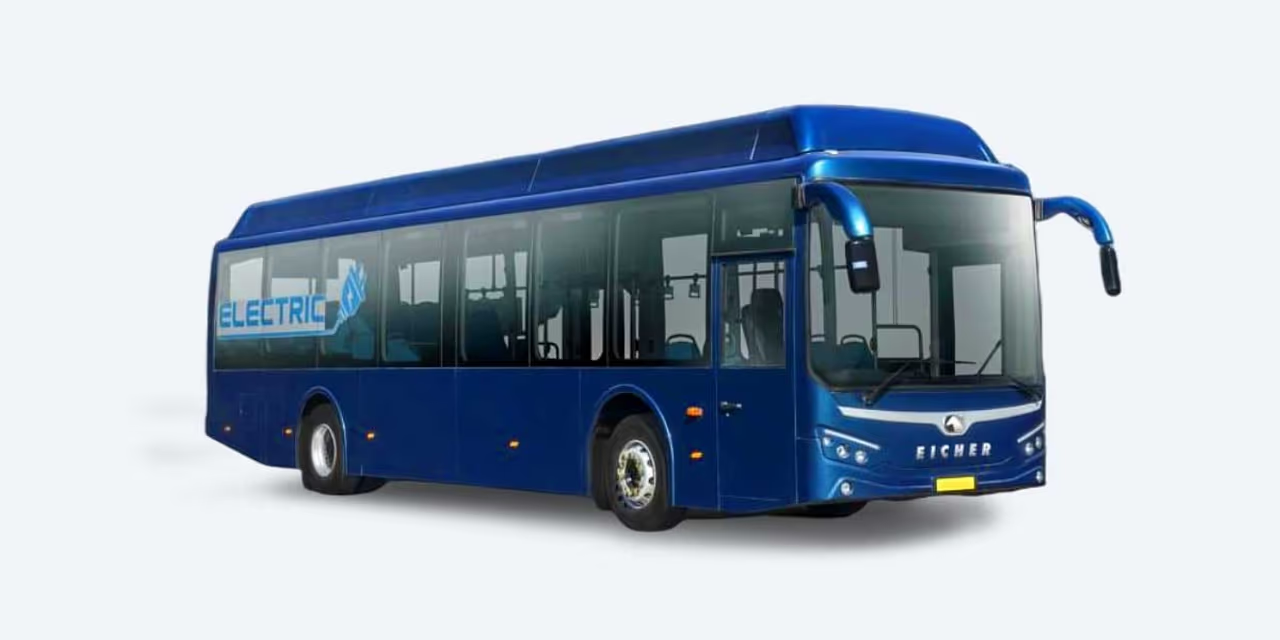
The 2018 BYD K7M ER 30' ELECTRIC BUS serves transit operators seeking long-route electric service. BYD Buses gives it a practical edge through extended stated range and a passenger-focused layout.
Range that supports longer daily duties
Its stated electric range reaches a substantial distance between charges. That suits operators planning extended routes and fewer charging interruptions during scheduled service.
Battery design supports fleet planning
The battery uses lithium iron phosphate technology, a chemistry associated in the source with safety and durability. That focus supports operators weighing long-term electric fleet use.
Passenger space keeps the brief practical
The bus has a spacious body and seating for passengers. Its layout targets public transport, where usable capacity and straightforward daily operation matter more than private-car polish.
Who should include the BYD K7M ER 30' ELECTRIC BUS 2018 in their top picks?
Shortlist it when route length, electric operation and passenger service lead the brief. Buyers seeking a smaller shuttle or more compact vehicle may prefer another type. Longer routes also require careful charging plans.
Pros and Cons
- Extended stated range supports longer transit routes
- Lithium iron phosphate battery technology
- Passenger-focused seating and spacious body
- Purpose-built for public transport service
- Longer routes still require charging planning
- Large transit format may exceed shuttle needs